
01 / 10 · Internal geometry before tooling
Core and Cleaning Access for Recessed Investment Castings
If you need an investment-cast body with deep recesses or hidden passages, Relia can review its forming, cleanup and inspection access before wax tooling is released. Agree the accessible regions and delivered internal condition along with the outside shape.
Relia reviews your internal sections and the surfaces that must remain protected. The proposal connects the pattern or core arrangement to removal access, finishing and the evidence required from samples.
Review your recessed component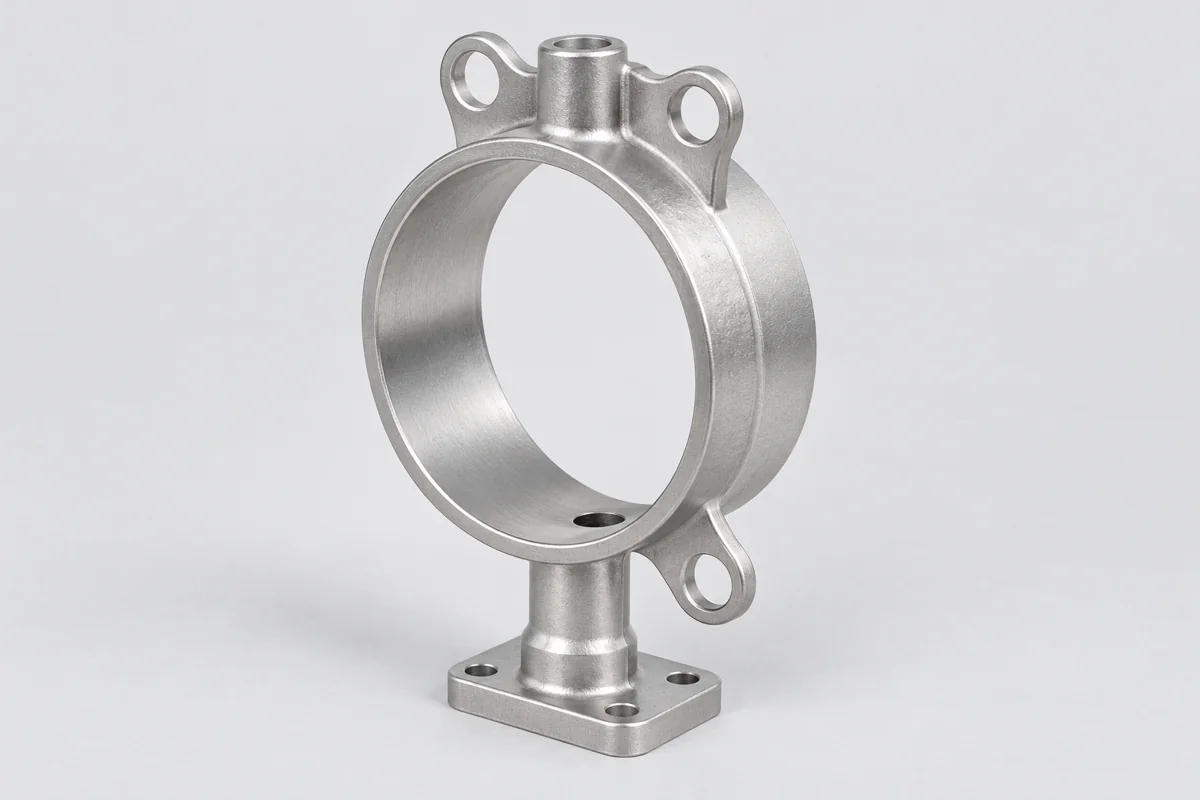
02 / 10 · Factory feasibility
Internal Geometry Reviewed Before Wax Tooling
Relia starts with the complete cavity, rather than only the visible outside profile. Forming the recess, removing process materials and reaching its surface for inspection are three related decisions.
Review pattern geometry and any proposed core.
Define access for removing the relevant process materials.
Agree the inspection method and coverage.
03 / 10 · The hidden shape
Sections that Reveal Trapped Features
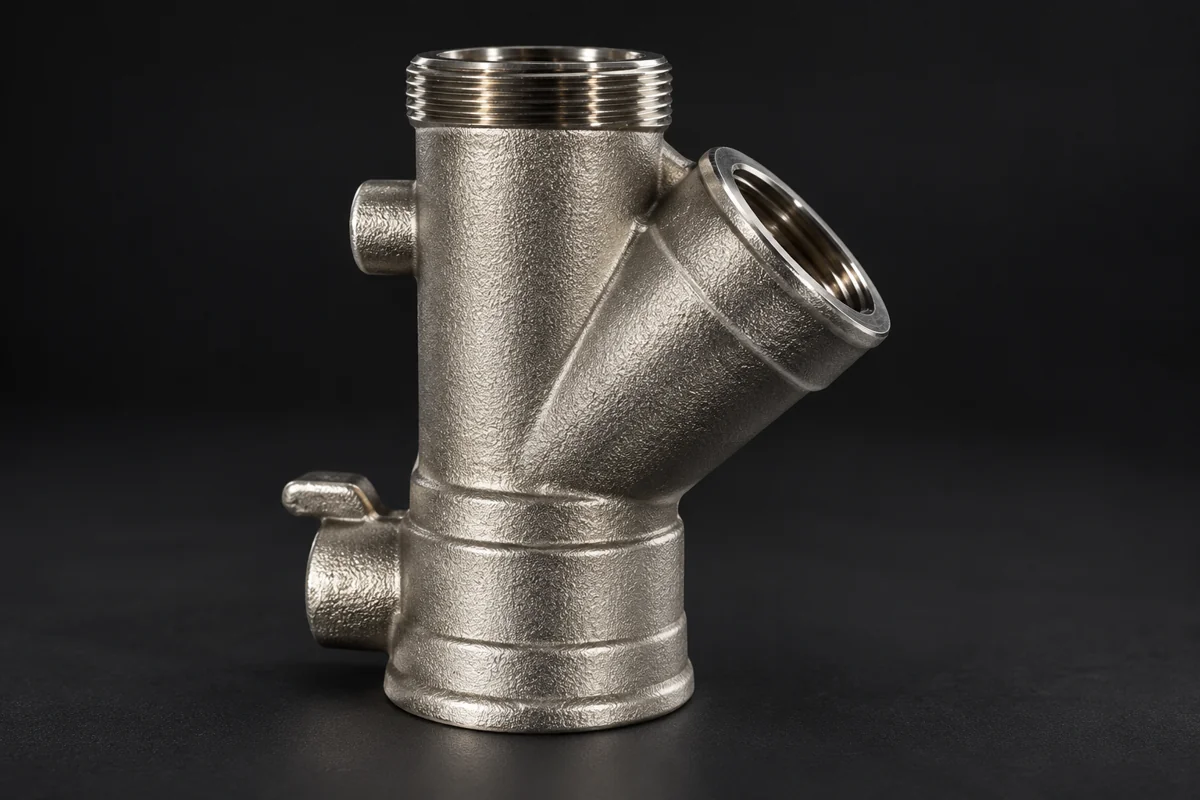
Show passage intersections, blind ends, undercuts and restricted necks. Identify which features are cast and which are produced by machining.
Include the minimum working clearance and protected wall or edge regions. These details allow the manufacturing proposal to be evaluated against the component's actual function.
Review deep recesses and thin-section housing requirements04 / 10 · Forming options
A Core or an Agreed Geometry Change
Some internal forms require a proposed core or another explicitly agreed approach. The review should explain how the selected arrangement creates the cavity and how it is removed afterward.
Retain the required geometry
Define the proposed forming arrangement, supporting tooling and removal scope.
Review a design alternative
Assess an approved change to access or geometry against the assembly requirements.
Keep proposed changes separate from approved requirements
Record any change to a passage, opening or local section before it enters tooling. The customer-approved drawing remains the production basis.
05 / 10 · Core and cavity access
Core Support and Removal Access
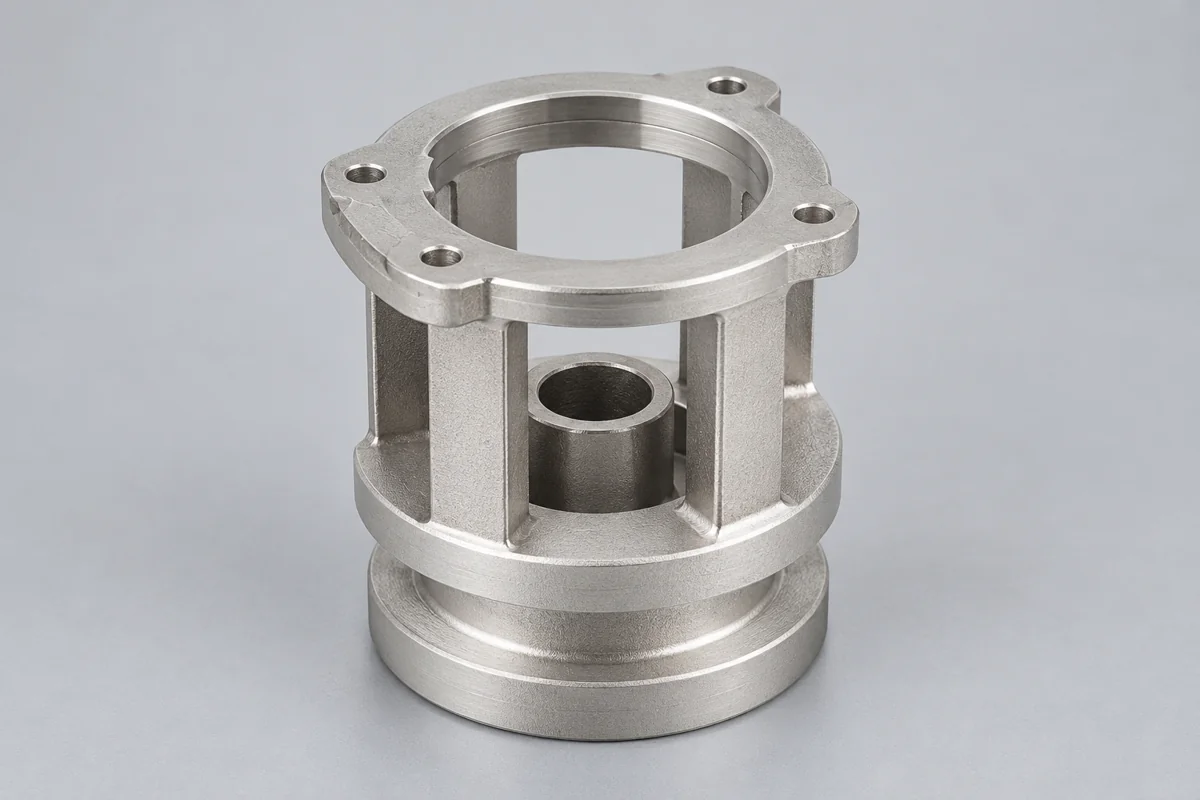
For a proposed core, identify its locating and supporting regions and the openings available for removal. Restricted passages can affect both operations.
Keep removal access connected to the material and process proposal. An opening that exposes part of a cavity may still leave another region inaccessible.
06 / 10 · Internal acceptance
Internal Cleanup and Inspection Reach
Mark each passage or pocket on the drawing.
Specify the process materials or finishing residue addressed.
State the method, coverage and acceptance for the zone.
Cleaning and inspection should be defined separately. Resolve any inaccessible acceptance zone before production is released.
Connect hygienic component enquiries to explicit surface and cleaning requirements07 / 10 · CNC scope
Machining Access Beyond the Cast Cavity
Identify tool approach and fixture contacts for internal faces, bores and threads. A cast opening does not automatically provide room for the selected finishing operation.
Before machining
Agree the blank, locating references and stock available at the feature.
After machining
Define final dimensions, local edges, residue removal and inspection access.
08 / 10 · Related forms
Recessed and Hollow Body References
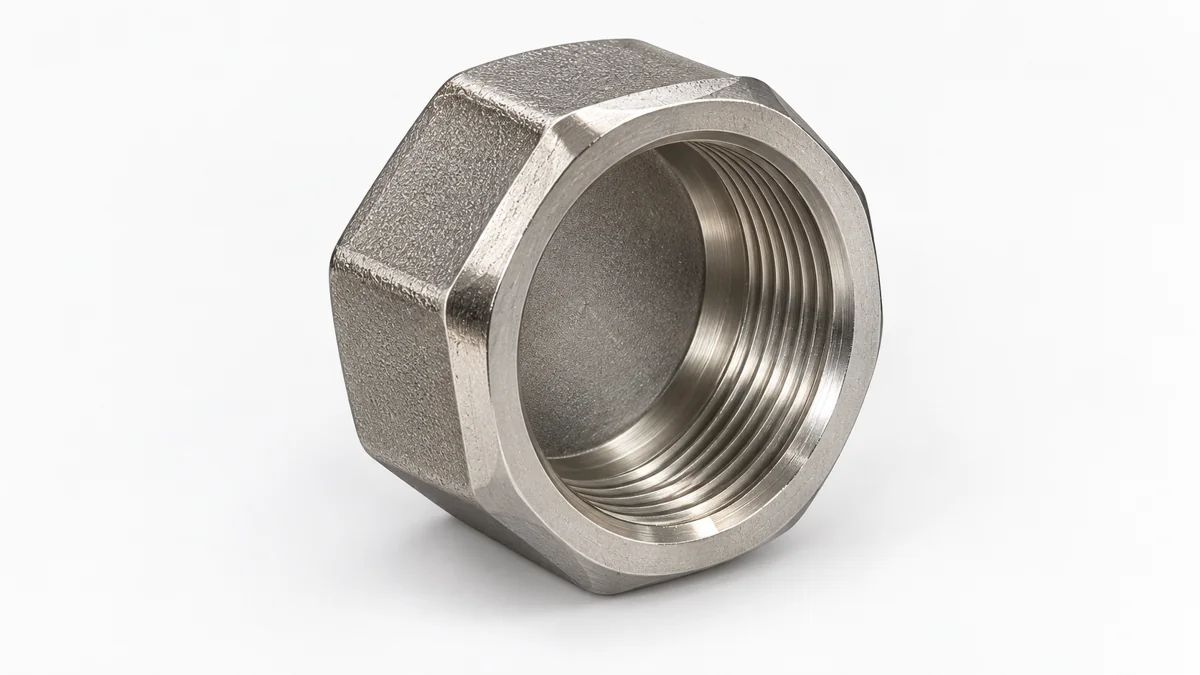
Annular bodies, cage forms, branched fittings and caps offer different examples of access. Use the relevant catalogue form, then attach the internal drawing for your actual component.
View annular and hollow stainless casting enquiriesView branched fittings and recessed component enquiries09 / 10 · Sample release
Trial Evidence Before Production Approval
The approved proposal
Record forming, removal, finishing and inspection responsibilities against the drawing.
The sample evidence
Review the agreed zones and characteristics before customer approval and batch production.
Relia can provide agreed key dimensional records. Define the features and sampling frequency per order, with additional inspection requirements listed explicitly.
10 / 10 · Start an access review
Send Internal Sections and Access Restrictions
Send Relia your component sections, material and quantities. Mark hidden regions, protected surfaces and any existing cleaning or inspection requirement.
Email the internal sections- [email protected]
- Phone
- +86 185 6176 2631
- +1 404 203 0971
- Company and address
- Relia Casting
No. 96 Shuyuan Road
Qingdao, Shandong, China