
CNC Machining for Your Customer-Supplied Casting Blanks
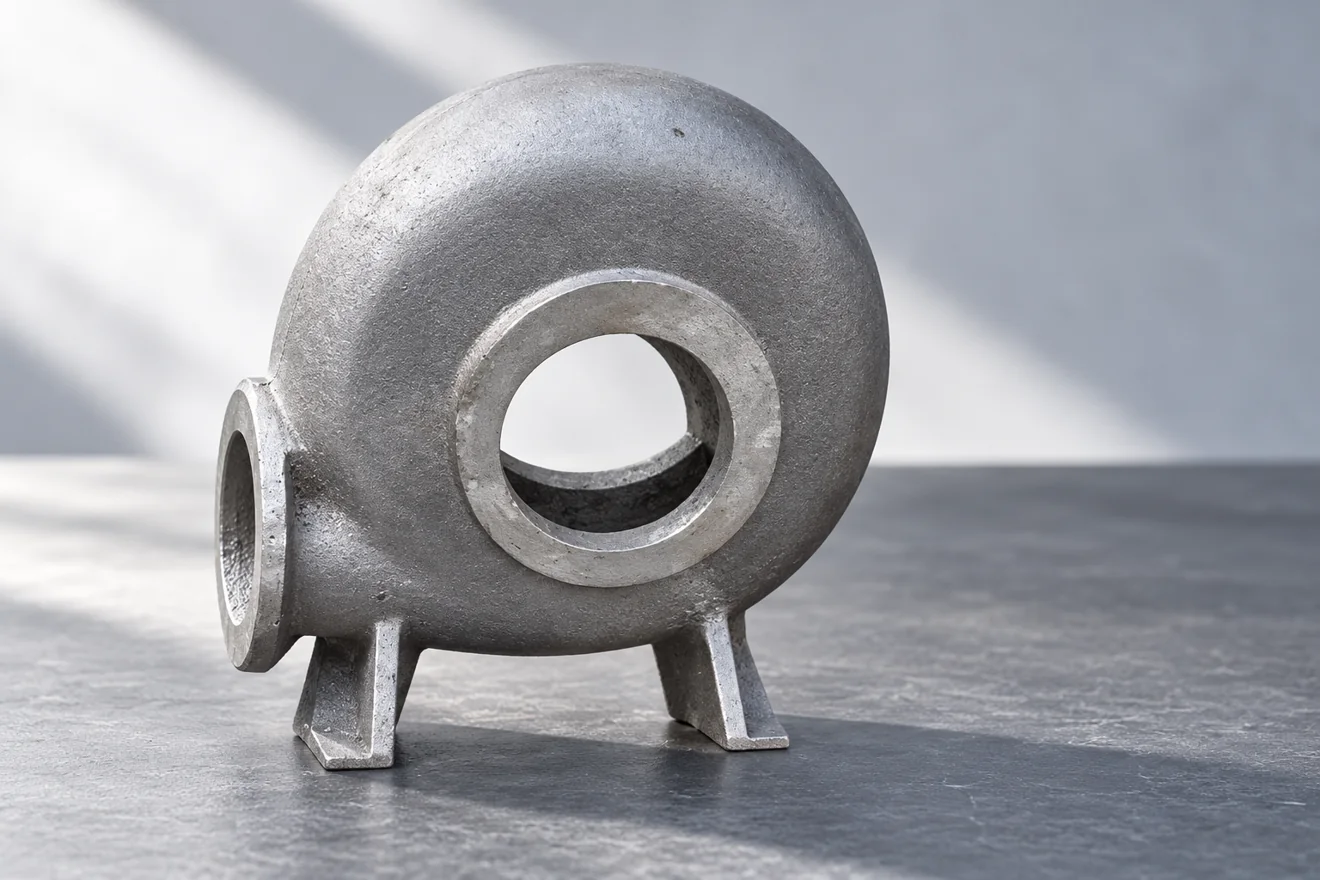
Relia can review your existing casting blanks for a defined CNC scope. We compare material condition, local stock and locating areas with the finished drawing, then agree achievable contacts and incoming exceptions. The quotation keeps pre-existing casting conditions separate from the machining work and its acceptance.
Read the overview and page sections
The key is to define the incoming casting as clearly as the finished part: material condition, available stock and previous operations all affect the machining plan. Send both definitions, and we can discuss workholding, tool access and the finished interfaces without hiding pre-existing casting risks inside a machining quotation.
Incoming Condition Leads the Machining Proposal
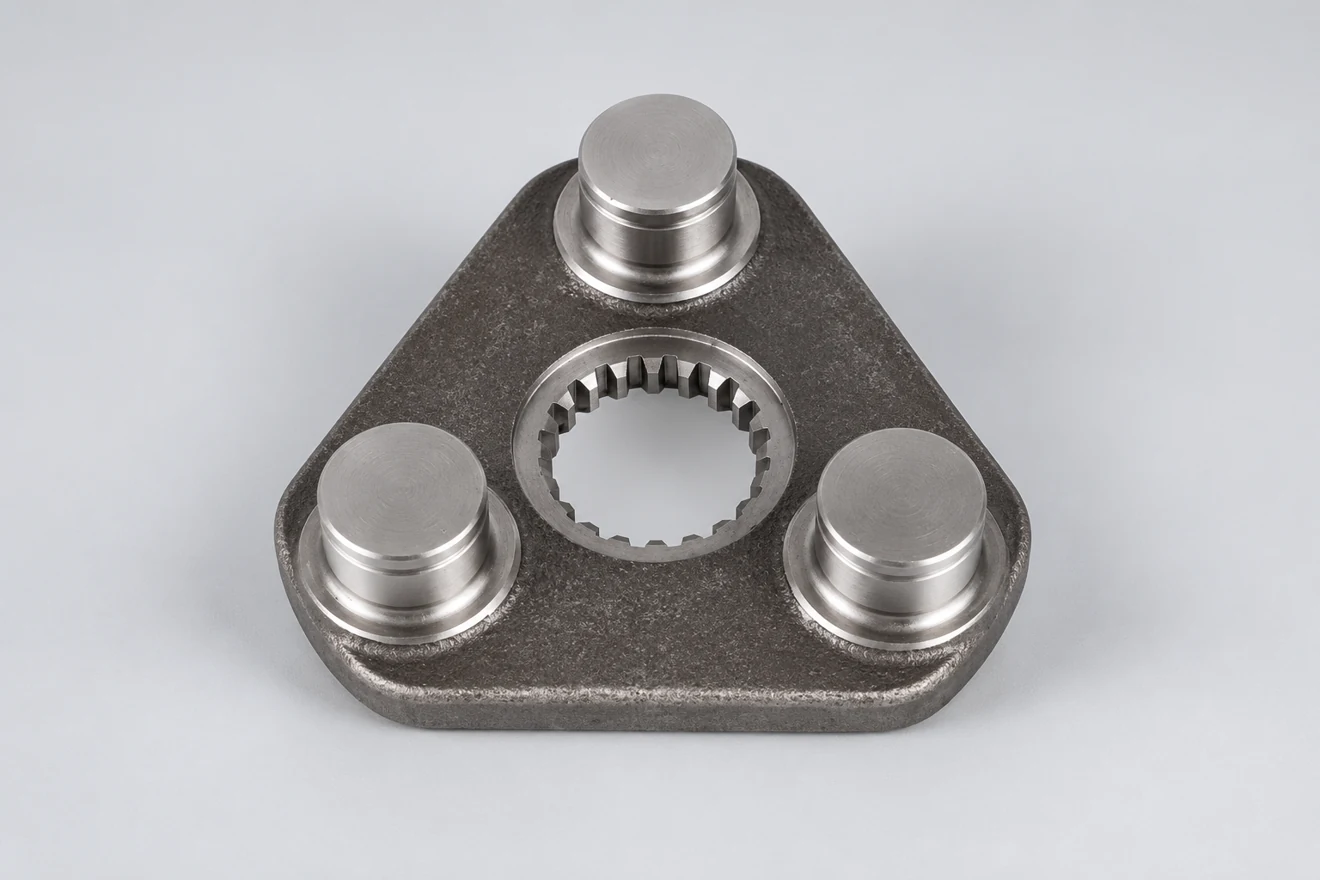
Relia links the incoming-blank review to the first machining setup and the final assembly references. For a housing, that means considering the bore and mounting face together instead of quoting isolated cuts. We identify missing stock or uncertain starting conditions before agreeing the machining order, then define the features and delivered state covered by the dimensional checks.
03 / 10Component decisions
Separate Incoming Casting Risks from CNC Work
Agree what happens if a supplied blank is short of stock or reveals a defect during cutting. This prevents a machining quote from silently becoming a guarantee of the original casting.
| Incoming condition | Useful information | Scope to settle |
|---|---|---|
| Material and treatment | Actual grade and previous heat-treatment state | Suitable cutting and final-condition sequence |
| Stock variation | Blank drawing and representative measurements | Minimum clean-up at fitted contacts |
| Casting integrity | Existing examination or repair history | Handling of defects exposed by machining |
| Quantity and identity | Lot, part number and drawing revision | Receipt count and accepted starting condition |
Locate the Real Blank Before Cutting the Final Contacts
The first review compares the actual blank with the starting definition: cast variation, damage, treatment condition and stock at the working surfaces.
- Incoming blank
- Stable location
- Final cuts
- Machining record
- Assess the incoming blank before cutting
- Keep outside operations in the finishing sequence
Open the manufacturing route and detailed review
Assess the incoming blank before cutting
Fixture contacts are chosen where the blank can be supported without bending a thin wall or loading a fragile projection. Rough machining creates a dependable reference before finishing the related interfaces.
Keep outside operations in the finishing sequence
If heat treatment, straightening or surface work remains outside the machining order, its position in the sequence still matters. Relia can plan CNC operations around the agreed incoming state; final checks then refer to the drawing and delivery condition specified for that machining work.
Turn the Incoming Blank into a Stable Machining Reference
Compare the actual casting with the finished model before selecting fixture contacts. A thin wall that deflects under clamping can appear correct while held and move after release. The first operation therefore needs support at suitable regions and enough recoverable stock at the planned reference.
Establish the locating face or other agreed datum, then finish the related bores, holes and shoulders from that reference. Any remaining treatment or coating belongs in the sequence because it may affect the final fit. Relia agrees which features are accepted freely, which require a defined support condition, and which incoming defects need separate disposition.
Treatment Responsibility Stays Explicit
Identify any heat treatment, coating or cleaning that occurs before or after machining, and who supplies it. A later operation can change dimensions or the surface condition you receive. We agree the stage at which final checks apply, rather than allowing a catalogue list of treatments to become an assumed fixed route.
07 / 10Component decisions
Establish References Before Cutting the Critical Features
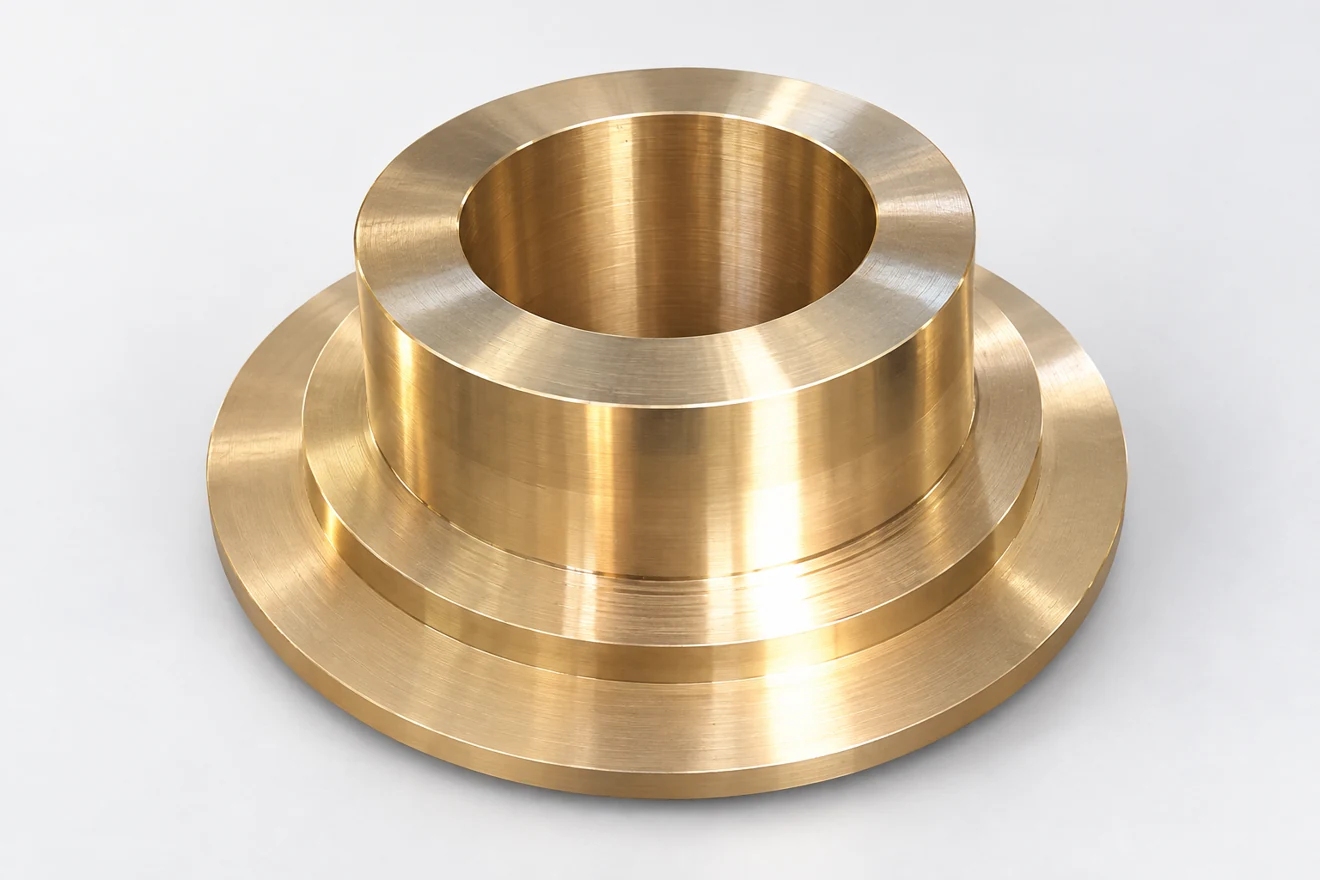
A circular casting can have enough metal but no suitable finished reference. Plan the first cut so later dimensions are measured from the same controlled origin.
| Operation | Practical focus | Acceptance record |
|---|---|---|
| Incoming review | Verify blank identity, condition and available stock | Agreed incoming exceptions |
| First setup | Choose supports and create primary datums | Machining setup reference |
| Related cuts | Finish bores, faces and hole patterns from those datums | Feature results against the finished drawing |
| Final handover | Protect finished contacts and identify the lot | Machining scope and results supplied |
Packing Protects the Machined Result
The return delivery needs to protect newly finished bores, faces and threads while keeping part identity intact. Agree separation, surface protection and the records travelling with each lot. Specify whether unmachined stock, reusable fixtures or unused customer blanks must also be returned with the finished components.
Send the Details for Your Component Review
Tell us what you need to buy and the condition you need to receive. Relia Casting will review the component, manufacturing scope and requested evidence with you before an order is agreed.
- Blank and finished-component drawings
- Incoming material and blank condition
- Required machining operations
- Quantity and customer-property instructions
- Release checks and return packing
No. 96 Shuyuan Road, Qingdao, Shandong, China
About our component supply · Contact details and project enquiry