
China Casting Factory for Custom OEM Components
Relia manufactures custom metal castings and CNC-finished components in China for equipment builders and industrial buyers. Send your drawing or sample, material and quantities. We review the casting route, finished interfaces and sample acceptance together, then define whether you receive a blank or a finished component.
Discuss your component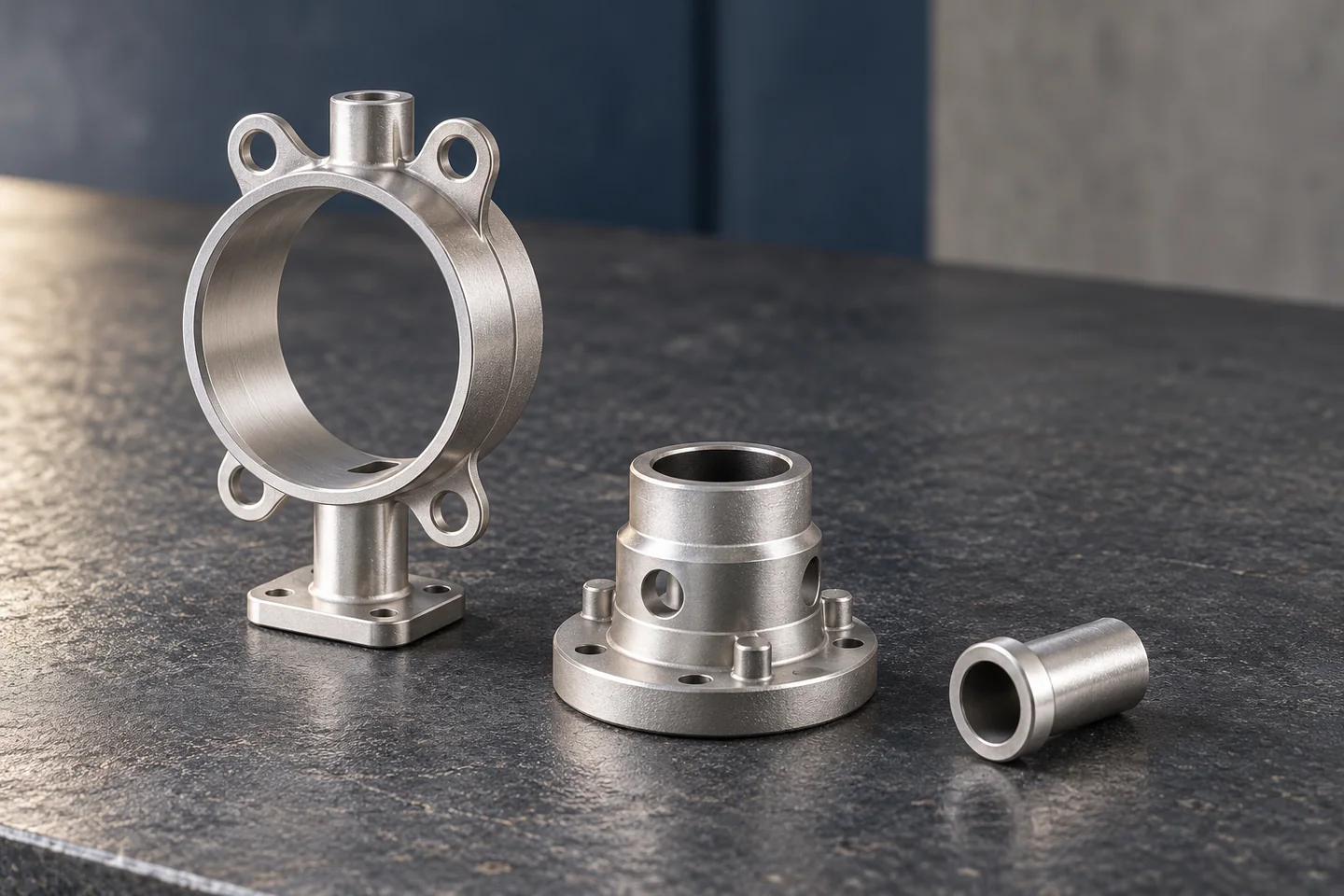
- Cast formHousings, fittings, brackets and machinery components.
- Finished fitCNC work at the interfaces your equipment uses.
- Order evidenceDrawing-linked samples and agreed dimensional records.
One Manufacturer Connects the Main Operations
Qingdao Reliacasting Co., Ltd. handles drawing-based casting and machining projects under the Relia brand. Order-agreed heat treatment, surface treatment and non-destructive testing are carried out in Relia’s own factory. Keeping these operations in the component plan helps us resolve a practical issue early: the material condition, machined geometry and final surface must describe the same delivered part.
For an agreed order, Relia can provide applicable material information and establish linked records for the part or batch. We define the report items and production stages covered with you, so the evidence follows your purchasing requirement rather than an assumed universal document package.
- Before productionWe review the drawing, material and supplied condition.
- During manufactureCasting, treatment and CNC references stay connected.
- Before batch releaseYou approve the sample against agreed acceptance requirements.
The Product Range Starts with Real Component Families
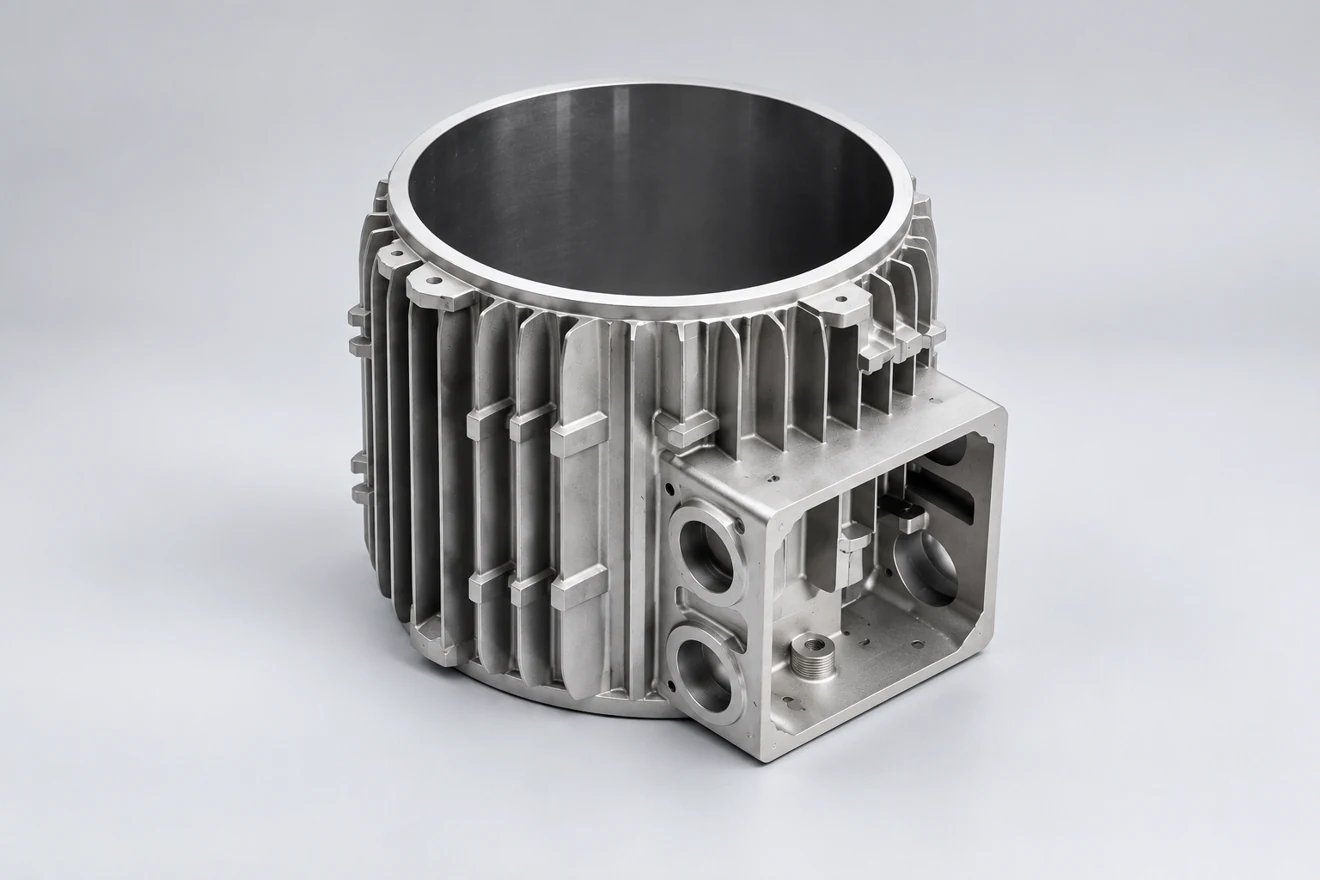
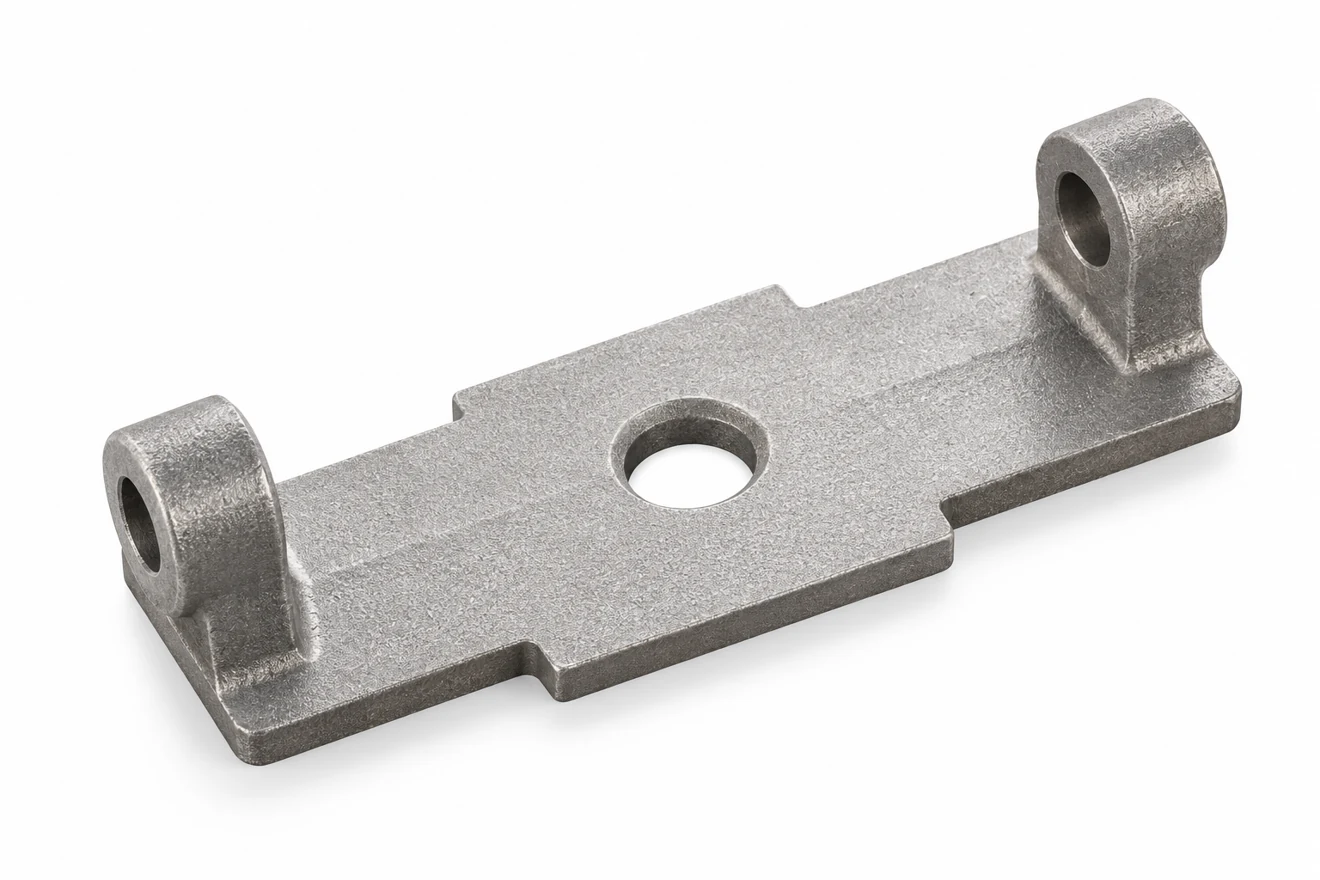
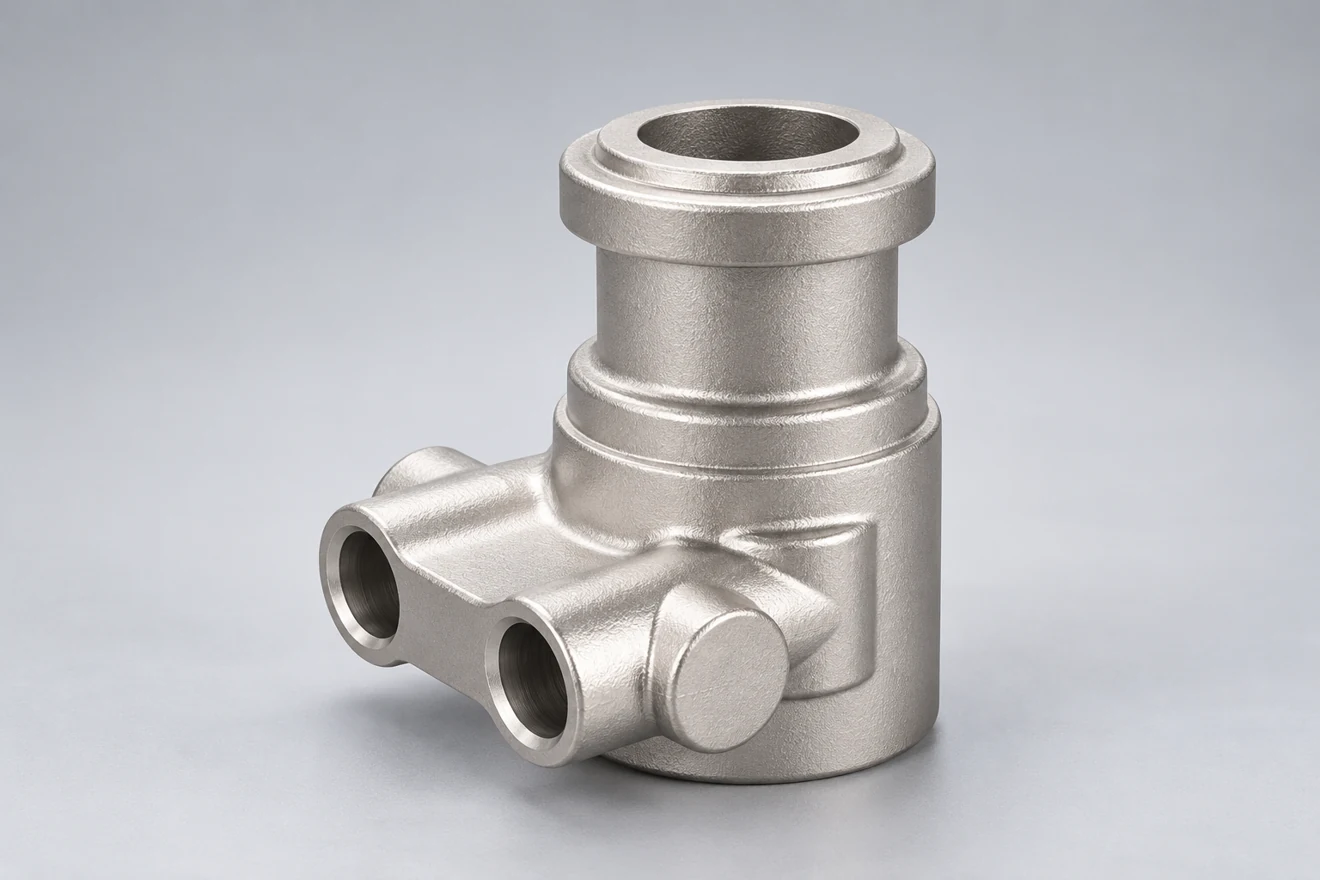
Our catalogue includes ribbed grey-iron housings, stainless valve-body forms, ductile-iron mounting parts and cast components with CNC finishing. A housing combines walls and ribs with a bore-to-base relationship; a fitting adds a passage and connection faces; a bracket connects a loaded web to its fixing holes. These are different manufacturing tasks, so we begin with the component family closest to your own drawing rather than offering one universal casting specification.
- HousingWall sections, openings, seating face and bore.
- Fluid bodyPassage access, connections and sealing contacts.
- SupportLug transitions, mounting pattern and load direction.
The Casting Route Follows the Part
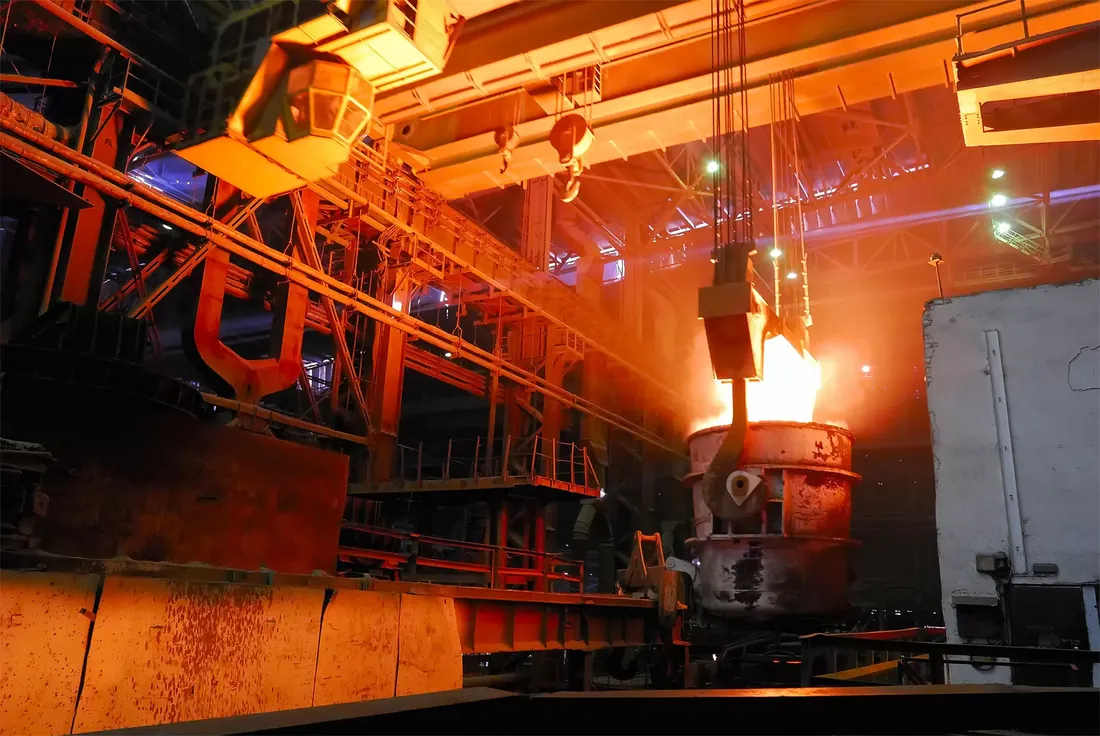
Investment casting uses expendable patterns and a ceramic mold for detailed forms. Sand casting uses a mold and, where needed, cores for housings and internal spaces. Shell molding uses resin-coated sand against heated tooling, while lost foam consumes a foam pattern during pouring. We compare those routes with your alloy, geometry and repeat demand. Forging remains a separate route for a component whose design calls for a deformed-metal blank.
- GeometrySections, recesses, passages and access.
- MaterialThe specified cast grade and delivered condition.
- DemandSamples, recurring quantities and expected revisions.
The Blank Already Contains the Machining Plan
Consider the catalogue’s ribbed cylindrical housing. Casting creates its wall and side region, but machining must establish the useful bore and mounting relationship. Before tooling is settled, the blank needs local stock at those cuts and stable areas for the first fixture. This is why a drawing of the finished component is reviewed alongside the proposed casting, instead of leaving the CNC team to recover a usable reference afterward.
- ReserveLocal stock at the actual finished surfaces.
- LocateA stable first face and supporting contacts.
- ConnectBores and mounting features measured from functional datums.
The Material Choice Includes Its Final Condition
Grey iron, ductile iron, stainless steel, alloy steel, aluminium and copper-alloy enquiries need a specific grade for each part. Heat treatment and surface work must suit that grade. A polished fitting, a coated support and a bare casting are different supplied conditions. We connect the material requirement with the operating environment, mating surfaces and inspection stage so your receiving team knows which version is being delivered.
- Metal identityGrade, specification and required material evidence.
- Processing stateOrder-agreed thermal and surface operations.
- Working contactsFits and sealing areas protected through finishing.
The Sample Proves the Features That Matter
We first agree the drawing and sample acceptance requirements with you. Your sample approval then becomes the basis for arranging batch production under the order. For a housing, the useful review may link bore position to a mounting plane; for a bracket, it may link a paired hole pattern to its seating face. Key dimensional inspection records can be provided with the checked features and sampling frequency agreed per order.
- DefineControlled revision and important characteristics.
- MeasureAgreed references, limits and sample condition.
- ApproveYour release of the sample before batch production.
Different Buyers Need Different Supply Boundaries
An equipment builder may want a complete cast-and-machined part. A machining workshop may prefer a casting blank with mapped stock. A maintenance team may begin with a worn sample and installation details, while an importer needs multiple drawing numbers kept separate through packing. We make that boundary visible in the quotation so tooling, finishing, records and recurring supply can be compared on a consistent basis.
Finished component for your assembly line
Include the final drawing, material condition, fits and surface requirements. Agree casting, CNC operations and the records needed for receiving inspection.
Review cast-and-machined supplyCasting blank for your machining workshop
Identify local machining stock, first-operation locating areas and the incoming casting condition. This keeps the blank quotation aligned with your own fixture and cutting plan.
Review casting-blank requirementsNew or replacement component under development
Bring the drawing or identified sample and installation references. Separate design interpretation, trial acceptance and customer release before arranging repeat production.
Plan sample approvalExplore the Work Behind Your Component
Start with a component reference, then follow the manufacturing or inspection page that answers your next decision. The Qingdao address below is our office contact address; arrange a visit with us before travelling. Component photographs and illustrations explain shapes. Applicable order records and agreed sample results establish the material, dimensions and acceptance of your own part.
Contact the Casting Team
Send the component drawing or sample reference, selected material, quantity and the surfaces that decide assembly fit. Tell us whether you need a casting blank or a finished component.
Qingdao Reliacasting Co., Ltd.
Drawing-based metal castings and CNC-finished OEM components from China.
Qingdao officeNo. 96 Shuyuan Road
Qingdao, Shandong, China
Arrange a project visit with us before travelling.
The released drawing, selected material and agreed order define the supplied component and required acceptance evidence.