
Qualify a Nickel Alloy Casting Before Requesting Production
For a nickel-alloy component, establish the alloy, service conditions and required qualification scope before discussing production release. Relia can review the proposed route and the evidence needed for your part. Use this guide to organize the technical inputs and identify the decisions that remain open.
- Technical pack
- Alloy, product form, drawing and service
- Qualification scope
- Melting, mold, treatment and required records
- Decision point
- Confirmed feasibility before supply commitment
Name the Actual Alloy and Required Condition
Relia needs the actual nickel-alloy designation and service requirement to discuss feasibility. The review should identify the proposed manufacturing arrangement, required qualification evidence and secondary machining. Relia cannot infer that scope from the word superalloy or from a generic casting image. An accepted proposal needs to explain which route is offered for the component and how its critical material and integrity requirements will be assessed.
Designation
Actual alloy and governing reference
Condition
Required supplied state and treatment
Evidence
Material and qualification records needed for review
Temperature and Environment Set the Review Priorities
Explain the relevant operating temperature, medium and duty behind the alloy choice. We can then identify the material and process information needed for a useful enquiry. The required service performance must be established through the applicable project evidence, not inferred from the alloy family's reputation.
Environment
Medium and relevant exposure conditions
Duty
Temperature, loading and operating cycle as applicable
Acceptance
The properties and evidence required by your design
Review the Component Shape without Inferring Its Material
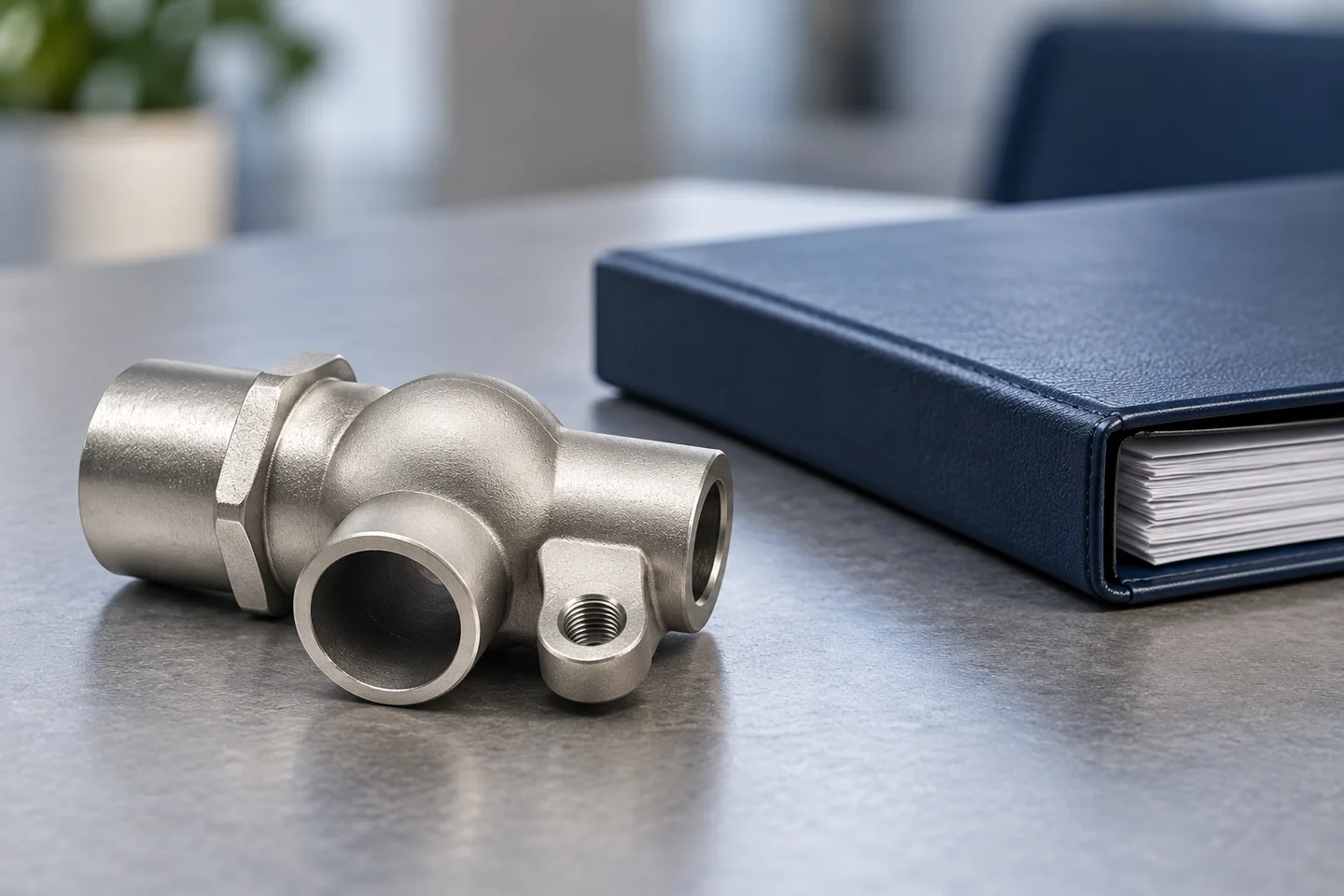
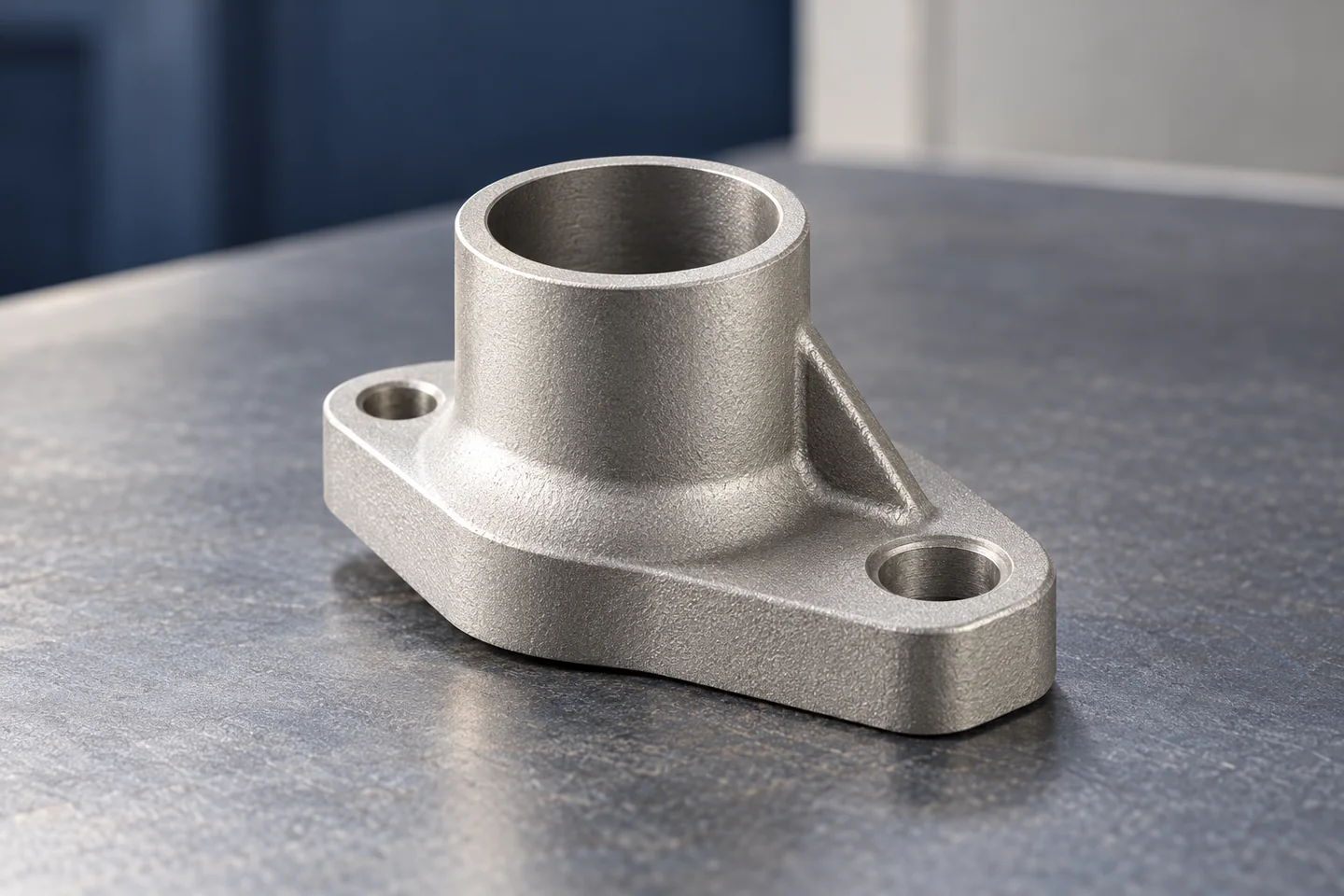
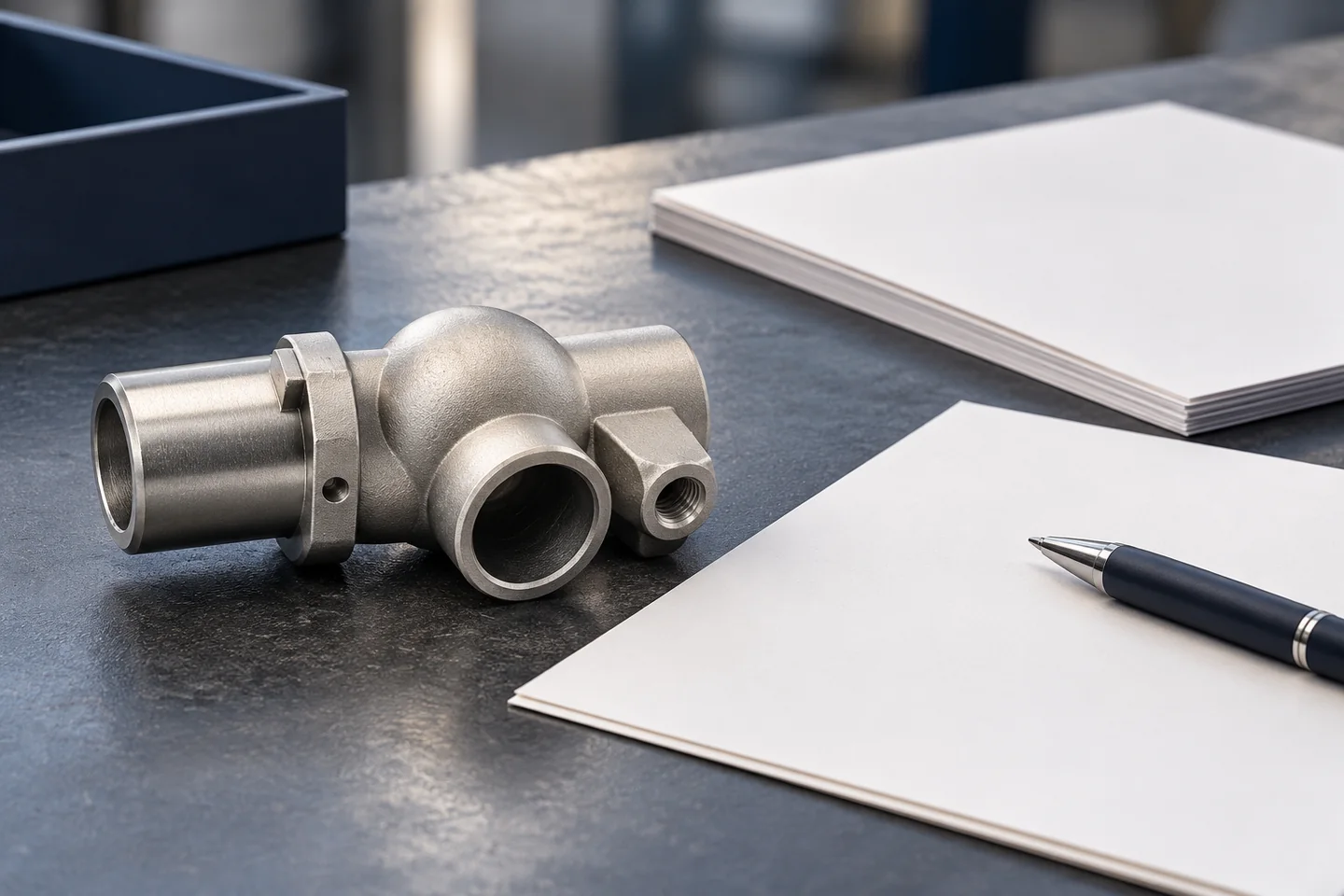
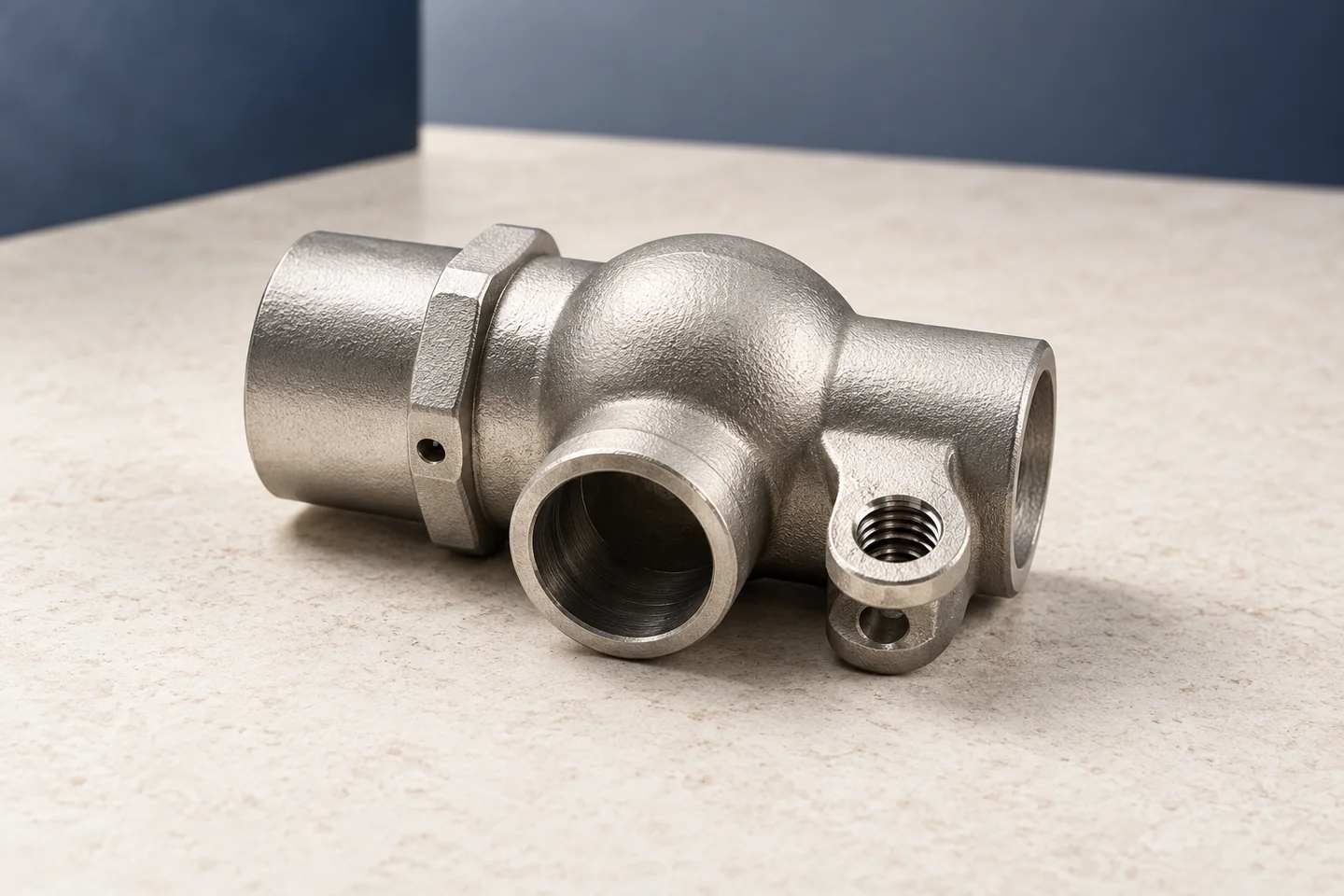
A photograph can help us understand the overall form, but it cannot identify a nickel grade or verify its production route. Send the drawing and model with critical features marked. We keep that geometry review separate from the material and capability questions that still need evidence.
Use a Qualification Sequence Before Production Release
The sequence below identifies the decisions that need to be resolved. It does not represent one universal nickel-alloy manufacturing route or claim that every specialised process is available.
- 01Requirements
- 02Process review
- 03Component trial
- 04Acceptance decision
| Production stage | Operation and purpose | Control to agree |
|---|---|---|
| Requirements | Identify the actual alloy, component and operating conditions. | The governing specification and acceptance criteria. |
| Process review | Confirm the proposed melting, mold and treatment route. | Availability and project-specific qualification evidence. |
| Component trial | Define the sample, machining and critical regions. | A route that can reach the required supplied condition. |
| Acceptance decision | Review the agreed test and document package. | Required approval before a production commitment. |
State the Qualification Records at the Start
Tell us which material, process and component records your approval process requires, and when they are needed. We can then focus the discussion on their relevance and availability. A general certificate should not stand in for evidence specific to the alloy, component or intended service.
Define Critical Regions and Acceptance Criteria
Identify the features and regions where geometry, internal quality or material condition determine acceptance. We discuss the applicable methods and required records in that context. The test name alone is not a complete requirement without its scope, conditions and acceptance basis.
Region
Feature or area requiring assessment
Method
Applicable check and defined conditions
Decision
Acceptance reference and required record
Keep Subsequent Operations in the Capability Review
Machining, treatment and finishing can be important parts of the final requirement. Include them with the casting enquiry rather than assuming they are covered by a broad process label. We review the proposed supplied condition as a whole before a component commitment is made.
Starting form
Material and geometry requirement
Further operations
Specified machining, treatment and finishing
Delivered condition
The final acceptance and document scope
Use Samples to Test the Qualified Requirement
Any sample plan should identify the requirement being evaluated and the evidence needed to make the next decision. We keep that scope explicit. A visually similar component is not a substitute for a sample and records that address the actual nickel alloy and service requirement.
Send the Information Needed for a Feasibility Review
Share the actual alloy, drawing revision, service conditions and quantities. Add the qualification and acceptance records your project requires. We can then discuss whether a specific proposal can be developed and which evidence must be established before commitment.
A useful first message
- Actual nickel-alloy designation
- Service medium or temperature
- Drawing and critical regions
- Required qualification documents and quantities
The email link opens an editable draft. Share the information you have and identify any open points.
Relia Casting · Project Contact[email protected]Phone: +86 185 6176 2631WhatsApp: +1 404 203 0971Qingdao office: No. 96 Shuyuan Road, Qingdao, Shandong, ChinaRelia Casting homeMore relevant component and technical pages
Product illustrations explain catalogue-based geometry. The agreed drawing, material specification and order define the supplied component. Manufacturing and project acceptance requirements are reviewed for the actual part.