
Custom Metal Castings with CNC Finishing to Your Drawing
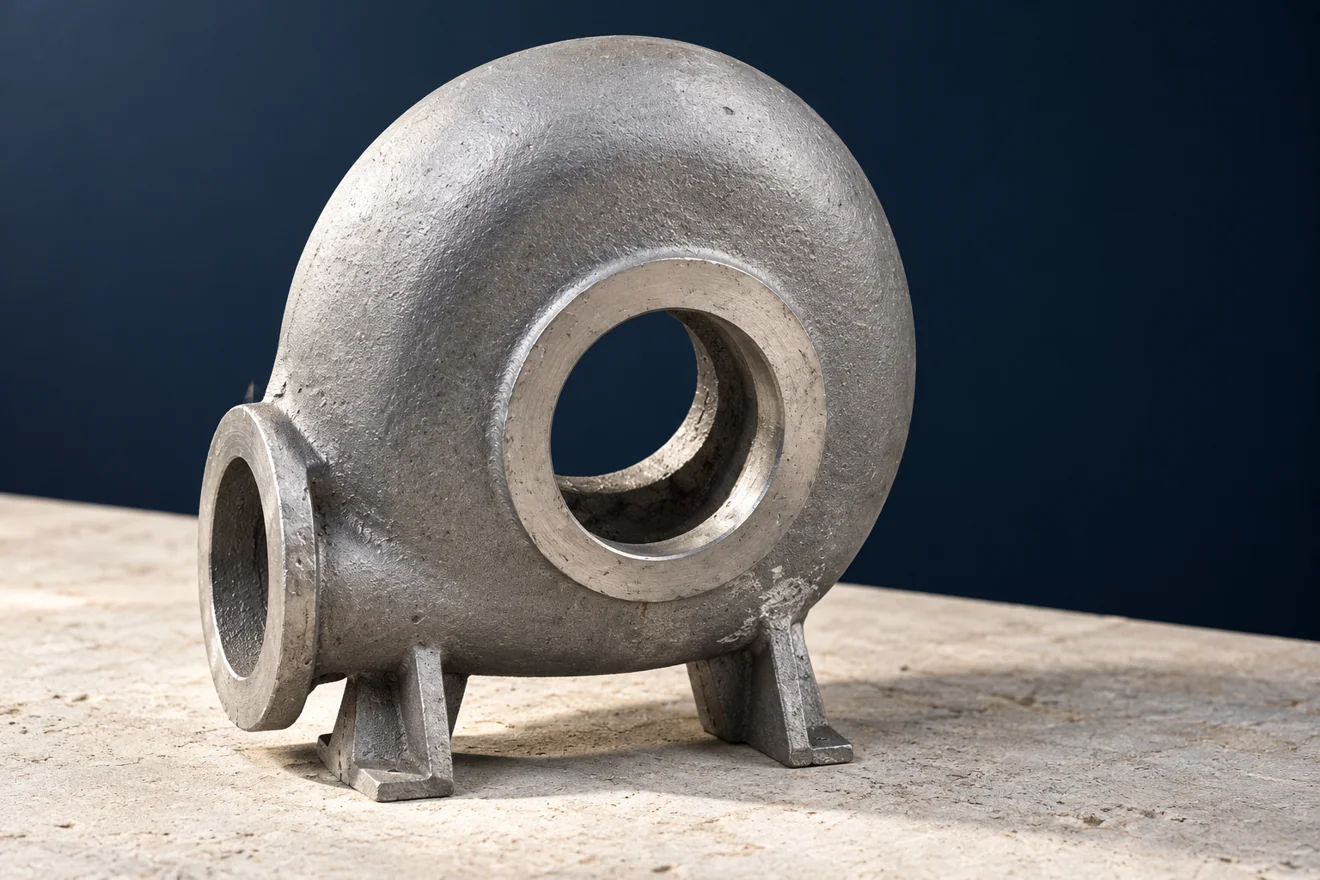
Relia supplies drawing-based castings with CNC finishing agreed as one component project. Define the finished bore, sealing face or mounting pattern, then compare the cast blank, final surface and acceptance records on the same supply boundary.
Read the overview and page sections
This is useful when your assembly needs a finished bore, sealing face or mounting pattern rather than an unfinished blank. We work from your drawing to define the cast shape, machining, final surface and acceptance scope, so the quotation describes the part your workshop will actually receive.
Casting and Machining Share One Component Definition
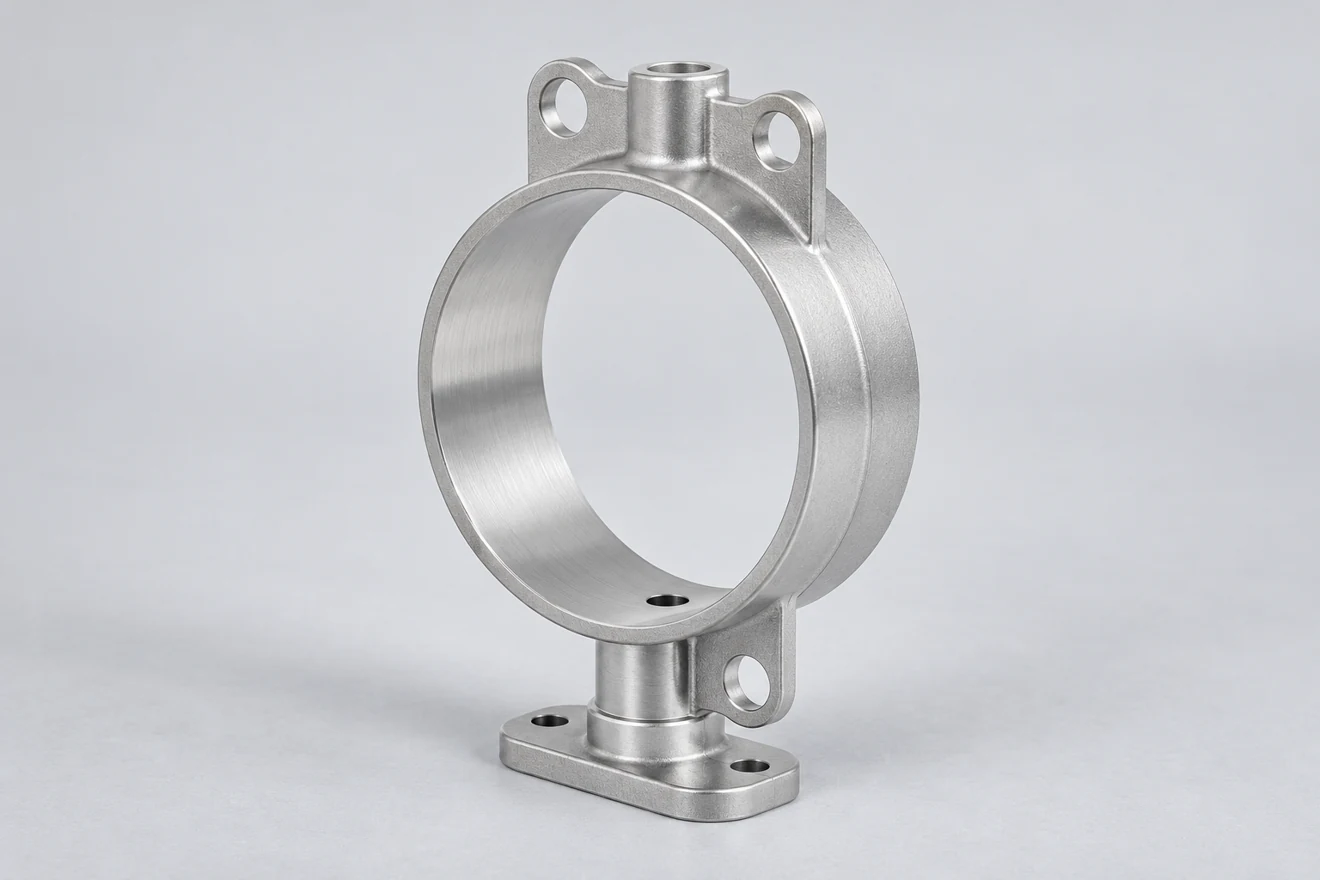
Relia connects the casting blank, CNC interfaces and final supplied condition around your component drawing. Order-agreed heat treatment, surface treatment and non-destructive testing take place in Relia's own factory. Relia can also provide the agreed key-dimensional records, with the inspection scope and sampling frequency defined for your order. This gives your purchasing team a clear way to compare the complete finished-component supply.
03 / 10Component decisions
Buy the Finished Component on a Defined Boundary
A lower casting price can leave machining, cleaning or evidence outside the quotation. Make these responsibilities visible before comparing suppliers.
| Supply item | Include in the technical scope | Receiving reference |
|---|---|---|
| Casting blank | Selected alloy, cast envelope and machining stock | Blank drawing and material condition |
| CNC work | Datum faces, bores, hole positions and threads | Finished drawing with feature limits |
| Final surface | Coating, polishing or protection only where specified | Delivered surface and masked contacts |
| Release package | Named dimensional and material records | Part number, revision and batch identity |
Cast Features and Finished Interfaces Have Different Jobs
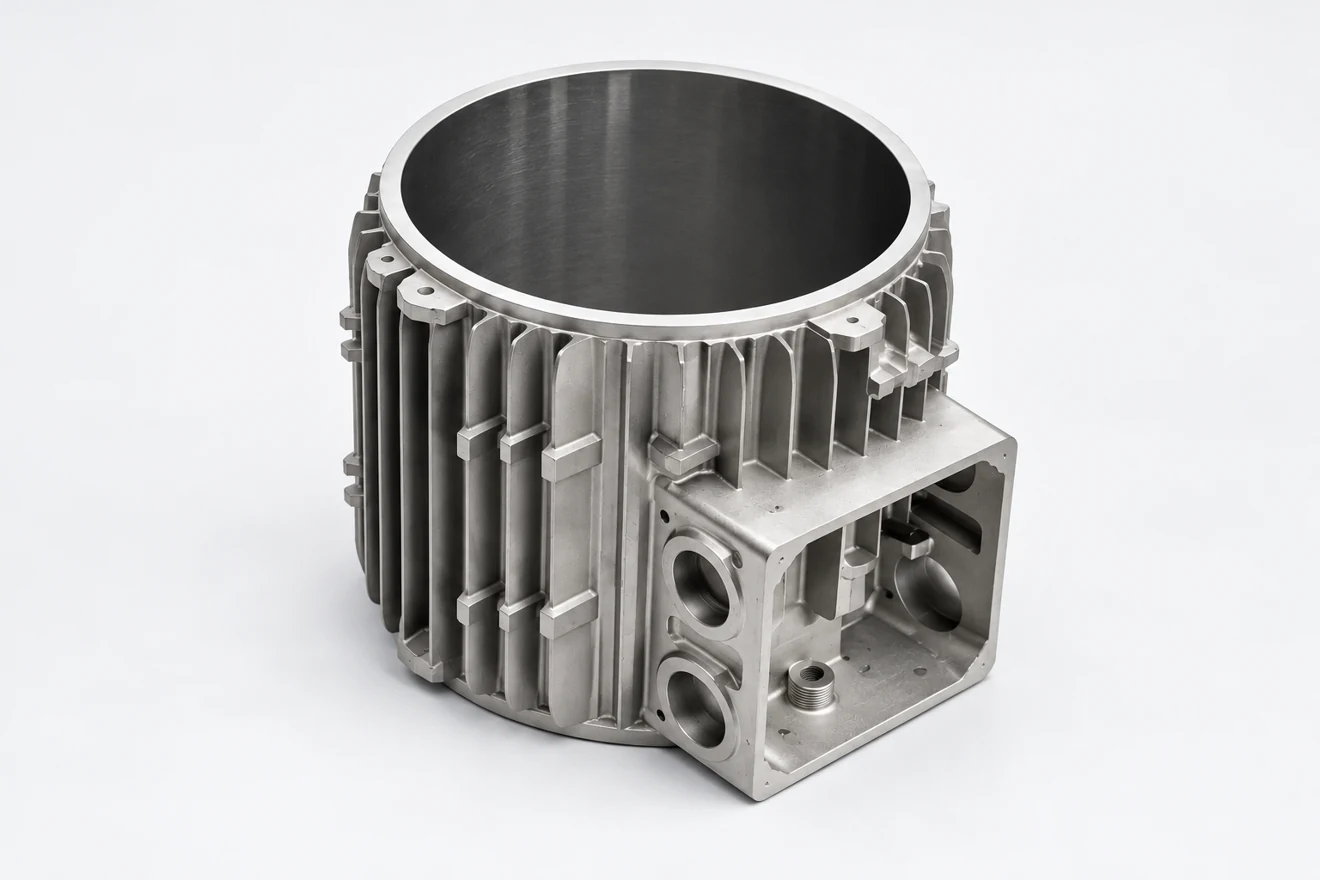
Casting forms the main body, ribs and suitable cavities. Machining establishes selected bores, sealing faces, threads and other drawing-controlled interfaces. We review parting features, core access and machining stock together so that later cutting has enough material without treating every outer surface as a machined feature.
Establish the Working References Before Finishing the Fits
The casting plan reserves metal where the finished drawing calls for a cut.
- Establish the first working reference
- Check the bore-to-face relationship
Open the manufacturing route and detailed review
Establish the first working reference
Gate-removal areas, cast variation and fixture access are considered before the first machining setup. A stable base or locating feature is established first; related bores, faces and hole patterns can then be produced from references that reproduce the assembly relationship.
Check the bore-to-face relationship
For your component, Relia's technical review connects that sequence with final acceptance. A bore diameter alone does not describe its position relative to a mounting face. The drawing should also define the relevant direction, distance or orientation, with the finished condition used for the agreed checks.
06 / 10Component decisions
Carry One Datum System from Blank to Finished Part
For a housing, the main bore can meet its diameter while still sitting incorrectly relative to the base. The route must preserve that relationship through clamping, cutting and inspection.
| Stage | Manufacturing decision | Output to agree |
|---|---|---|
| Locate the blank | Choose stable supports and first-operation stock | A workable clamping and locating plan |
| Create the references | Establish the faces or features used by later setups | Named manufacturing datums |
| Finish related contacts | Machine bores, shoulders and mounts from those references | Finished feature relationships |
| Inspect the delivered state | Check after the specified treatment or coating sequence | Results linked to the current drawing |
Inspection Follows the Features That Matter
For each critical feature, define the requirement, reference datum, measurement stage and record. Casting integrity, machined geometry and application testing are separate acceptance topics. The agreed plan states the method and sampling scope, avoiding a general precision claim that does not explain how your component will be released.
The Quotation Separates Setup from Repeat Supply
Compare quotations against the same finished-part boundary. Tooling, fixtures, samples and qualification work may be separate from recurring casting, machining, treatment and packaging. We also identify the documents and delivery terms included. This makes a lower unit price meaningful only when the included work is genuinely comparable.
- Tooling and fixtures
- Approval samples and any agreed qualification work
- Casting, CNC and specified treatment
- Finishing and protective packaging
Send the Details for Your Component Review
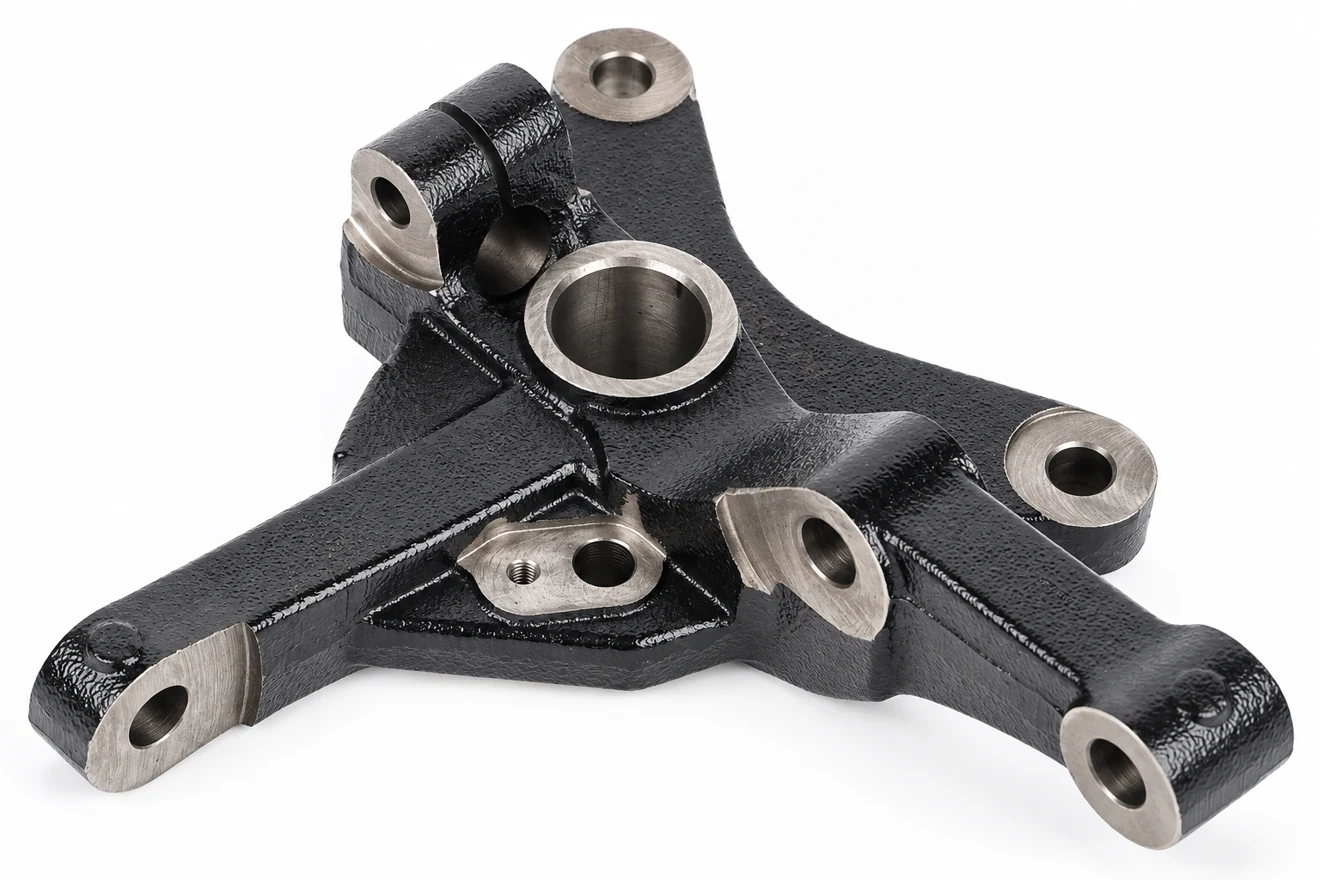
Tell us what you need to buy and the condition you need to receive. Relia Casting will review the component, manufacturing scope and requested evidence with you before an order is agreed.
- Controlled drawing and model revision
- Specified material and supplied condition
- Critical bores, faces, threads and datums
- Order quantity and repeat demand
- Required inspection records
No. 96 Shuyuan Road, Qingdao, Shandong, China
About our component supply · Contact details and project enquiry