
Nickel-Alloy Casting Feasibility for Defined Service Conditions
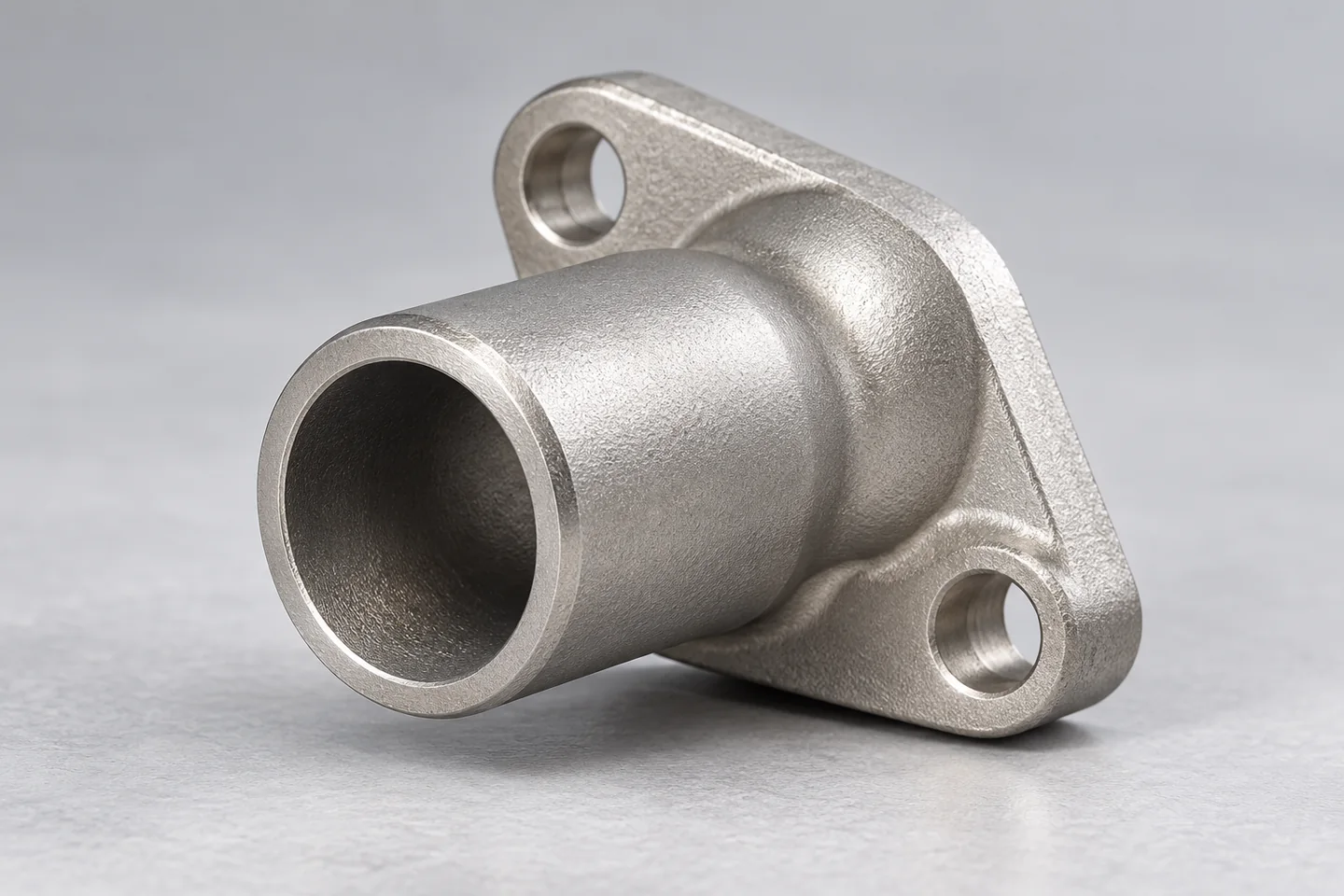
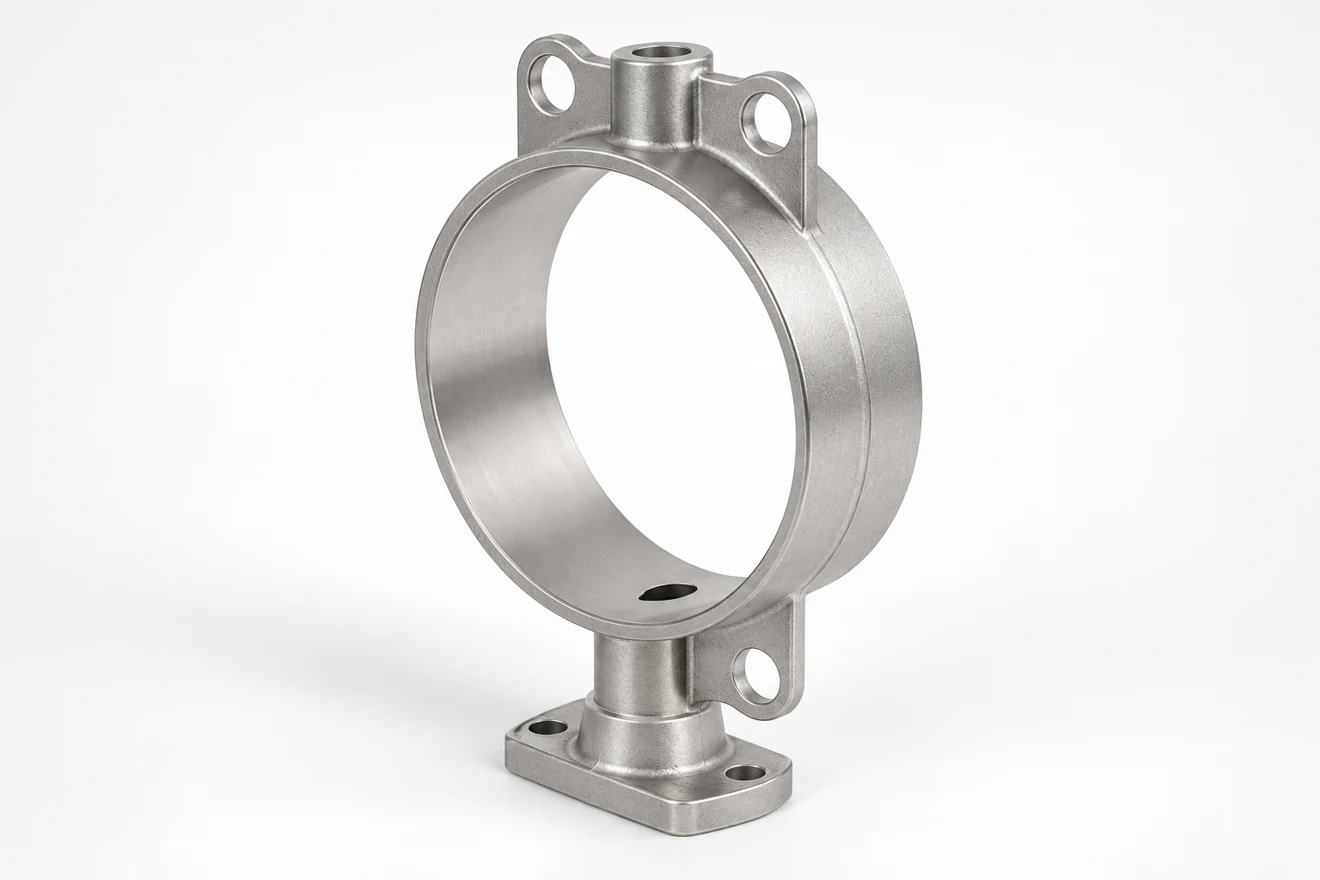
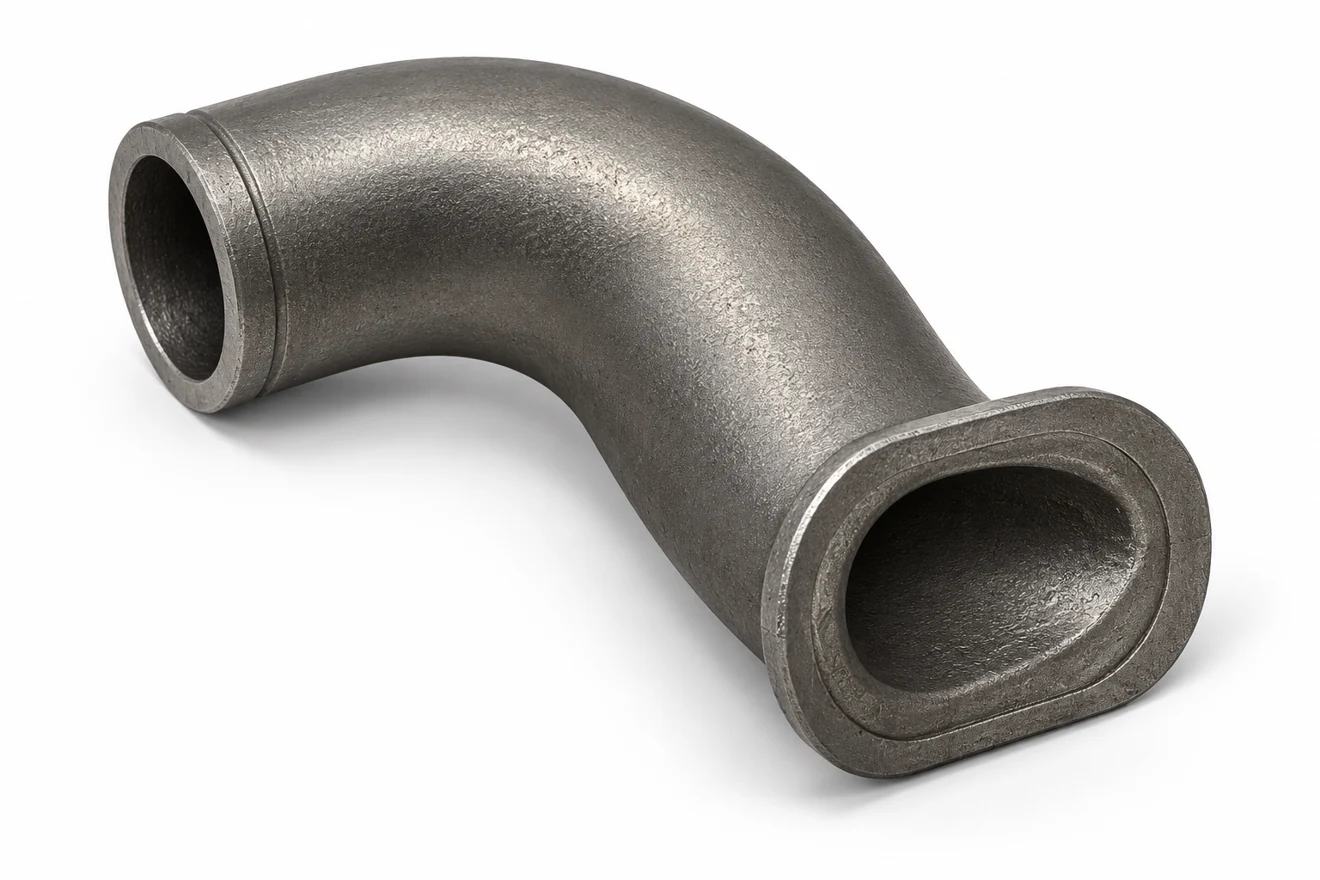
Send Relia the exact nickel-alloy specification, service conditions and component drawing for a feasibility review. We assess the proposed route, finishing access and evidence required before agreeing supply. The catalogue images here explain geometry only; they do not establish a demonstrated nickel-alloy production history or qualification for your application.
Send the special-alloy feasibility brief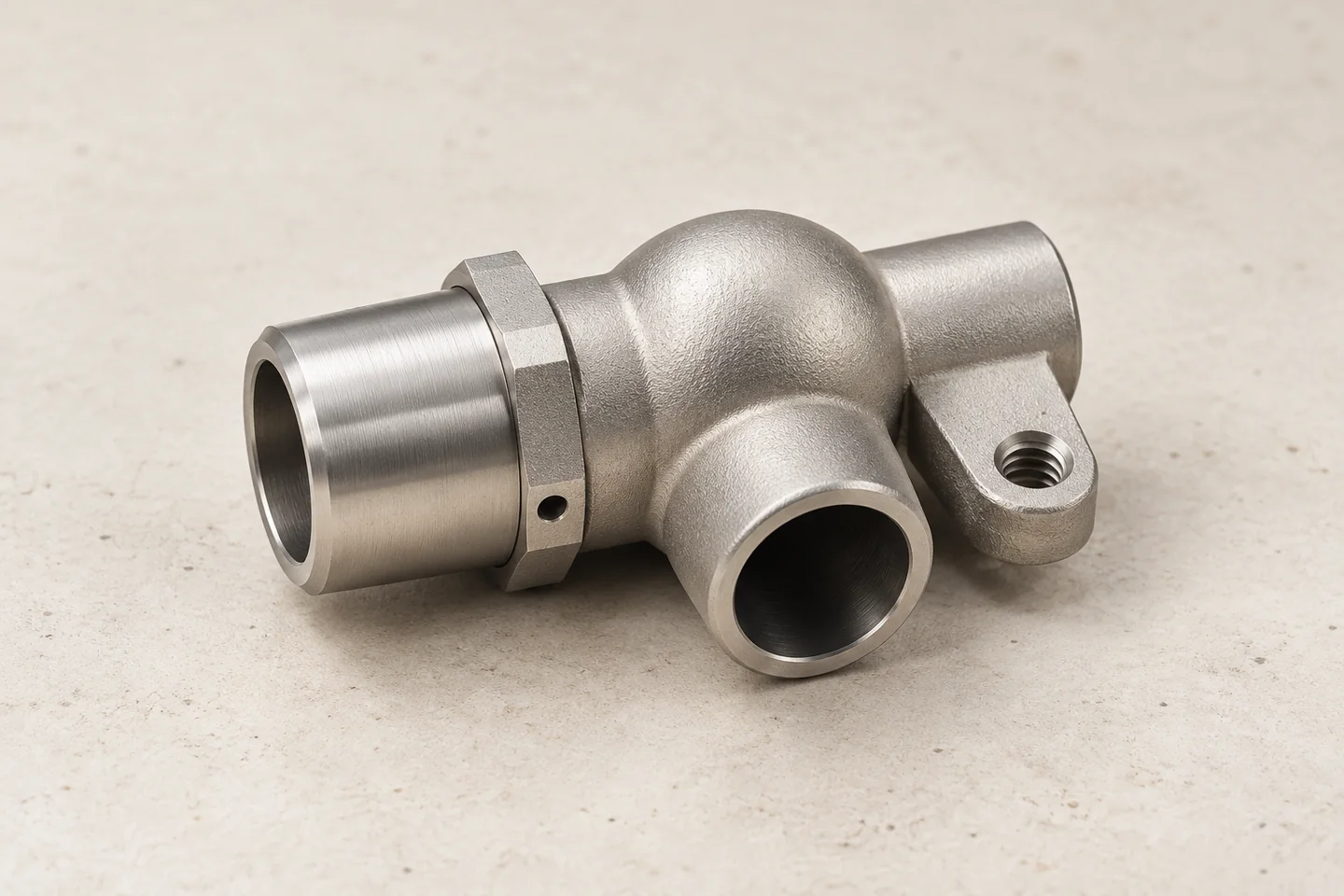
- MaterialActual cast-grade requirement and condition.
- ServiceTemperature, environment and applicable design criteria.
- FeasibilityThe manufacturing and evidence scope for this part.
The Enquiry Must Identify the Actual Material
Relia needs the specified alloy designation, product form and required condition to review a nickel-alloy project. A general superalloy or high-temperature label leaves important decisions unresolved. State whether the drawing already requires a cast material or whether a casting proposal needs approval against another product specification. That material decision comes before assigning a routine production route.
- DesignationThe actual grade and applicable specification.
- Product formCasting requirement or approved conversion proposal.
- ConditionThe thermal and delivery state required.
The Environment Gives the Specification Its Meaning
Temperature alone does not describe the service. Include the medium, exposure cycle and the relevant load or corrosion requirements. A component used in intermittent hot gas is a different enquiry from one exposed to a corrosive liquid. The technical proposal must address the actual combination rather than promise performance from the alloy-family name.
- ExposureMedium and temperature conditions.
- DutyLoads, cycles and relevant design requirements.
- AcceptanceThe evidence required by the application.
Geometry Still Controls the Manufacturing Questions
Even a specialised alloy needs a fillable section, accessible internal spaces and a workable finishing plan. Show thick junctions, thin walls and deep recesses in section. The geometry references on this page explain those questions only; their appearance does not establish nickel chemistry or a demonstrated casting history for the requested project.
- SectionsWall changes and local heavy regions.
- AccessMold-material removal and later tool reach.
- ContactsThe surfaces requiring final machining.
Material Evidence and Qualification Are Separate
A material record addresses the selected metal and condition. An application qualification concerns a defined process, design or supplier requirement. Neither can be borrowed from an unrelated alloy or component. Identify the required issuer, tests and approval boundary early so feasibility review can state what evidence is available or still needed before an order commitment.
- MaterialRelevant grade and condition records.
- ComponentThe actual design and manufactured version.
- QualificationThe applicable project approval scope.
The Machining Plan Belongs in the Initial Review
Deep bores, thin walls and restricted seating faces can make final machining as important as blank production. Reserve local stock and identify stable supports before confirming the proposed route. The final dimensions and surface requirements need to remain achievable after any material-conditioning steps specified for the project.
- ReserveStock at the required final contacts.
- ReachPractical access for the finishing operation.
- AcceptThe required dimensions in the delivered state.
A Trial Has a Defined Purpose
A feasibility sample might be intended to show geometry, local soundness or a particular finished interface. State that purpose explicitly. A shape trial cannot automatically establish long-term service performance, and a material test cannot establish assembly fit. The resulting record should say which uncertainty has actually been resolved for the requested component.
- Trial objectiveThe manufacturing question being tested.
- ResultThe applicable observation or measurement.
- Remaining scopeAny separate service or qualification evidence.
The Proposal States the Feasible Supply Boundary
The review should identify the actual manufacturing route, included operations and evidence scope before a quotation becomes a production commitment. If a material or qualification requirement is unresolved, retain that point explicitly rather than filling it with a generic capability claim. This allows you to make a useful sourcing decision from the real project status.
An unresolved material or qualification requirement remains an open item. A geometry sample does not close a separate service-performance requirement.
Use the Workflow and Document Guides for the Next Step
The linked pages explain drawing-to-production handoffs, inspection and delivery records. They support a structured feasibility enquiry without implying that a familiar stainless-component reference is already a qualified nickel-alloy production part.
Contact the Casting Team
Provide the exact alloy and product specification, component sections, service conditions and required qualification evidence. State the trial or manufacturing decision you need to resolve.
Qingdao Reliacasting Co., Ltd.
Drawing-based metal castings and CNC-finished OEM components from China.
Qingdao officeNo. 96 Shuyuan Road
Qingdao, Shandong, China
Arrange a project visit with us before travelling.
The released drawing, selected material and agreed order define the supplied component and required acceptance evidence.