
Non-Patient-Contact Medical Equipment Housing Surface and Fit Review
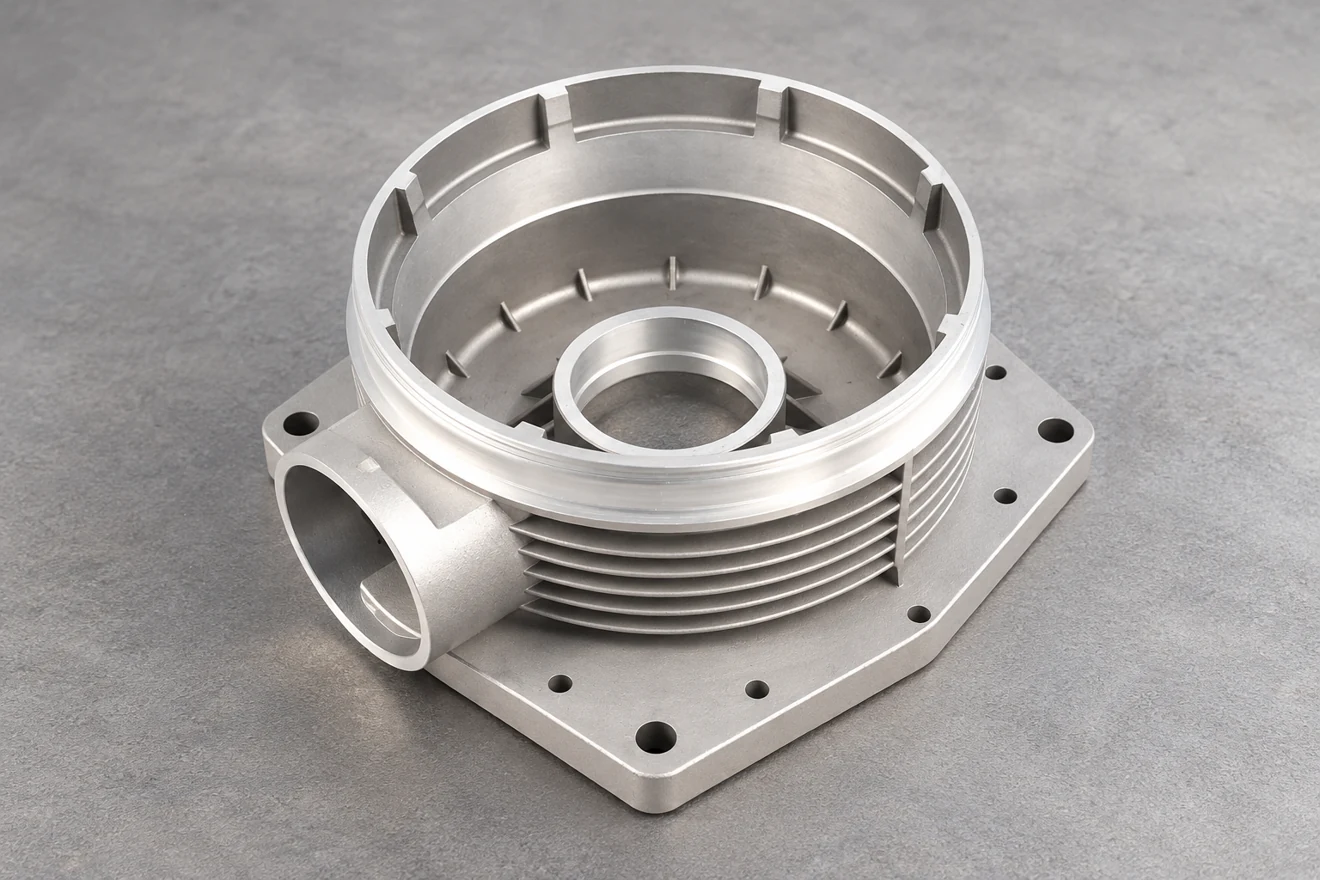
Relia manufactures custom cast-and-machined housings and supports for non-patient-contact equipment. This page helps your team define mounting fit, edge condition, cleaning exposure and finish zones before samples. We agree component drawings and inspection records for the order; equipment-level validation stays within your project’s separately defined scope.
Read the overview and page sections
We connect the enclosure geometry with the blank, CNC work and delivered condition. Your equipment team keeps control of device validation, while the housing enquiry identifies the material, finished interfaces and records needed for the part being purchased.
The Component Boundary Makes the Housing Enquiry Practical
Relia reviews the housing's mounting faces, openings, fasteners and finish zones around the equipment it must fit. Relia completes order-agreed surface treatment in its own factory and can provide the agreed key-dimensional records. Your component drawing defines those manufacturing and inspection requirements; equipment validation and any medical-device approval remain with their separately defined project scope.
Installation and Access Shape the Housing Design
Identify mounting points, enclosure clearances, access for assembly and any surfaces handled during use. Relate those features to the equipment interface. A visually neat housing does not establish that instruments, panels or service tools will fit without the actual installation information.
04 / 10Component decisions
Define the Component Boundary Before Discussing Qualification
A non-patient-contact cover and a patient-contact component are different projects. Make the role clear before choosing material, surface processing or validation requirements.
Mark each region on your component drawing. An appearance photograph does not establish cleaning validation or medical-device approval.
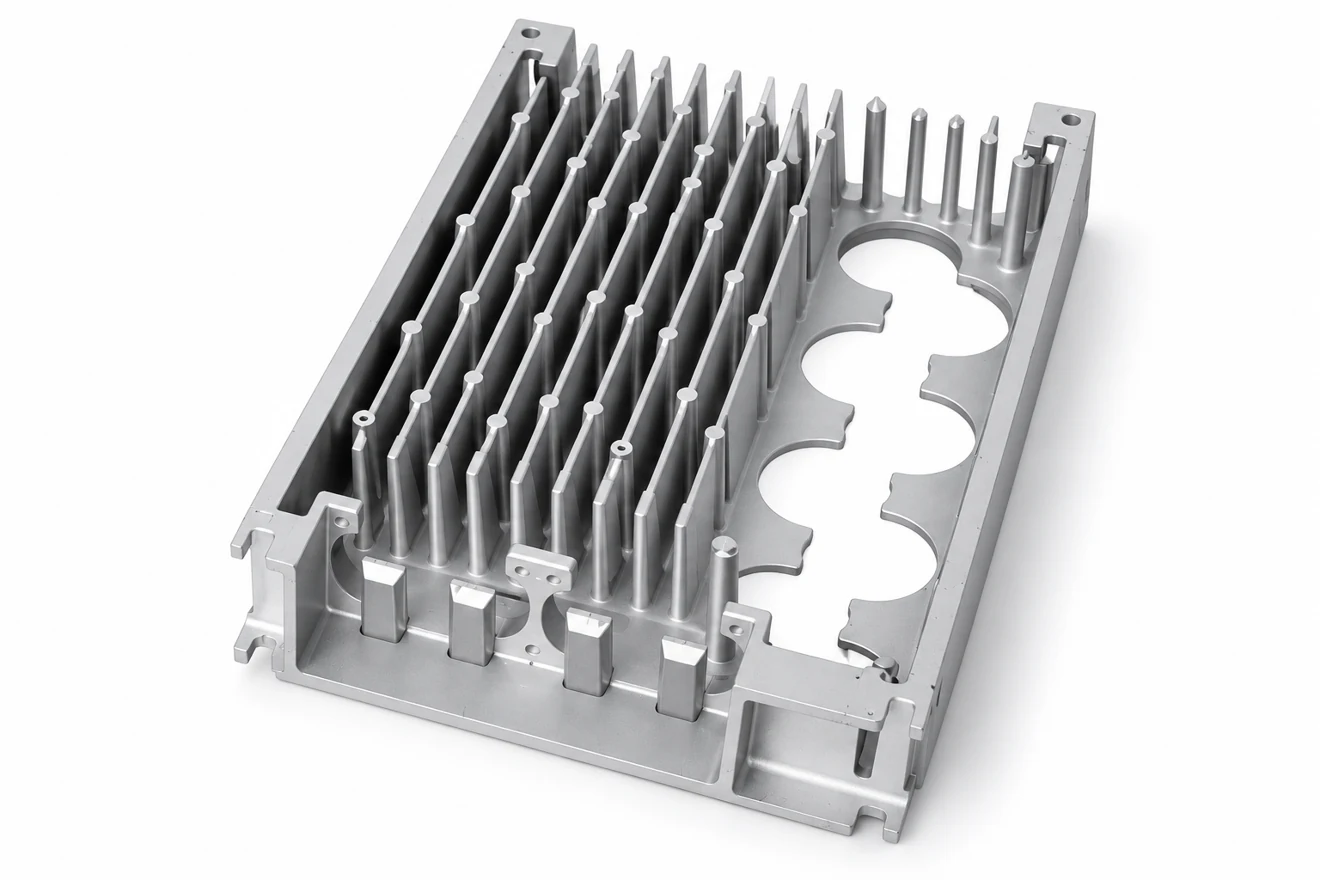
Separate Cast Walls from Machined and Finished Zones
The blank provides the enclosure form and allowances for the openings and mounting contacts that need machining.
- Use boundary
- Cast form
- Final zones
- Supplied state
- Separate cast walls from controlled interfaces
- Keep finishing and acceptance tied to component zones
Open the manufacturing route and detailed review
Separate cast walls from controlled interfaces
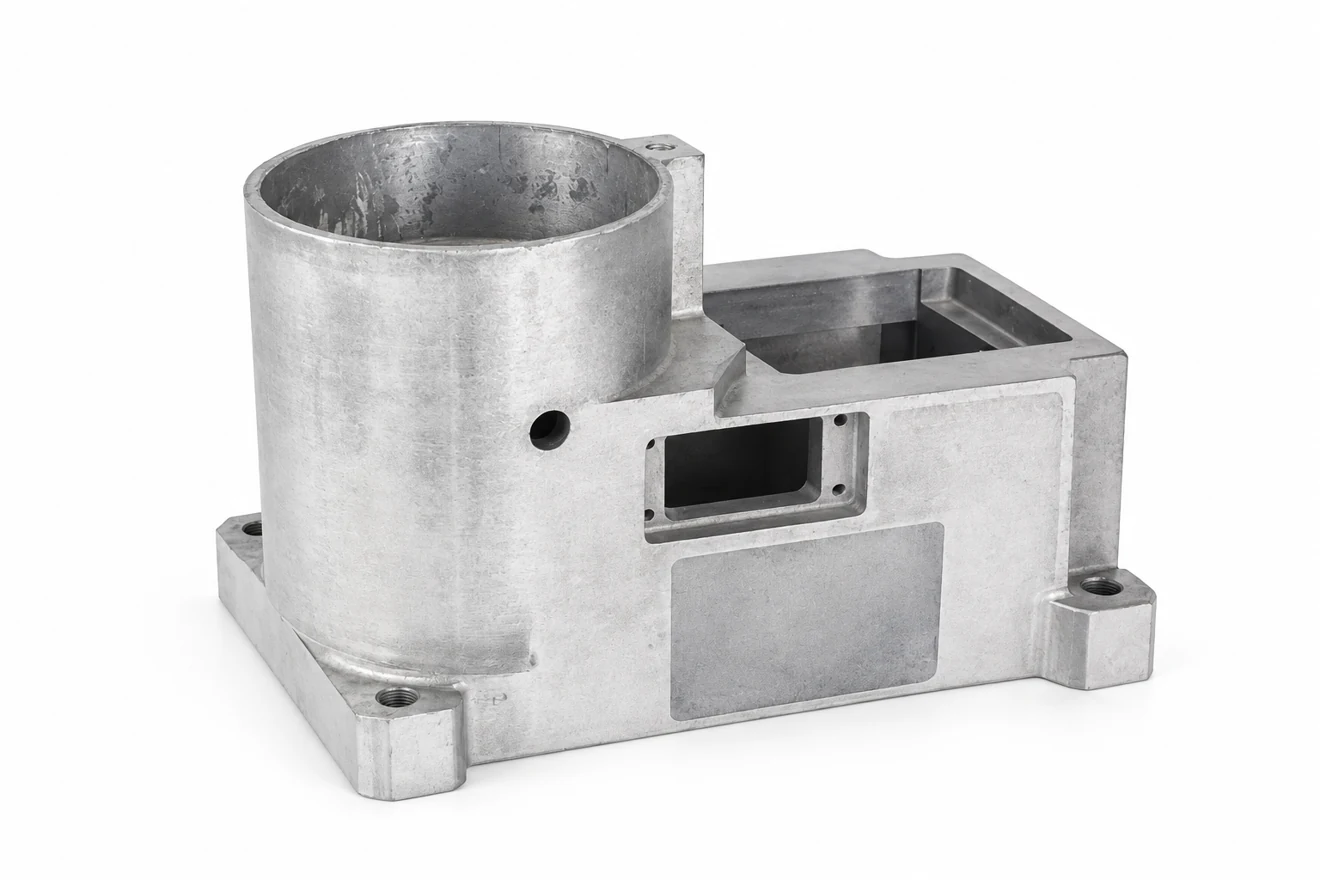
Wall changes, bosses and access windows should be considered together so tooling and fixtures can reach the specified features. A machined fit requirement need not be applied indiscriminately to every cast surface.
Keep finishing and acceptance tied to component zones
Relia's review connects final drilling, milling and any specified surface treatment with the supplied component state. Identify contacts that require masking, appearance zones that need a finish reference and openings that must stay free of burrs or residue. Acceptance then refers to that finished housing, while cleaning validation or device-level obligations remain within their separately defined scope.
Material Records Are Matched to the Order
Specify the actual material, delivered condition and evidence needed by the project. If compliance declarations or special controls apply, identify them before order acceptance. Do not substitute a catalogue industry label or an unrelated certificate for the records required for the supplied component.
07 / 10Component decisions
Keep the Supplied State Consistent with Validation
A change in finish, metal or manufacturing route may affect a validated equipment design. The project should identify changes that require review.
| Stage | Focus | Reference to retain |
|---|---|---|
| Definition | Part role, material and surface requirements | Controlled component drawing |
| Manufacture | Agreed blank and machining route | Defined final condition |
| Sample review | Assembly interfaces and specified records | Component acceptance evidence |
| Repeat supply | Revision, finish and approved changes | The authorised supplied configuration |
Final Handling Protects the Supplied State
Review protection, separation and packing for finished surfaces and openings. State any residue or packaging restrictions relevant to your requirements. Clean-looking packing is not a sterility claim; any special handling requirement needs to be included and accepted as part of the order.
Send the Details for Your Component Review
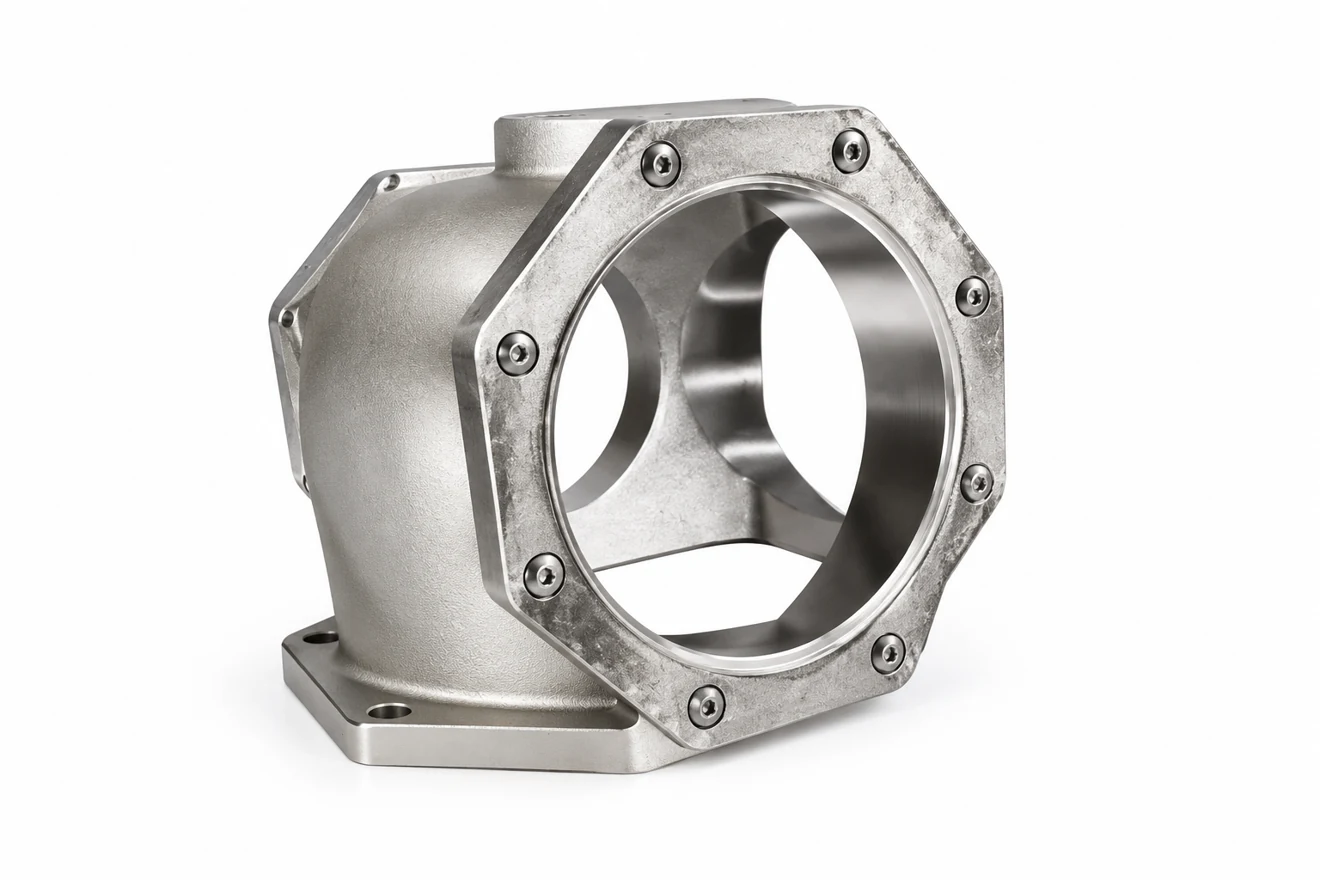
Tell us what you need to buy and the condition you need to receive. Relia Casting will review the component, manufacturing scope and requested evidence with you before an order is agreed.
- Housing drawing and non-patient-contact role
- Specified material and finish zones
- Cleaning-exposure information
- Applicable component evidence requirements
- Quantities and final handling restrictions
No. 96 Shuyuan Road, Qingdao, Shandong, China
About our component supply · Contact details and project enquiry