
Quality Documents for Your Casting Order
Relia can agree a document pack for your casting order: the selected material information, key-dimensional results and any specified special examination. Each record needs a clear part or batch reference and drawing revision. Use this guide to define the evidence your receiving team actually needs before production begins.
Discuss your component
- IdentifyPart number, revision and supplied version.
- VerifyThe records required by your purchase specification.
- ReceiveParts, labels and documents that can be reconciled.
The Order Defines the Record Package
Relia can provide applicable material information as agreed for your order, with the report items and their relation to the part or batch defined individually. Key-dimensional records are also available with the checked features and sampling frequency agreed. Your receiving decision determines which records are relevant; a generic certificate is not substituted for a requested part-specific result.
Relia can establish linked production records at the traceability depth agreed with you. State which drawing revisions, parts or batches and production stages need to be connected before the work begins. The resulting package then has a clear scope rather than implying that all reports and all production links are included by default.
- QuotationName mandatory records and any required issuer.
- ProductionMaintain the relevant part and batch references.
- DeliverySupply the agreed package for receiving review.
One Revision Connects the Component and the Report
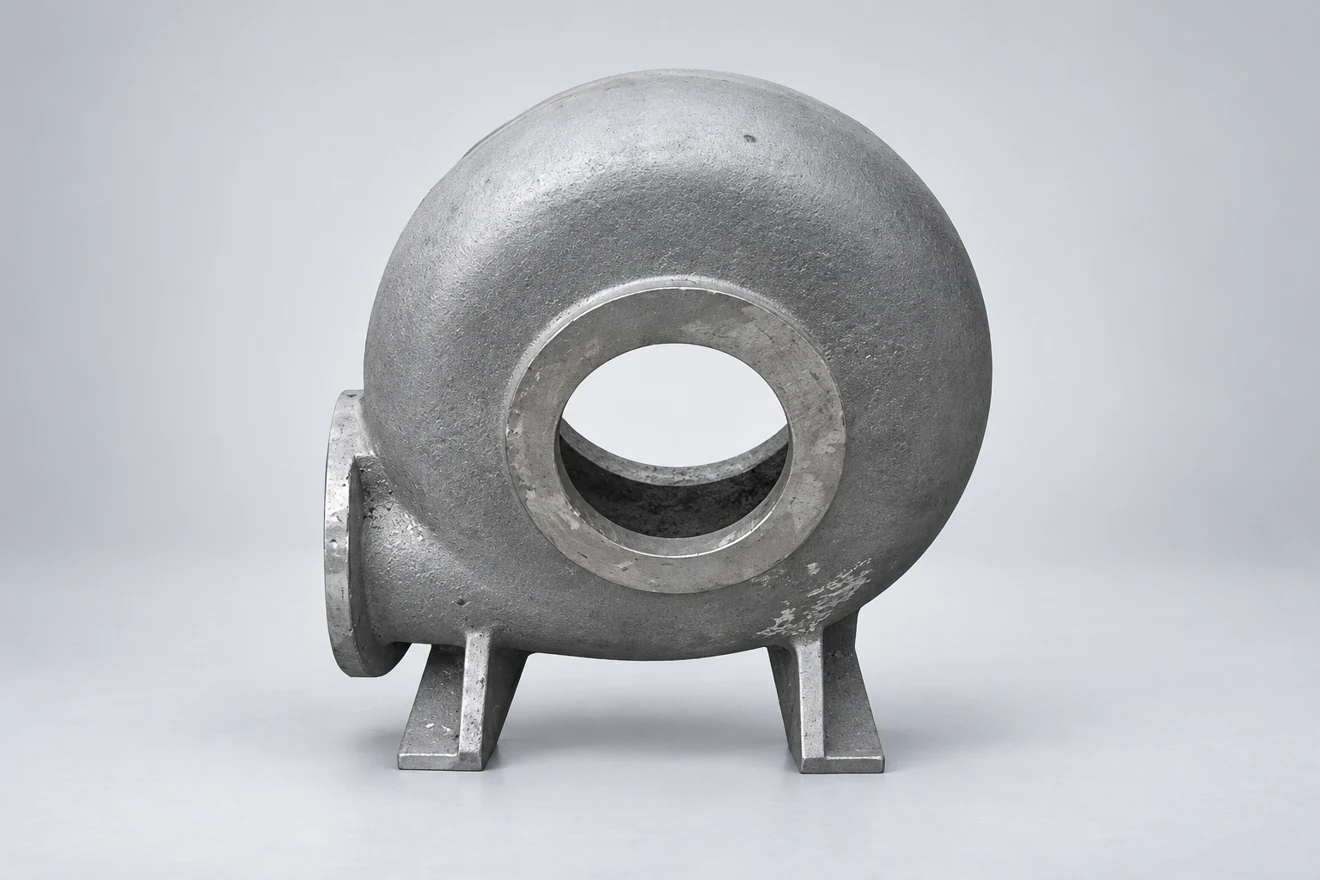
An unchanged-looking housing may have a revised bore limit, a different seating face or a new material condition. Its previous report may no longer describe the delivered part. The document package identifies the controlling drawing revision and the scope of any accepted deviation. A sample result remains attached to that sample configuration rather than becoming unrestricted approval of later versions.
- DrawingThe requirement that was actually released.
- ComponentThe version manufactured and delivered.
- ReportResults describing that version and scope.
Material Identity Includes Grade and Condition
A product catalogue may list several metals or alternative grades. The order selects one material specification and delivered condition for each component. The relevant material record should be linked to the supplied part through the agreed heat, lot or production identifier. Confirm that relationship and the requested record format early; a generic alloy list is not a material result for your shipment.
- Requirement
- Selected cast grade, product specification and delivered condition.
- Identifier
- The agreed heat, lot or part reference connecting supply and record.
- Evidence
- The requested material record, with the actual reported scope.
A Dimensional Report Needs More Than a Pass Mark
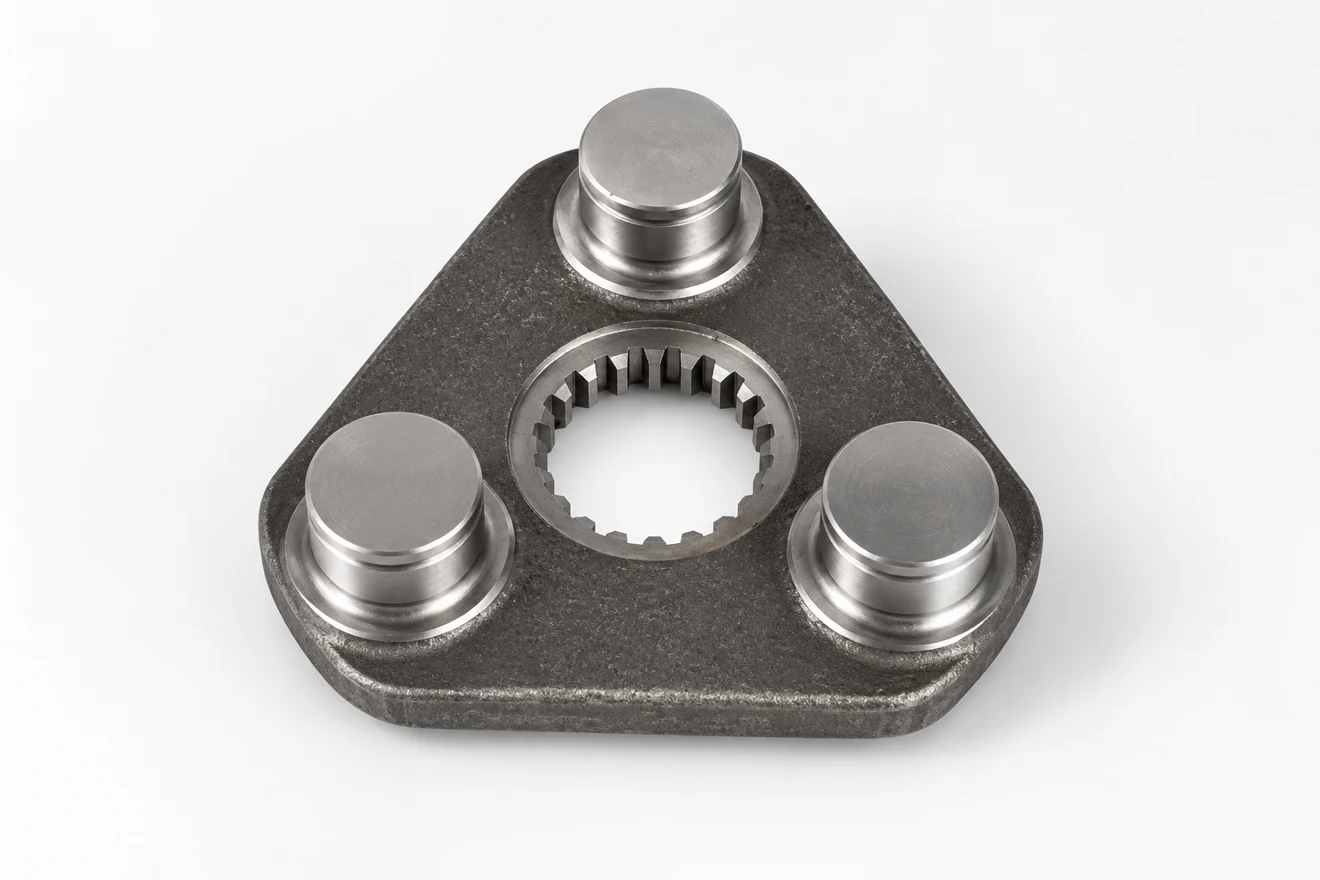
For a carrier with a central bore and several posts, individual sizes do not describe the complete locating relationship. The useful record identifies the relevant drawing characteristics, limits and results, with the datum setup where it matters. A clear characteristic reference lets your receiving engineer see which contact was measured instead of reconstructing the check from an unlabelled table.
- CharacteristicThe hole, post, face or relationship checked.
- LimitThe drawing requirement and units.
- ResultThe reported value in the agreed component state.
Special Reports Follow Their Own Acceptance Scope
A material test, non-destructive examination and leakage test are different records. Each needs the applicable method, coverage, component condition and acceptance basis. Where special examination is required, agree the regions and reporting requirement before production. This keeps a report meaningful for the actual part rather than treating the name of a test as universal evidence of fitness.
- Material propertiesThe required test basis and delivered condition.
- NDTMethod, zones, stage and acceptance criteria.
- FunctionA defined article, test conditions and result limit.
Supplier Qualifications Have a Defined Holder and Scope
A quality-system document concerns its named organisation, covered activities and effective status. It does not establish the material, dimensions or application approval of every product. Only confirmed, current and applicable qualifications should support a project claim. Relia keeps that supplier review separate from the practical records used to accept the ordered component.
- HolderThe organisation and site actually covered.
- ScopeThe activities and effective status relevant to the order.
- Part evidenceSeparate results for the delivered component.
Repeat Releases Keep Their Own Identity
A first-article pack records a development milestone; routine production records address the current release and agreed sampling. A later tooling, material or drawing change should identify which acceptance evidence needs review. The delivery package connects shipment identifiers with the appropriate records, allowing your team to distinguish a repeat order from a modified configuration.
- Approved basisSample, revision and any released deviations.
- Current releasePart quantity, batch and applicable checks.
- Change recordThe features or conditions requiring renewed review.
Build the Evidence Pack Around Your Receiving Decision
Choose the inspection guide for the feature-level checking plan or the batch-record guide for shipment identification. Use the sample page when the open question is first-article approval. These supporting pages keep supplier qualification, material identity and dimensional acceptance from being blended into one vague certificate claim.
Contact the Casting Team
List the documents your receiving team requires, the part and drawing revision, and any mandatory test or issuer requirements. We will connect that scope to the quotation.
Qingdao Reliacasting Co., Ltd.
Drawing-based metal castings and CNC-finished OEM components from China.
Qingdao officeNo. 96 Shuyuan Road
Qingdao, Shandong, China
Arrange a project visit with us before travelling.
The released drawing, selected material and agreed order define the supplied component and required acceptance evidence.