
Metal Housings for Non-Patient-Contact Medical Equipment
Relia reviews custom metal housings and brackets for non-patient-contact equipment from the drawing through CNC-finished mounting contacts. We define the actual component role, edge condition and supplied surface state. Any medical-device validation, sterilization or application qualification remains a separate requirement for the project.
Review the housing and its equipment interfaces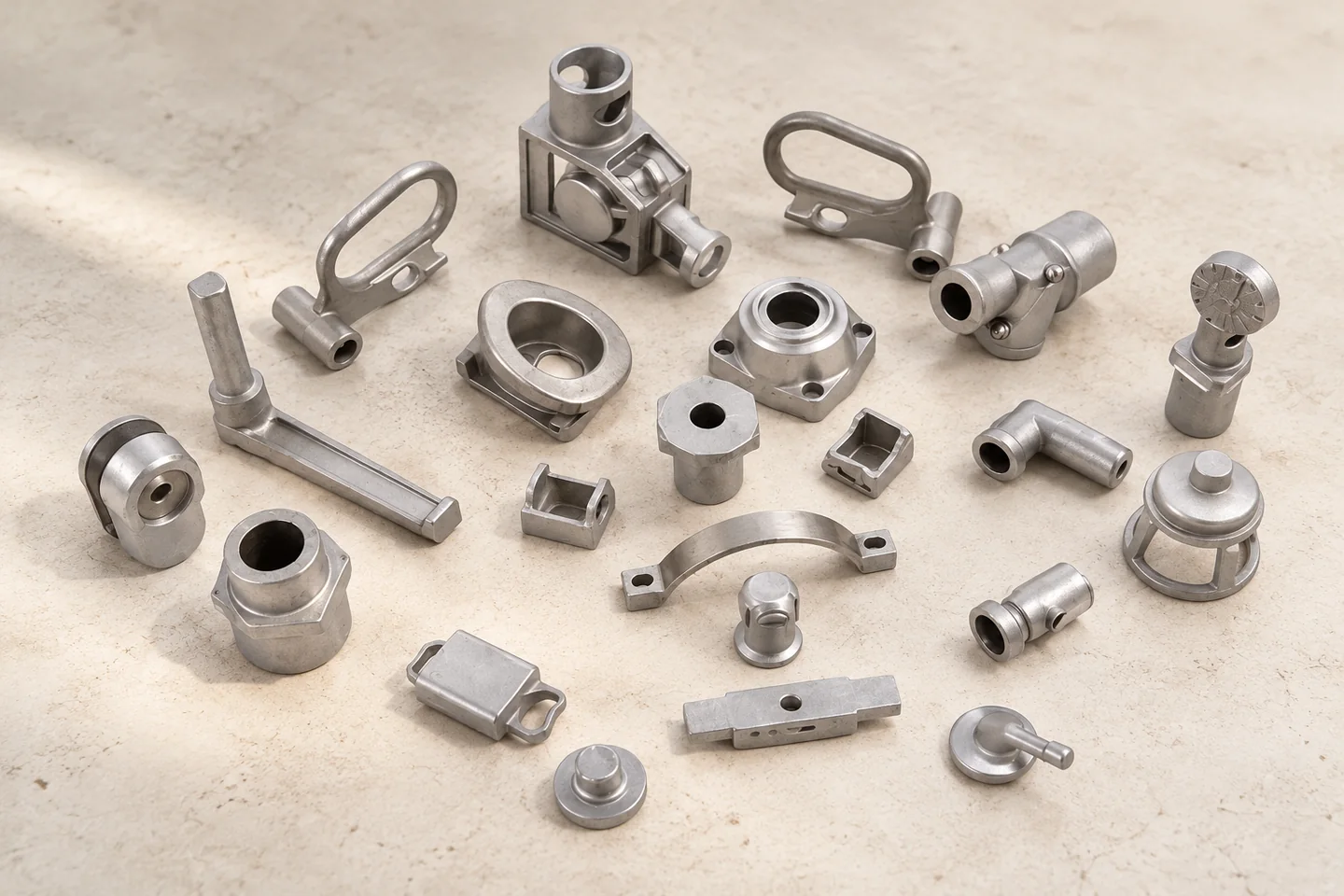
- RoleThe part’s actual position in the equipment.
- FitMounting, movement and access interfaces.
- ConditionEdges, surface and handling acceptance.
The Equipment Role Defines the Manufacturing Task
Relia’s mixed-application casting and CNC catalogue includes brackets, flanged bodies and housing forms. Identify the selected component and whether it supports a mechanism, attaches an enclosure or provides access. We review the actual drawing and supplied scope. A catalogue application list does not turn every metal part into a validated medical device component.
- SupportThe contact carrying or locating the mechanism.
- EncloseThe housing boundary and access requirements.
- MountThe fixing and seating geometry.
The Mounting Reference Leads the Finished Geometry
A bracket’s mounting face and bore must locate the adjoining part in the intended direction. A cover may instead depend on a rim and fixing pattern. Identify the functional datum and the contacts requiring machining. Separate those working features from cast clearance areas so the finishing effort addresses installation rather than a general polished appearance.
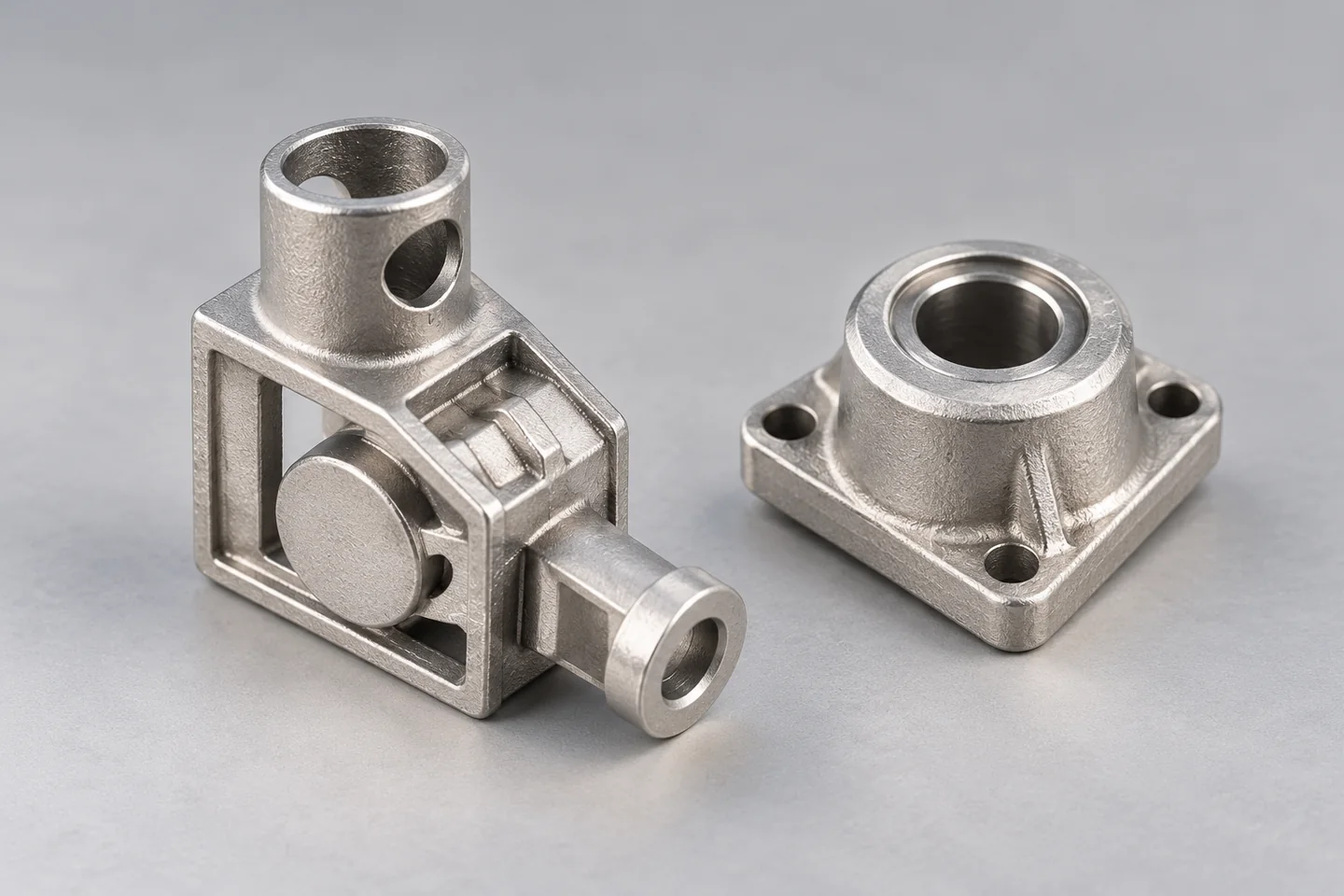
- LocateThe actual installed datum.
- FinishThe bores, slots and faces used by the equipment.
- ClearNonmating spaces with their own limits.
Sections and Access Make the Blank Practical
A recess, narrow bridge or thin mounting arm affects forming, cleaning and later tool reach. Review the component in section before confirming the blank route. Reserve material at the required cuts and stable support regions for machining. The proposed casting and the finished component remain separate definitions connected by a practical operation plan.
- FormWalls, recesses and section transitions.
- ReachCleanup and cutter access.
- SupportStock and stable fixture contacts.
The Surface Requirement Describes the Actual Use
A visible enclosure, a fitted contact and a surface exposed to a specified cleaning procedure need different requirements. Define the finish, edge condition and any cleaning expectations at the actual region. Brightness does not establish cleanability, biocompatibility or sterility. Any special requirement must be included in the agreed supply and validation scope rather than inferred from the word medical.
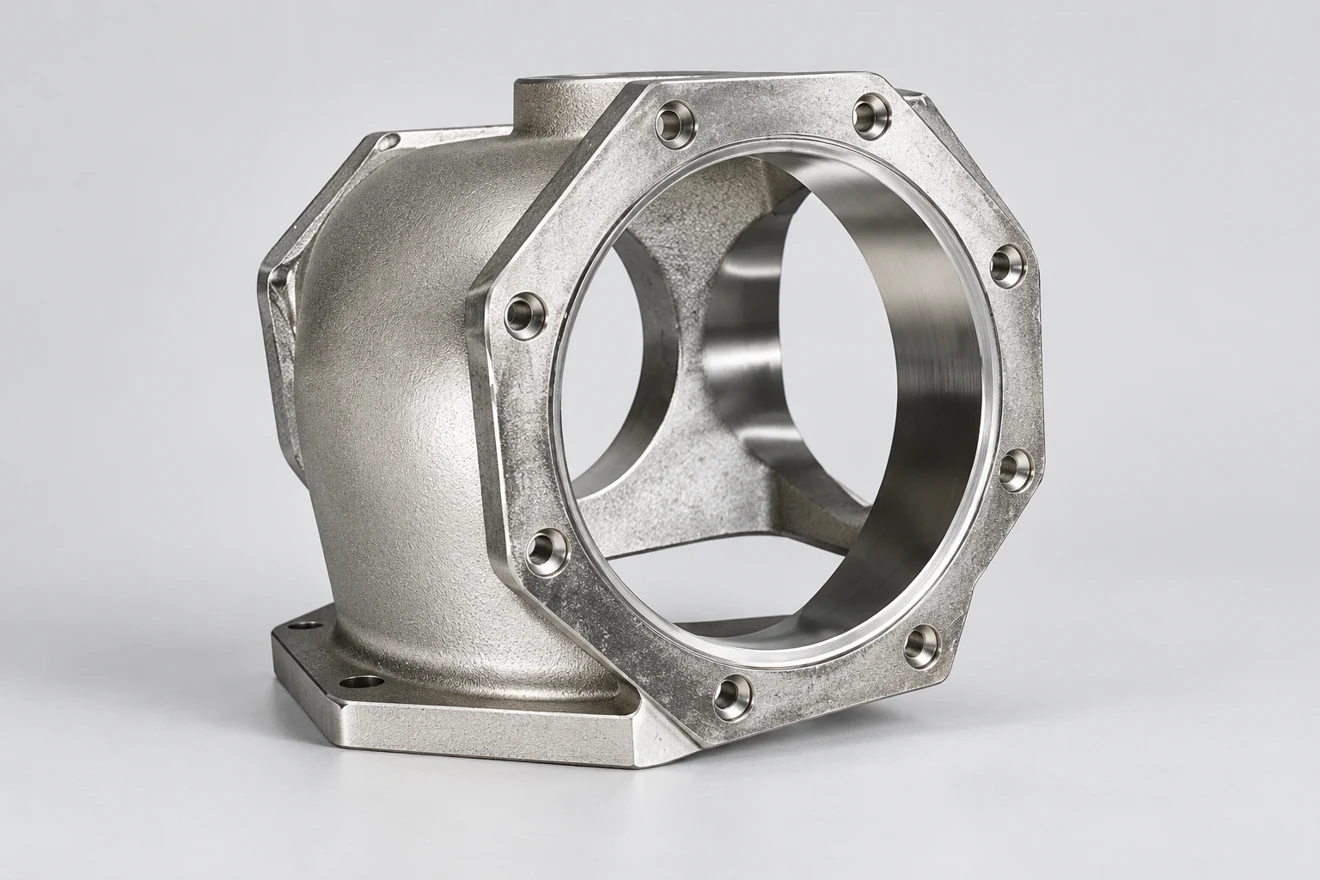
Define appearance, permitted texture and the actual finishing boundary.
Specify fit, moving clearance and the dimensions machining must preserve.
State the actual cleaning procedure and required delivered condition.
A bright surface does not establish cleanability, biocompatibility or sterility. Identify any special requirement in the agreed supply and validation scope.
Edges and Openings Need Local Finishing Limits
A split mounting frame or a slotted bracket can have exposed edges close to moving parts, cables or assembly hands. Identify the actual edge-break limit and the areas where burrs are unacceptable. A broad instruction to deburr should not erase a locating shoulder or turn an important edge into an uncontrolled radius.
- LocateThe edge or opening relevant to use.
- FinishThe permitted break and burr condition.
- PreserveContacts and dimensions that must remain intact.
Samples Connect Fit with the Supplied Surface State
The useful sample review checks installation contacts, clearance and the specified finish on an identified material and revision. Relia agrees those criteria before the sample, provides agreed key-dimensional records per order and arranges batch production after your approval. Device-level validation remains the actual project’s separate responsibility and evidence scope.
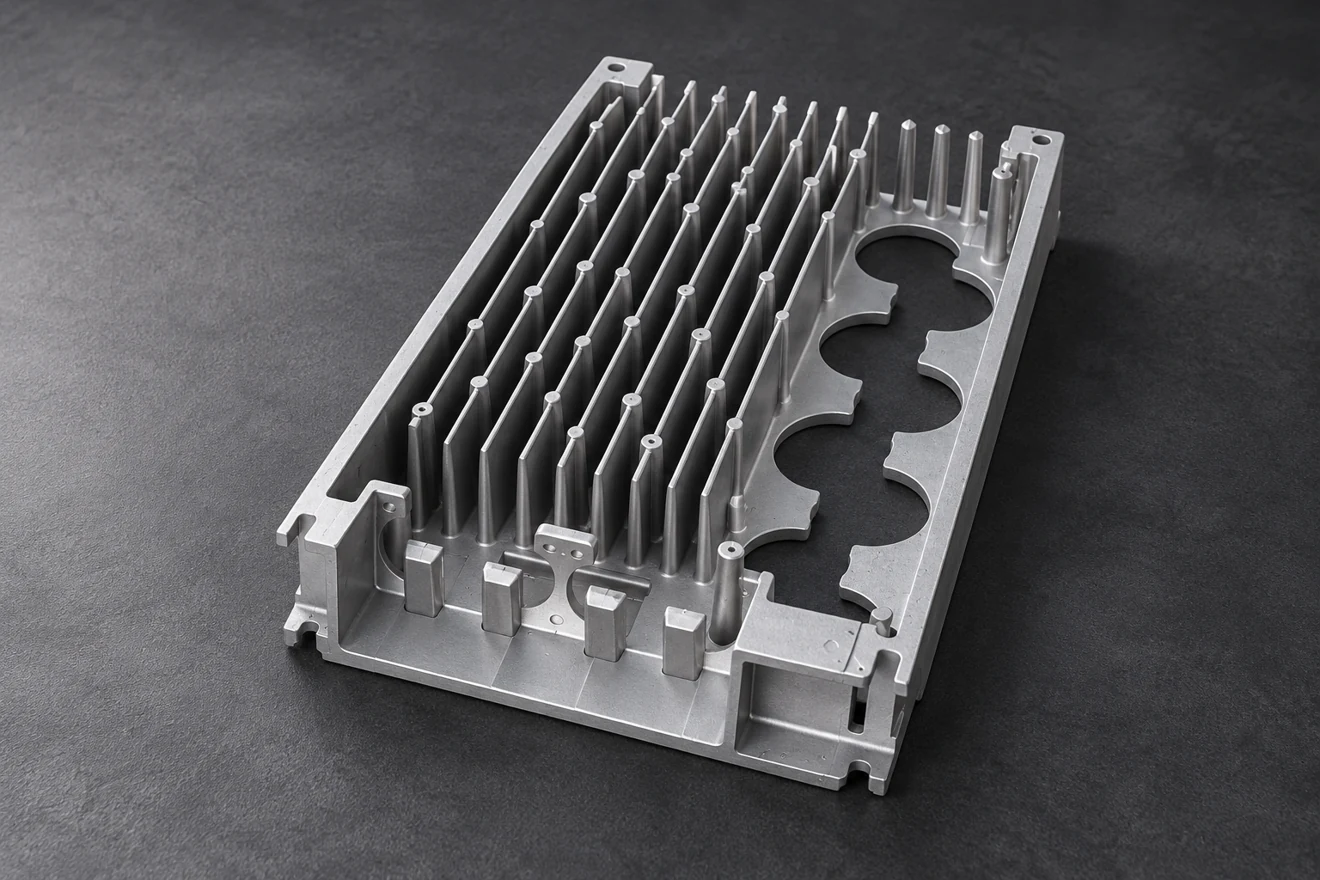
- IdentityMaterial, revision and supplied version.
- FitMounting relationship and required clearances.
- ConditionEdges and surfaces in the accepted delivery state.
Handling Preserves the Accepted Component
Protect machined contacts and finished surfaces from impact or contamination during packing. State any special cleaning or packaging requirement explicitly; do not assume sterile supply from a metal-component order. Keep part numbers and revisions identifiable so receiving can match the actual housing or support to its approved reference.
- ProtectThe finished contacts and appearance regions.
- SpecifyAny special cleaning or packing scope.
- IdentifyThe ordered part and approved revision.
Follow the Housing, Edge and Evidence Guides
The focused non-patient-contact housing page develops the component procurement brief. Edge acceptance, CNC planning and quality-document guides answer the next manufacturing questions. This gives the customer a clear route from equipment role to an actual order definition.
Contact the Casting Team
Identify the component’s equipment role, material and finished interfaces. Send the drawing, quantities and actual surface, edge, cleaning and validation requirements.
Qingdao Reliacasting Co., Ltd.
Drawing-based metal castings and CNC-finished OEM components from China.
Qingdao officeNo. 96 Shuyuan Road
Qingdao, Shandong, China
Arrange a project visit with us before travelling.
The released drawing, selected material and agreed order define the supplied component and required acceptance evidence.