
Keep Repeat Castings Connected to an Approved Reference
A repeat casting order should preserve the requirement behind the accepted part. Relia can review the next order against the relevant drawing, material, delivery condition and any changes. Use this guide to connect the manufacturing reference with receiving checks and a clear follow-up discussion.
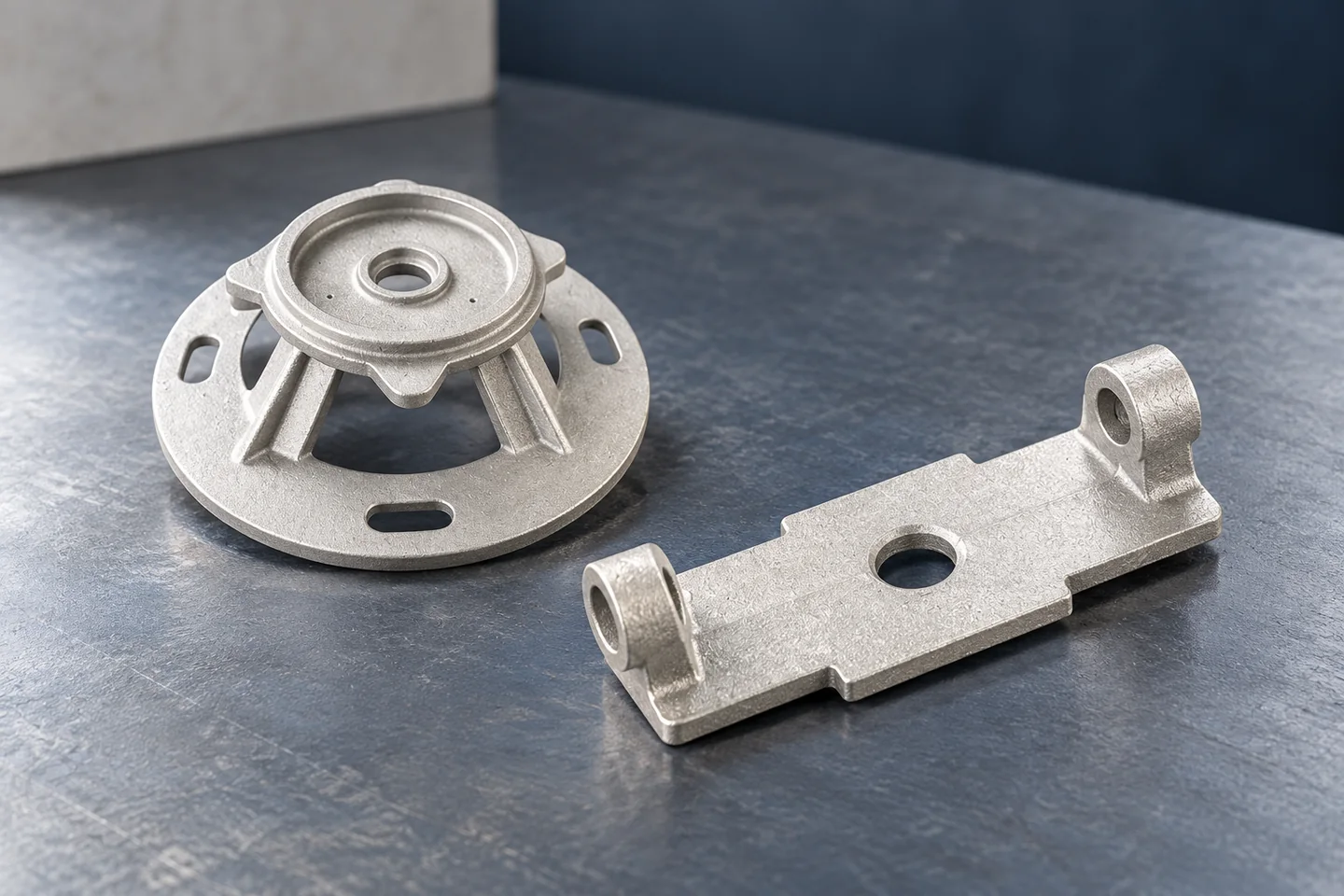
- Repeat reference
- Drawing, metal, supplied condition and acceptance
- Change review
- Tooling, process, finish or material changes
- Order identity
- Part, revision and agreed batch information
Repeat Supply Starts with the Requirement That Was Accepted
Relia connects a repeat enquiry to the actual approved reference rather than assuming the last catalogue description defines the next order. The discussion should identify the drawing and material revision, sample decisions and any agreed inspection records. If a manufacturing input changes, Relia can review the effect on the component and the next approval step before treating the order as a simple repeat.
Geometry
Approved drawing and revision
Material
Grade, condition and agreed treatment
Acceptance
Sample decisions and required records
Repeat the Requirement Behind the Interface
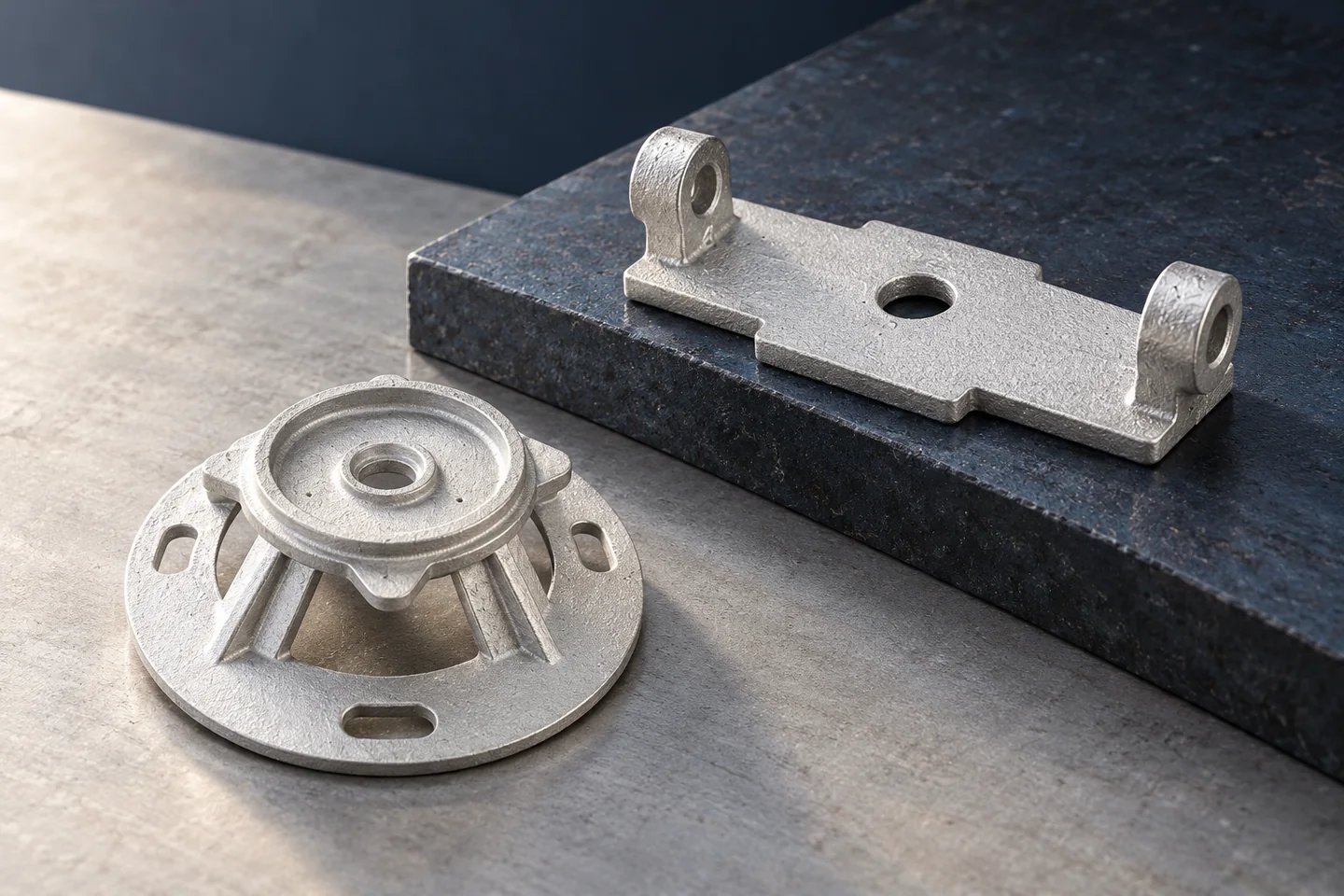
An important mounting hole is more than a visible opening. Its size, location and relationship to the mating part explain what must be maintained. We keep those requirements explicit when discussing repeat supply, particularly when the component has several closely related versions.
A Revision Needs a Visible Change Description
A revised file should identify the affected feature and the point at which it applies. We discuss the implications for tooling, samples and acceptance rather than assuming the new file changes everything or nothing. That makes the transition easier for both purchasing and engineering to follow.
What changes
Feature, material or supplied condition
What it affects
Tooling, operations and verification
When it applies
The agreed order or revision boundary
Carry the Reference Through Each Repeated Operation
Repeat production is a chain of related requirements. The appropriate records and change controls depend on the component and order rather than one universal traceability promise.
- 01Order review
- 02Tooling and route
- 03Checks and identification
- 04Receiving and issues
| Production stage | Operation and purpose | Control to agree |
|---|---|---|
| Order review | Identify the accepted part definition and new demand. | Revision, quantity, material condition and acceptance scope. |
| Tooling and route | Review the proposed pattern, mold, treatment and machining setup. | Any change that may affect the accepted features. |
| Checks and identification | Agree results and identifiers needed for the supplied order. | Links between the part, records and requested batch information. |
| Receiving and issues | Use the same reference to assess delivery or a reported problem. | Affected quantity, drawing reference, observations and supporting evidence. |
Similar Parts Need Separate References
Two components can share an overall shape and still have different bores, material requests or mounting details. We keep each order tied to its own reference. Where you manage related versions, a clear comparison of the changed features is more useful than distinguishing them only by a photograph.
Changes Can Affect the Next Approval Step
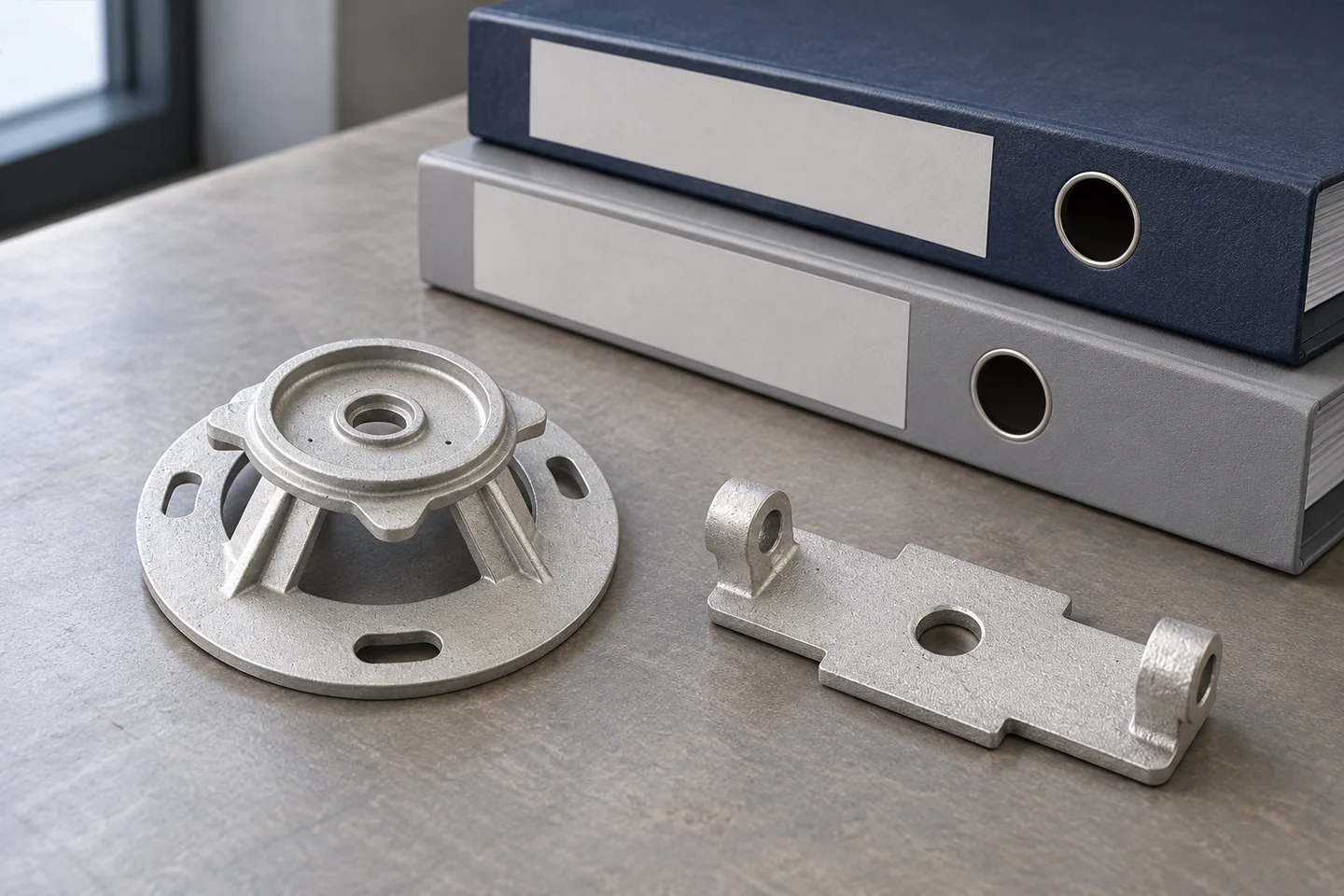
A design, material or route change may require a further sample or another agreed check. We discuss that decision against the affected requirement. Keeping the reason visible helps your team decide which evidence is needed again without automatically repeating every step or skipping a relevant validation.
Identify
The requirement affected by the change
Review
The evidence needed to assess its effect
Approve
The agreed basis for subsequent supply
Packing Information Supports the Receiving Team
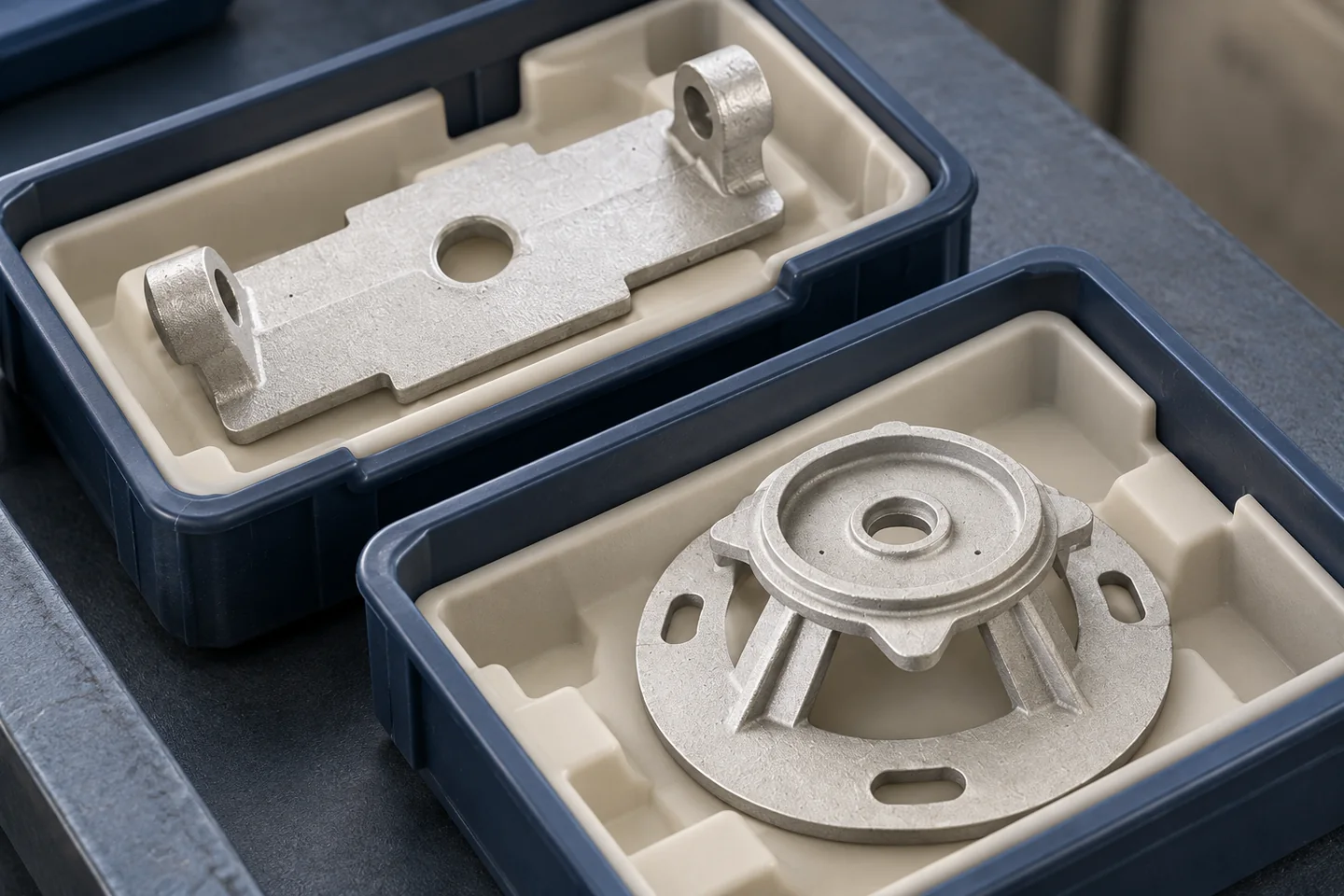
Your receiving team needs to recognize the correct part and version without reopening the whole project discussion. Tell us the identification and protection requirements that matter to your workflow. We can include the agreed arrangement in the supply scope alongside the component and its records.
A Clear Issue Report Starts with the Supplied Reference
If a component needs review, identify the part, revision and relevant supply reference, then describe the feature and observed issue. Photos and measurement context make that conversation more useful. Any resolution follows the actual evidence and agreed order terms, without assuming a universal remedy.
Identity
Part, version and available supply reference
Observation
Feature, issue and affected quantity
Evidence
Photos, results and measurement context
Align the Next Order Before Release
Send the approved reference set, required quantity and the changes since the previous discussion. Add the records and identification your team expects with delivery. We can then focus the repeat-order proposal on a clear and current requirement.
A useful first message
- Previous part and current drawing revision
- Accepted material and delivery condition
- Changes or issues to be reviewed
- Next order quantity and records needed
The email link opens an editable draft. Share the information you have and identify any open points.
Relia Casting · Project Contact[email protected]Phone: +86 185 6176 2631WhatsApp: +1 404 203 0971Qingdao office: No. 96 Shuyuan Road, Qingdao, Shandong, ChinaRelia Casting homeMore relevant component and technical pages
Product illustrations explain catalogue-based geometry. The agreed drawing, material specification and order define the supplied component. Manufacturing and project acceptance requirements are reviewed for the actual part.