
The Casting-to-CNC Production Workflow
Relia makes drawing-based castings and CNC-finished components in China. For your housing, bracket or ported body, we connect the cast blank, local machining stock and final assembly references. Use this workflow to define who supplies each stage and what must be accepted before the next operation.
Discuss your component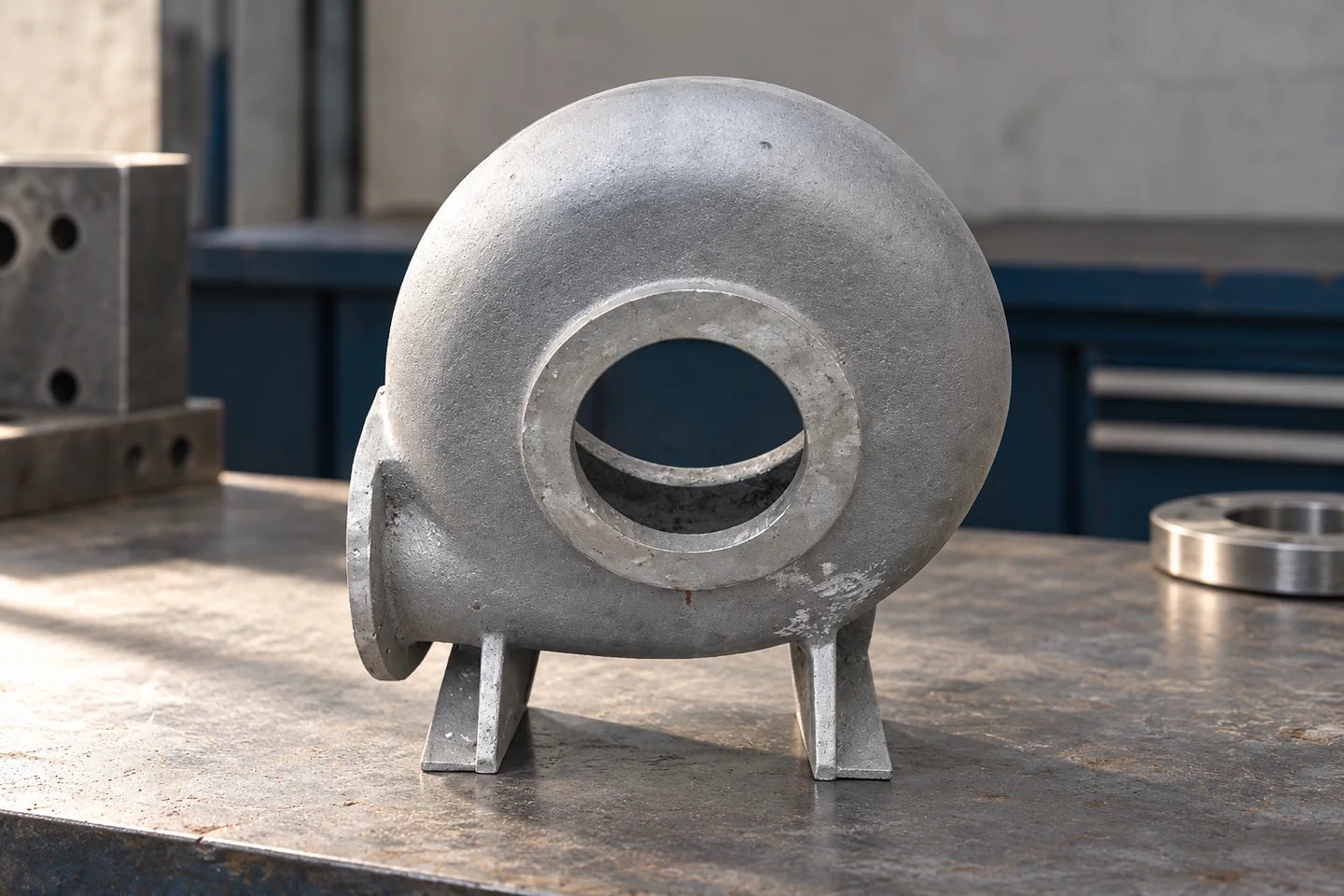
- DrawingPart identity, material and finished requirements.
- ProductionTooling, casting, treatment and CNC handoffs.
- ReleaseApproved sample and order-linked acceptance.
The Project Starts with a Controlled Drawing
Relia reviews the current drawing, model and material requirement together. A STEP or IGES model describes the shape; the drawing adds tolerances, surface requirements and the references that locate the part in your machine. Where they disagree, the discrepancy is resolved before tooling or production release. The agreed scope also states whether we supply the blank, machining only, or the complete finished component.
- IdentifyPart number, revision, units and quantity.
- ResolveModel, drawing and written requirements.
- ReleaseThe definition used for tooling and quotation.
The Casting Drawing Reserves the Finished Interfaces
On a ribbed housing, the mold forms the walls and side regions while later cuts create the bore, rim or base. Stock is therefore assigned locally to the surfaces that require machining. Adding material everywhere increases metal and cutting effort without solving an offset cavity or a poor locating surface. The blank review checks whether the planned first setup can reach every finished feature without breaking into the required wall.
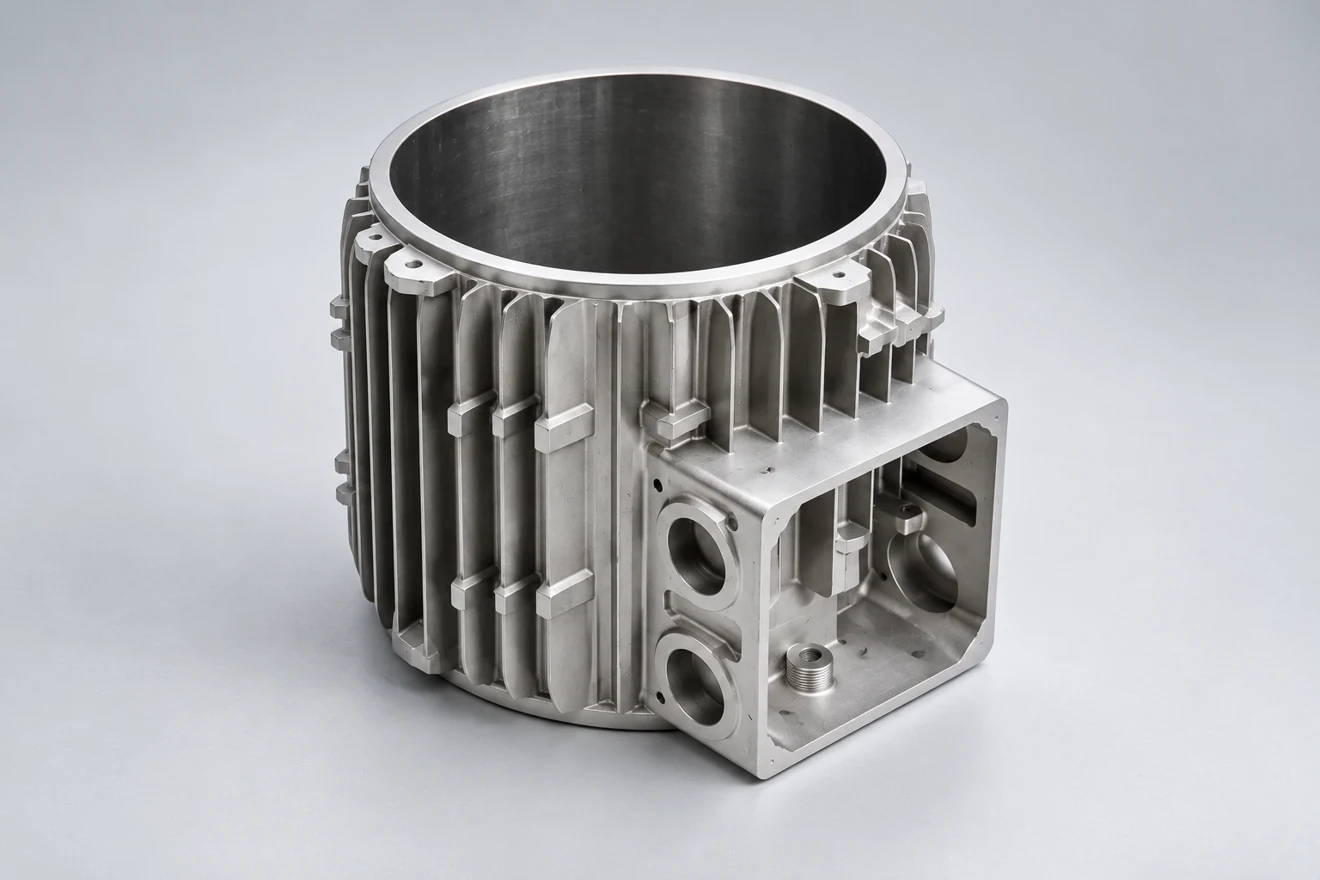
- Cast outlineWalls, ribs, openings and allowed draft.
- Local stockMaterial reserved at the specified cuts.
- Finished modelThe accepted bores, faces and hole relationships.
Tooling Turns the Design into a Moldable Shape
The tooling review considers pattern withdrawal, parting location and internal geometry for the chosen route. A core must be supported during molding and pouring, then removed through an accessible path. Investment patterns and foam patterns introduce different handling and cleanup questions. A new boss, undercut or passage can change this plan even when the outer envelope stays the same, so tooling approval follows the actual released geometry.
- FormAgree the pattern arrangement and parting direction.
- SupportLocate the core or expendable pattern so the planned section remains.
- RemoveKeep a practical access path for sand, shell and gate cleanup.
Release the tooling against the accepted geometry. A changed boss, undercut or passage returns to this review before the revised part enters production.
Casting Cleanup Produces a Usable Starting Blank
After solidification, mold material and gates are removed by operations appropriate to the alloy and shape. The important output is more than a tidy exterior: passages must be accessible for the agreed cleaning, gate regions must respect drawing limits and stock must remain at the later cuts. A first-off blank review can identify a displaced core or an incomplete cleanup surface before further value is added.
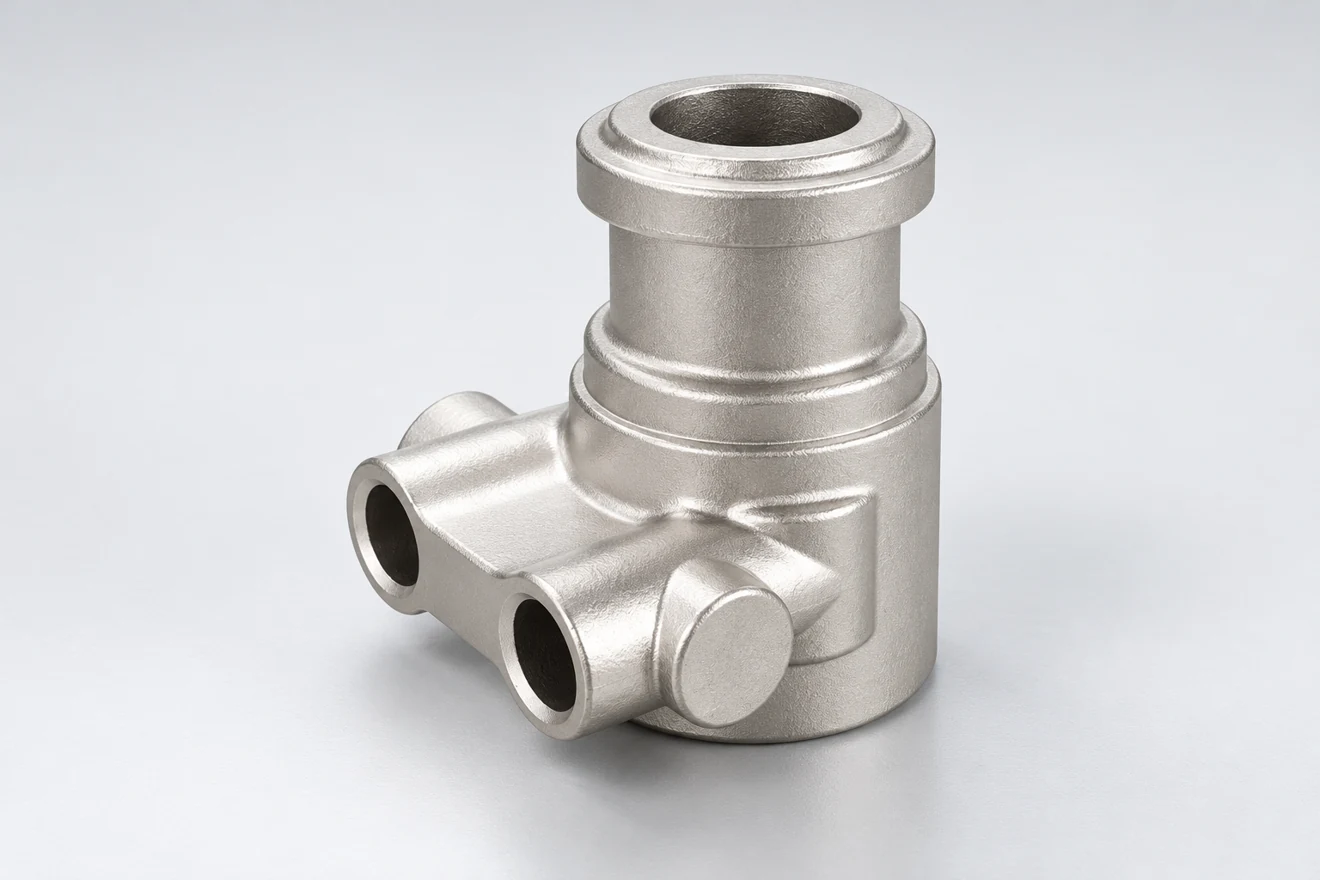
- SeparateRemove gates within permitted regions.
- CleanReach the relevant exterior and internal spaces.
- ReviewCheck stock and blank geometry before CNC.
Thermal and Surface Operations Have a Defined Place
Relia carries out order-agreed heat treatment, surface treatment and non-destructive testing in its own factory. Their position in the route depends on the actual material and requirement. Treatment may precede final cutting where it changes shape or condition; coating may need masking at a fit. The route records which dimensions are accepted after these operations, so a pre-treatment sample is not confused with the final delivered state.
- Material stateThe grade and required treatment condition.
- Dimensional effectStock or final cuts after affecting operations.
- Surface boundaryCoated, masked and protected contacts.
The First Setup Establishes the Manufacturing References
A rough casting is not an ideal finished datum. The fixture must locate and support the real blank without pulling a thin wall into a temporary shape. The first operation creates the reference used by later machining; subsequent setups carry that reference into related bores and mounting faces. We review cutter access, clamping and measuring access together rather than choosing each independently.
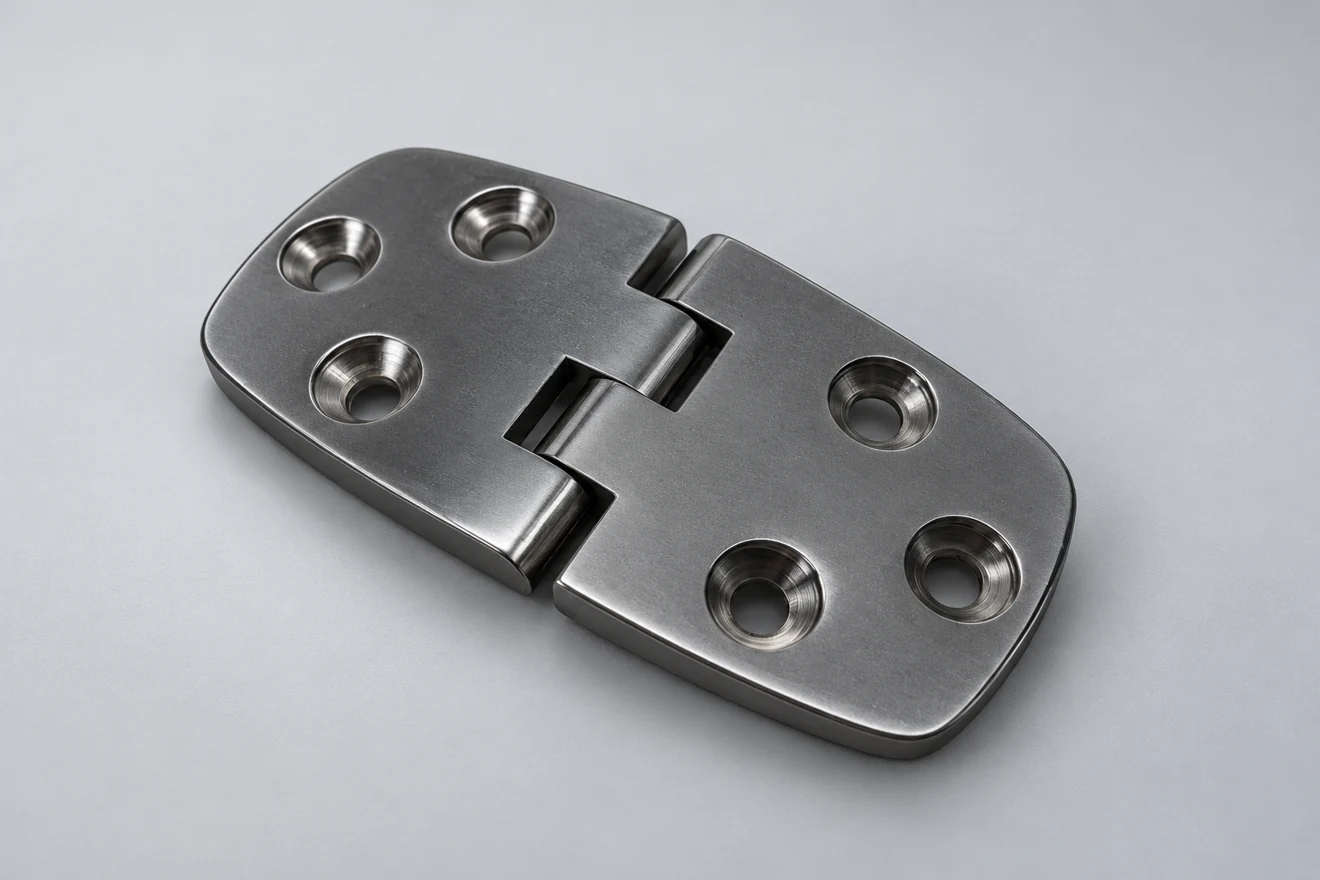
- SupportStable contacts beneath the cutting load.
- EstablishThe first usable machined reference.
- TransferThe same functional relationship through later setups.
Sample Approval Closes the Main Manufacturing Questions
Relia agrees the drawing and sample acceptance requirements before the sample stage. Key dimensions can be recorded against that revision, with inspection items and sampling frequency agreed for the order. The sample review concentrates on difficult sections, stock cleanup and functional relationships. Your approval authorizes the step toward batch production under the order; a later material or drawing change receives its own affected-feature review.
Relia can establish linked records for the production stages agreed in the order. We define how the drawing revision, relevant part or batch and requested records relate, so your team can follow the approved configuration into the agreed supply without assuming that every order includes the same traceability depth.
- SampleThe actual revision and supplied condition.
- ResultDimensions and other agreed acceptance evidence.
- Batch basisYour approved sample and controlled order definition.
Choose the Handoff You Need to Define
Use the finished-component guide when Relia supplies both casting and CNC work. Use the casting-blank guide when your workshop performs the final cuts, or the customer-supplied-blank guide when you already have the starting castings. Each route needs a clear incoming condition, operation boundary and accepted output.
Contact the Casting Team
Share the finished drawing, starting-blank condition and the operations you want included. Mark the handoff that is causing uncertainty in your current supply.
Qingdao Reliacasting Co., Ltd.
Drawing-based metal castings and CNC-finished OEM components from China.
Qingdao officeNo. 96 Shuyuan Road
Qingdao, Shandong, China
Arrange a project visit with us before travelling.
The released drawing, selected material and agreed order define the supplied component and required acceptance evidence.