
Casting Supply with Defined Post-Machining Leak-Test Requirements
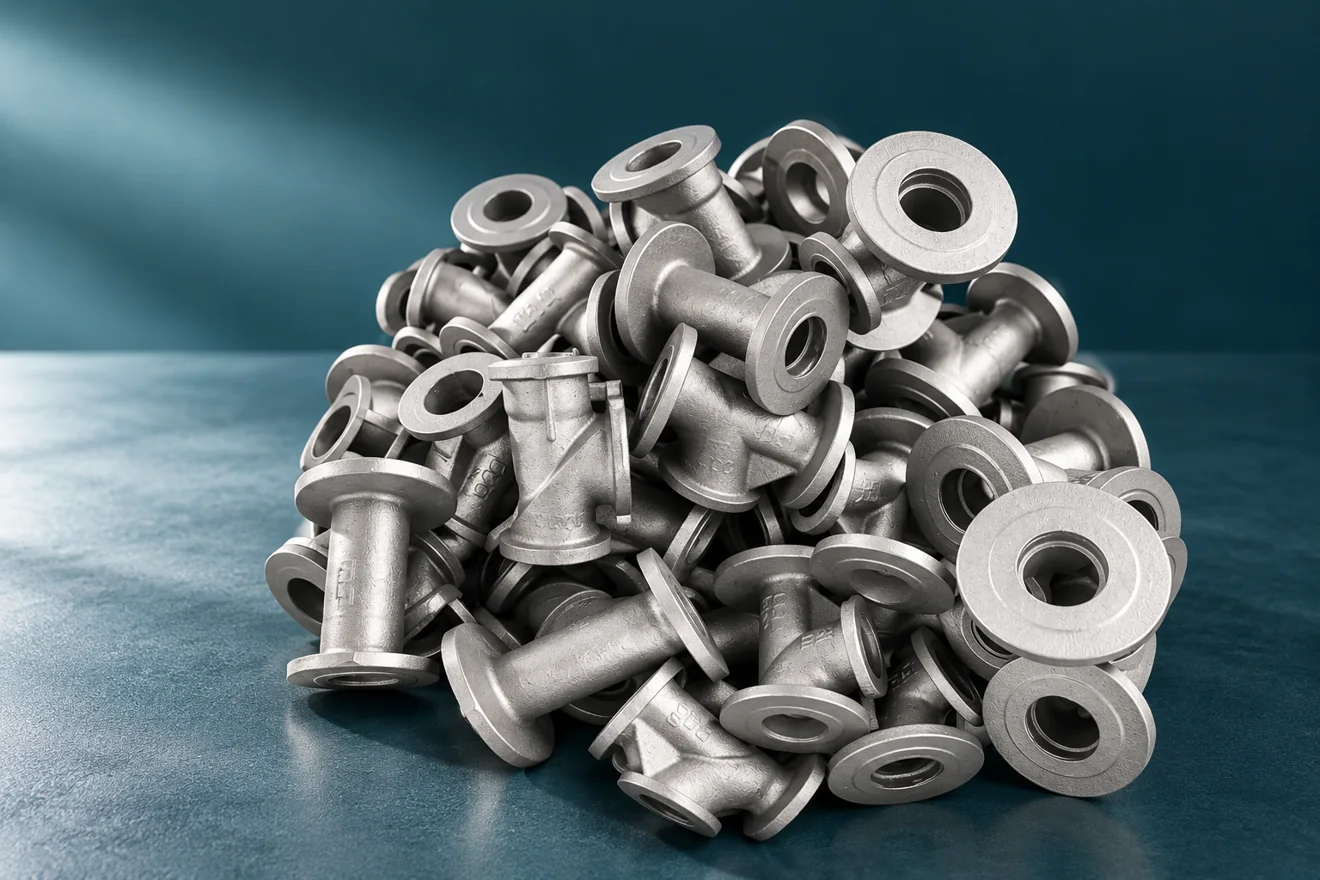
Include a post-machining leak-test requirement in your cast-body RFQ. Send Relia the component drawing, sealed boundary, test procedure and permitted result. We review the requested test stage, closures, fixture responsibilities and record scope before agreeing supply; a body test covers the defined article and conditions, not an untested complete fluid assembly.
Read the overview and page sections
Tell us the sealed boundary, test medium, conditions and permitted result required by your design. We relate that method to the finished component and the operations that may expose leakage paths, keeping a meaningful integrity check separate from dimensional acceptance.
The Test Boundary Follows the Delivered Component
Relia connects leakage requirements with the actual ports, passages and sealing faces of the body being ordered. Relia's proposal needs to identify the test stage, fixture responsibilities and applicable result record. That lets your team distinguish a checked finished body from a blank test or an unspecified claim that the component is leakproof.
- When
- After the specified boundary-affecting operations
- How
- Medium, pressure, duration and relevant temperature
- Pass basis
- Detection method and permitted leakage result
- Record
- Part identity, tested state, coverage and outcome
A tested body is the agreed test article. It does not automatically qualify a complete pump or valve assembly.
03 / 10Component decisions
Write a Test Requirement That Can Be Repeated
A pass statement is difficult to compare without the conditions behind it. Include the component boundary and the method used to detect or measure leakage.
| Test element | Define for the ordered part | Record to request |
|---|---|---|
| Boundary | Ports, openings, plugs and included hardware | Fixture or boundary reference |
| Conditions | Medium, pressure, duration and temperature | Actual stated test settings |
| Acceptance | Detection method and permitted result | Result against the agreed criterion |
| Part state | Machining, treatment and finish completed at testing | Drawing revision and supplied condition |
A Test Requirement Includes All Relevant Conditions
Specify the test medium, pressure conditions, duration, temperature if relevant, fixture boundary and acceptance criterion. Identify the applicable procedure or project clause. An isolated pressure figure cannot explain the test, and a visual bubble observation or pressure-decay result needs its own defined acceptance basis.
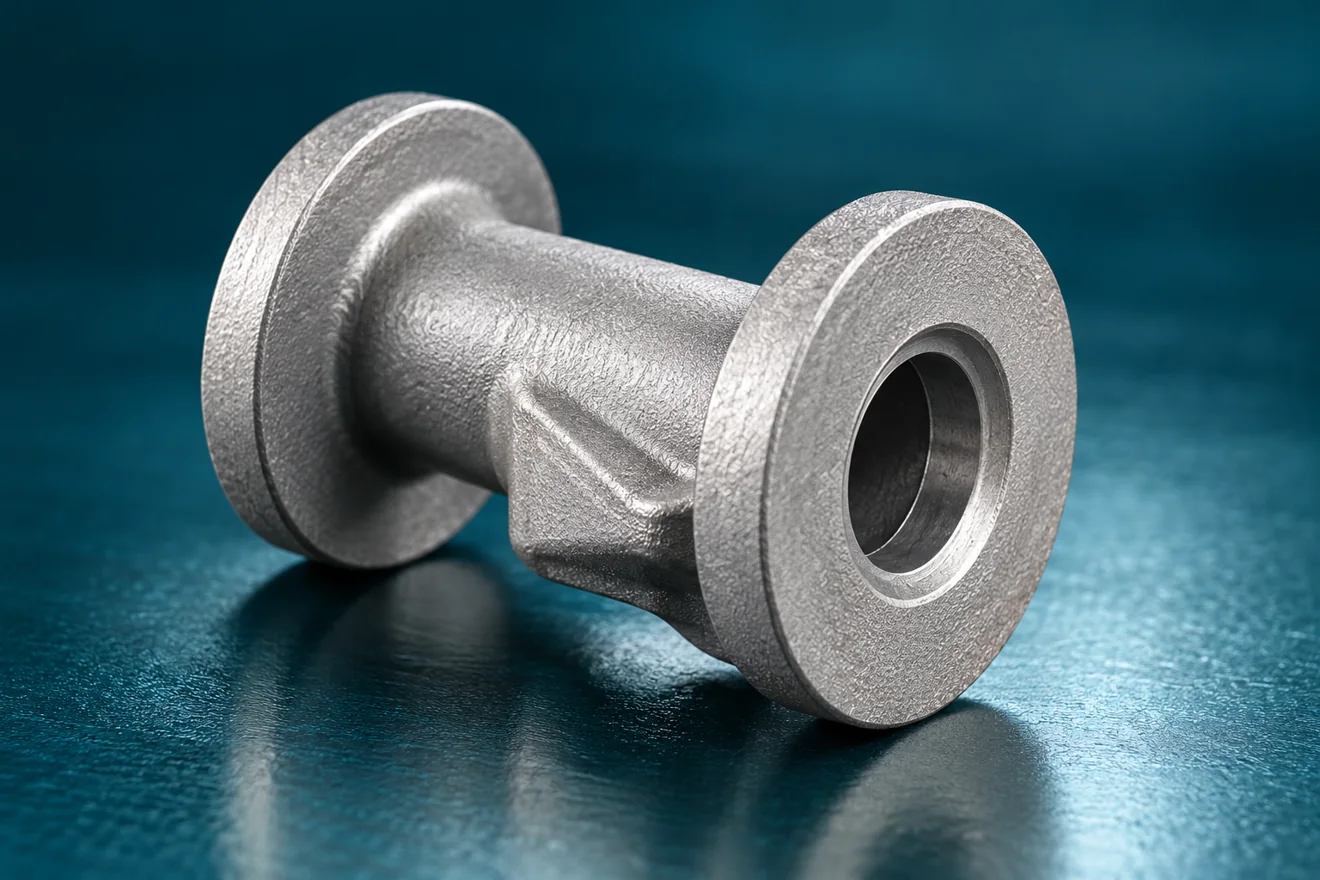
Test After the Operations That Can Change the Boundary
Machining a port, seat or flange can open a leakage path that was not exposed in the rough blank.
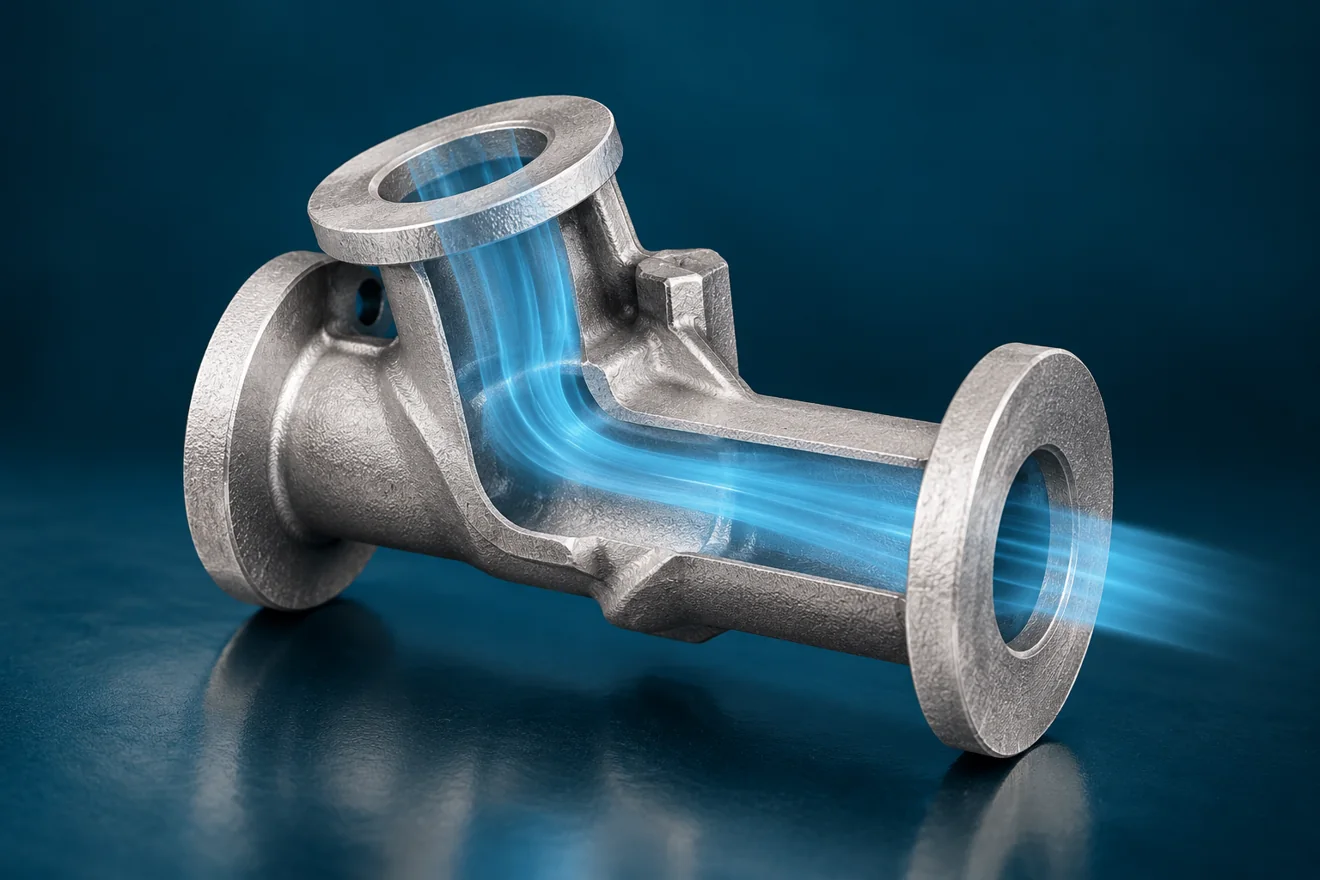
- Test after cuts that can affect the boundary
- Define fixtures, acceptance and failure disposition
Open the manufacturing route and detailed review
Test after cuts that can affect the boundary
The relevant test stage therefore follows the material removal that affects the specified boundary. Any later coating, cleaning or assembly operation must also be considered when defining the state that the test represents.
Define fixtures, acceptance and failure disposition
When a leak test is included, Relia's scope discussion connects port closures, fixture seals and the agreed method with the result you need. A failure also needs an agreed disposition route; repair, impregnation or retesting should not be assumed acceptable merely because a second test passes. Keep those conditions beside the component drawing and acceptance requirement.
06 / 10Component decisions
Place the Test After the Relevant Material Removal
Machining may open a path that was not exposed on the blank. The agreed sequence should reflect the component's final integrity requirement.
| Stage | Technical focus | Decision |
|---|---|---|
| Casting review | Sections and integrity-sensitive zones | Required casting acceptance |
| CNC work | Finish passages, seats and sealing contacts | Surfaces included in the test boundary |
| Preparation | Remove burrs and residues; identify test fixtures | Ready-to-test condition |
| Testing and release | Apply the specified method at the agreed state | Traceable result and any required disposition |
Sampling and Records Are Agreed Before Production
State whether testing applies to specified samples, a defined sampling plan or every delivered component. Agree how results are recorded and linked to parts or lots. The record should make the tested state and method identifiable, without turning an unspecified catalogue claim into an automatic full-test commitment.
Nonconforming Results Have a Controlled Disposition
Agree how failed or suspect components are segregated and reviewed. Any repair, rework, concession or replacement needs the authority and acceptance route required by the contract. Retesting follows an agreed procedure; it should not silently erase the original failure or change the test criterion.
Send the Details for Your Component Review
Tell us what you need to buy and the condition you need to receive. Relia Casting will review the component, manufacturing scope and requested evidence with you before an order is agreed.
- Component drawing and failure location
- Material and required delivered state
- Complete leak-test procedure
- Coverage, acceptance and record requirements
- Order quantity and disposition rules
No. 96 Shuyuan Road, Qingdao, Shandong, China
About our component supply · Contact details and project enquiry