
Casting Orders with Batch-Linked Material and Inspection Records
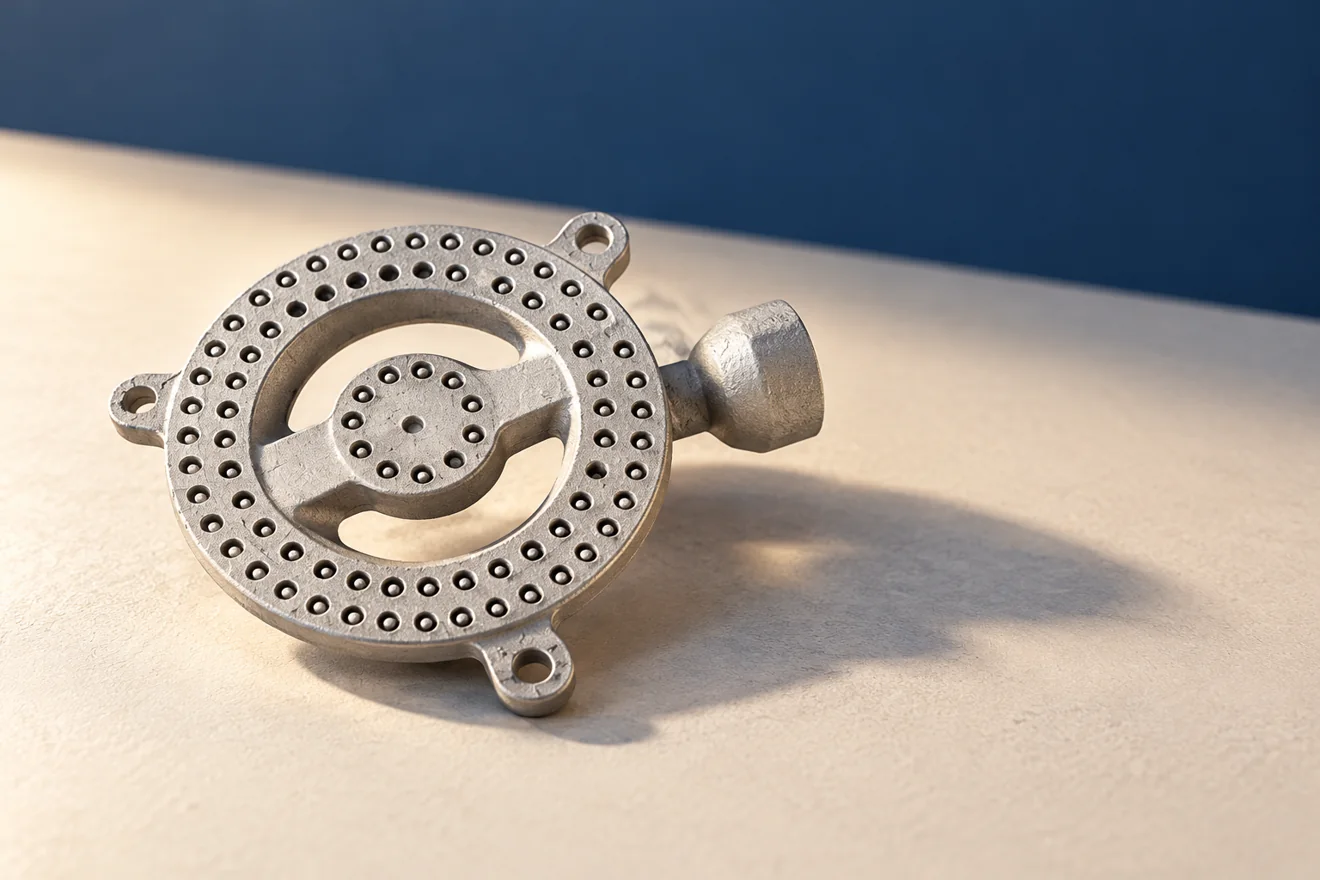
You can attach a record schedule to your casting order so material, dimensional and special-test evidence can be compared with the parts received.
Read the overview and page sections
We help separate the records needed for your acceptance decision from documents that do not apply to the component. The agreed scope identifies the relevant drawing revision, part identity and required results before production and shipment are arranged.
Component Identity Makes the Evidence Useful
Relia can provide applicable material information and agreed key-dimensional records for your casting order. We define the report items, checked features, sampling and their relationship to the relevant part or batch. Linked production records can also be established at the scope agreed for the order, with the stages covered made explicit.
This lets your purchasing and receiving teams request a useful evidence package without treating one sample report as proof for every later release. The agreed identity, drawing revision and supplied condition determine which result applies to the component you receive.
Match the packing identity to both record groups. A material heat and a dimensional sample group need not contain the same quantity.
A Traceability Matrix Makes the Scope Visible
List each required document, its applicable part or lot reference, responsible source and delivery stage. Mark items that need review before order acceptance. This gives purchasing and quality teams a shared record plan instead of a broad request for all certificates without defining which evidence applies.
04 / 10Component decisions
Choose Records by the Decision They Support
The document name alone is not enough. Check what it identifies, what was measured and which ordered requirement it addresses.
| Record | Useful content | What it supports |
|---|---|---|
| Material record | Grade, condition and agreed lot relationship | Acceptance of the specified material |
| Dimensional report | Drawing revision, feature and result | Comparison with finished geometry |
| Special-test record | Method, conditions, zones and criterion | The specified examination or functional check |
| Supplier qualification | Subject, scope and effective status | The relevant supplier-level requirement |
Measure the Finished Features Against One Drawing Revision
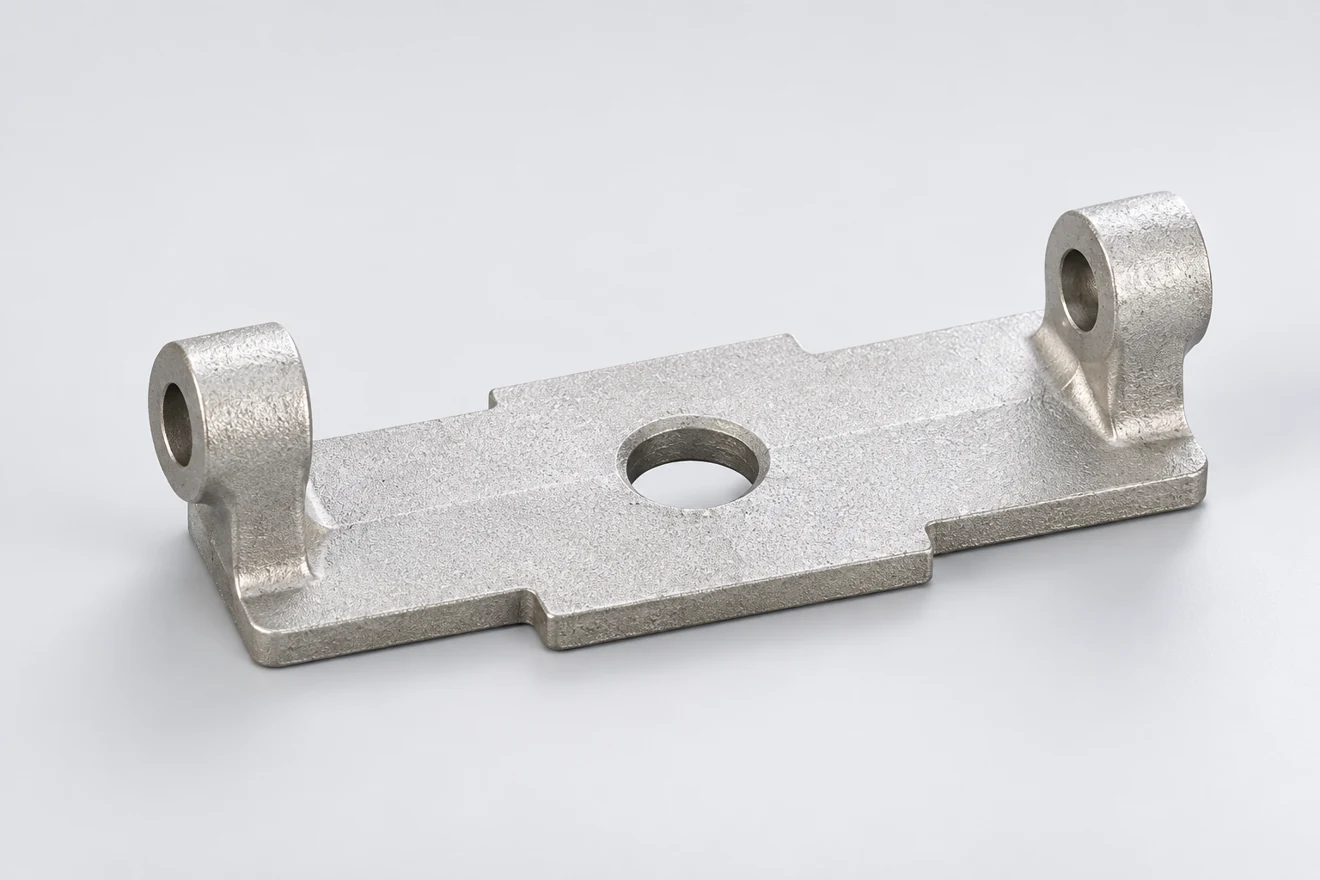
The dimensional schedule starts with the features that control use: a bore, mounting pattern, sealing face or related datum.
- Drawing identity
- Feature scope
- Sampling basis
- Delivery link
- Measure the required features on one revision
- Identify the result alongside the shipment
Open the manufacturing route and detailed review
Measure the required features on one revision
It should identify the drawing revision, acceptance limits and component state to be measured. A measurement taken before final treatment or coating may not represent the fit that your assembly receives.
Identify the result alongside the shipment
When dimensional records are included, Relia's scope discussion connects the measurement method and reporting format with those features. The agreed sampling and identification must make the result understandable alongside the shipment. Keep a material heat identity separate from a dimensional sampling identity where the order uses different groupings.
Special Tests Keep Their Own Applicability
Leak tests, NDT, treatment records or other special evidence need a defined method and scope. Identify the component state, coverage and acceptance criteria. A management-system certificate, where valid and applicable, serves a different purpose and is not substituted for the part-specific test evidence your order requires.
07 / 10Component decisions
Carry the Same Identity Through the Evidence Pack
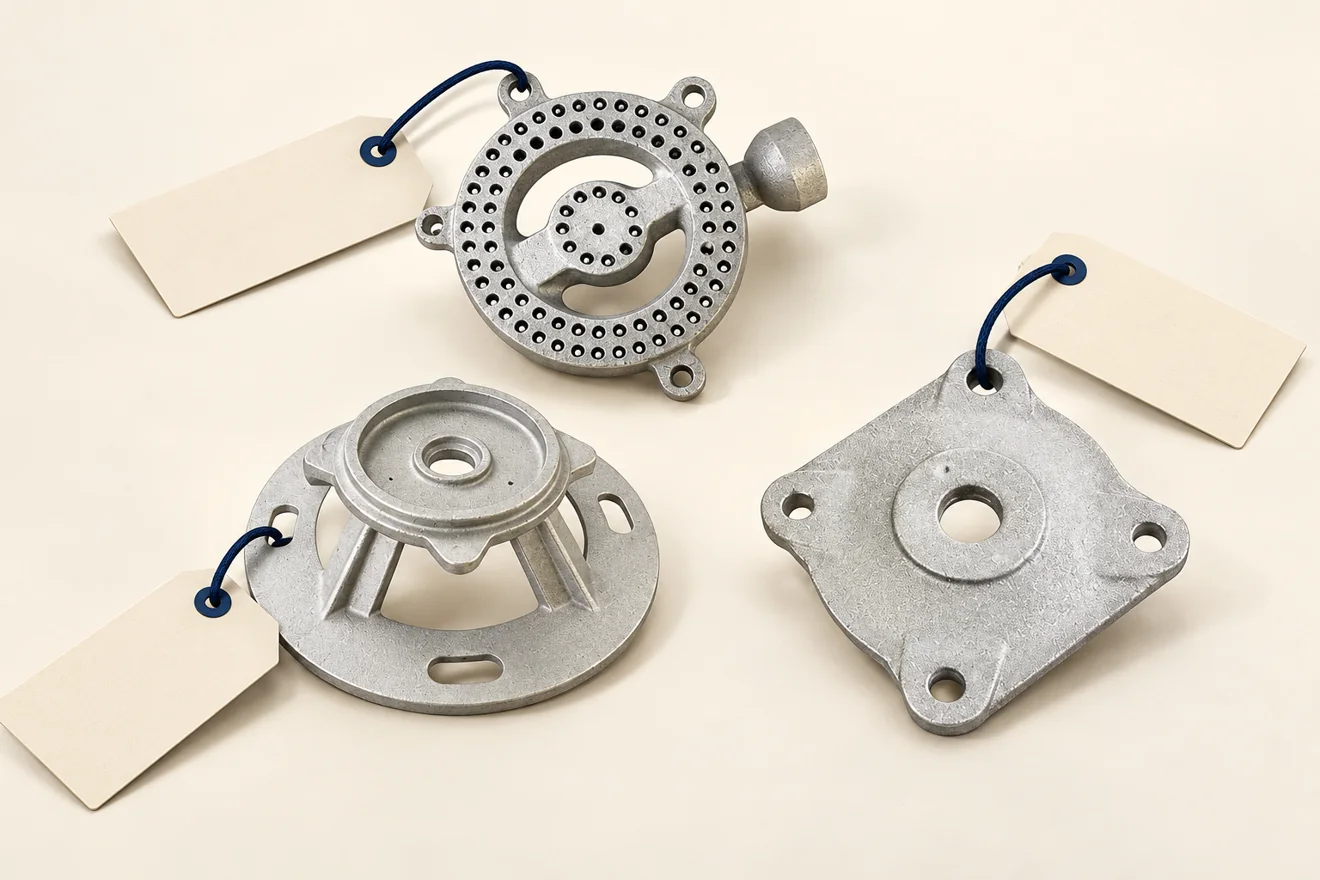
Parts, packing lists and reports should be matchable without guessing from a photograph or an email subject.
| Handoff | Identity to retain | Practical check |
|---|---|---|
| Technical definition | Part number and drawing revision | All records use the accepted reference |
| Production lot | Agreed batch or material linkage | Evidence applies to the supplied quantity |
| Report assembly | Feature or test scope and result | Required records are complete and legible |
| Delivery | Shipment and package references | Receiving can match documents to parts |
Document Status Is Kept Honest
Use clear states for requested, agreed, supplied and not applicable records. A missing document is a visible action rather than a reason to attach unrelated evidence. Changes, concessions and reissued reports should retain the references needed to understand what applies to the accepted supply.
Where a dimension or quality result is disputed, Relia first reviews the drawing, actual parts and relevant records with the customer. The next action may be rework, replacement supply or another agreed disposition under the order. Keeping the evidence and decision together is more useful than issuing an unrelated report or assuming that a second inspection alone closes the issue.
Send the Details for Your Component Review
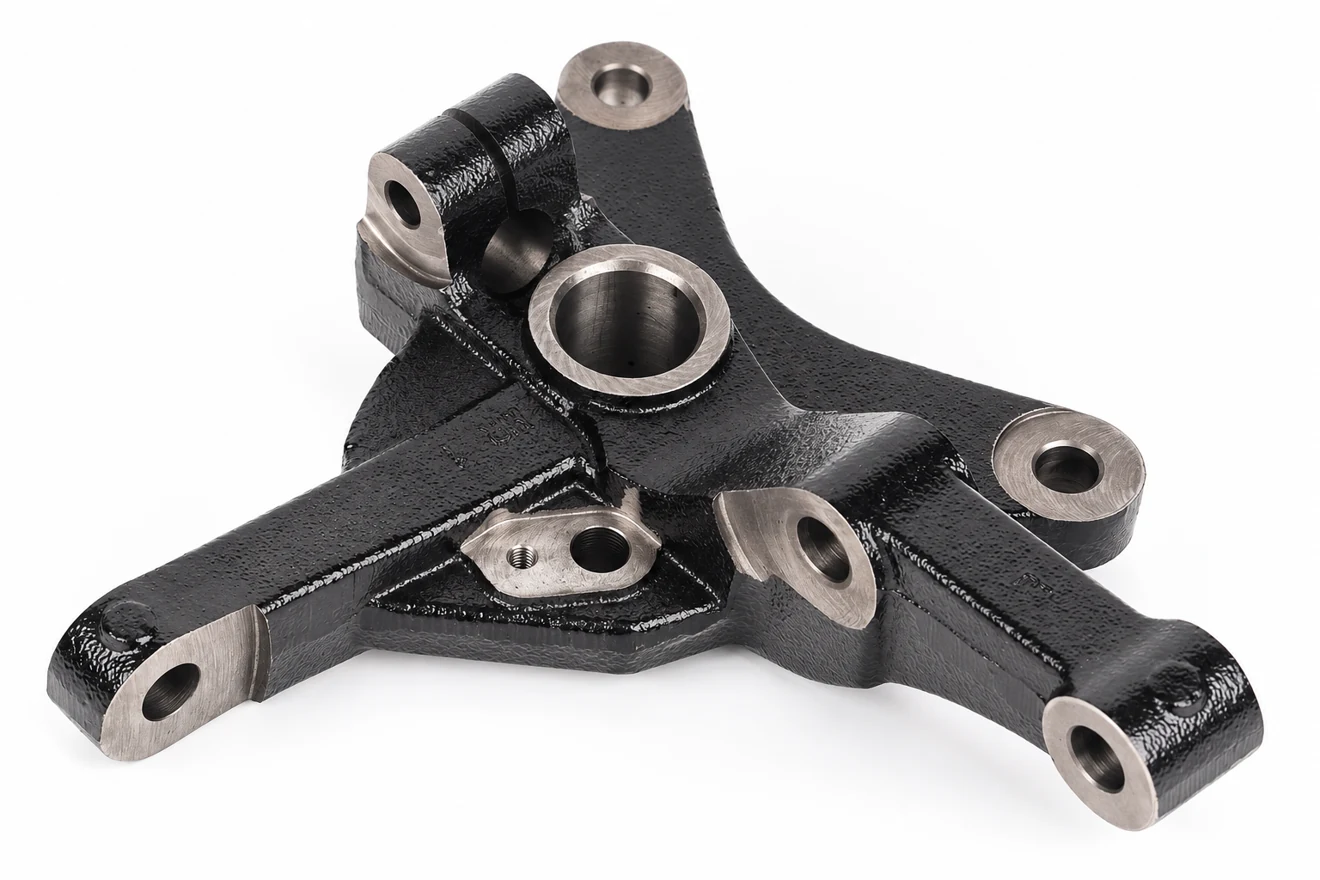
Tell us what you need to buy and the condition you need to receive. Relia Casting will review the component, manufacturing scope and requested evidence with you before an order is agreed.
- Part and drawing revision list
- Required record matrix
- Material and lot-identification scope
- Special test methods where applicable
- Record delivery and shipment-link requirements
No. 96 Shuyuan Road, Qingdao, Shandong, China
About our component supply · Contact details and project enquiry