
Lost-Foam Castings with Thick Bosses and Thin Plate Sections
Relia reviews lost-foam castings with thick bosses and thinner plate sections for the blank or finished-part scope you need. Show the final bore and its local wall in section. The sample plan then checks the junction and machining stock in the condition that matters after finishing.
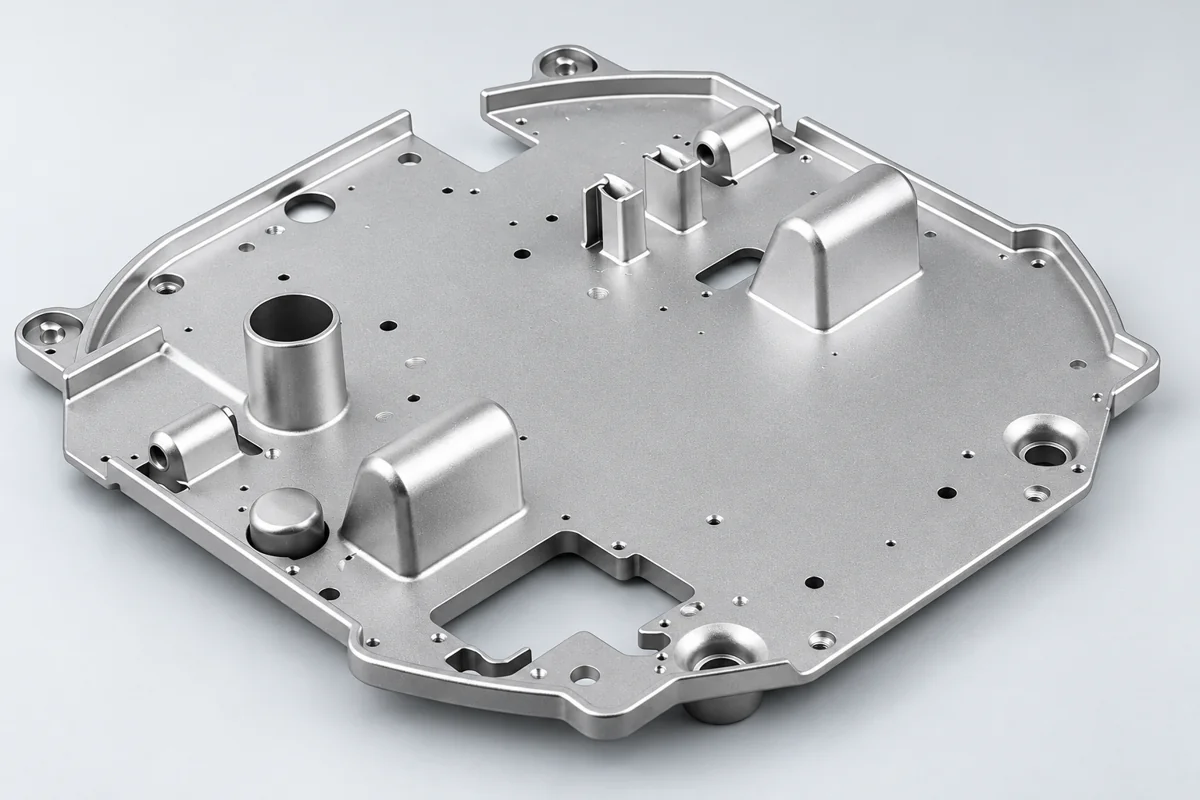
The Boss and Plate Share One Functional Definition
Relia reviews the boss, surrounding plate and specified finishing as one component task. We identify the working bore or contact and its relationship to the cast body. This connects the casting discussion with the material and geometry that must remain after machining.
Section Views Identify the Junction to Review
Provide sections through the boss-to-plate junction and the final cut. Show nearby ribs, pockets and openings as well as the outside dimensions. Local changes in mass and access are easier to assess from these views than from a general photograph of a bossed component.
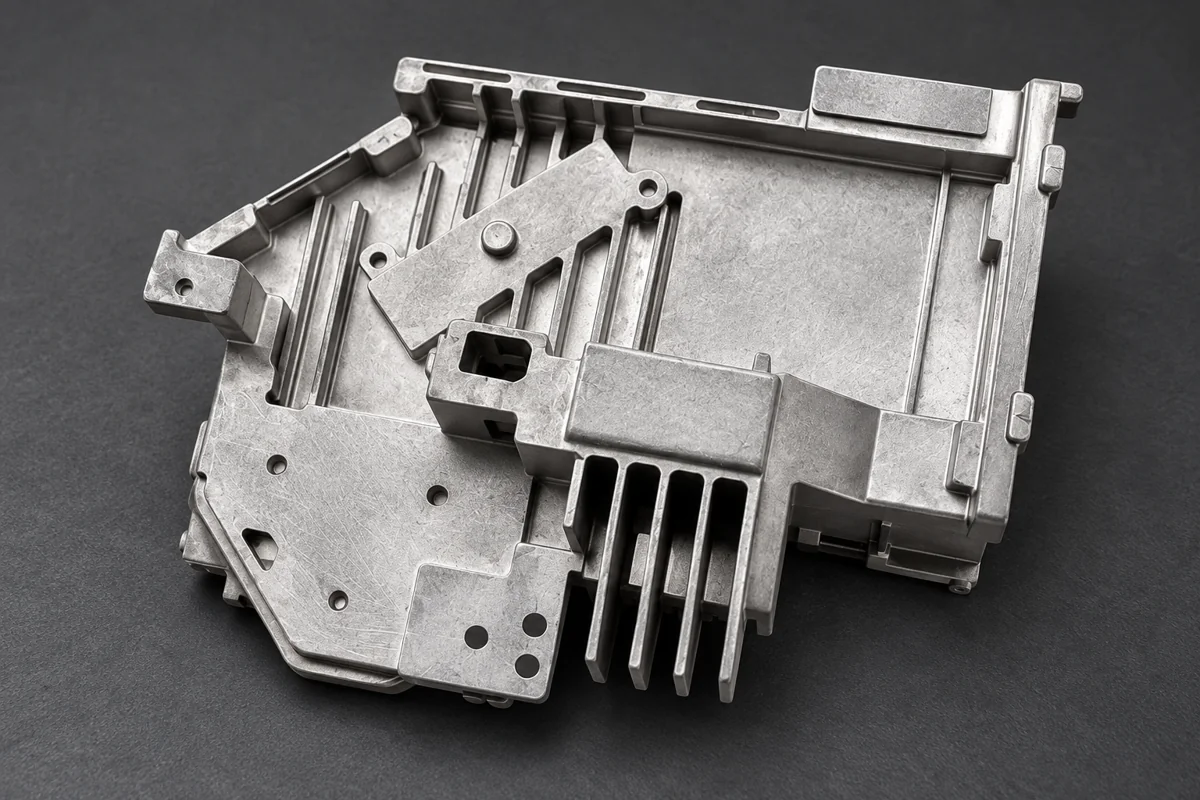
Material and Pattern Support Affect the Proposal
Select the actual casting alloy and required delivery condition. Include any local integrity or material acceptance requirement relevant to the finished region. The process name does not itself establish that a particular boss is free from internal discontinuities or suitable for every loading condition.
The Foam and Casting Review Focuses on the Local Junction
Review the foam pattern and the casting proposal around the local junction. Pattern joints, geometry changes and finishing access are considered before the trial scope is agreed. Any suggested change to the boss, rib or transition remains subject to your functional drawing approval.
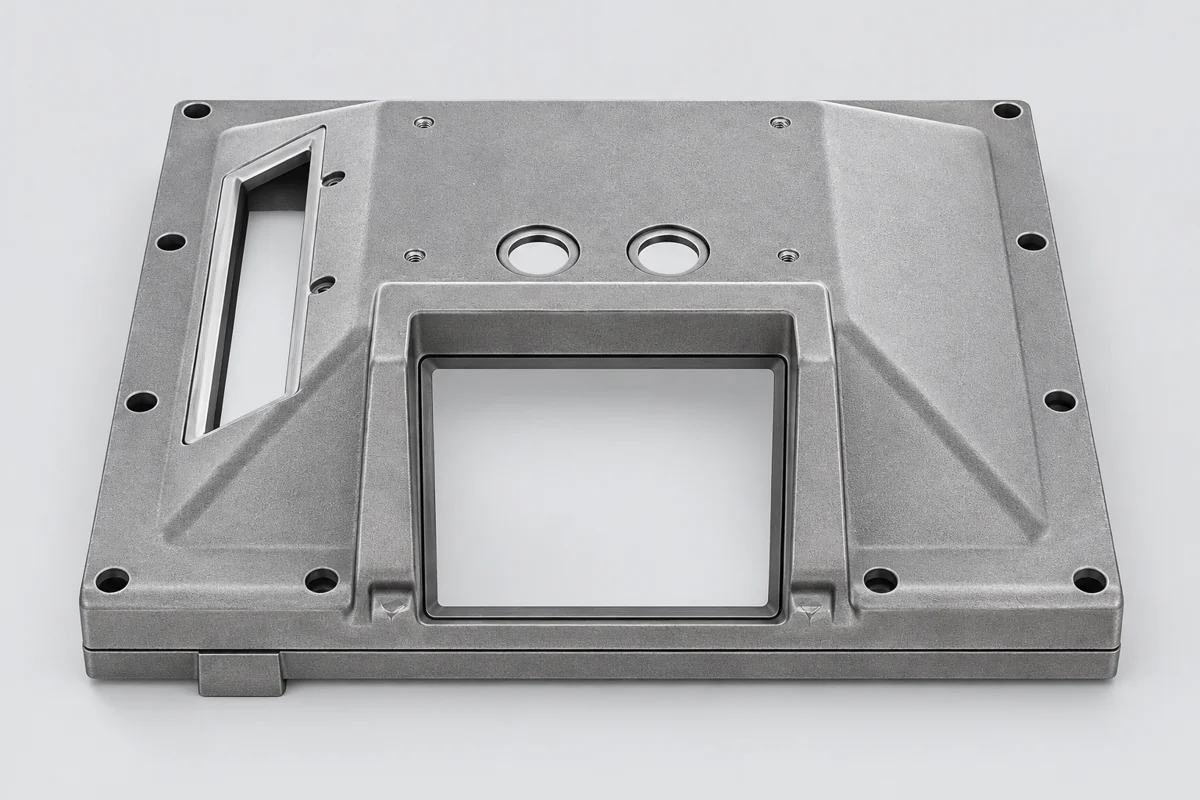
Boring Stock Must Remain at the Final Interface
Map the material required for boring, facing and locating the part. A broad nominal machining allowance is less useful than knowing the stock at the actual final cut. Relate the boss bore and plate contacts to the same controlled datum plan.
Machining Can Expose a Different Inspection Surface
Define the relevant inspection area and any specified method before the sample is produced. Visual inspection, dimensional checks and internal-integrity assessment address different requirements. The selected method and acceptance criteria need to suit the material and local geometry.
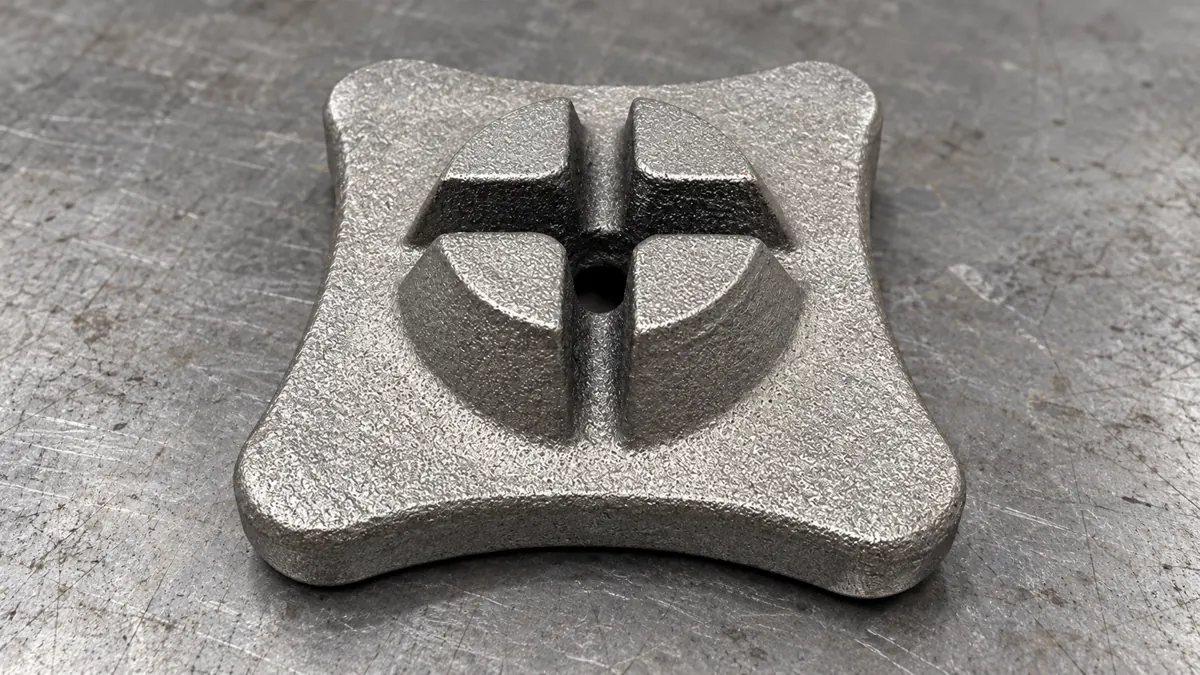
Samples Test the Junction in the Agreed Condition
Trial results should identify the sample revision, finished condition and inspected regions. We can provide agreed key dimensional records for the order. If machining reveals an issue at the junction, the evidence should support a review of the specific region rather than a general claim about the whole process.
Approve Junction Changes and Cost Boundaries Together
Include local sections, final-bore details, material and inspection requirements in the enquiry. State sample and repeat quantities and separate development work from recurring finishing. This makes the quote reflect an accepted bossed component with a defined verification scope.
Related engineering and purchasing guidance
Send the Boss Sections and Finished Bore Requirements
Send the boss-to-plate sections and final-machining drawing with critical regions marked. Add the casting specification, quantities and any applicable integrity requirement. We can review the allowance and trial plan around the region that matters after machining.
- [email protected]
- Phone
- +86 185 6176 2631
- +1 404 203 0971
- Project enquiry
- Contact our Qingdao team