
As-Cast Surface Acceptance for Shell-Mold Iron Components
Relia can review shell-mold iron parts with selected surfaces supplied as cast and working contacts finished to drawing. Mark those zones before comparing prices. Agree a surface reference and cleanup limits for the cast areas, while retaining measured requirements for the contacts.
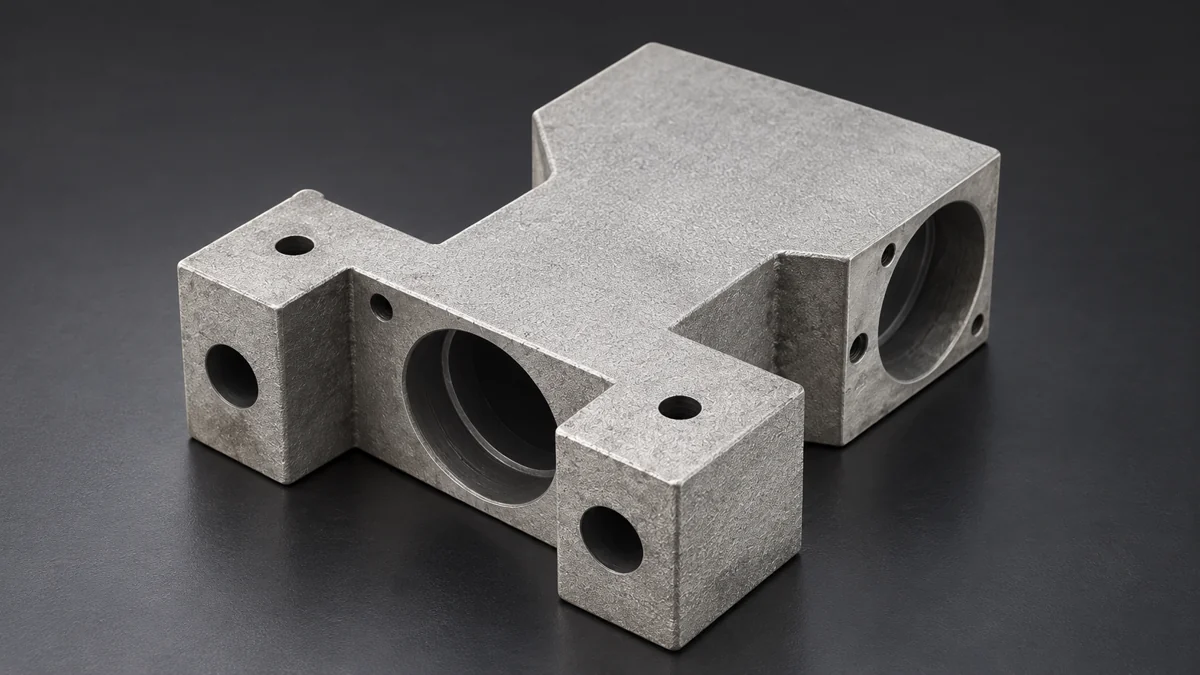
The Surface Boundary Defines the Cost Discussion
Relia separates the surfaces that serve appearance, handling and functional duties. We review these regions on the actual component before treating any area as finished in the cast state. A general process description does not establish one surface standard for every geometry or order.
A Marked Drawing Separates Surface Duties
Use a marked drawing to identify visible faces, hidden regions and working contacts. Hub supports, open frames and blocks have different surfaces and access conditions. This map helps prevent a visual requirement from being applied to an inaccessible area without a practical acceptance method.
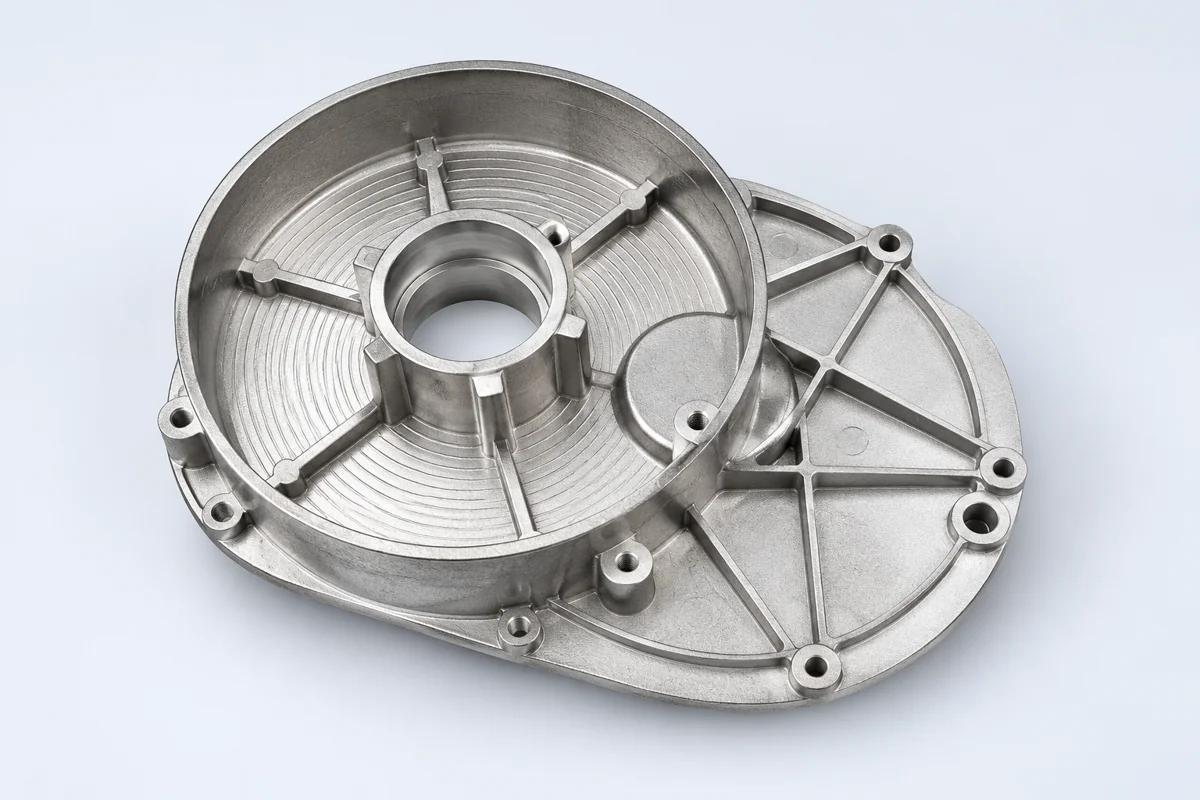
The Surface Reference Has Agreed Viewing Conditions
Agree the reference sample, viewing conditions and any measurable requirements relevant to the surface. Material, geometry and cleanup affect the result. A broad statement that shell moulding gives a good finish is not a substitute for a sample or limit that both teams can use.
Parting Lines and Cleanup Have Allowed Zones
The moulding and cleanup plan should consider parting regions, feed contacts and features that remain visible. Define permissible removal and blending before samples are made. Protect the adjoining material where unnecessary cleanup could change a fit or the visual outline.
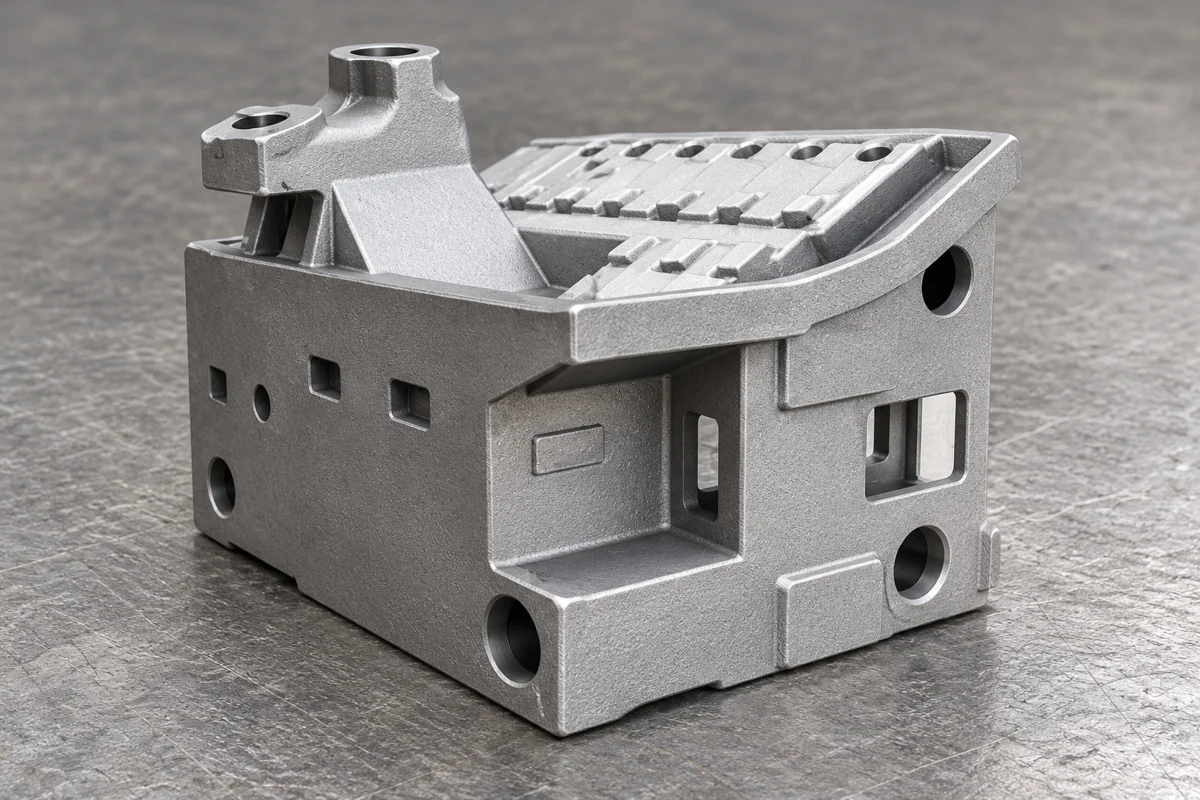
Functional Contacts Keep Their Dimensional Requirements
Keep as-cast and machined acceptance separate. A mounting face may need measured flatness or roughness, while an adjacent exterior is judged against a visual reference. Dividing those duties avoids paying to machine every surface or accepting a critical contact by appearance alone.
Later Coating Does Not Replace Base-Surface Acceptance
If coating follows casting, define the supplied condition and the surface needed before coating. A coating can change appearance without resolving an unacceptable underlying feature. Review masking, contact protection and any later inspection with the final delivery state in view.
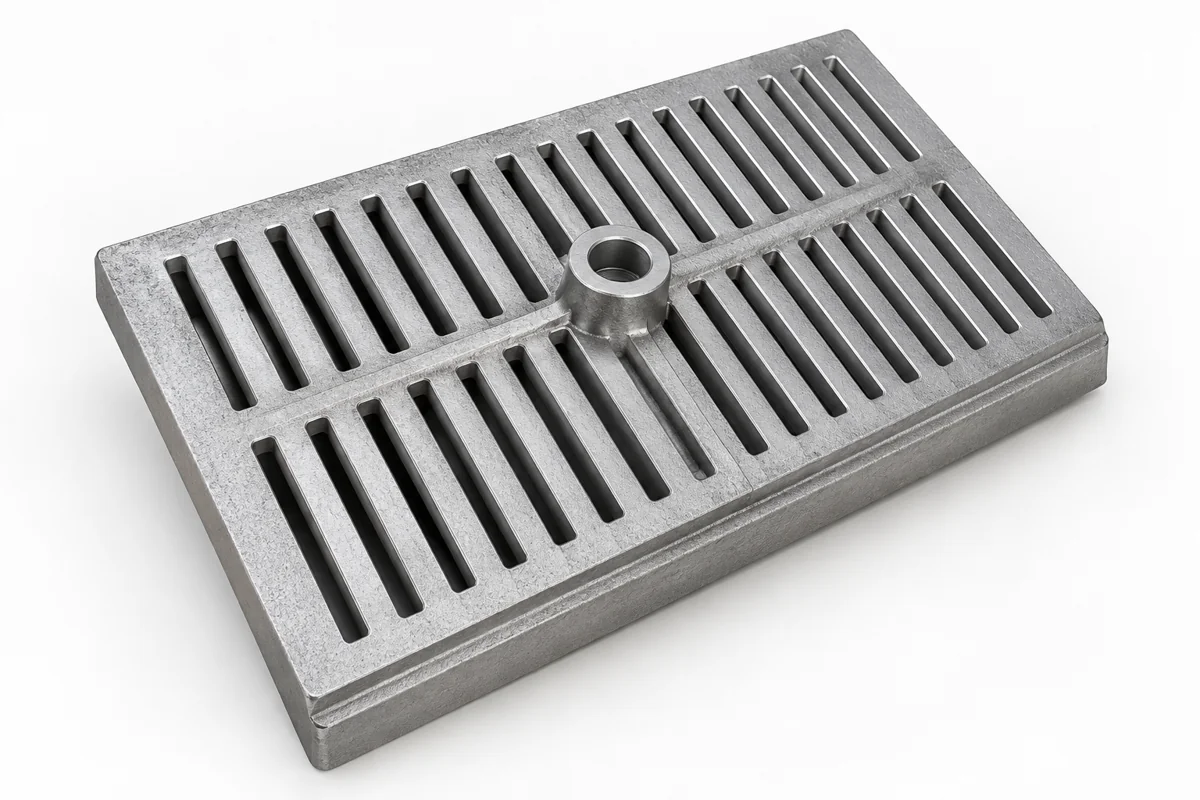
Sample Approval Uses Identified Surface Regions
Approve samples using the agreed reference and named inspection regions. Record the drawing revision, cleanup limits and accepted condition. We can include order-specific dimensional checks where a surface also carries a functional requirement.
The Quote Names the Machining That Is Actually Removed
Quote the component with the as-cast regions and required finishing clearly marked. Include sample approval, coating if required, quantities and protection for visible areas. The comparison then reflects an accepted delivered surface rather than a generic promise of reduced machining.
Related engineering and purchasing guidance
Share the As-Cast Zones and Surface Reference
Send the drawing with as-cast, visible and machined regions identified. Include a reference sample or clear acceptance description, material and quantities. We can review where finishing can be avoided without leaving the delivered condition undefined.
- [email protected]
- Phone
- +86 185 6176 2631
- +1 404 203 0971
- Project enquiry
- Contact our Qingdao team