
Low-Volume Iron Sand Castings with Defined Pattern and Repeat Costs
Relia reviews low-volume iron sand-casting orders with pattern work, sample approval and repeat releases priced separately. Share the drawing and realistic reorder plan so you can compare the cost of accepted parts over the way you actually buy, rather than the initial pattern price alone.

The Order Pattern Shapes the Manufacturing Proposal
Relia reviews low-volume projects from the drawing and the expected order releases. We identify the casting and machining scope before separating development work from repeat supply. Quantity, geometry and acceptance requirements are discussed together rather than assuming a universal minimum order or one tooling route for every part.
Expected Reorders Put Tooling Decisions in Context
Tell us how often the part is likely to be reordered and which features make it difficult to replace. Mounts, housings and small equipment supports can have different pattern, core and machining needs. The procurement plan should reflect those differences instead of treating all iron castings as the same tooling investment.
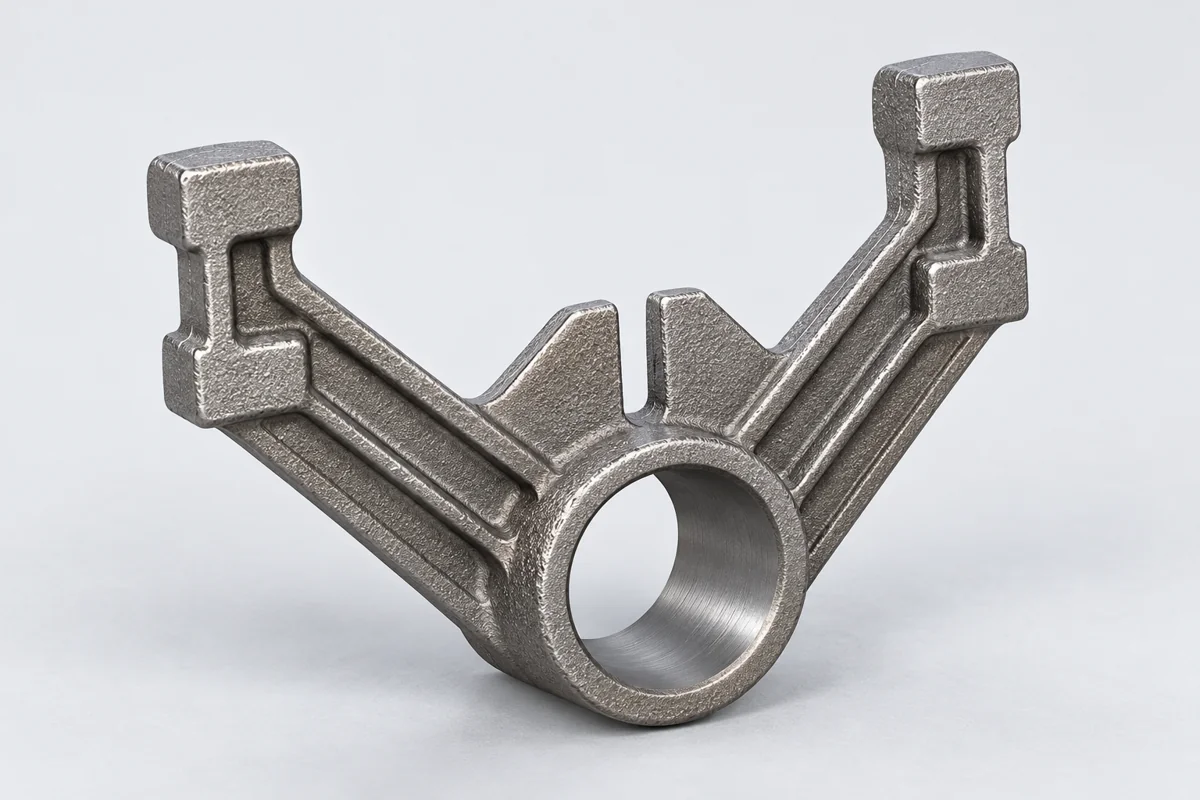
Material and Critical Features Stay Constant in Comparisons
Freeze the actual material, delivered condition and critical features before comparing pattern options. A low tooling price is not a saving if the resulting blank needs unexpected machining or cannot meet the acceptance plan. Keep the comparison on one controlled drawing and supply scope.
The Pattern Proposal Defines Mould, Core and Change Scope
Review what the proposed pattern includes, how it supports the mould and any cores, and what future changes would require. Clarify ownership, storage and maintenance responsibilities. The pattern is a manufacturing tool for your approved geometry, not a guarantee that every later design revision will be interchangeable.
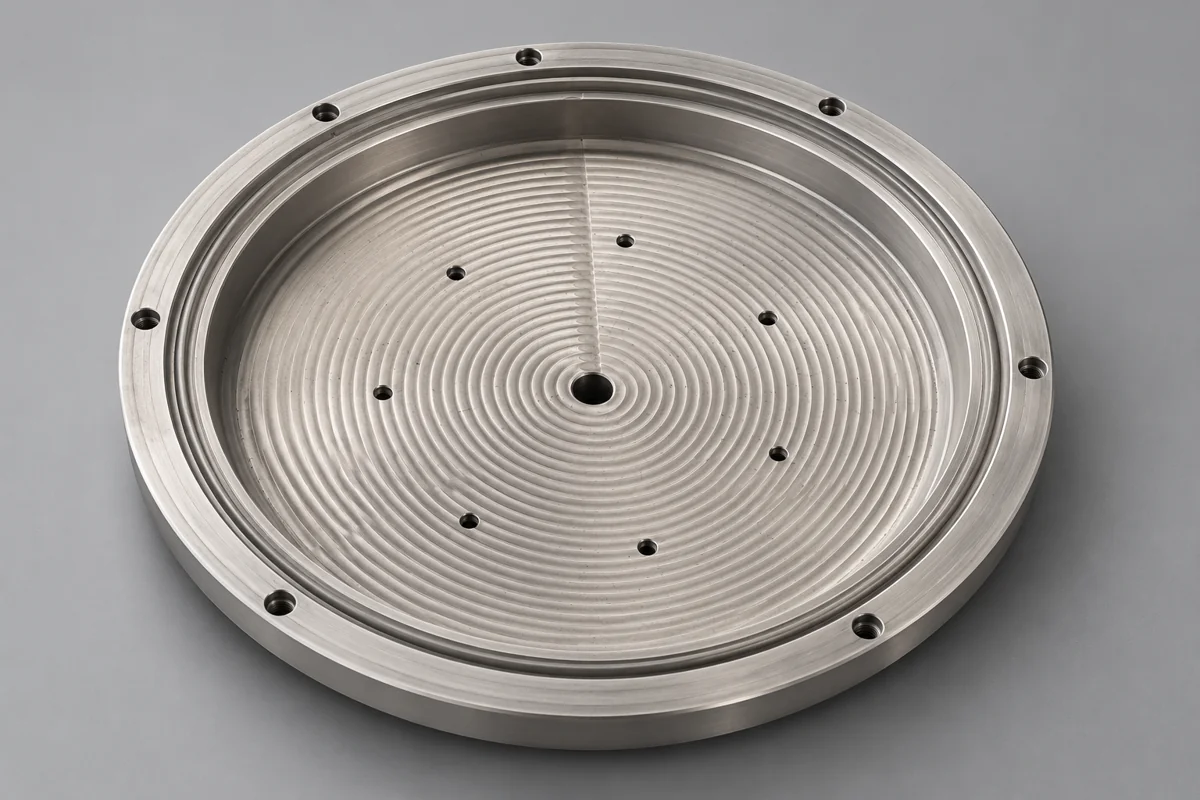
Development and Recurring Costs Stay Separate
Separate one-time development costs from recurring costs. Tooling and initial sample work belong in the development discussion; casting, finishing, inspection and delivery recur with the part. Include any agreed maintenance or change work so the purchasing plan is transparent.
A Sample Approves More Than the Pattern Appearance
A small first order still needs useful sample acceptance. Agree the material evidence and the dimensions that matter to fit, then confirm the supplied condition. Buyer approval should close the known risks before repeat releases are arranged.
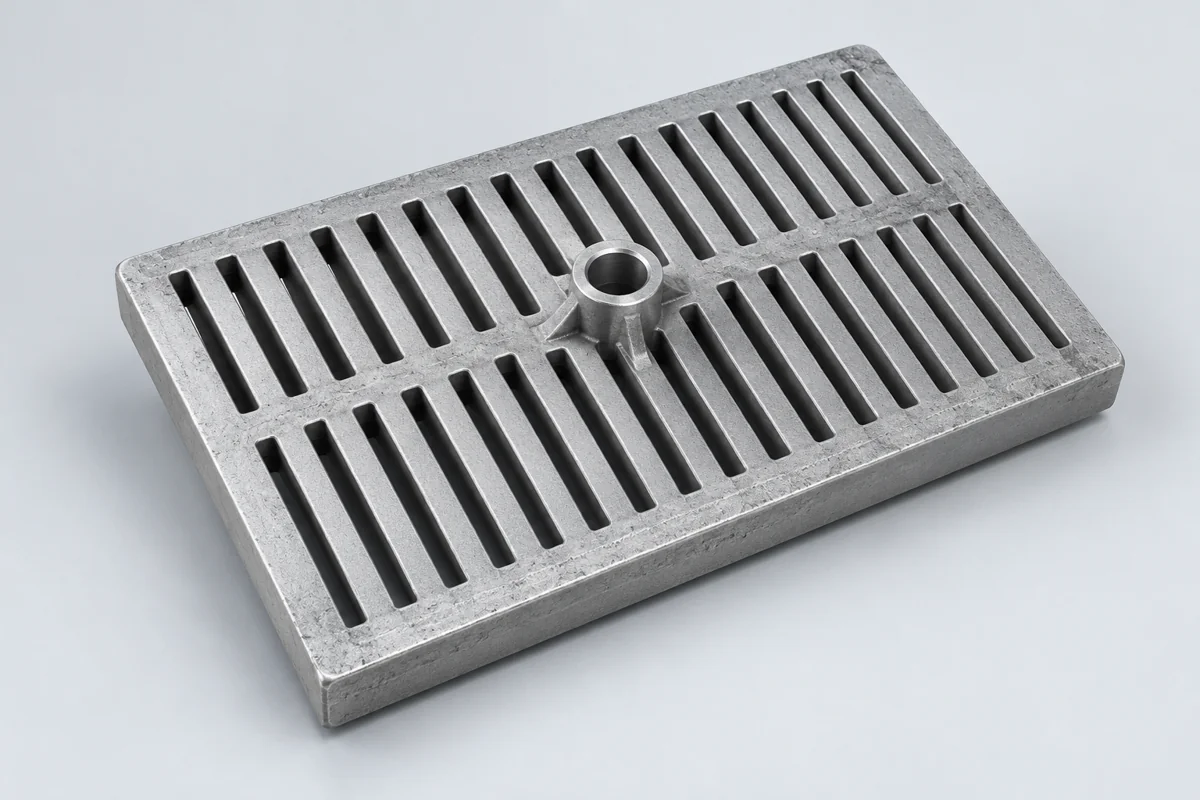
Repeat Orders Retain a Controlled Drawing Reference
A repeat order needs a controlled reference even when the quantity is modest. Keep the drawing revision, sample decision, tooling state and required records linked. This reduces the chance that a long gap between orders turns a repeat purchase into an undocumented new configuration.
Build a Comparable Low-Volume RFQ
Use the RFQ to compare the whole scope over the quantities you actually expect. Include tooling, samples, recurring operations, release sizes and delivery needs. Lead time and order quantity are reviewed for the project rather than copied from an unrelated catalogue listing.
Related engineering and purchasing guidance
Share the Drawing and Expected Order Releases
Send the part drawing, material requirement and realistic sample and annual demand. Tell us the likely release pattern and any constraints on tooling ownership or future changes. We can review a sand-casting proposal around the way you plan to buy the component.
- [email protected]
- Phone
- +86 185 6176 2631
- +1 404 203 0971
- Project enquiry
- Contact our Qingdao team