
Custom Aluminium Sand-Cast Plates for Low and Medium Volumes
For a lower-volume aluminium plate, the holes, pockets and mounting faces belong in the cost comparison from the start. Relia reviews sand casting and specified machining against your sample and release quantities. Compare tooling and accepted-part work for that drawing instead of assuming one route is always cheaper.
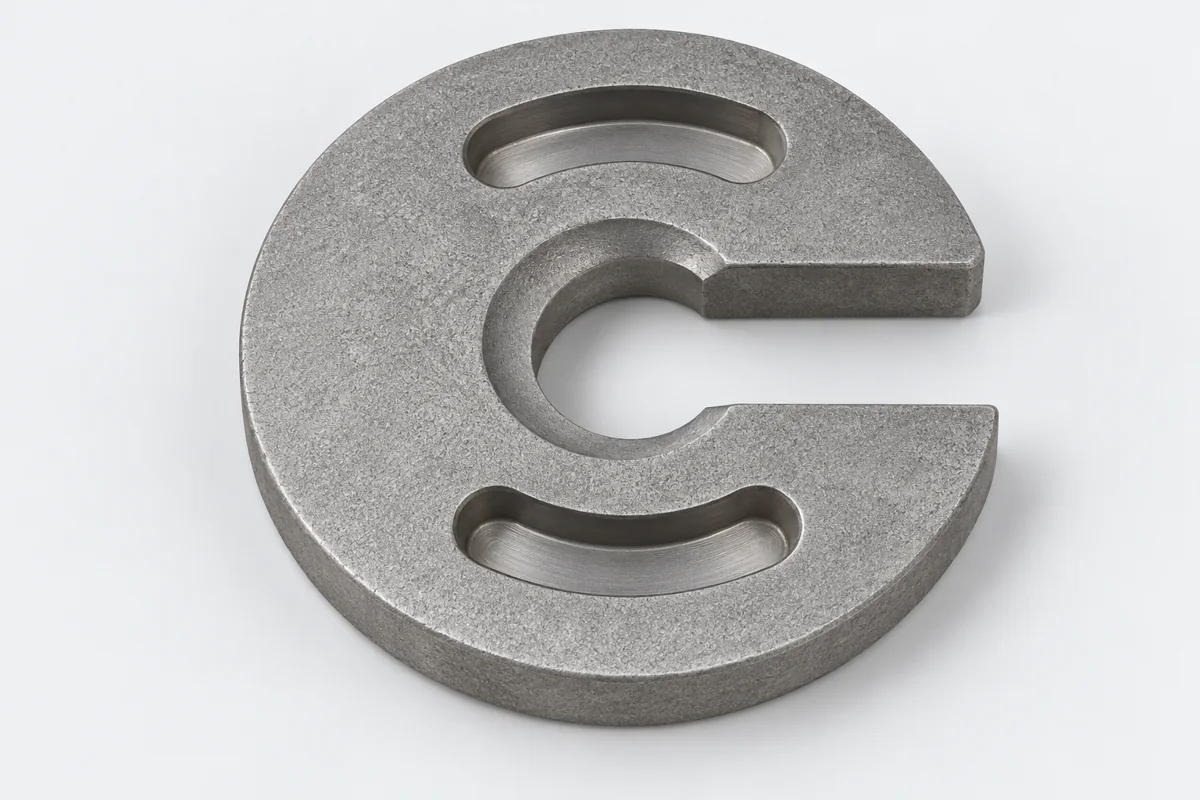
The Finished Plate Defines the Quotation Boundary
Relia reviews the plate as a drawing-based casting project. We identify the cast body, machined features and required delivered condition before comparing manufacturing options. This keeps a low- or medium-volume enquiry tied to the component you need rather than to a generic process price.
Plate Sections and Openings Define the Geometry
Show the plate sections, pockets, openings and mounting relationships. Large flat regions and local bosses affect the manufacturing and holding discussion differently. Mark the features that control assembly so the review separates critical contacts from shapes that may remain in the cast condition.
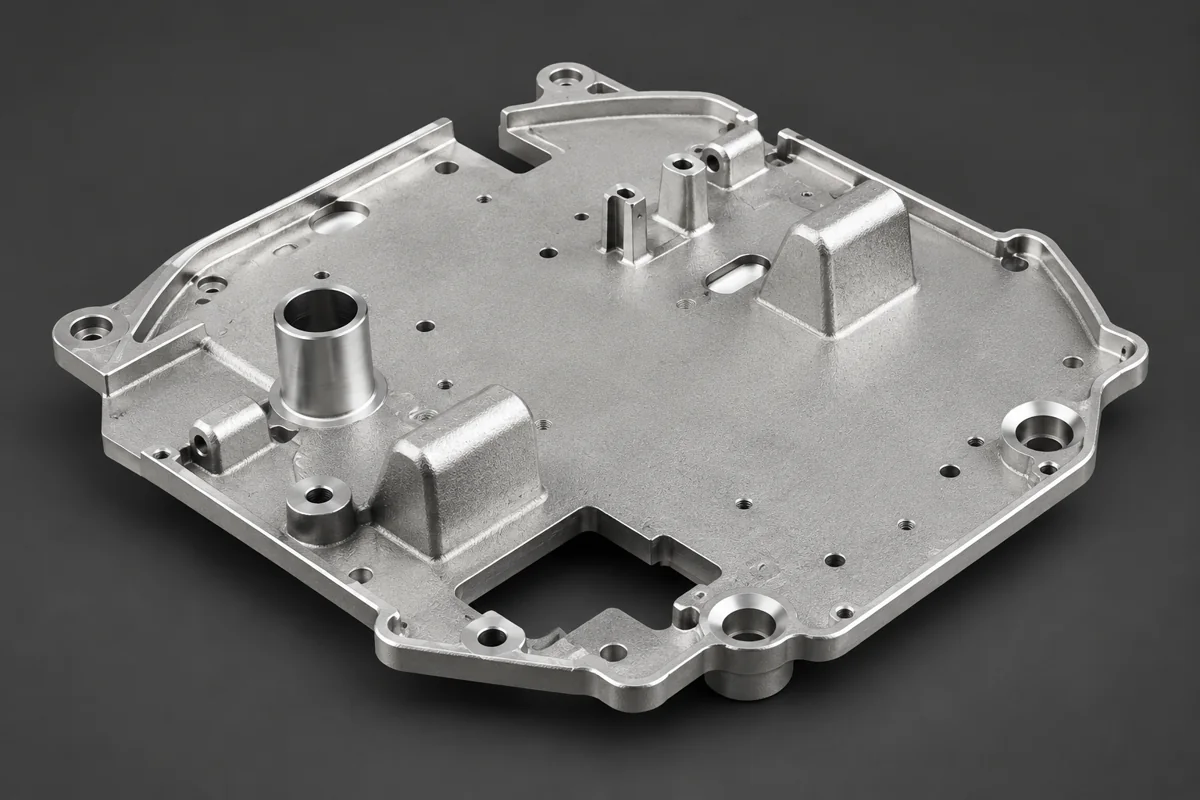
The Aluminium Specification Includes Its Delivered Condition
Specify the actual aluminium casting alloy and delivered condition. Include any relevant surface, treatment or material-record requirement. A catalogue list of material and process options does not select the appropriate combination for your geometry and supply quantity.
The Sand Route Is Reviewed Against the Geometry
The sand-casting proposal reviews pattern construction, mould geometry, local sections and access for finishing. Any suggested change to ribs, bosses or transitions is checked against your functional constraints. The proposed route should explain what remains cast and what will be created by machining.
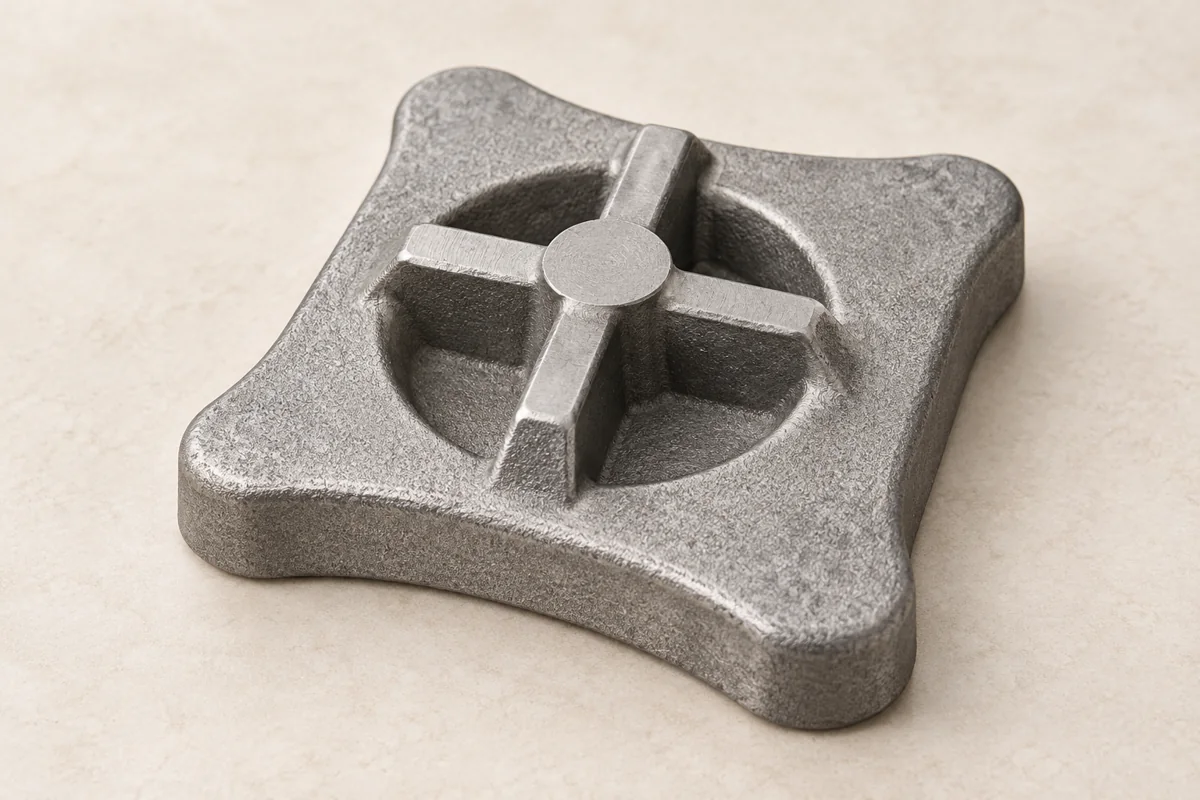
Stock and Holding Access Shape the Machining Plan
Machining stock and holding access influence the final part cost. Identify the locating faces, holes, pockets and any controlled flatness or position requirement. Agree the measuring condition so the cost comparison includes a finish-machined component that can be accepted against one drawing.
Manufacturing Options Use the Same Accepted-Part Scope
Compare manufacturing options using the same material, geometry, quantity and acceptance scope. Include tooling changes, sample work, recurring machining and any finishing. A higher initial tooling price or a lower raw casting price is only one part of the decision.
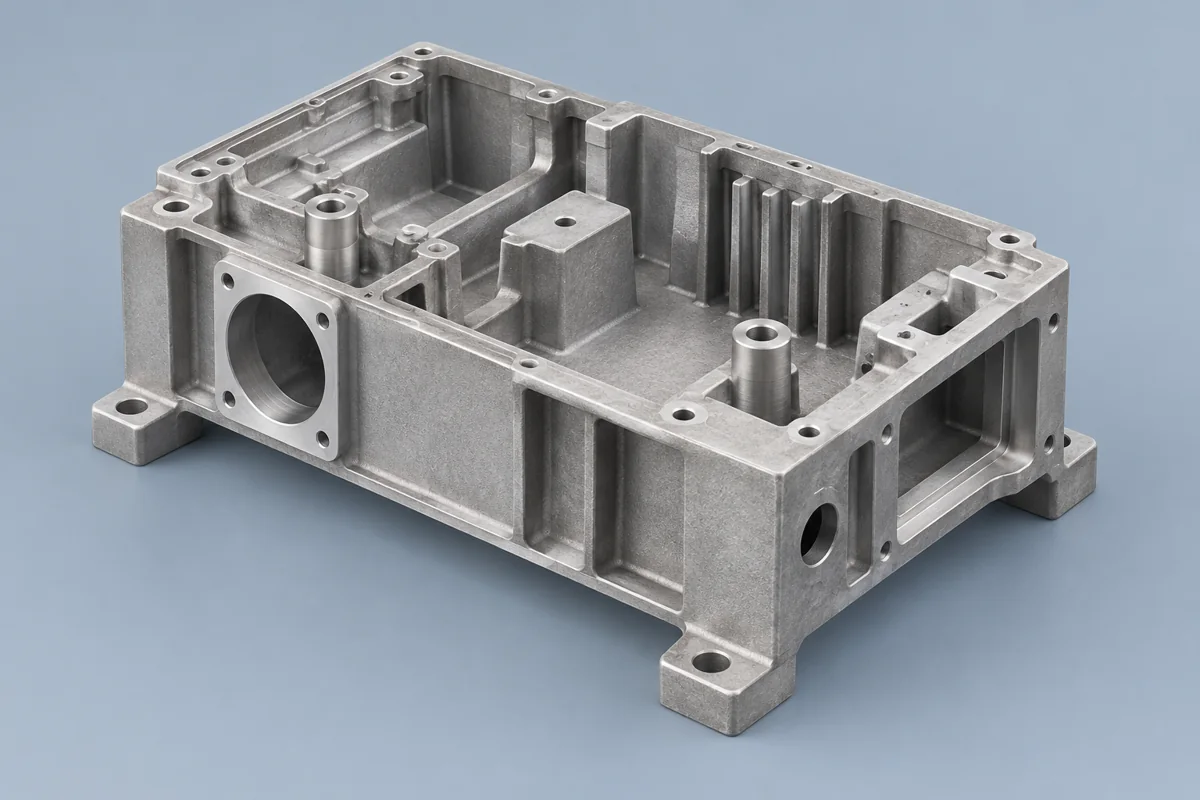
Samples Check the Delivered Plate Condition
Samples should confirm the risky geometry and final interfaces, with order-specific key dimensional records agreed beforehand. Any proposed design change needs its own controlled approval. A successful trial then becomes the reference for the repeat scope rather than an informal visual example.
A Volume-Based RFQ Makes Alternatives Comparable
State the sample quantity, likely annual demand and release sizes. Clarify tooling ownership, finishing, delivery condition and required records. This gives the quotation a purchasing context and avoids carrying a high-volume assumption into a smaller program.
Send the Plate Drawing and Production Volume
Send the plate model, aluminium requirement, quantities and critical mounting details. Include any limits on tooling investment and the features that must remain unchanged. We can review the casting and machining alternatives around your actual purchasing plan.
- [email protected]
- Phone
- +86 185 6176 2631
- +1 404 203 0971
- Project enquiry
- Contact our Qingdao team