
Forged Components with CNC-Finished Interfaces
Relia reviews custom forged components with material condition, trim regions and CNC interfaces defined from your drawing. Forging shapes metal by deformation; it is a separate proposal from casting. For a connector or steering component, we agree the mating geometry and required duty evidence before approving the sample basis.
Review your forged-component drawing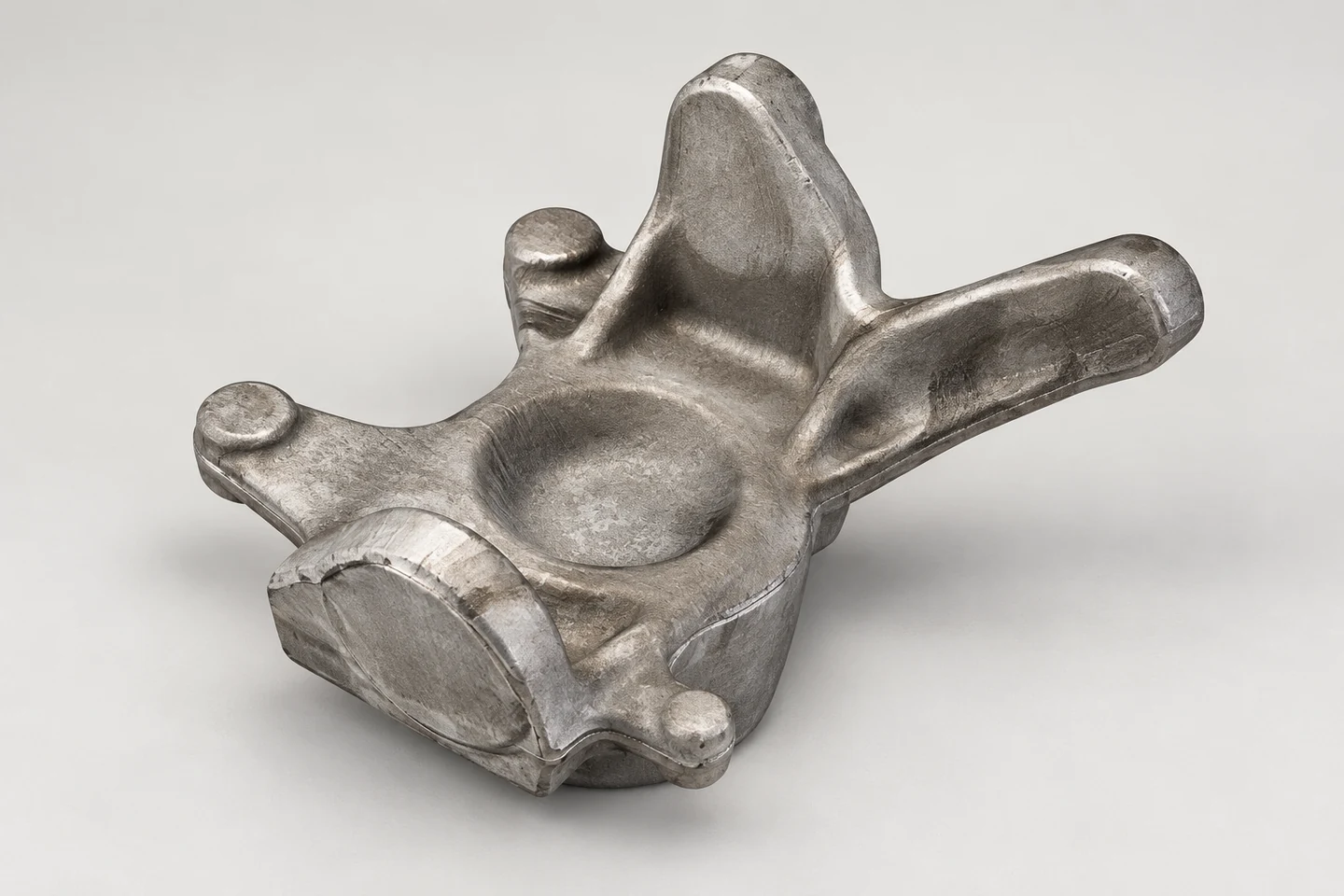
- FormThe forged section and practical die arrangement.
- FitBores, tapers, threads and working contacts.
- DutyThe specified properties and component acceptance.
The Loaded Sections Lead the Manufacturing Brief
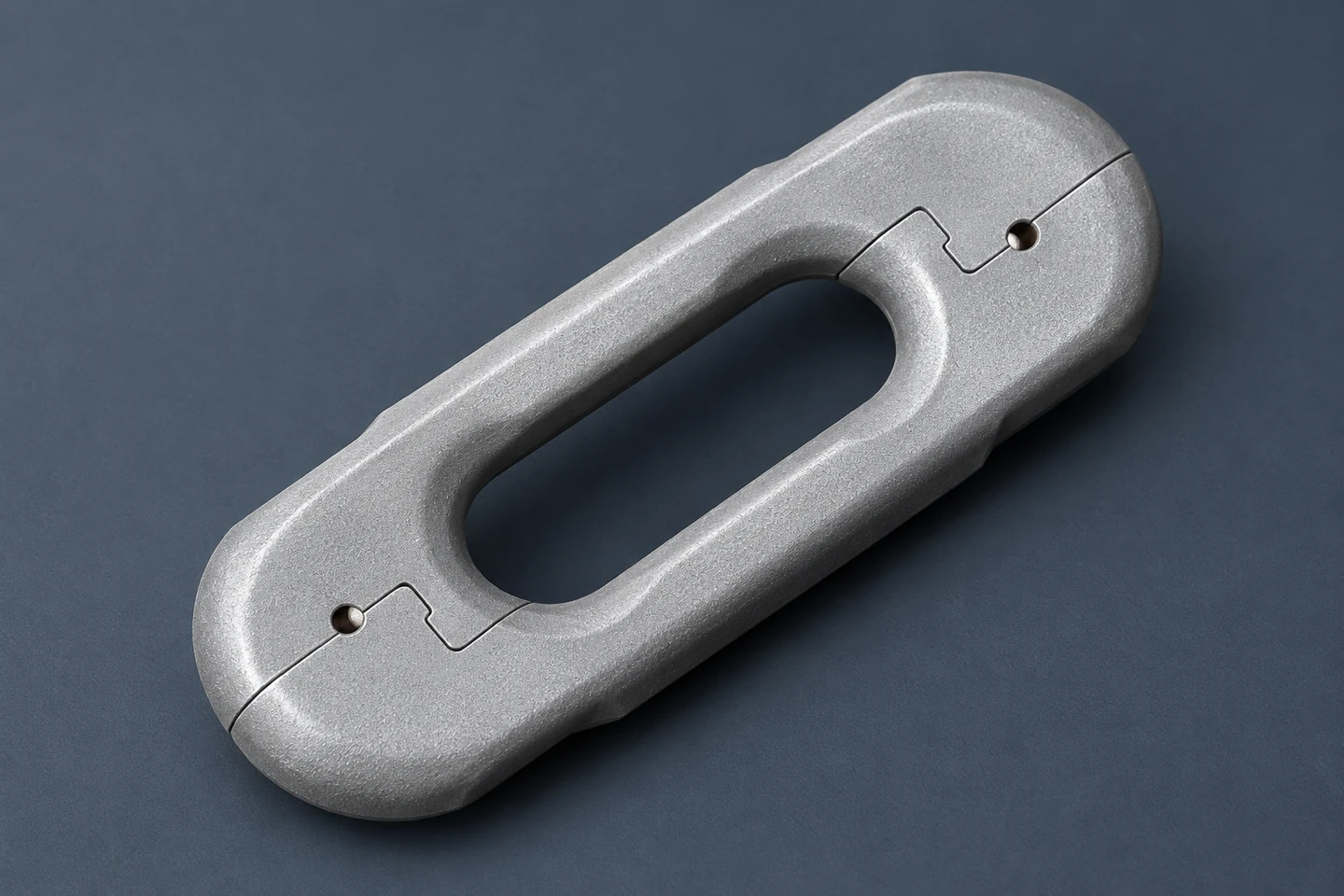
Relia reviews the actual forging request rather than inferring duty from a similar-looking part. The mining-link listing includes an elongated opening, rounded ends and joining details; the steering-component listing includes several related bore directions. Those shapes need different material, die, treatment and CNC discussions. Any proof load or vehicle-specific qualification belongs to its actual design and acceptance plan.
- LinkEnd contacts, section continuity and joining geometry.
- Steering partBore axes, arms and mounting relationships.
- Custom componentThe actual drawing and operating brief.
The Die Plan Connects Shape with Cleanup
A forging proposal needs a practical parting arrangement and a route for removing excess material. The allowed trim region should respect loaded sections and final contacts. Ribs, recesses and changes of section affect how the blank can be formed. Where the proposed geometry differs from the finished design, separate the forging envelope and machining allowance from the released component requirement.
- Die arrangementThe proposed separation and forming direction.
- Trim regionAccessible excess-material removal.
- Local stockMaterial retained at final cuts.
The Grade and Treatment Define the Material Condition
A steel designation alone does not state the final properties of a forged connector. Identify the applicable specification and required delivered condition. Relia carries out order-agreed heat treatment in its own factory, with the actual material requirement guiding the route. Hardness, mechanical properties or examination requirements need the relevant test basis rather than a general high-strength label.
- MetalSpecified forging grade and requirement.
- ConditionThe actual thermal state ordered.
- EvidenceApplicable property and component checks.
A Connection Link Needs More Than Its Outside Length
For the catalogue’s split connection-link geometry, opening length and width need to work with the joining arrangement and mating link. The inside end contacts, section changes and pin or closure details must be defined together. A smooth exterior or a mark on a sample does not establish working-load capacity. State the actual test and acceptance requirements for the proposed connection.
- Mating spaceOpening and required assembled clearance.
- Joining featuresPins, seams or closure geometry.
- Loaded contactsSections and end regions identified for review.
Related Bores Share a Machining Reference
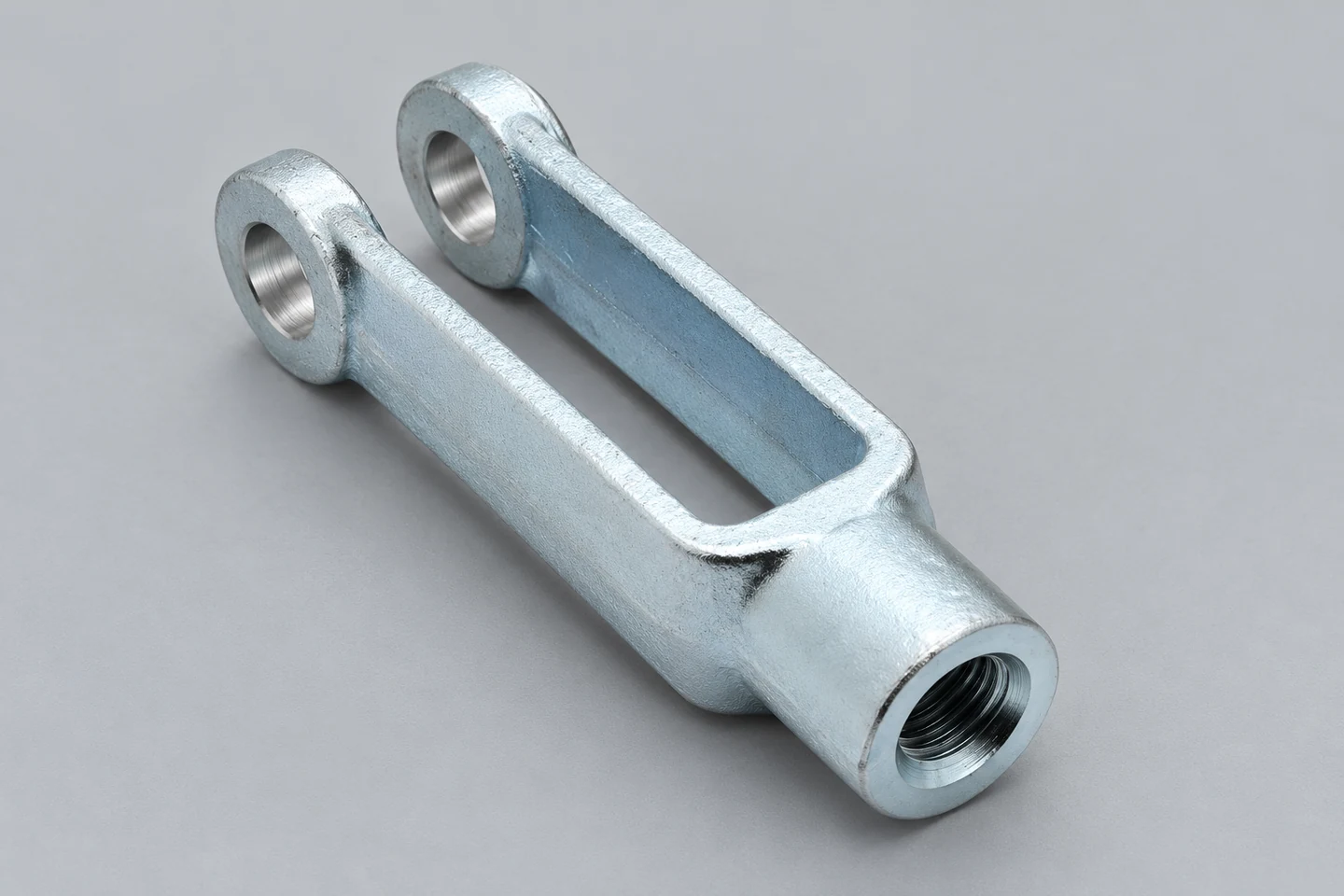
A clevis has two pin bores whose alignment matters alongside the fork gap and threaded boss. A steering part adds other axes and mounting contacts. The fixture plan follows those relationships, supporting the real blank without forcing an arm into a temporary position. Final measurements should use the same meaningful reference scheme as the mating assembly.
- LocateA stable functional reference.
- MachineThe paired or related contacts.
- MeasurePosition and orientation as well as individual size.
Coating Boundaries Protect the Fitted Surfaces
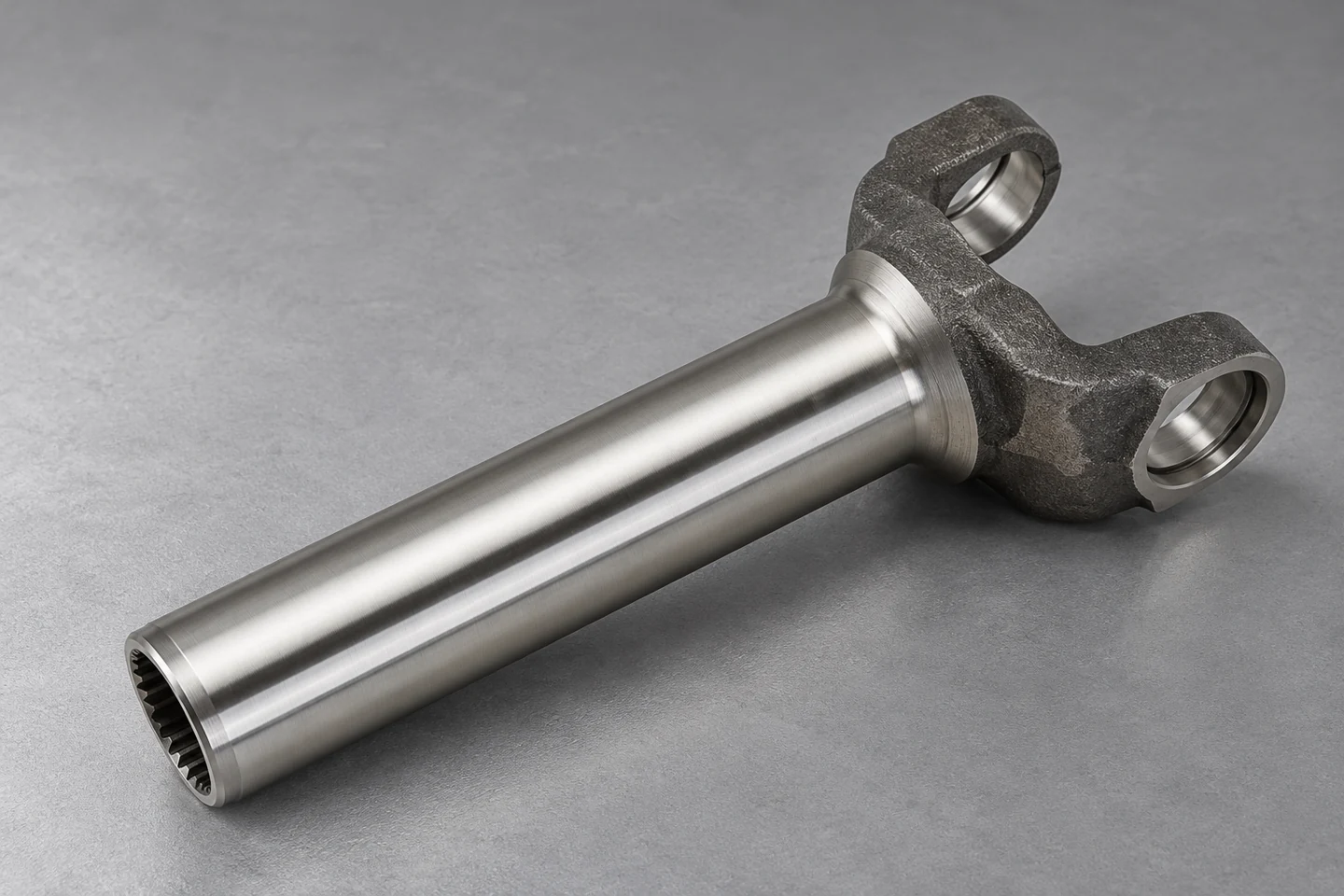
The slip-yoke example separates a textured body from its shank and bearing-seat regions. Those contacts may need a different final condition from the exterior. Define masking, any final machining and protective packing so surface work does not change a fit already accepted on the sample. The delivered state should remain clear through treatment, checking and shipment.
- ExteriorThe specified protective or appearance system.
- FitsControlled bores, shanks and seats.
- HandlingSeparation at finished or projecting contacts.
Sample Acceptance Follows the Intended Duty
Inspect the relationships that make the component work, then add the material or duty checks required by the design. A proof test, breaking-force requirement or vehicle approval needs its own scope; none is established by a component photograph. Relia agrees the sample acceptance with you, records agreed key dimensions per order and arranges the batch after your sample approval.
Check the dimensions and their relationships at the actual contacts.
Use the specified grade and the relevant treatment or property evidence.
A proof test, breaking-force requirement or vehicle approval needs its own applicable scope.
Keep Forging and Casting Decisions Distinct
Use the connector and steering-component guides for their specific procurement scope. Where the drawing permits a cast-versus-forged comparison, keep the same finished requirements and compare material form, tooling, machining and validation explicitly. The investment-casting pages describe a different forming route.
Contact the Casting Team
Send the actual component and mating drawings, required forging material and condition, quantities and duty-related acceptance requirements.
Qingdao Reliacasting Co., Ltd.
Drawing-based metal castings and CNC-finished OEM components from China.
Qingdao officeNo. 96 Shuyuan Road
Qingdao, Shandong, China
Arrange a project visit with us before travelling.
The released drawing, selected material and agreed order define the supplied component and required acceptance evidence.