
Precision Cast Parts with Functional Roughness and Visible Surface Requirements
Your working contacts and visible exterior can need different surface acceptance. Relia reviews cast components with those duties marked separately. Define geometry and roughness at sealing or mating regions, then agree an appearance reference for the body so the quote and sample address both tasks.
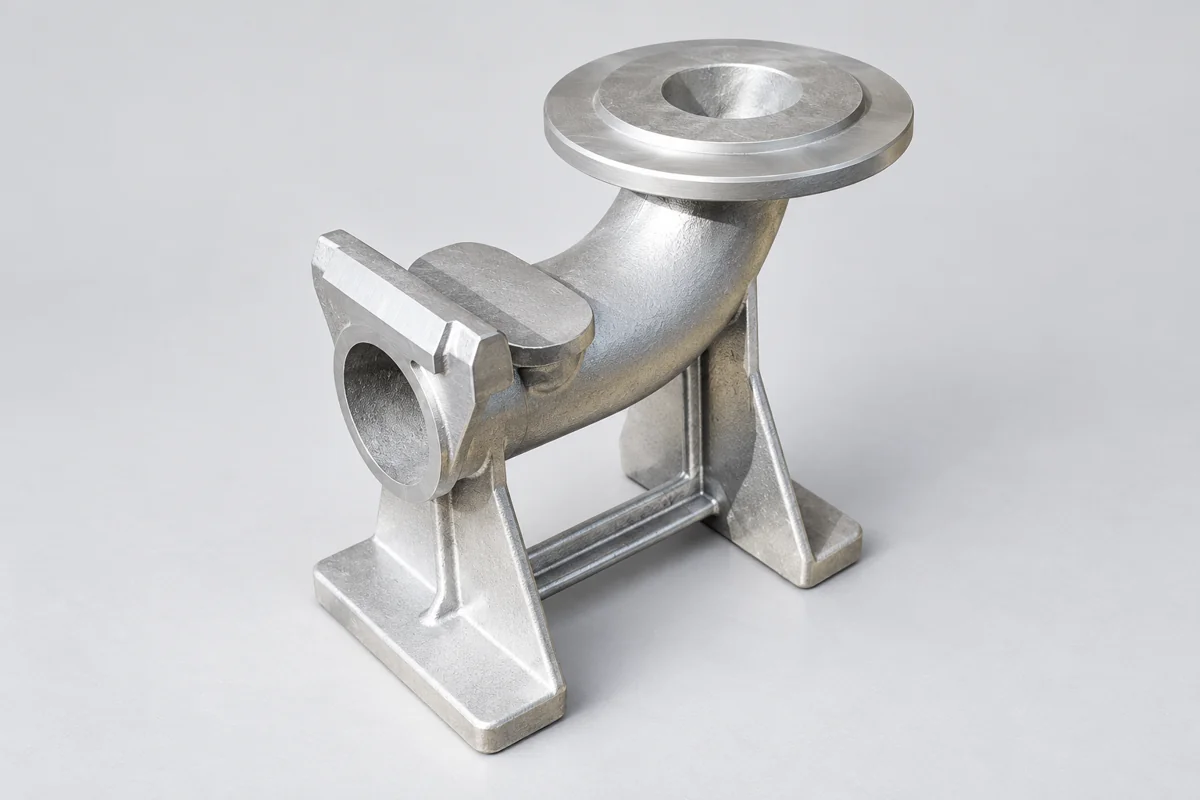
Each Surface Has a Different Job
Relia reviews the casting, specified machining and finishing around the surfaces your component uses. We separate the functional contacts from the surrounding visible body. This makes it possible to discuss a professional delivered appearance without substituting it for measured interface acceptance.
A Surface-Duty Map Separates Functional and Visible Areas
Mark sealing faces, bores, locating pads and visible areas on the drawing. A flanged body, support or mounting plate can divide these duties differently. The map should show where the final geometry matters and where a consistent appearance reference is the relevant requirement.
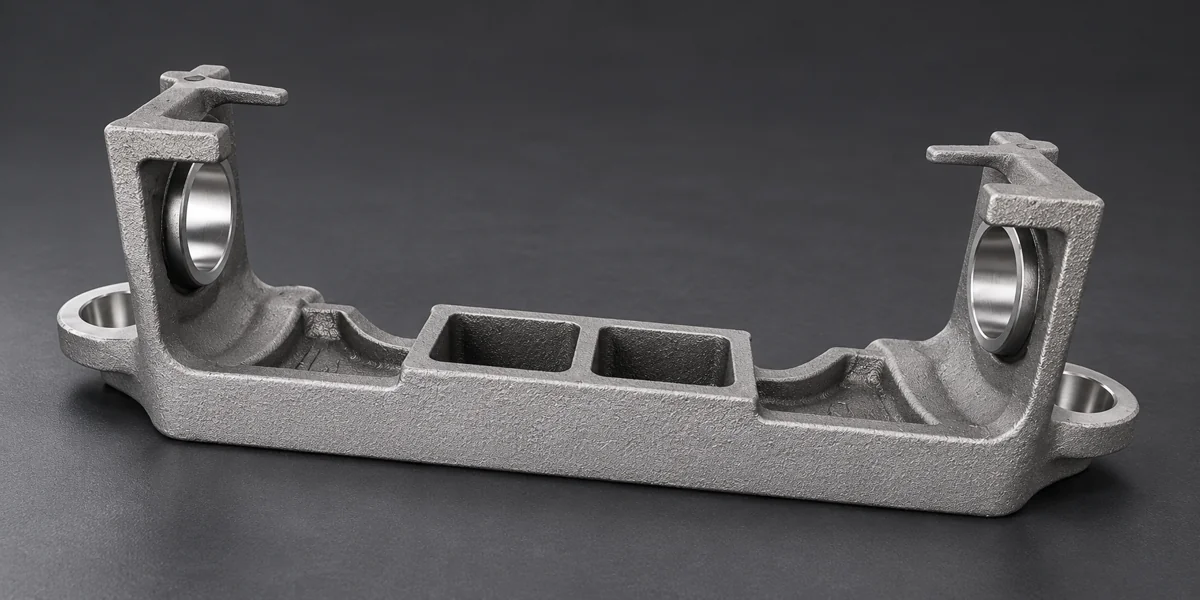
Material and Treatment Define the Starting Surface Condition
Agree the actual material, delivered condition and any treatment included. Surface requirements need to suit that selected combination and the geometry. A catalogue finish option does not establish one accepted roughness or visual standard for every cast surface.
Casting Cleanup Protects Regions with Final Requirements
The casting and cleanup plan should protect the regions that will carry the final requirements. Identify permitted feed contacts, blending and material removal before samples are made. Keep the stock needed at functional surfaces separate from general outside cleanup.
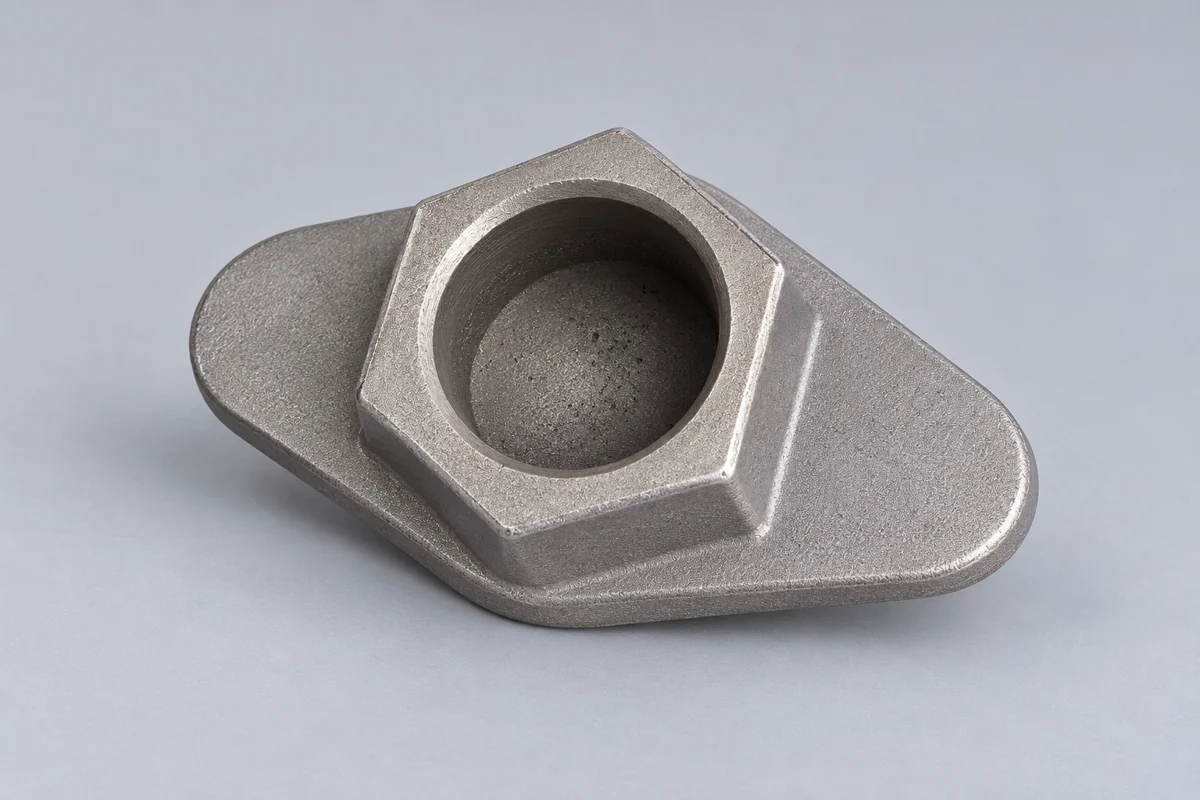
Functional Roughness Uses a Parameter, Location and Method
Specify the roughness parameter, location and measurement requirement for functional regions where it applies. A visually bright surface is not automatically a measured sealing finish. The acceptance plan should identify which region was checked and the supplied condition in which the result applies.
Visible Surfaces Use an Agreed Appearance Reference
Use an agreed visual reference for the exposed body and define its evaluation conditions. Local texture, cleanup transitions and permitted marks should have a practical basis. That appearance approval remains distinct from dimensions and surface measurements on working contacts.
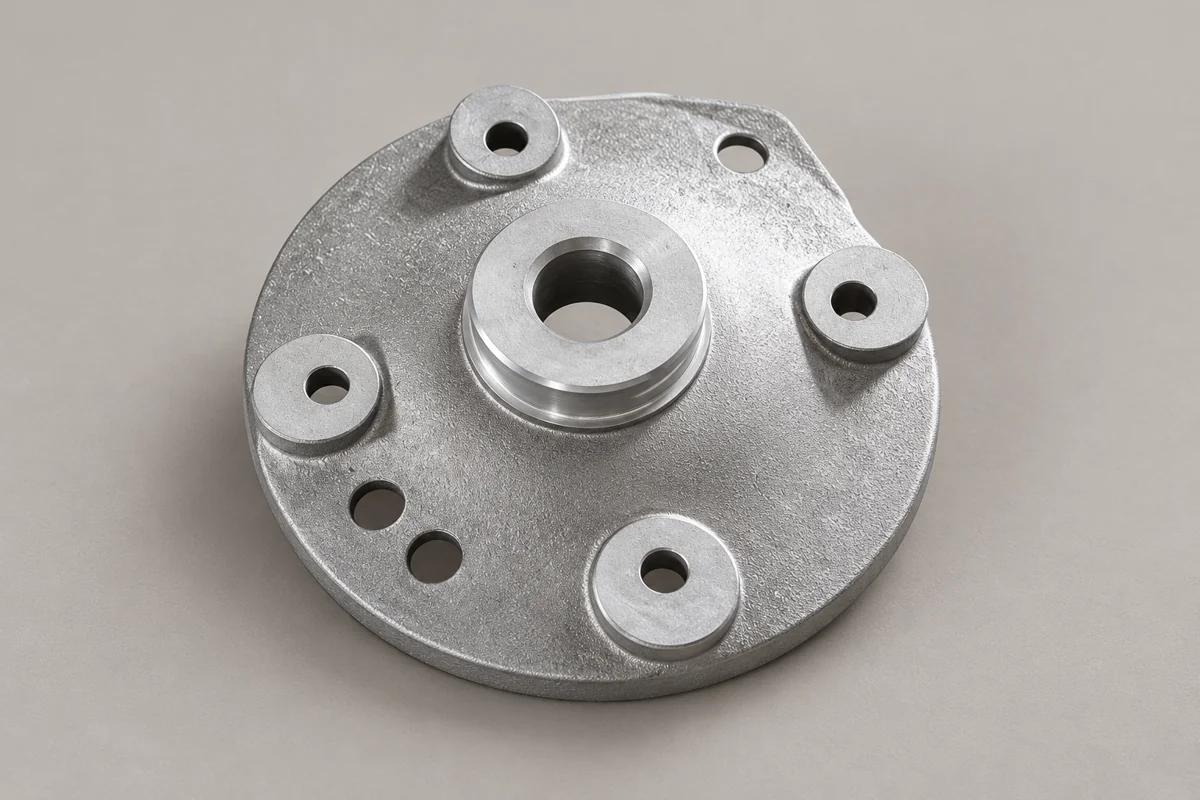
Acceptance Uses Both Records and Reference Samples
Check the sample in its final agreed condition. Connect dimensional and roughness records with the appearance decision and drawing revision. We can provide order-specific key dimensional results, while keeping any treatment or application evidence tied to its own applicable requirement.
The Quote Separates Surface Work from Functional Tests
Include the surface-duty map, required measurements, visual reference and quantities in one enquiry. Add treatment, sample approval and delivery protection for sensitive regions. The quote can then cover a finished part that is both understandable to inspect and suitable for the next assembly step.
Related engineering and purchasing guidance
Send the Surface Zones and Acceptance References
Send the drawing with functional and visible regions marked. Add the roughness requirement, appearance reference, material and quantities. We can review finishing and sample acceptance without treating every surface as the same task.
- [email protected]
- Phone
- +86 185 6176 2631
- +1 404 203 0971
- Project enquiry
- Contact our Qingdao team