
Prepare a Stainless Casting RFQ for the Actual Service
For a stainless-casting RFQ, tell us the medium and the connection as well as the requested grade. Relia connects these details with the cast specification, surface condition and final machining. Use this guide to prepare an enquiry that explains the service requirement and the evidence your team needs.
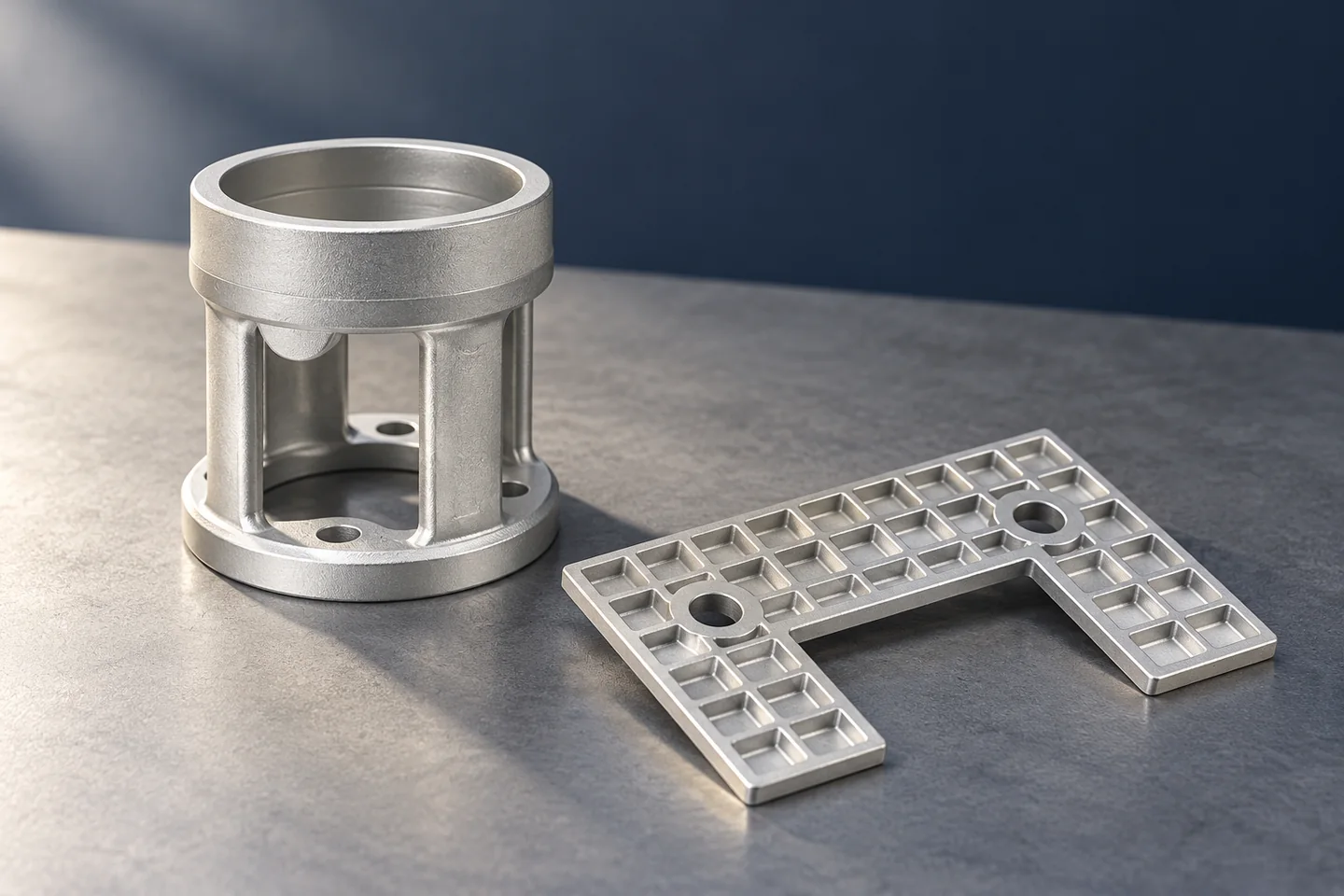
- Service
- Medium, temperature and cleaning conditions
- Metal
- Cast grade, specification and treatment condition
- Finished contacts
- Threads, seats, bores and surface requirements
Specify the Cast Grade and Governing Standard
Relia reviews the service requirement before treating a stainless designation as a complete purchasing instruction. A wrought product name and a cast grade may be related without carrying identical specification requirements. Relia connects the agreed cast alloy to the mold route, treatment, machining and finishing scope. The enquiry should also identify whether the component needs a material record, integrity check or application-specific evidence.
Designation
The specified cast grade
Reference
Applicable standard and supplied condition
Evidence
The material records or tests required by your project
The Service Environment Gives the Alloy Request Meaning
Tell us about the medium, temperature and relevant operating conditions that influence your choice. We use that context to understand the requirement, without treating the word stainless as a universal corrosion guarantee. Application-specific suitability remains tied to your design and the evidence needed for approval.
Exposure
Medium and relevant environmental conditions
Operation
Temperature, cleaning and duty where applicable
Acceptance
The criteria your component must meet
A Finished Bore Needs Its Own Definition
A catalogue fitting can make the shape clear while leaving the working interface unspecified. Mark the bore, sealing face, thread and datum relationships on your drawing. We review those features with the required surface condition so the quotation concerns the finished part your assembly will use.
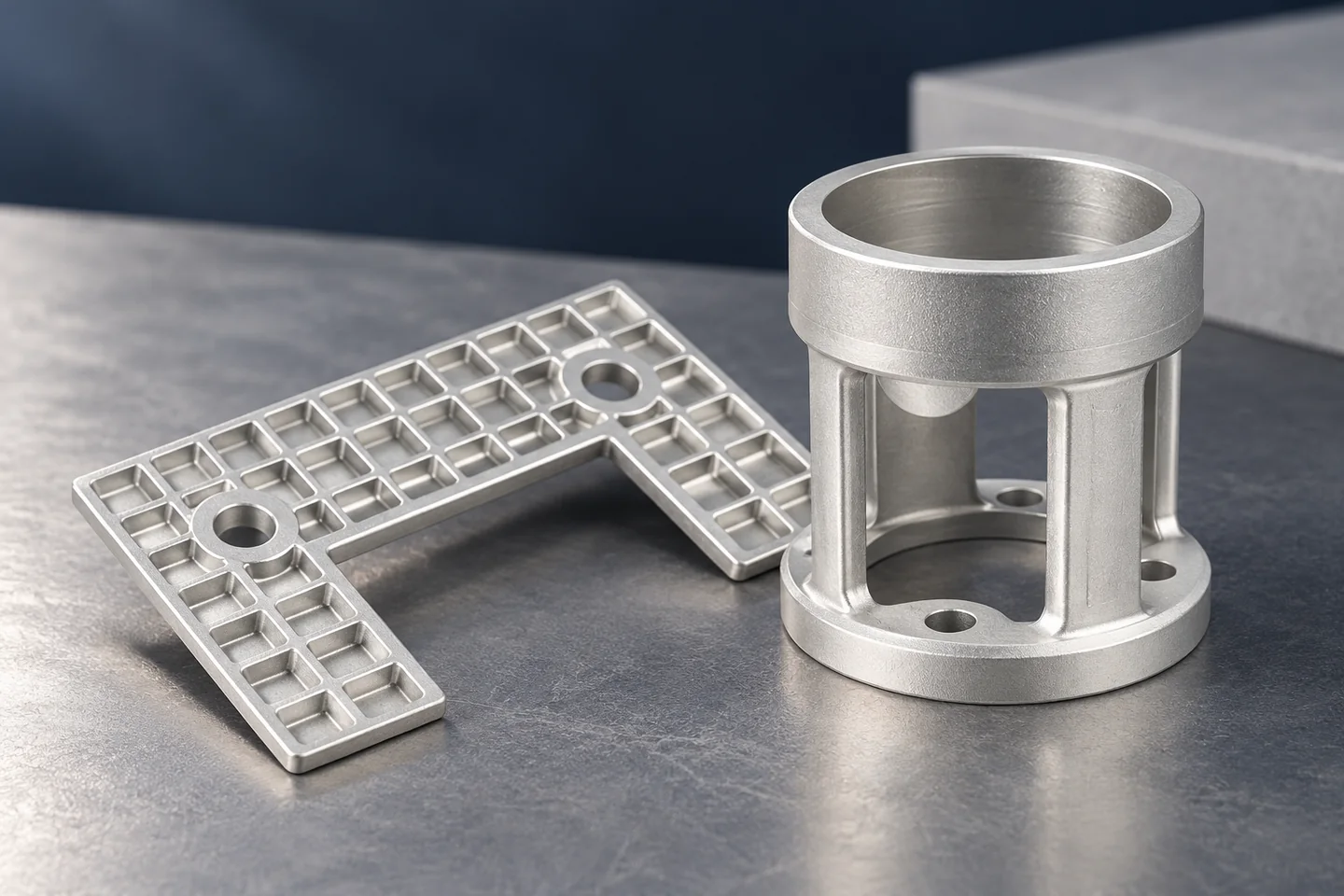
Connect the Alloy Request to the Supplied Surface
The casting route and secondary operations should be described for the selected stainless grade and connection. Finish and testing requirements are area-specific, not implied by the metal name.
- 01Specify
- 02Cast and condition
- 03Machine and finish
- 04Assess
| Production stage | Operation and purpose | Control to agree |
|---|---|---|
| Specify | Agree the cast designation and governing requirements. | Environment, product form and required material evidence. |
| Cast and condition | Form the body and apply the specified treatment and cleaning. | Sections, feed paths and grade-specific condition. |
| Machine and finish | Create the bore, thread, seat and ordered surface state. | Connection reference, roughness and cleaning access. |
| Assess | Review the finished sample and requested records. | Dimensional results and any defined integrity or service test. |
Keep the Material Request with the Current Drawing
Send the material specification alongside the latest component definition and any relevant assembly context. We use that shared pack to discuss the route and proposed supplied condition. It also helps keep sample and documentation requests connected to the requirement that is actually being quoted.
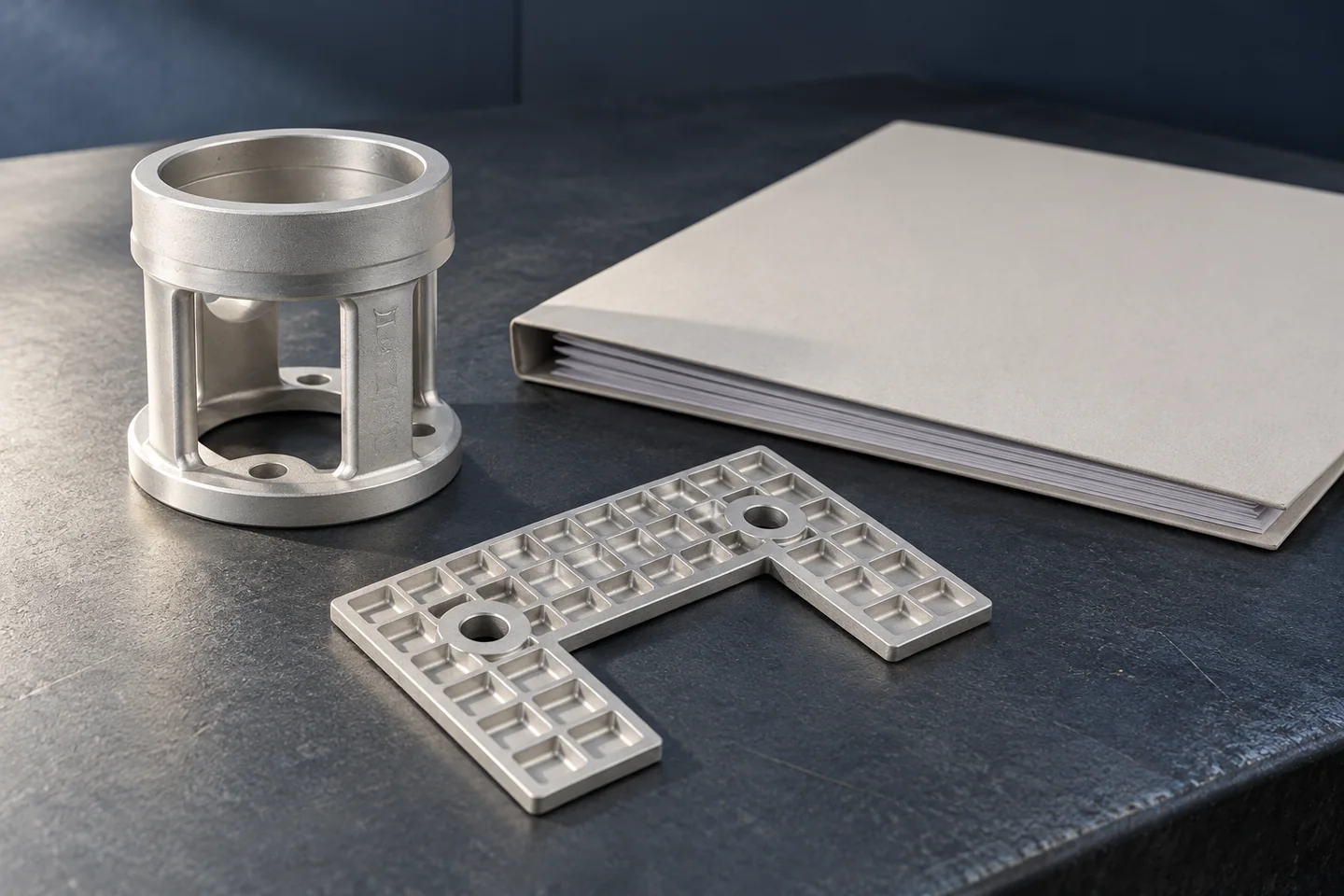
Application Approval Needs Its Own Evidence
A stainless component is not automatically approved for food contact, pressure service or another regulated use. Tell us the applicable requirements and documents your approval process needs. We discuss those items as part of the project rather than deriving a qualification claim from a material name or product photograph.
Material acceptance
Specified grade and supplied-condition evidence
Component acceptance
Dimensions and relevant inspection results
Application approval
Applicable project or market requirements
Define Internal and Functional Checks Where Relevant
If leakage, internal soundness or another performance risk determines acceptance, identify the relevant areas and criteria. We discuss the suitable evidence within the actual supply scope. Dimensional inspection and outside appearance do not replace those separately specified requirements.
Area
The feature or region requiring assessment
Method
The applicable check and conditions
Record
The result and acceptance reference your team needs
Samples Connect the Alloy Request with the Finished Part
The sample package should let your team review the component and requested material evidence against one specification. We align those outputs before the review and keep any deviations visible. Functional or application approval stays tied to the intended use and the agreed criteria.
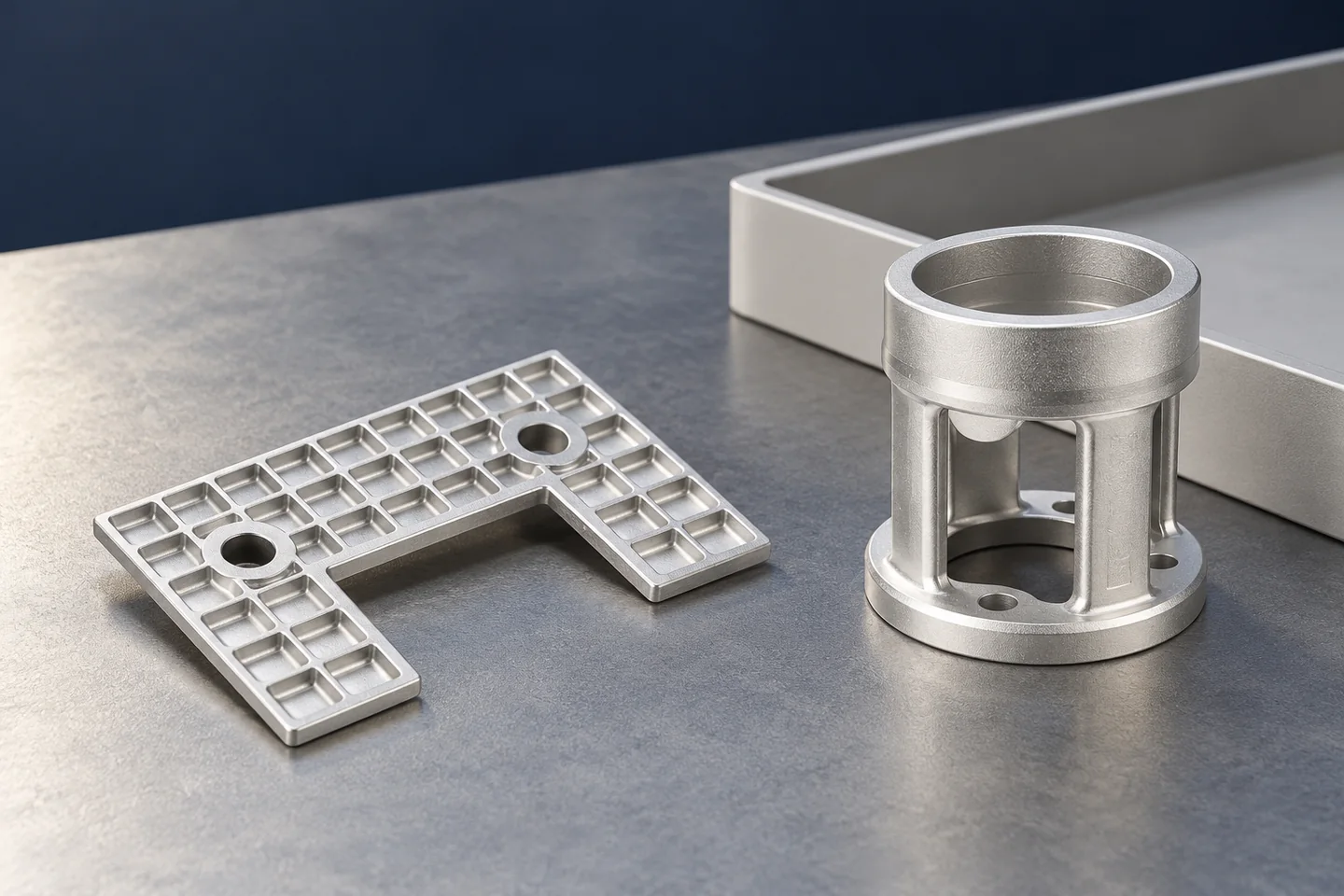
Prepare the Material and Interface Details Together
Send the cast grade, current drawing, quantities and required finish. Include the service context and the records your approval process expects. We can then discuss a stainless steel component proposal that makes the casting, machining and acceptance boundaries clear.
A useful first message
- Cast stainless grade and governing standard
- Medium, temperature or cleaning exposure
- Connection drawing and final surface condition
- Required records and quantities
The email link opens an editable draft. Share the information you have and identify any open points.
Relia Casting · Project Contact[email protected]Phone: +86 185 6176 2631WhatsApp: +1 404 203 0971Qingdao office: No. 96 Shuyuan Road, Qingdao, Shandong, ChinaRelia Casting homeMore relevant component and technical pages
Product illustrations explain catalogue-based geometry. The agreed drawing, material specification and order define the supplied component. Manufacturing and project acceptance requirements are reviewed for the actual part.