
Investment Casting for Detailed Steel Components
Relia supplies drawing-based steel and stainless-steel investment castings from China, with CNC finishing agreed for the bores, seats and mounting contacts you need. For brackets, fittings and hollow bodies, we review the thin sections, cleanup access and local stock before defining the pattern and sample scope.
Send your investment-casting drawing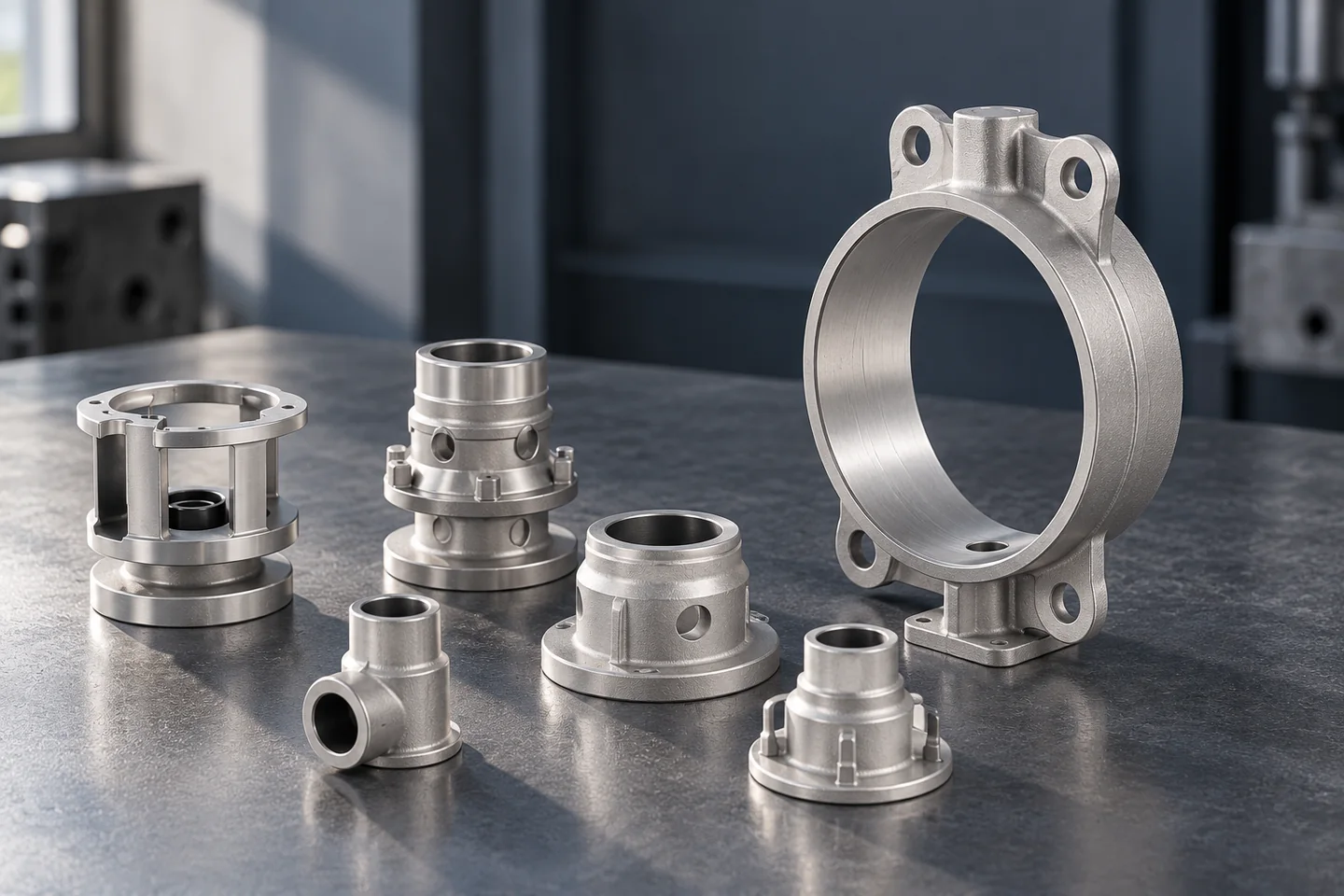
- FormDetailed outside shapes and accessible recesses.
- FinishSpecified bores, seats, threads and fixing faces.
- SelectThe actual alloy, geometry and production demand.
The Finished Component Leads the Casting Review
Relia reviews the released model and drawing before defining the pattern and finishing scope. The catalogue’s stainless brackets, hinge forms and valve-body geometries illustrate different tasks: a thin arm must fill, a recess must be cleanable and a sealing contact must accept a final cut. We keep each component’s material, sections and working features together instead of assigning one precision claim to the whole range.
- BracketThin arms, bosses and loaded junctions.
- FittingPassages, ends and sealing contacts.
- HardwarePivots, fixing faces and visible surfaces.
Wax, Ceramic and Metal Perform Different Jobs
The expendable pattern reproduces the proposed blank and connects to a pouring arrangement. Ceramic layers build the mold around it; the pattern is removed before metal is poured. After cooling, the shell and gates are removed. Each transition deserves a different check: pattern shape, mold access, the filled section and the cleaned casting are related, but they are not the same manufacturing state.
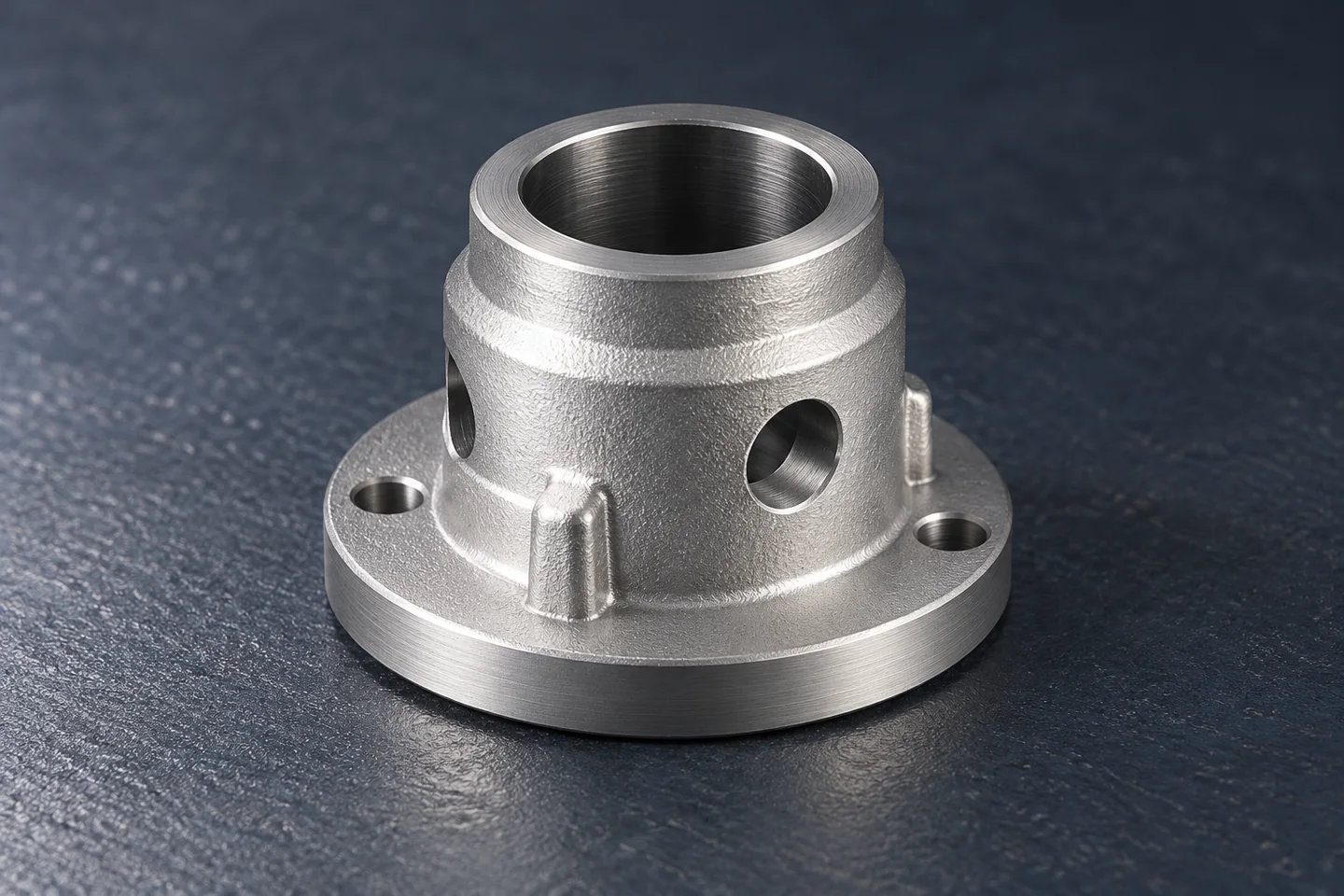
The expendable pattern includes the proposed shape, local stock and connection to the pouring arrangement.
Ceramic layers surround the pattern. Pattern removal leaves the mold prepared for metal.
After filling and cooling, remove shell and gates, then review the cleaned blank before finishing.
Sections and Access Decide the Useful Geometry
A thin arm beside a heavy boss creates a different filling and cooling problem from a uniform wall. Blend junctions where the design permits and identify the region that remains thickest. A deep pocket also needs access for shell or core removal. Those reviews may lead to a local geometry proposal, but a change to the functional drawing remains subject to your design release.
- Thin regionA realistic filling path and section.
- Heavy junctionA workable local solidification arrangement.
- RecessAccess for mold material removal and inspection.
The Casting Specification Identifies the Metal
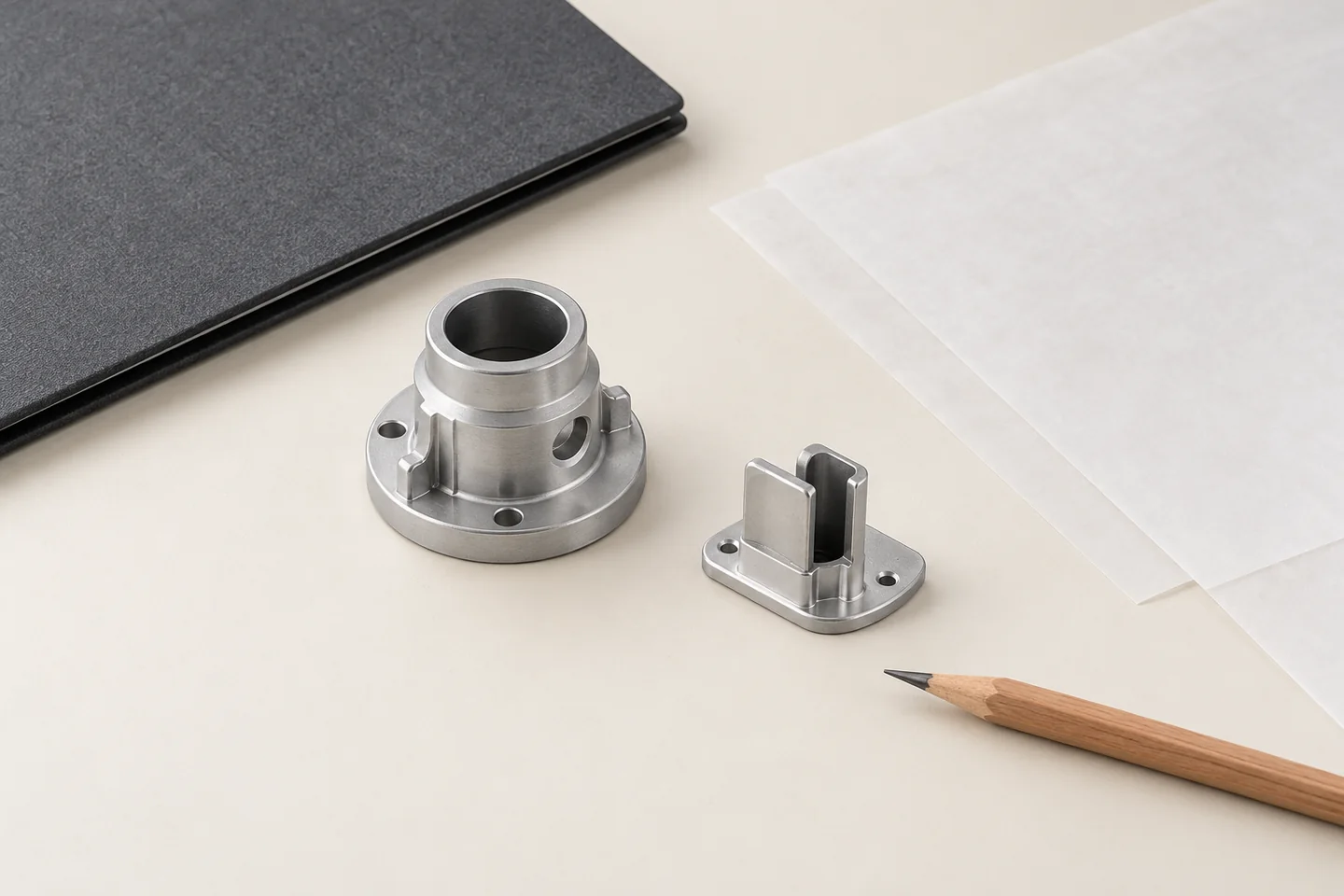
Stainless, carbon-steel and alloy-steel castings require a selected product specification and delivered condition. Familiar 304, 316 or 17-4 PH wording can describe the enquiry direction, but the order needs its actual cast-grade requirement. We review the material with service exposure and later processing; a reflective fitting does not determine its chemistry or pressure suitability.
- SpecifyCast grade and applicable material document.
- ConditionRequired thermal and surface state.
- RelateMaterial evidence for the actual supplied part.
Local Stock Connects the Pattern to the Final Cut
The ring-body example makes the split clear: casting forms the body while machining establishes the bore, face or seat. Stock is placed at those contacts, and the first setup needs stable locating areas. A gate-removal region should also be chosen so cleanup does not cut into a thin arm, sealing shoulder or important visible face. These decisions are easier before the pattern tool is committed.
- StockWhere a finished cut is required.
- FixtureHow the blank reaches its first reference.
- CleanupAllowed gate and edge-finishing regions.
Surface Work Follows the Contact’s Purpose
A hinge exterior may need a defined appearance while its pivot needs a controlled working clearance. A fluid body may need a clean passage while its seat needs a separate finish requirement. Polishing, cleaning and machining therefore have different roles. Mark the regions and acceptance stage so cosmetic work does not round a functional edge or change a fitted contact.
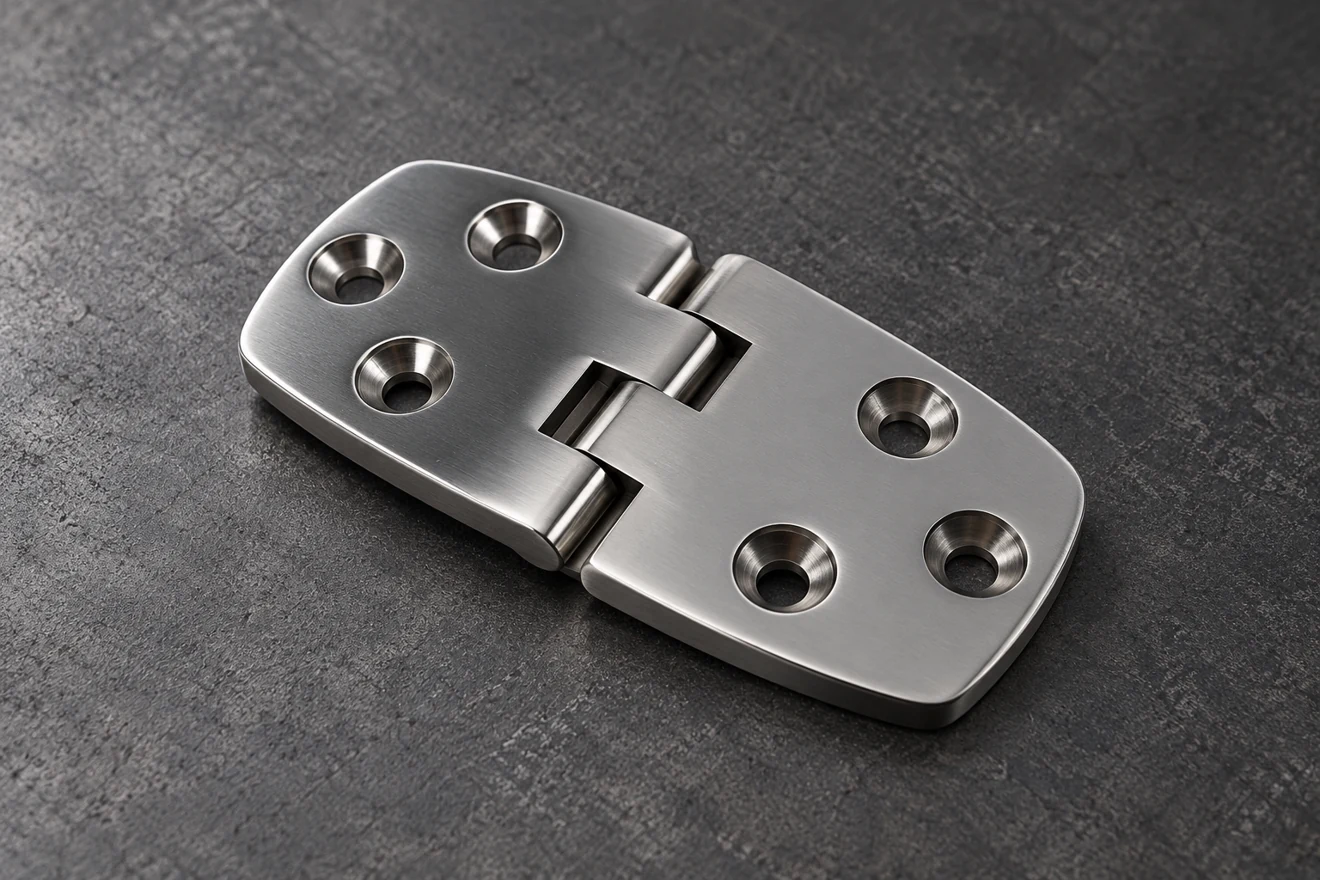
- VisibleAppearance reference and permitted texture.
- WorkingThe drawing’s fit and surface requirement.
- InternalAccessible cleanup and residue acceptance.
The Sample Checks the Difficult Regions
Use sample inspection to close the main manufacturing uncertainties: fill at a narrow arm, cleanup within a recess, stock at a sealing seat or a bore-to-face relationship. Relia agrees the sample requirements before production and obtains your approval before arranging the batch. Material, dimensional and any special examination records stay separate and tied to their actual acceptance scope.
- GeometryThe difficult section or finished relationship.
- ConditionThe actual alloy and supplied state.
- ReleaseApproved sample and current drawing revision.
Choose the Topic Closest to Your Part
Use this page for the overall route. The detailed guides below handle component procurement and specific design questions. Silica-sol shell building is a mold-system topic within investment casting; it is not a separate promise of accuracy or a substitute for the finished drawing.
Contact the Casting Team
Send the component model, controlled drawing, casting-grade requirement and quantities. Mark thin sections, recesses and the interfaces that need machining.
Qingdao Reliacasting Co., Ltd.
Drawing-based metal castings and CNC-finished OEM components from China.
Qingdao officeNo. 96 Shuyuan Road
Qingdao, Shandong, China
Arrange a project visit with us before travelling.
The released drawing, selected material and agreed order define the supplied component and required acceptance evidence.