
Custom Stainless Exhaust Manifold Investment Casting
You can source a custom stainless exhaust-manifold casting from Relia using the runner geometry, mounting arrangement and required service conditions. We review pattern and shell access, section transitions and flange machining together. The order and trial identify the material and checks needed for your component, rather than assuming heat resistance or vehicle fit from the manifold's appearance.
The Engine Interface Sets the Manufacturing Scope
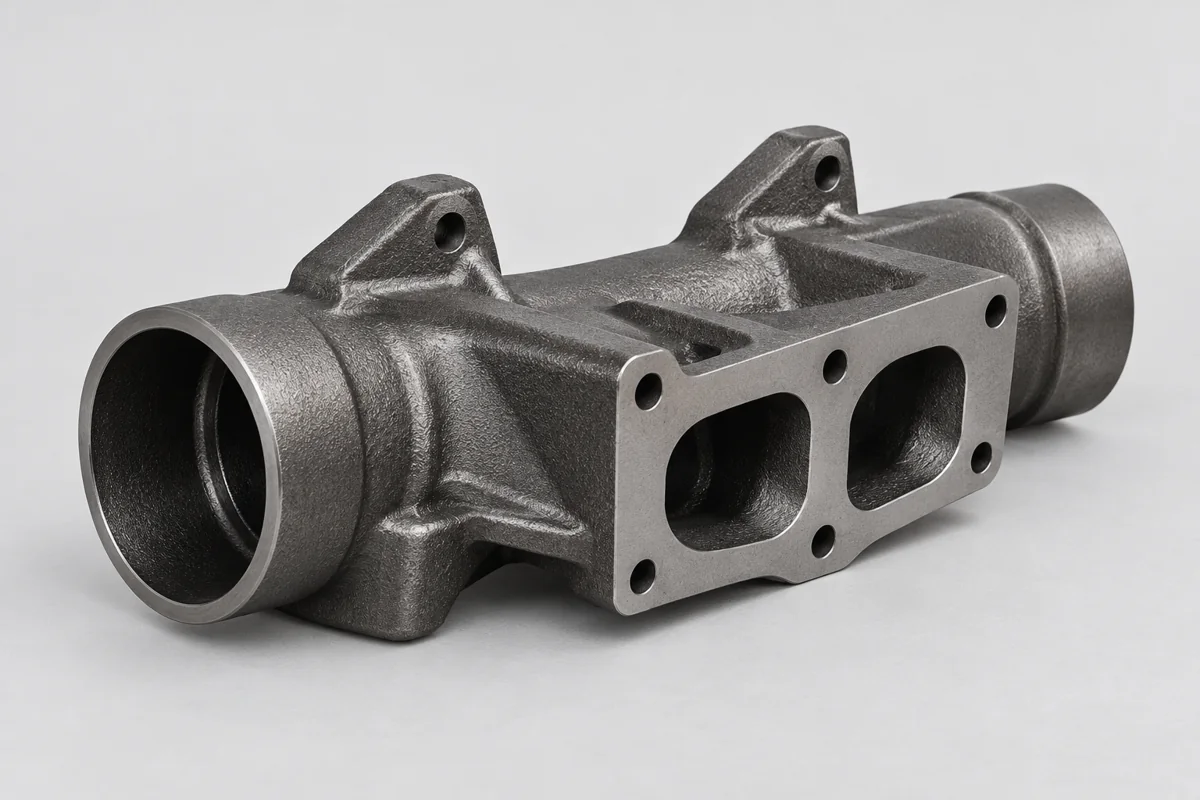
Relia connects the exhaust-component model with the runner junctions and finished mounting interfaces. We review local mass, cleanup access and the stock required at the flanges, while the customer defines the actual thermal duty and installation limits. Proposed casting changes remain subject to design approval so manufacturability does not quietly alter the intended flow or assembly.
Runner Geometry Needs a Sectioned Model
Runner geometry needs sections through branches, junctions and local wall transitions. An outside photograph cannot define the internal path or the remaining material near a finished interface. We use the controlled model to discuss the relationship between the cast passages and the installation features.
Service Temperature Belongs in the Material Brief
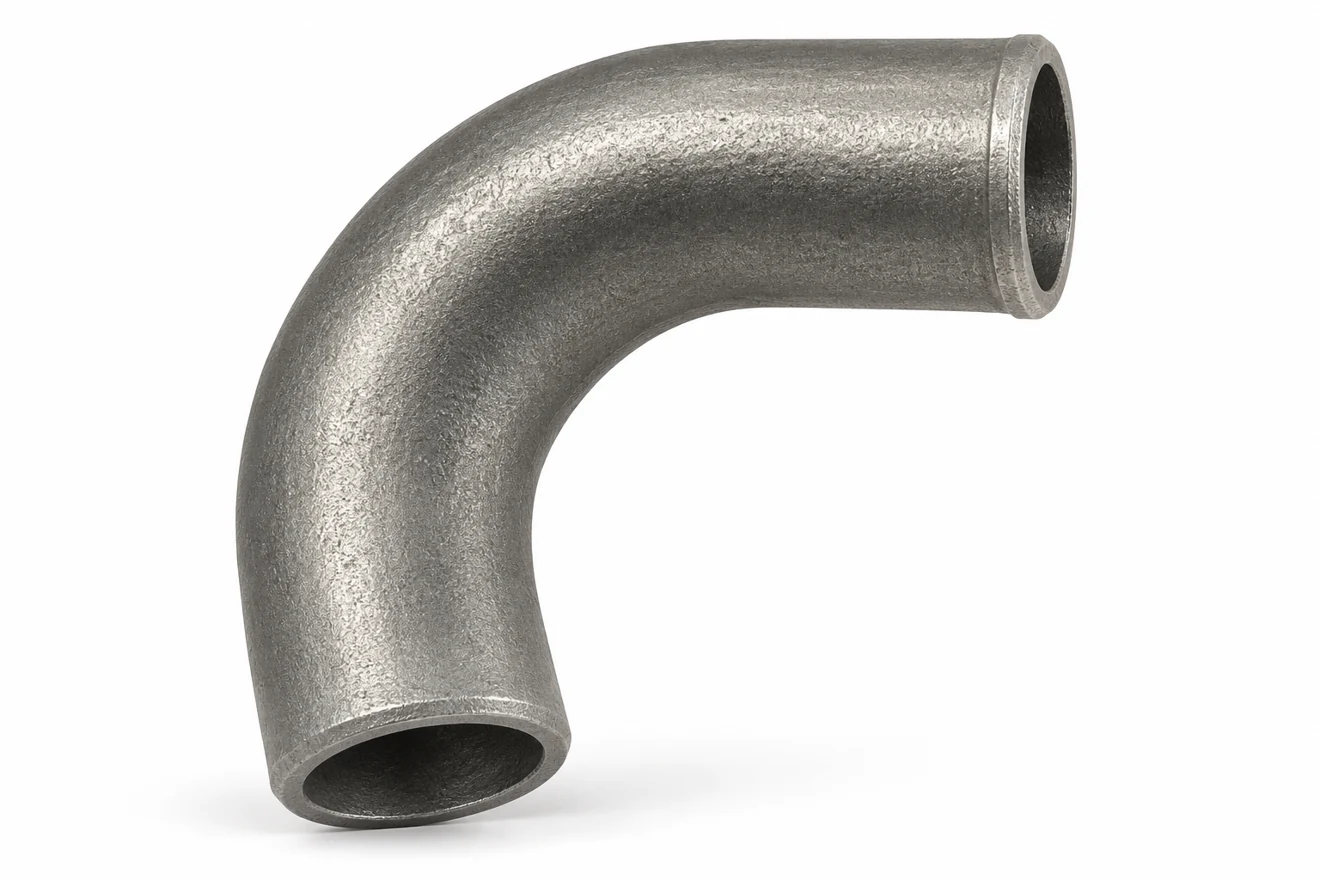
State the service temperature and any relevant thermal-cycle or project test requirement in the material brief. Approve the actual casting specification and delivered condition. A stainless name alone does not establish heat-fatigue life, engine compatibility or any emissions qualification for your application.
Review Runner Junctions Before Finalizing the Casting Shape
Where runners meet, local metal thickness can differ greatly from the adjoining wall. The casting review considers filling and solidification at that junction alongside the access needed to remove mold material. A small outside change may affect both casting feasibility and the internal route, so it belongs on the controlled design proposal.
Relia also reviews how the blank will be located for machining the mounting faces and fixing pattern. Those contacts must match the installation references after the relevant material and finishing operations. Agree the sample's geometry checks and any additional thermal or service validation separately; the component illustration does not supply those test results.
Machined Flanges Establish Installation Contacts
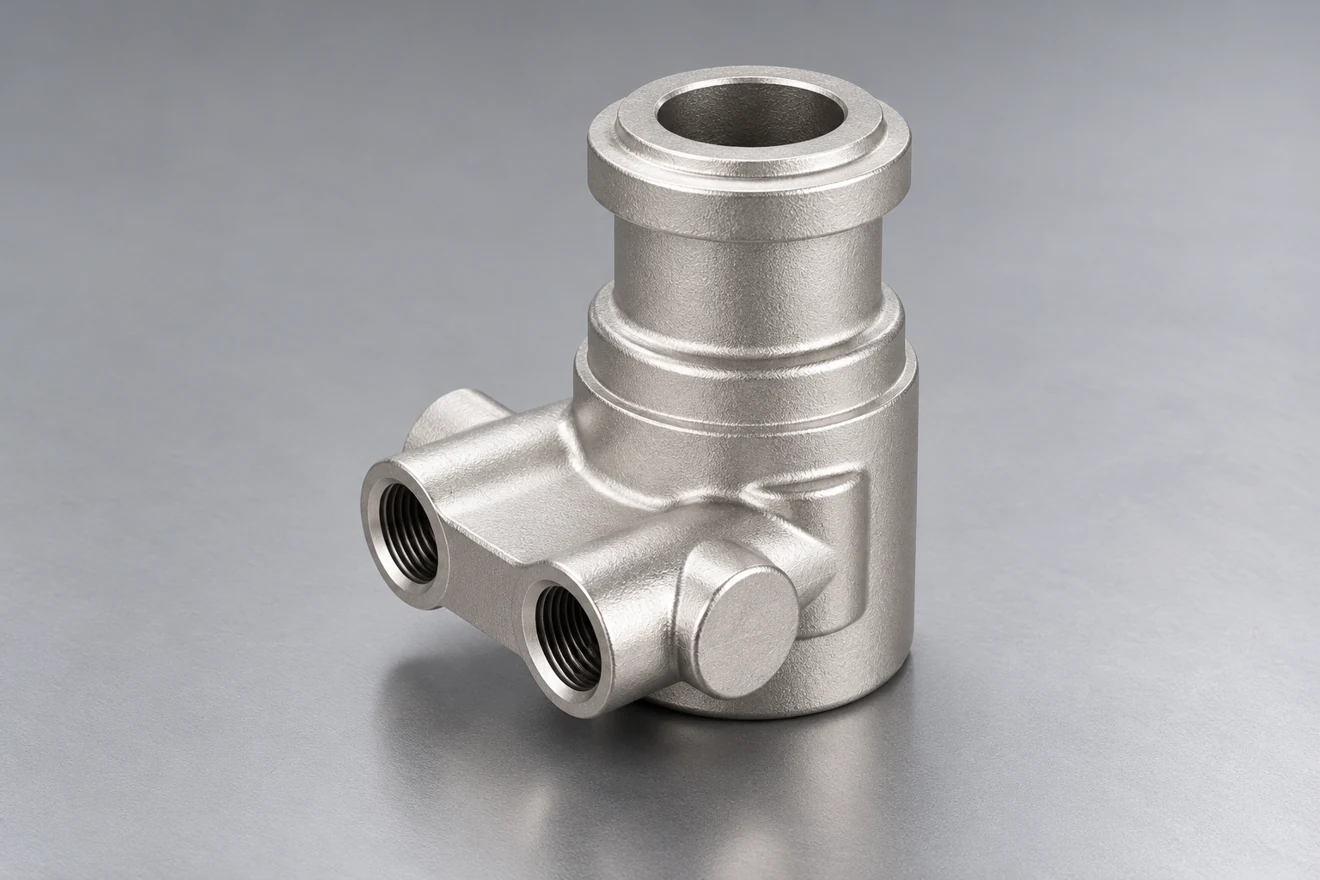
Machined flanges and mounting holes establish the finished installation contacts. Define the datum relationship, face requirement and hole pattern on the drawing. Keep outlet connections and any sealing contacts in the same interface plan so the component can be evaluated against its intended assembly.
Sections, junctions and cleanup access remain tied to the controlled model.
Machine and inspect the end relationships from the agreed installation references. Thermal validation has its own project conditions.
A Casting Trial and a Thermal Qualification Answer Different Tasks
A casting sample can confirm geometry, material records and agreed interface measurements. Engine-level heat cycling or other qualification uses its own conditions and acceptance method. Specify who performs those checks and how their results affect sample or production approval.
The Approved Revision Travels with the Sample
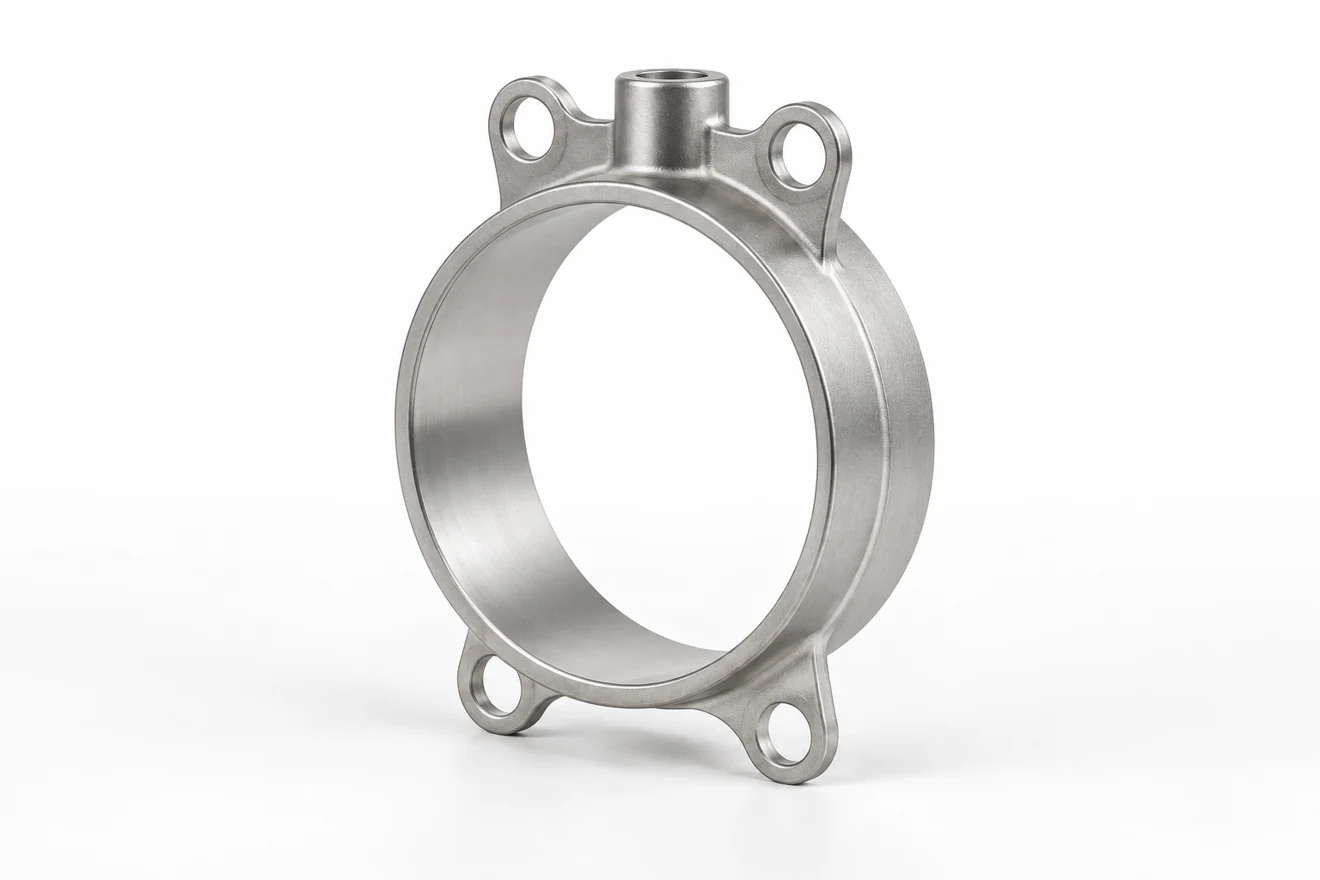
Record the drawing revision, approved manufacturing changes and sample condition together. If a runner or flange changes, review the effect on tooling, machining and the original validation plan. This avoids carrying an approval from one configuration into a different component without checking the consequences.
Detailed drawing and acceptance checklist
Compare Quotations on the Same Manifold Boundary
A comparable manifold quote includes the body, machining, required records, sample quantity and repeat demand. Add packing protection for the finished flanges and identification of the accepted revision. Vehicle names or catalogue similarity do not replace those controlled project details.
Related engineering and purchasing guidance
Send the Manifold Model and Engine Requirements
Send the manifold model, engine-interface drawing, material specification and quantity. Include thermal conditions, required validation and any restricted packaging envelope. We can review casting, flange finishing and sample scope around your actual component.
- [email protected]
- Phone
- +86 185 6176 2631
- +1 404 203 0971
- Project enquiry
- Contact our Qingdao team