
Custom Cast Components for Automotive Assemblies
Relia reviews drawing-based automotive housings, carriers and other metal components from the cast blank through CNC finishing. Your assembly defines the material condition, working contacts and sample checks. Any vehicle-programme approval, durability validation or replacement-fit requirement must be stated for the actual component and agreed separately.
Review your automotive component scope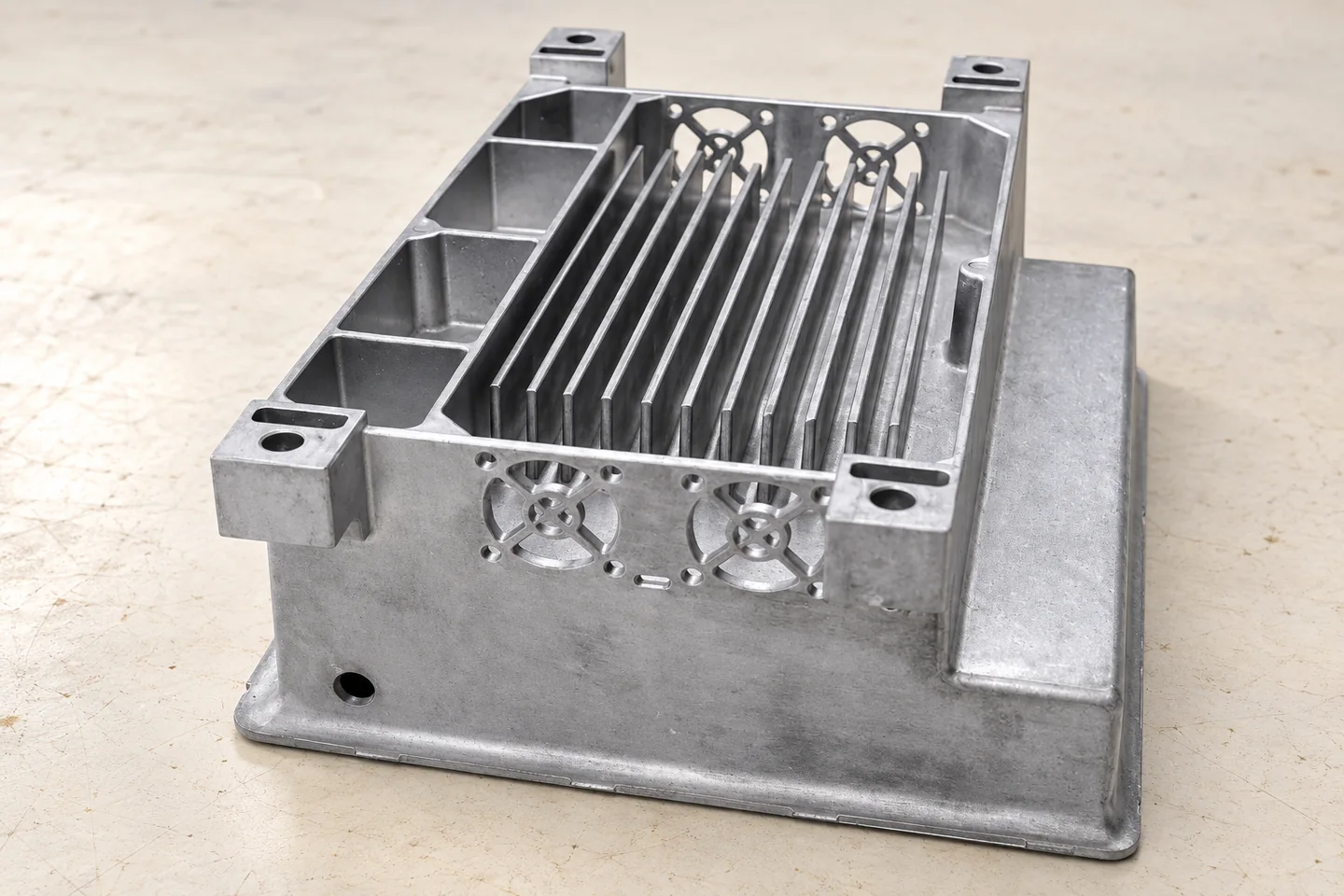
- IdentifyThe part and assembly revision.
- ManufactureMaterial, blank route and related interfaces.
- QualifyThe component evidence your programme requires.
The Assembly Interface Defines the Component
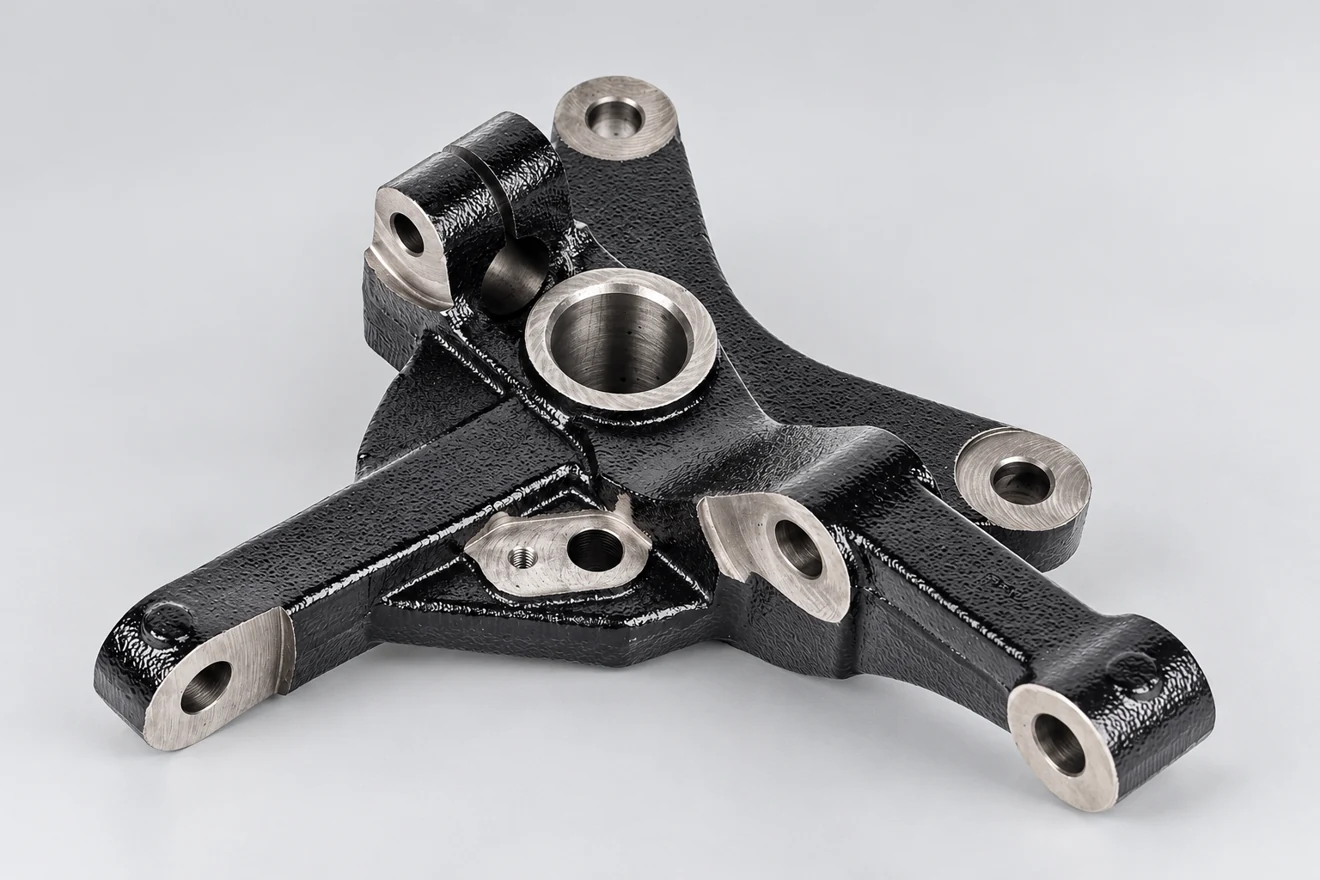
Relia’s automotive-related catalogue includes housings, engine-component enquiries and carrier forms. Identify which item you are sourcing and provide its adjoining geometry. A mounting housing needs a seating plane and fixing pattern, while a carrier adds a centre reference and related pin positions. We separate those tasks rather than use the vehicle category as a generic precision specification.
The Material Requirement Follows the Actual Duty
Temperature cycling, corrosion exposure and loaded contacts lead to different material discussions. State the actual alloy and condition already required by the design, including any restrictions on the blank route. A stainless exhaust-component enquiry is separate from an aluminium housing or iron support. Neither a familiar shape nor an automotive title establishes replacement fit or material identity.
- EnvironmentTemperature and exposure at this part.
- MaterialThe ordered grade and delivered condition.
- BoundaryAny route or qualification requirements.
The Casting Sections Must Preserve the Finished Contacts
A finned or ribbed housing joins thin repeated regions to larger mounting features. Review the transitions and stock at the bores, faces or holes that locate the assembly. A visually similar replacement may move those contacts relative to the wall. The controlled component and mating drawings remain the basis for the mold and machining proposal.
- Wall systemRibs and their heavier junctions.
- StockMaterial at the required final cuts.
- Mating envelopeThe contacts that must remain in position.
Carrier Features Need Related Machining References
On a carrier, correct post sizes alone do not establish the required gear locations. The centre bore or profile, seating plane and pin pattern need coherent datums through machining and inspection. Identify which features are cast near net and which require final cutting. The drawing’s actual profile and position requirements determine the necessary operations.
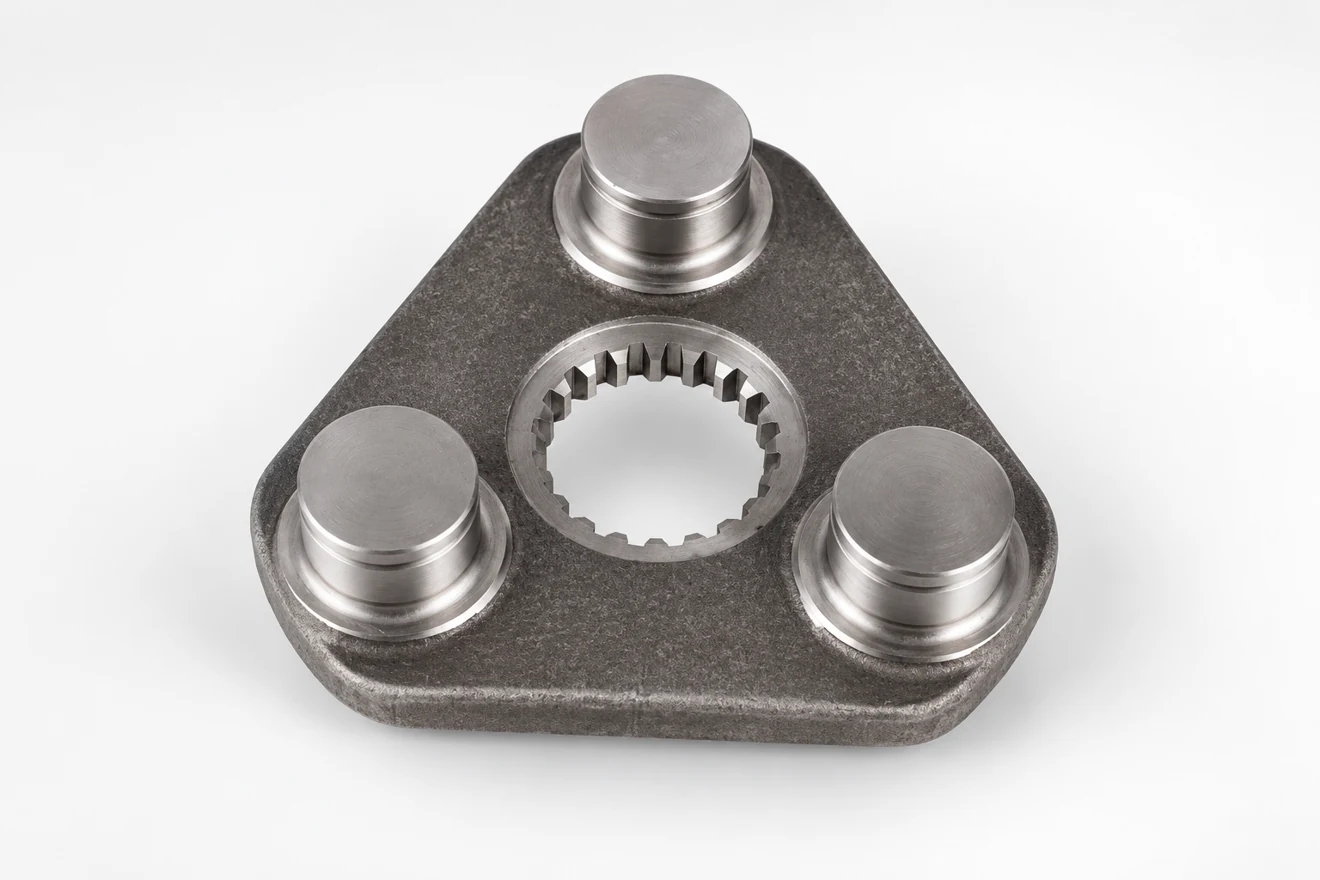
- CentreThe primary axis or profile.
- PatternRelated pin or post locations.
- PlaneThe face establishing the axial reference.
The Delivered Condition Guides the Production Sequence
The route must account for any specified thermal or surface operation before final acceptance. Fitted bores, sealing contacts and cosmetic exteriors can require different finishing boundaries. Relia connects those operations with fixture support and the final drawing state, so the sample and later deliveries represent the same component definition.
- ConditionThe ordered material and surface state.
- SequenceOperations affecting the working contacts.
- Final checkThe actual supplied configuration.
Samples Resolve Fit Before Repeat Production
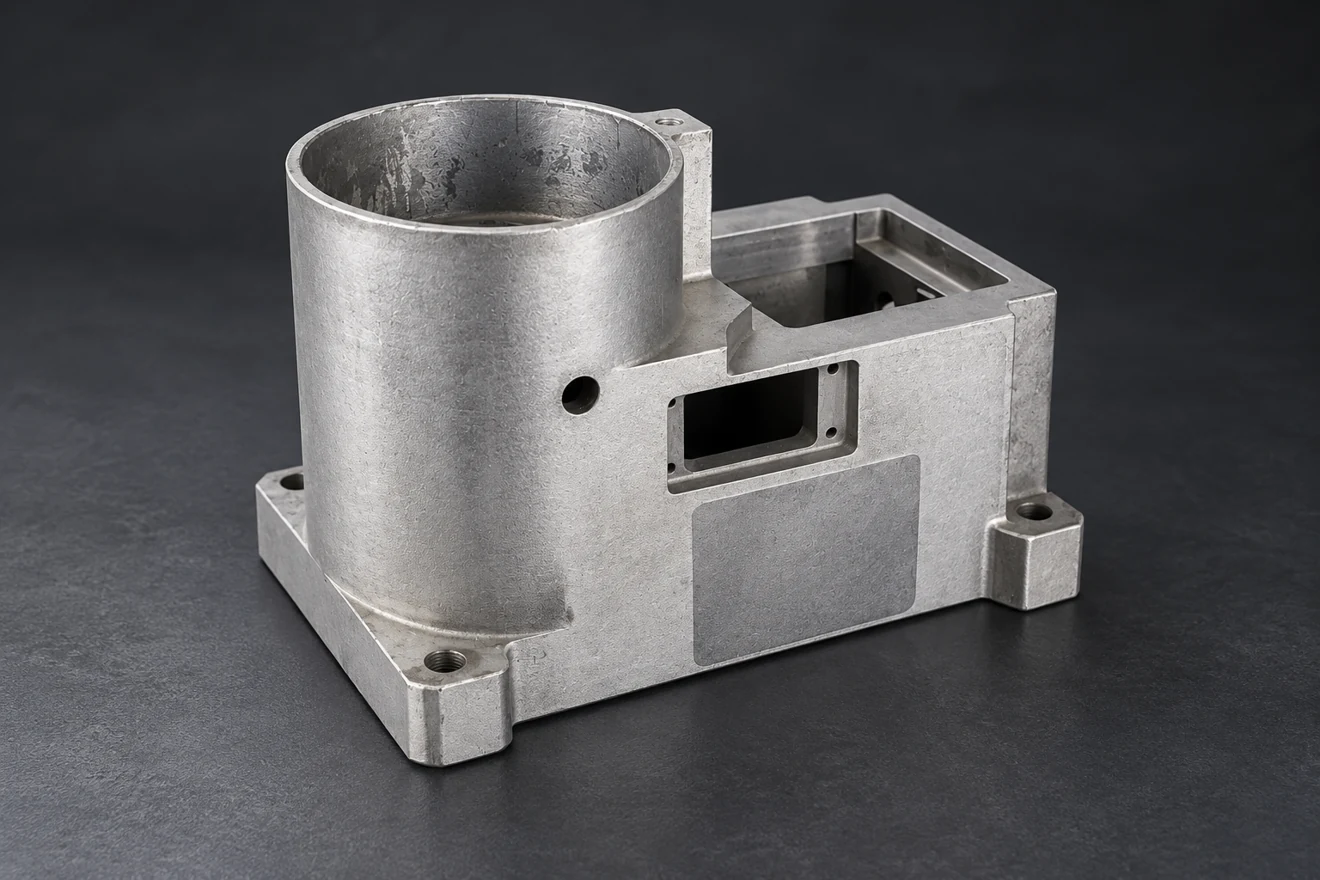
Relia first agrees the drawing and sample acceptance requirements with you, then arranges batch production after your sample approval. Key-dimensional records can address the mounting or bearing relationships your assembly uses, with scope and sampling agreed per order. Any separate durability, validation or programme submission requirement must be identified for the actual component.
- DefineCurrent revision and critical characteristics.
- ReviewSample fit and relevant order evidence.
- ReleaseYour approved basis for batch production.
A Revision Review Follows the Changed Feature
Moving a boss, enlarging a bore or changing a material condition can affect the mold, CNC setup and inspection. Identify the difference from the approved reference and the programme’s change-release requirement. The earlier sample remains evidence of its own configuration; it does not silently approve a later version with a similar exterior.
- ChangeThe actual drawing or condition difference.
- EffectAffected tooling, operations and checks.
- ApprovalThe release required for that programme.
Continue with a Specific Automotive Component
The carrier, exhaust and sample pages provide more focused buying paths. They let your team move from the vehicle application to the actual manufacturing and evidence question without repeating broad automotive claims across several pages.
Contact the Casting Team
Provide the component and assembly drawings, actual material and condition, quantities and programme-specific acceptance requirements.
Qingdao Reliacasting Co., Ltd.
Drawing-based metal castings and CNC-finished OEM components from China.
Qingdao officeNo. 96 Shuyuan Road
Qingdao, Shandong, China
Arrange a project visit with us before travelling.
The released drawing, selected material and agreed order define the supplied component and required acceptance evidence.