
Convert Billet-Machined Stainless Parts to Near-Net-Shape Castings
Relia compares a cast blank with selected CNC finishing against your current billet-machined stainless component. We keep the finished function, material requirement and purchasing quantity visible, then assess cast-design changes, tooling and validation. Any saving must concern the accepted finished part, not just reduced raw-material removal.
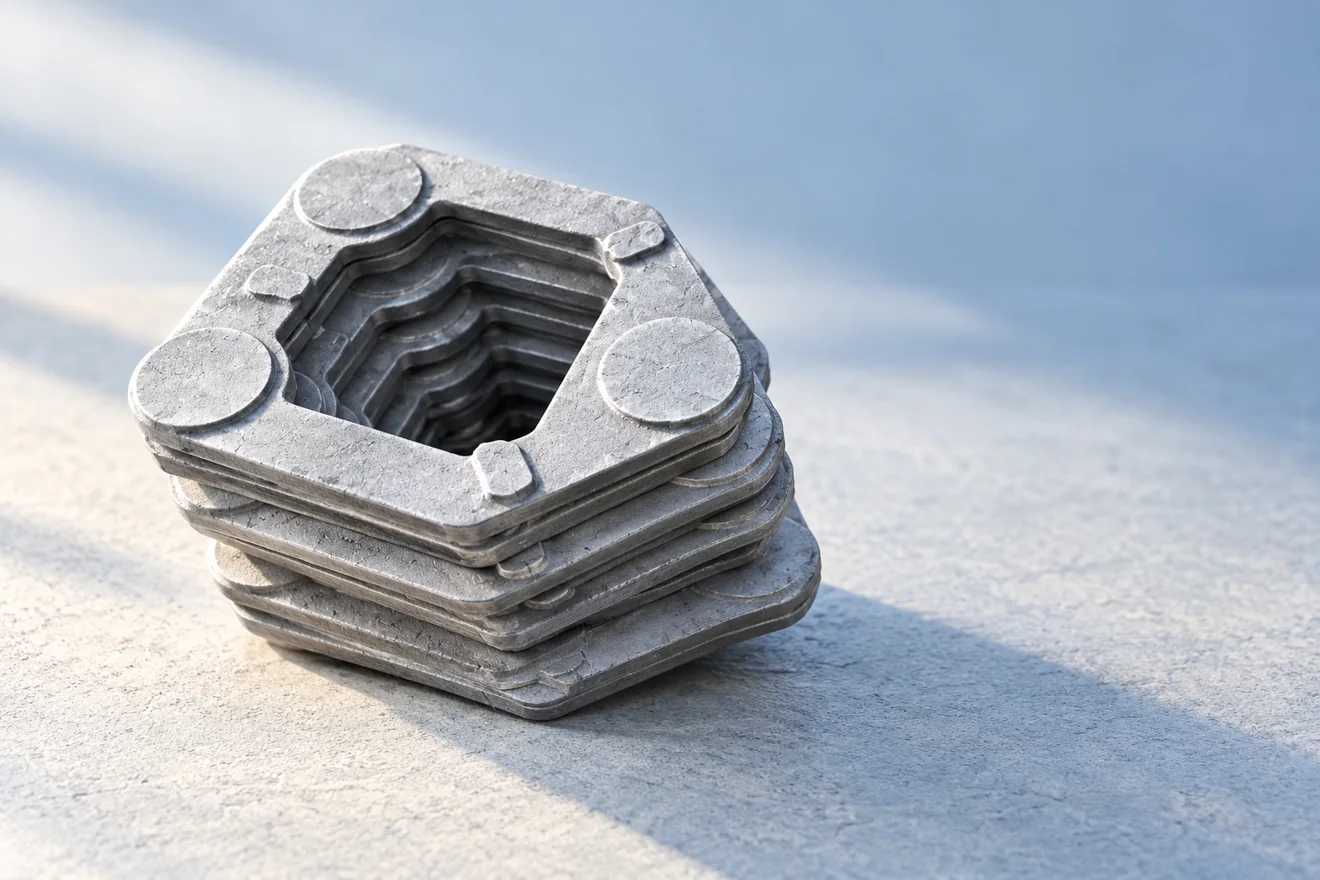
The Accepted Finished Part Remains the Reference
Relia keeps the working component fixed while reviewing a different starting shape. Bores, seats and mounting contacts retain their approved requirements; proposed changes to walls, pockets or transitions need your design approval. The casting proposal also identifies its actual material specification and condition, so a near-net shape does not quietly substitute a different material requirement.
Identify the Material Currently Removed by Machining
Show the current model, finished drawing and the operations that drive cost. Deep material removal, repeated setups and detailed outside shapes can create different conversion opportunities. The casting proposal should explain what is formed near net and what still needs controlled finishing.
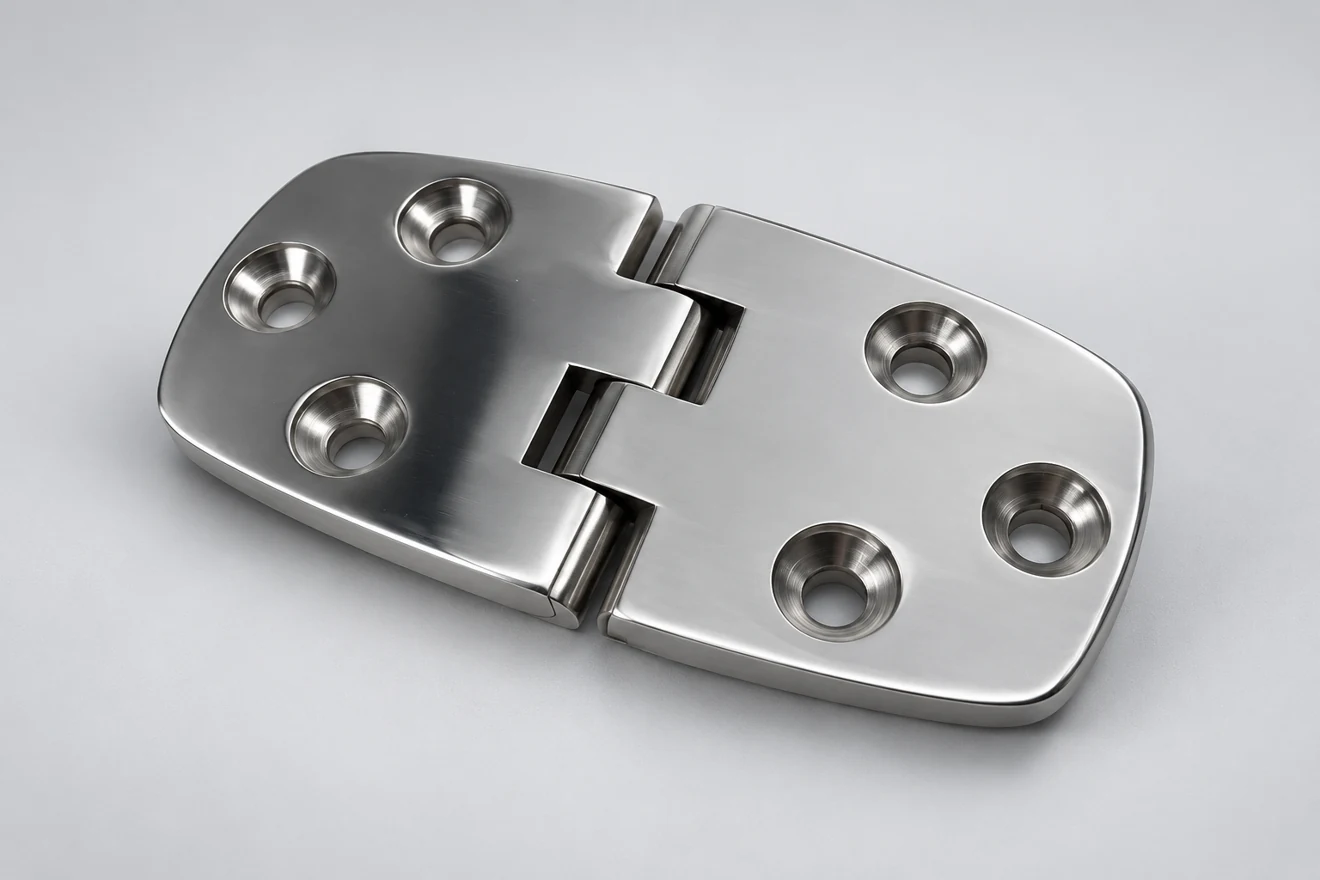
The Casting Material Has Its Own Approved Specification
Approve the actual casting material specification and delivered condition. A wrought material name is not automatically a complete cast-alloy order. Include required material, treatment and validation evidence so the conversion is compared against the component's actual service requirements.
Convert the Starting Shape While Retaining the Working Contacts
A pocket that is easy to mill from solid may need a different pattern or cleanup arrangement when cast. Review thin regions, thick junctions and internal access as casting features, then reserve local stock only where finishing must create the required size, location or surface.
Compare the complete route: tooling and casting preparation, any specified treatment, CNC work, cleanup and the agreed acceptance checks. The sample should establish that the new blank can produce the protected interfaces in the stated condition. Relia presents geometry changes as proposals for approval rather than assuming that a casting can reproduce every billet feature unchanged.
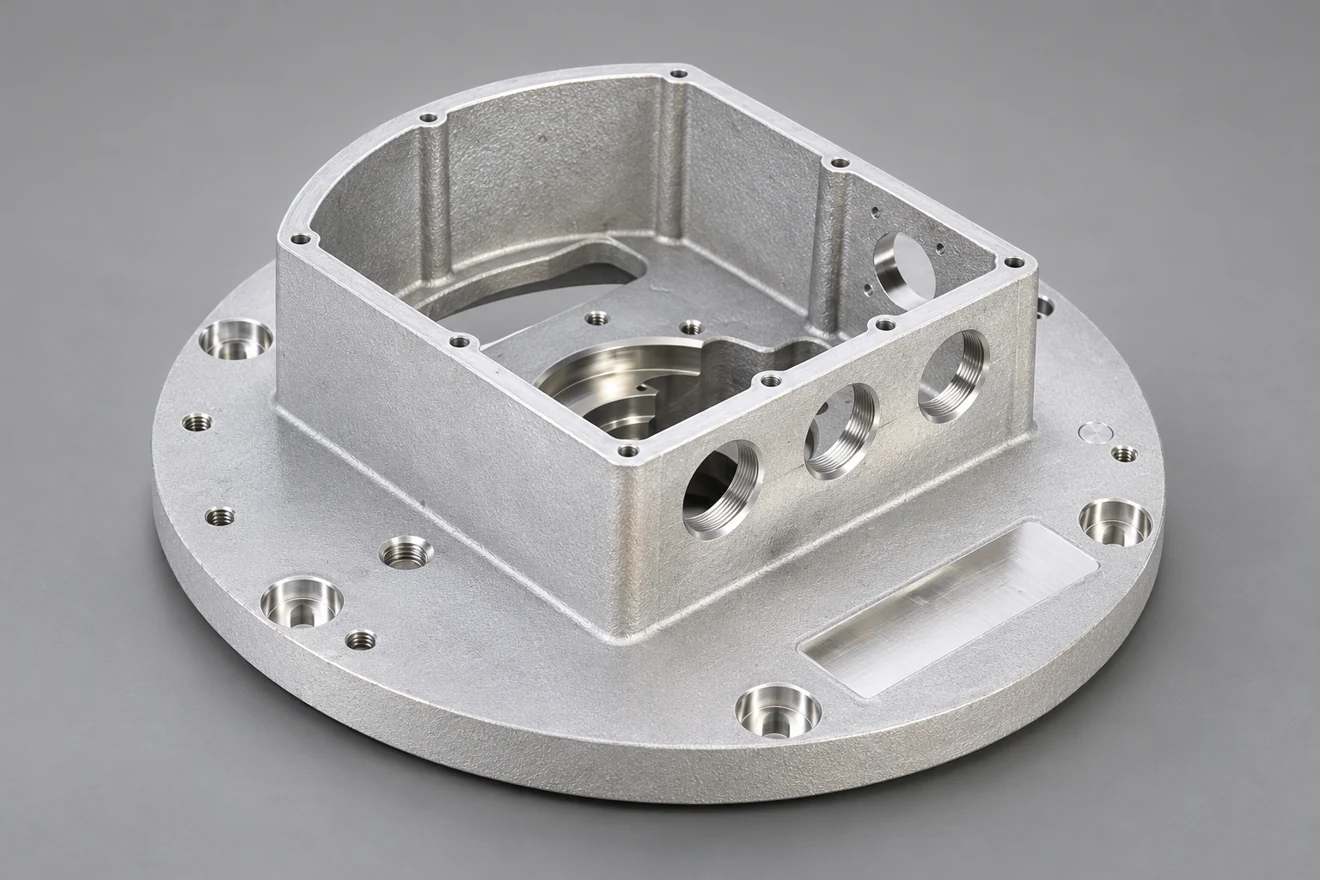
Retain Machining at the Functional Contacts
Keep the bores, faces, threads and other working contacts that require machining in a clear feature map. Relate their stock and datums to the proposed blank. Casting can change the starting shape without eliminating the work needed to create controlled assembly interfaces.
Compare Tooling and Recurring Cost at the Actual Volume
Compare one-time tooling and trial costs with recurring casting, machining, finishing and inspection. Use the actual quantities and release pattern. A reduction in machining time does not establish an overall saving if other required work or validation has not been included.
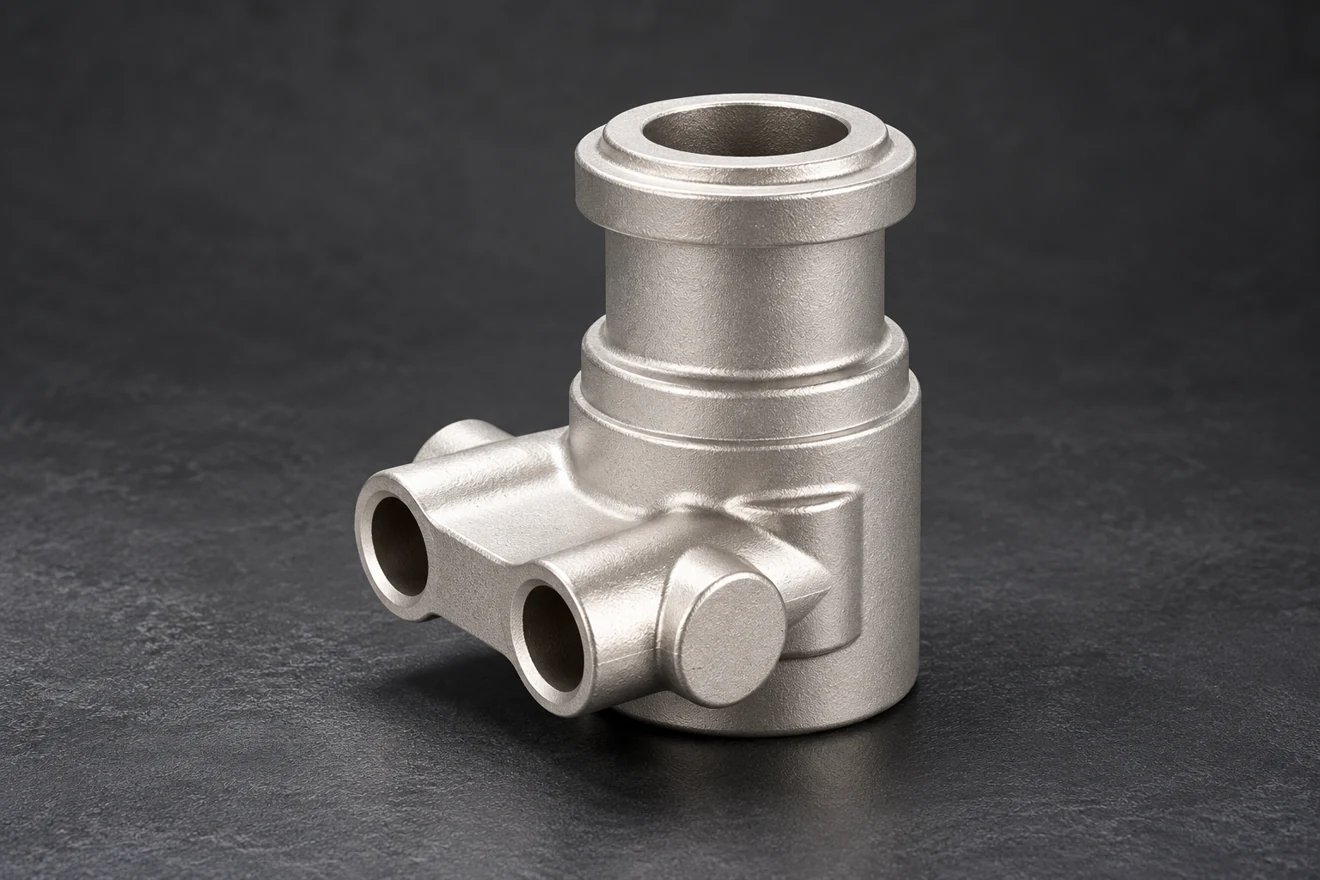
Trial Parts Test the Changed Manufacturing Route
A conversion sample needs the selected material evidence, final dimensional checks and any specified functional validation. Compare it to the approved converted design, not only the old part's appearance. Buyer sample approval provides the release reference before routine production is arranged.
Detailed drawing and acceptance checklist
Release the New Route Only After Open Items Close
Record the approved material, geometry change and delivered condition with the repeat order. Keep any remaining billet route and converted route identifiable during the transition. A clear part and revision reference makes cost and quality comparisons easier to maintain.
Related engineering and purchasing guidance
Share the Current Part and Cost-Down Objective
Send the current part drawing, material, quantities and the machining steps you want to reconsider. Mark protected interfaces and required validation. We can review a near-net casting proposal with the full finished-component cost and approval scope in view.
- [email protected]
- Phone
- +86 185 6176 2631
- +1 404 203 0971
- Project enquiry
- Contact our Qingdao team