
Replacement Cast Parts from Existing Samples and Installation Details
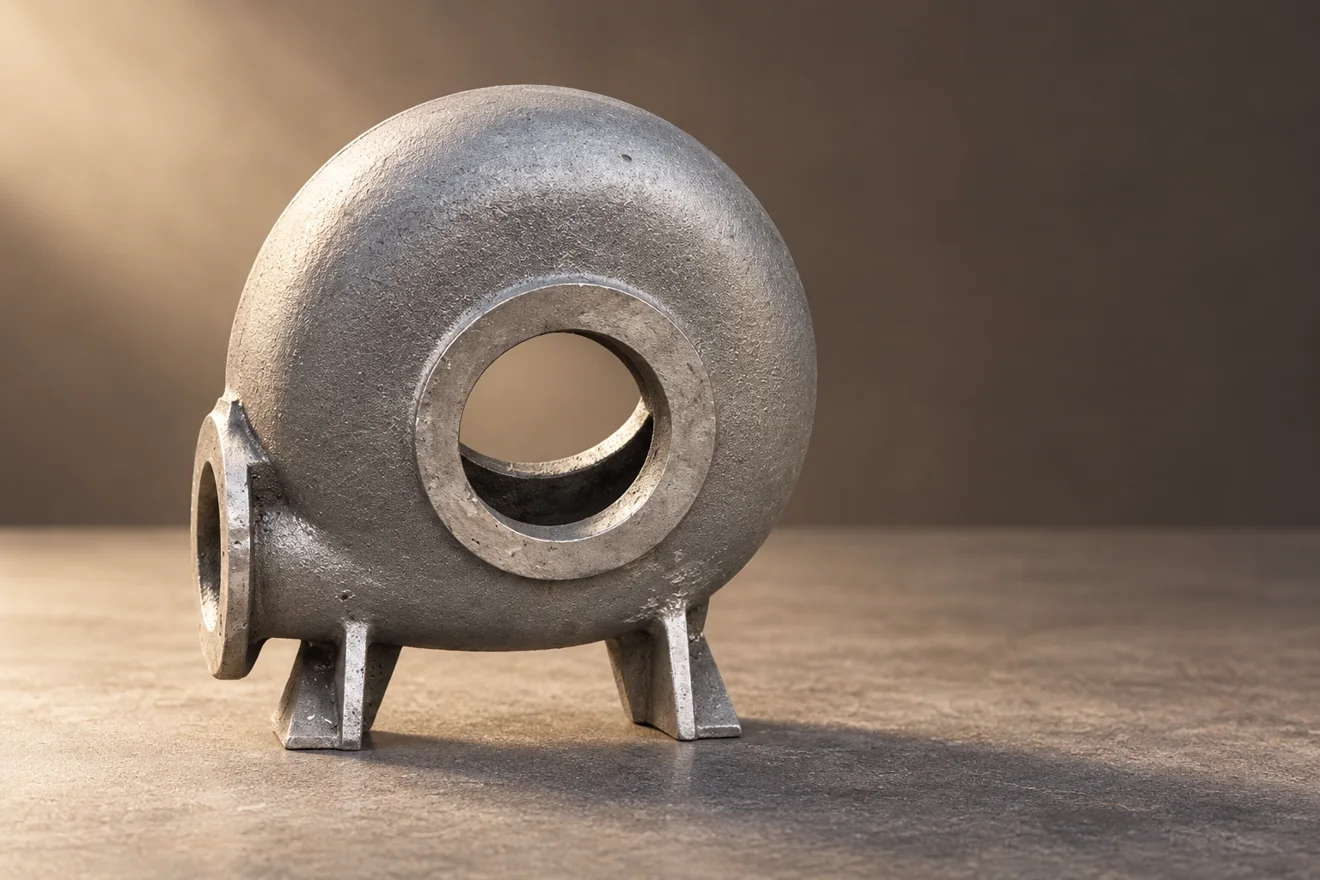
Relia can review a replacement casting from your service sample and the parts it must fit. We separate wear, repairs and damage from intended geometry, then agree a replacement drawing and sample checks. Tooling and repeat supply follow that controlled definition rather than copying the sample’s changed surfaces.
Read the overview and page sections
The important step is separating the original working geometry from wear, damage and repairs. We use the sample, mating information and installation details to discuss a controlled replacement definition, so the new part is made for the intended fit rather than copied from a worn surface.
A Service Sample Becomes a Controlled Replacement Definition
Relia uses the sample together with mating and installation information. For a housing, the useful references include the shaft or mating bore, mounting plane, fixing positions and surrounding clearance. We identify the dimensions and material information still needed, then connect the approved replacement definition with the casting blank and final machining plan.
Mark worn, damaged and repaired regions before interpreting dimensions.
Identify shafts, bores, mounting plane, fixing positions and clearance envelope.
03 / 10Component decisions
Separate the Original Geometry from Service Wear
The best measurement reference is not always the most accessible surface on the old part. Use the mating assembly to explain how the component should locate.
| Sample condition | Useful supporting input | Manufacturing decision |
|---|---|---|
| Worn bore or seat | Mating shaft, bush or original fit requirement | Target finished dimension and allowance |
| Broken region | Other views, remaining section or drawing | Intended geometry rather than fracture shape |
| Field modification | Description of holes, welds or removed material | Changes to retain or exclude |
| Unknown metal | Original specification or required properties | Agreed material identification and selection |
Reconstruct the Working Definition Before Developing Tooling
Measurement of a worn sample records its current shape, so it must be interpreted with the mating parts and service history.
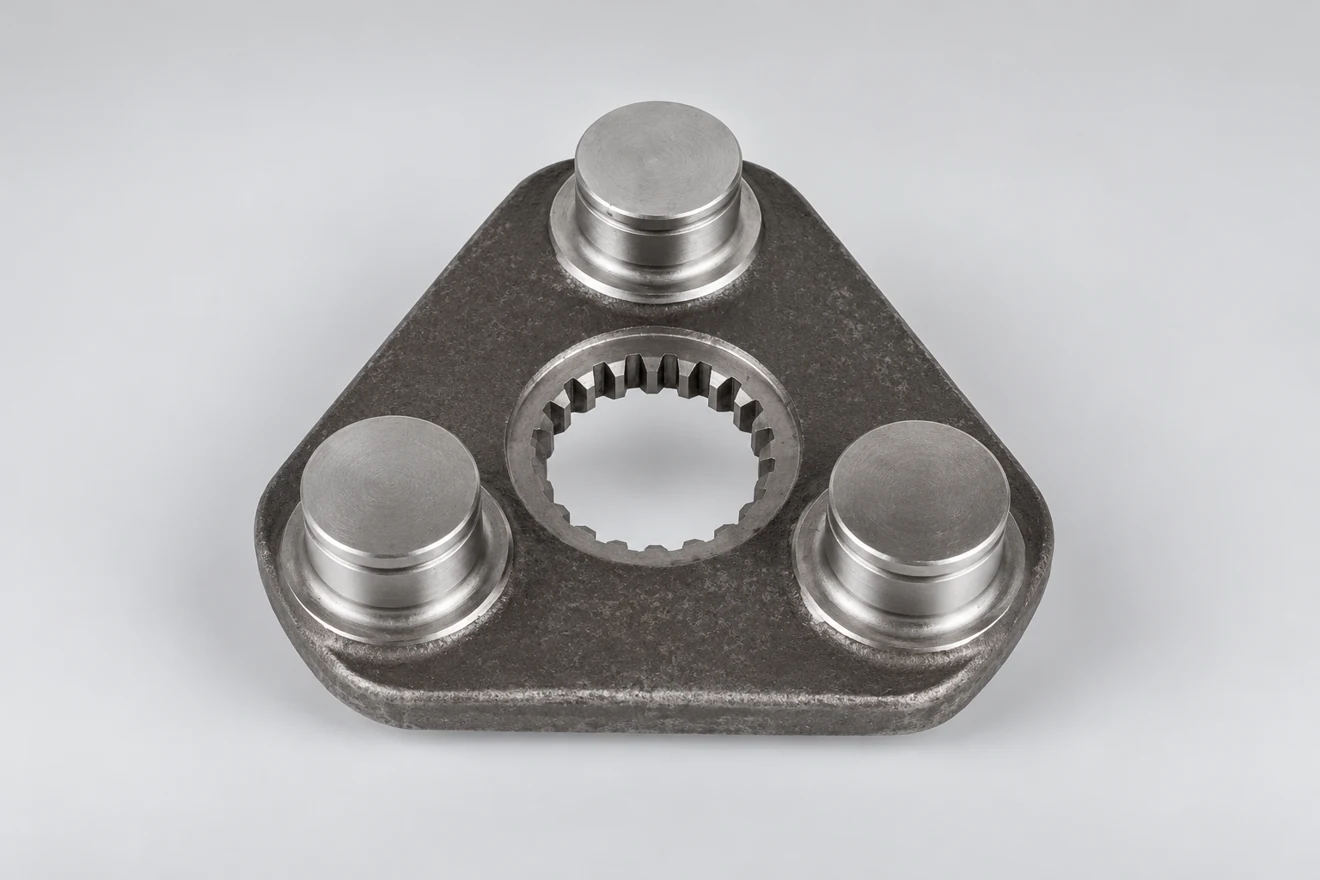
- Interpret wear against the mating assembly
- Develop tooling from the accepted replacement drawing
Open the manufacturing route and detailed review
Interpret wear against the mating assembly
A damaged bore may need its original fit reconstructed; a repaired flange may no longer represent the intended thickness. Material also needs an actual specification or an agreed identification route, rather than a visual guess.
Develop tooling from the accepted replacement drawing
Once the replacement definition is accepted, Relia can discuss pattern or tool development, casting stock and CNC references around that drawing. A trial then focuses on the uncertain interfaces and installation envelope. This keeps dimensional reconstruction separate from the later foundry and finishing decisions.
Reconstruct the Housing Interfaces Before Cutting New Tools
Measure the existing bore, mounting face and hole pattern, but interpret those measurements against the mating components. Ovality, fretting or a repaired flange can make the present surface a poor design reference. Separate confirmed interfaces from dimensions that still need reconstruction and approval.
The replacement drawing then defines the local casting stock and the references used for finishing. A sample review can focus on the uncertain fit, clearance and installation points before repeat production. Relia does not infer interchangeability with a named machine from the illustrated housing; the approved interface definition is what connects the new part to your equipment.
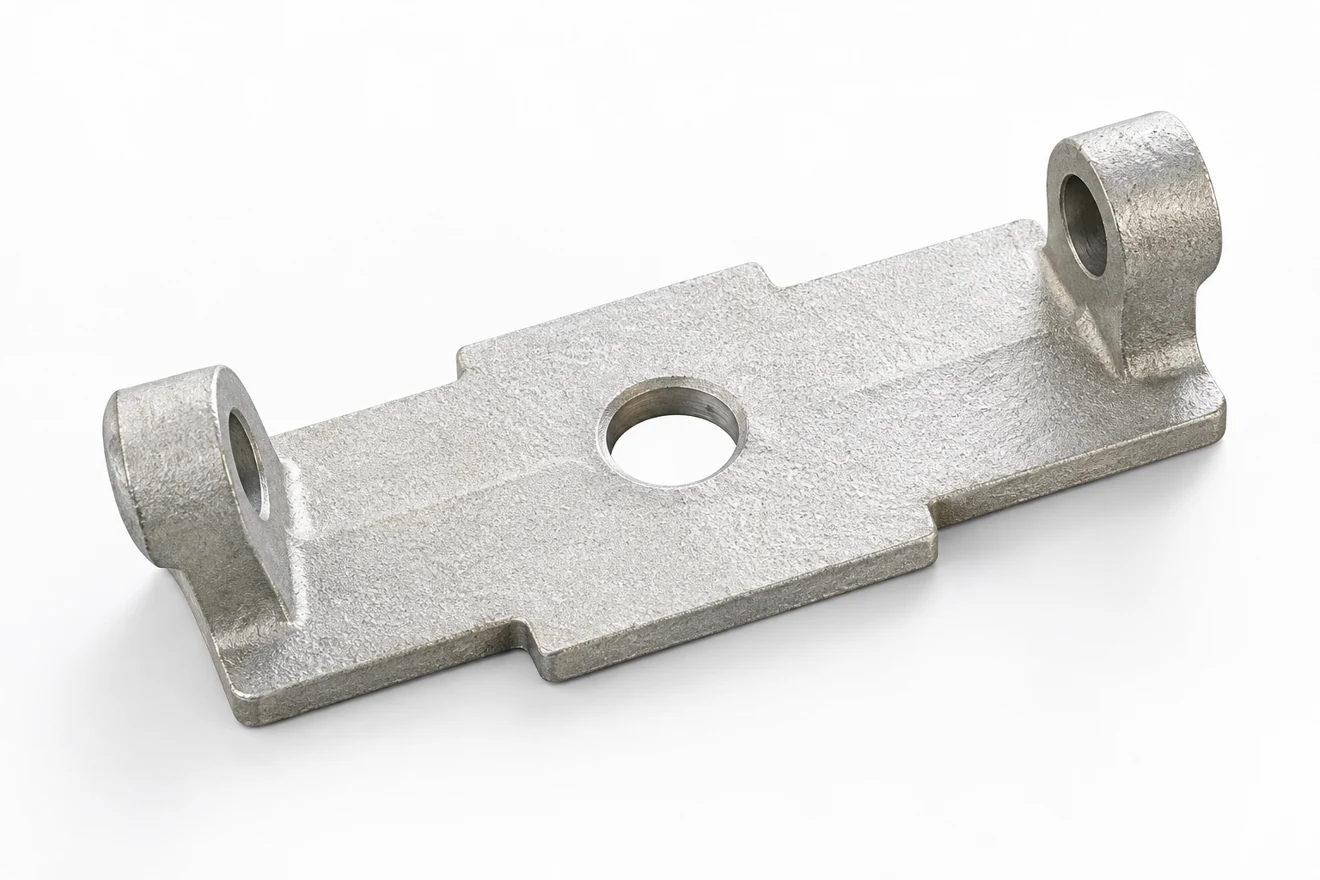
06 / 10Component decisions
Turn the Sample into an Approved Replacement Definition
The sample should lead to a controlled reference. Repeated orders can then use the same requirements without needing to reinterpret a worn part each time.
| Step | Work to define | Approval output |
|---|---|---|
| Record | Identify component, installation and sample condition | A reference and uncertainty list |
| Reconstruct | Dimension geometry and relate mating contacts | A proposed component drawing |
| Trial | Check the sample against the intended assembly | Fit results and required corrections |
| Retain | Freeze drawing, material and supplied state | A repeat-order replacement reference |
A Trial Part Closes the Fit Review
Agree the dimensional checks and installation trial required for the first replacement. Record interference, alignment and functional findings against the proposed drawing. Update and approve the definition before treating the trial as a repeat-order master, keeping trial observations separate from broader service-life claims.
Repeat Supply Uses the Approved Replacement Record
Retain the approved drawing, material requirement and trial results with the part reference. This gives subsequent orders a stable basis even if the original damaged sample is no longer available. Specify any marking or batch records needed to distinguish the replacement and connect delivered parts to that definition.
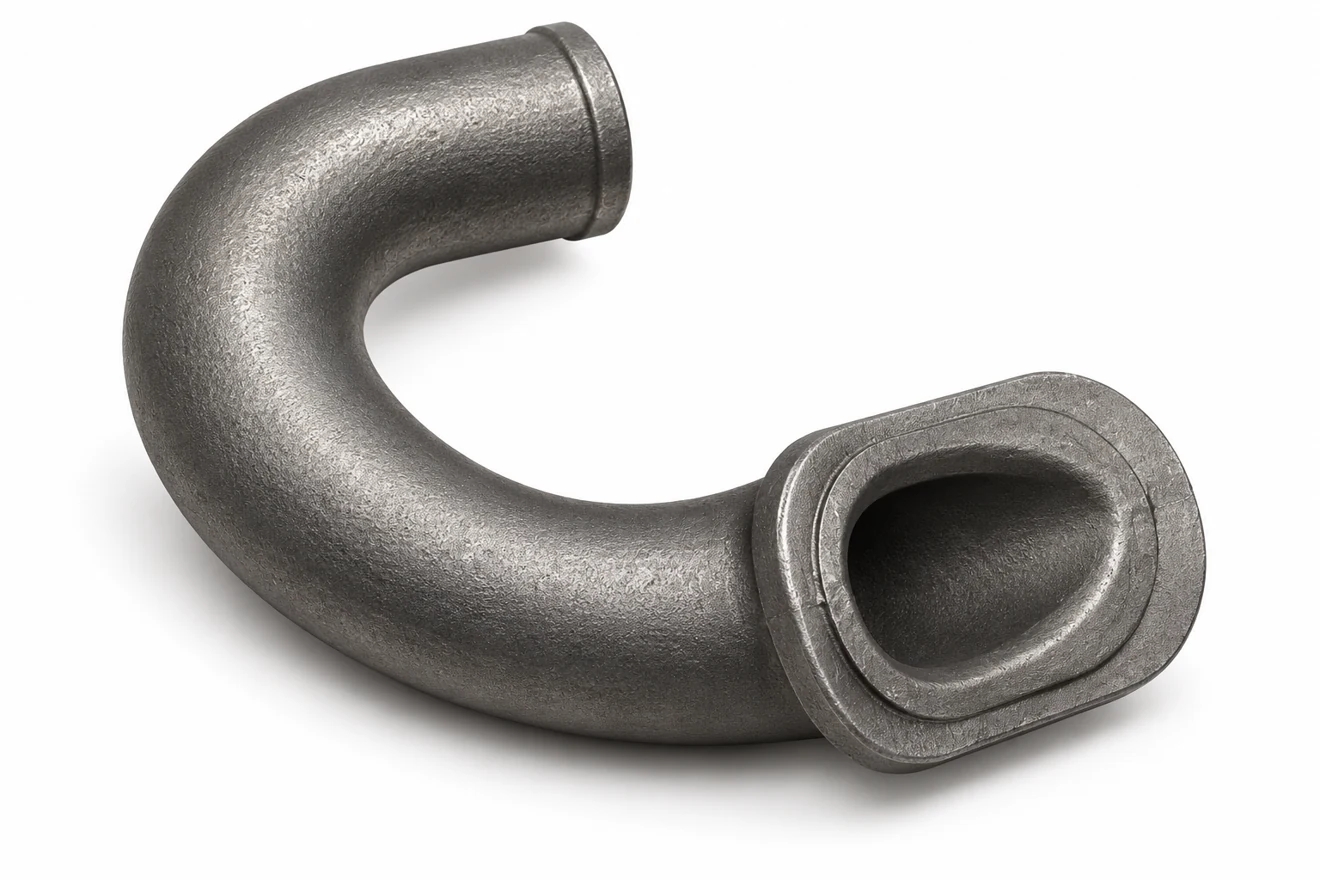
Send the Details for Your Component Review
Tell us what you need to buy and the condition you need to receive. Relia Casting will review the component, manufacturing scope and requested evidence with you before an order is agreed.
- Sample photographs and available dimensions
- Wear, damage and repaired regions
- Mating-part and installation information
- Required material and acceptance basis
- Trial quantity and approval route
No. 96 Shuyuan Road, Qingdao, Shandong, China
About our component supply · Contact details and project enquiry