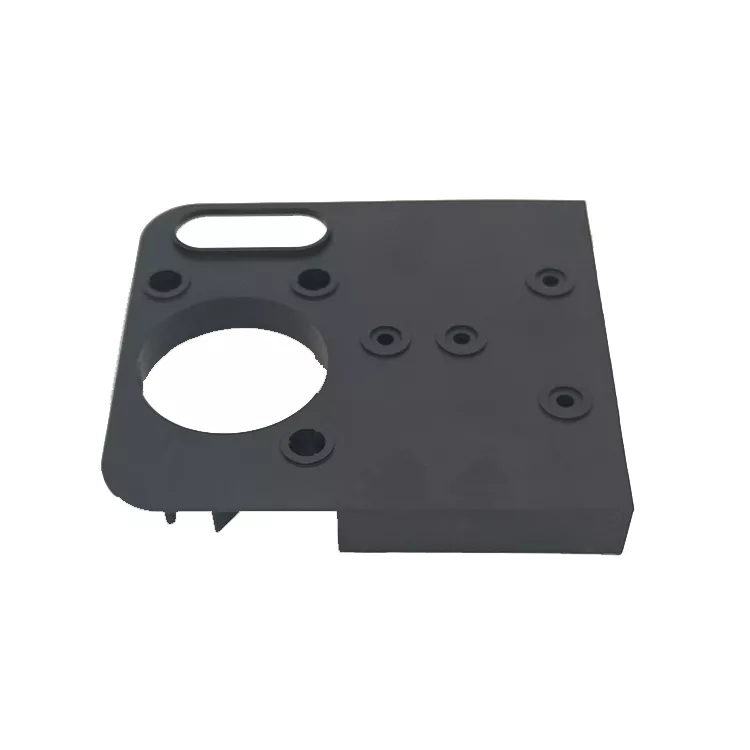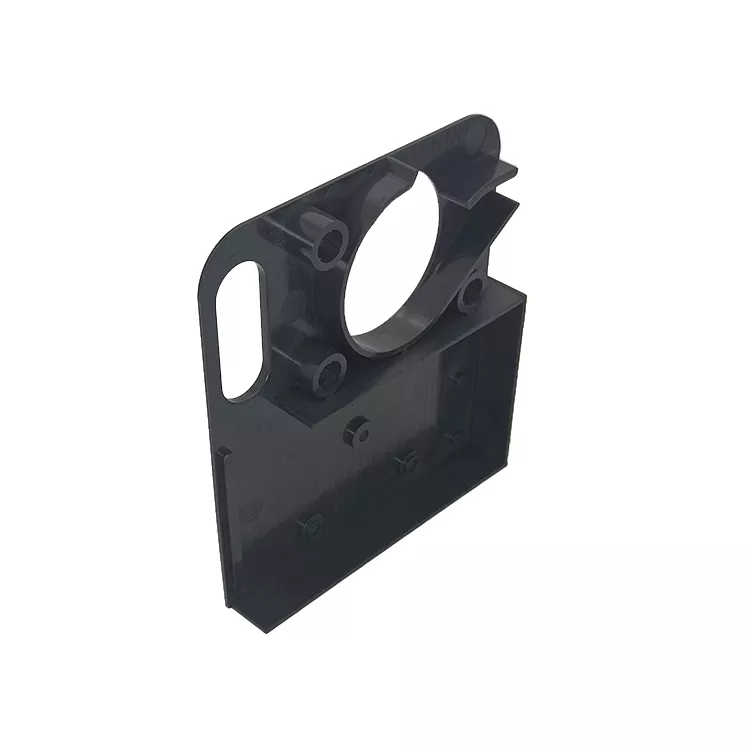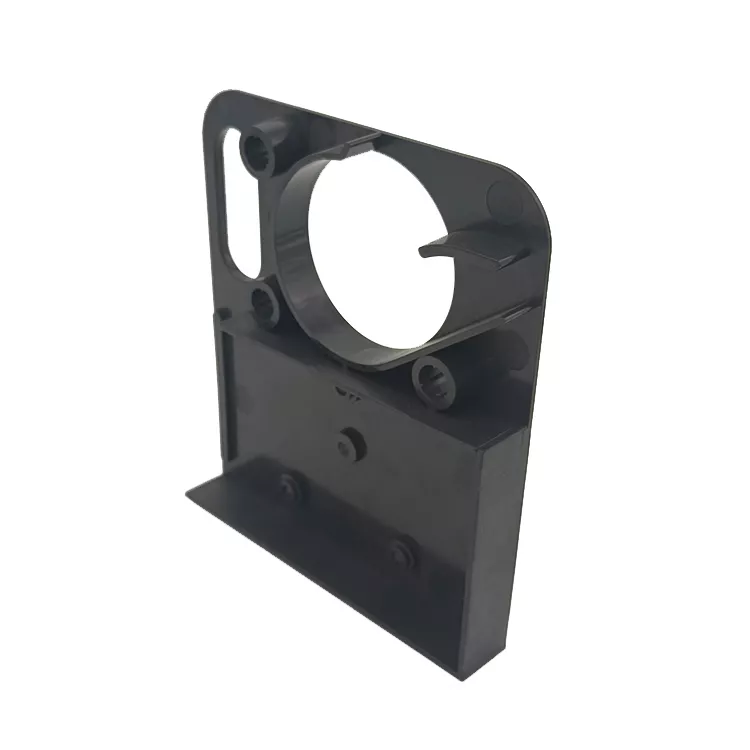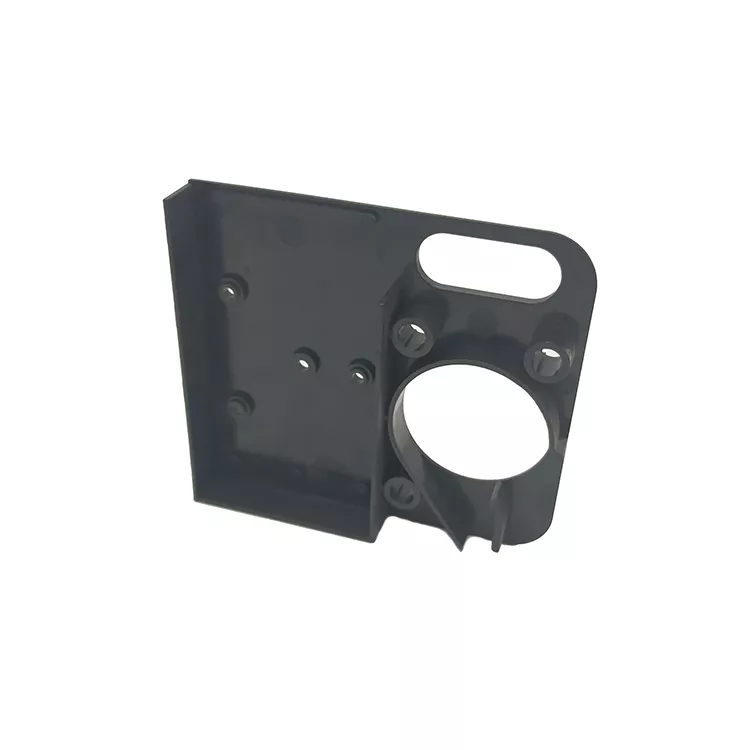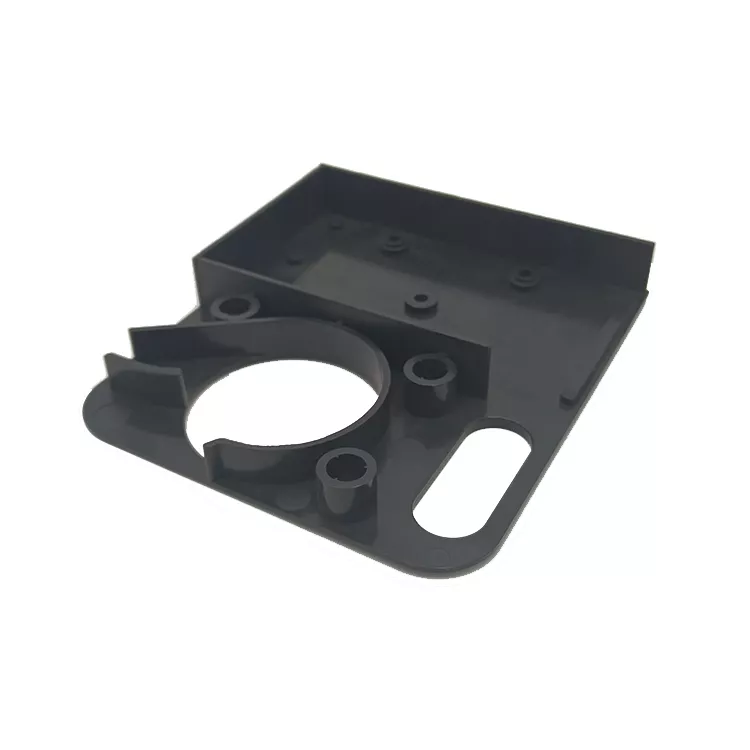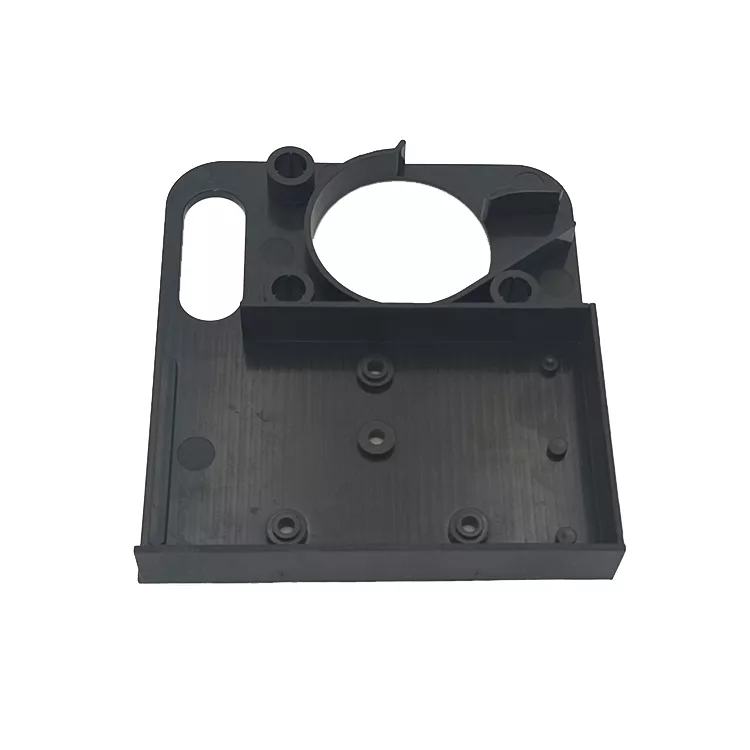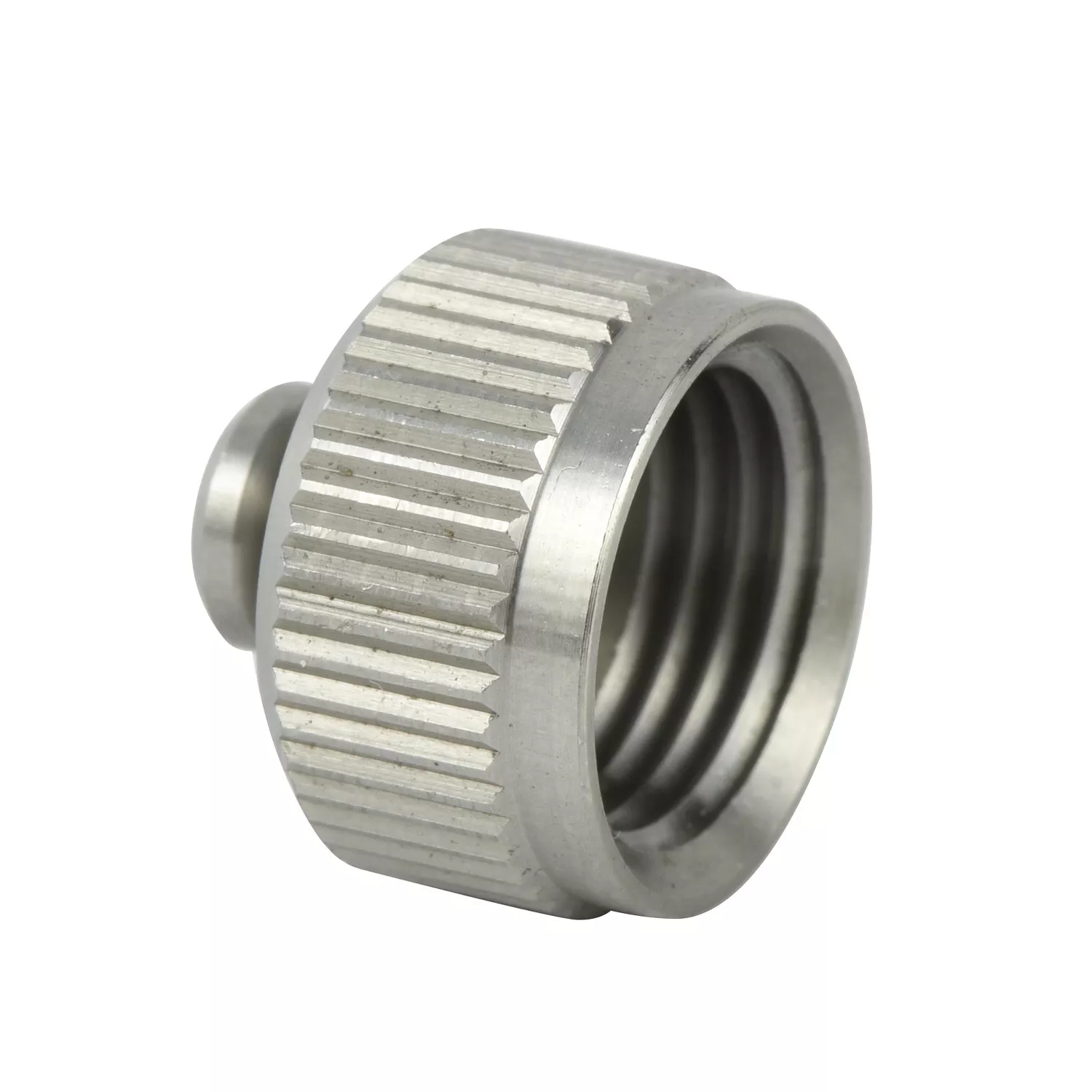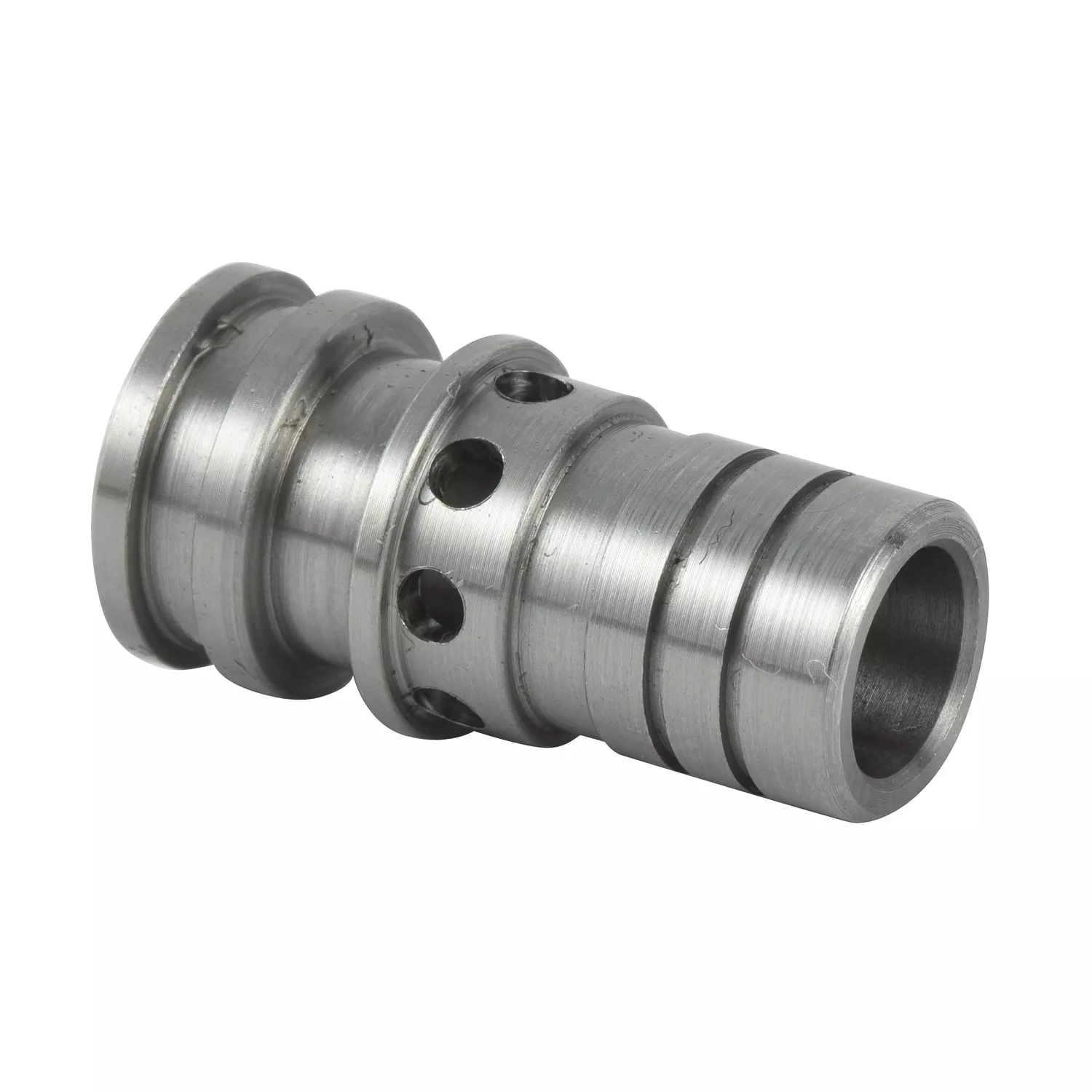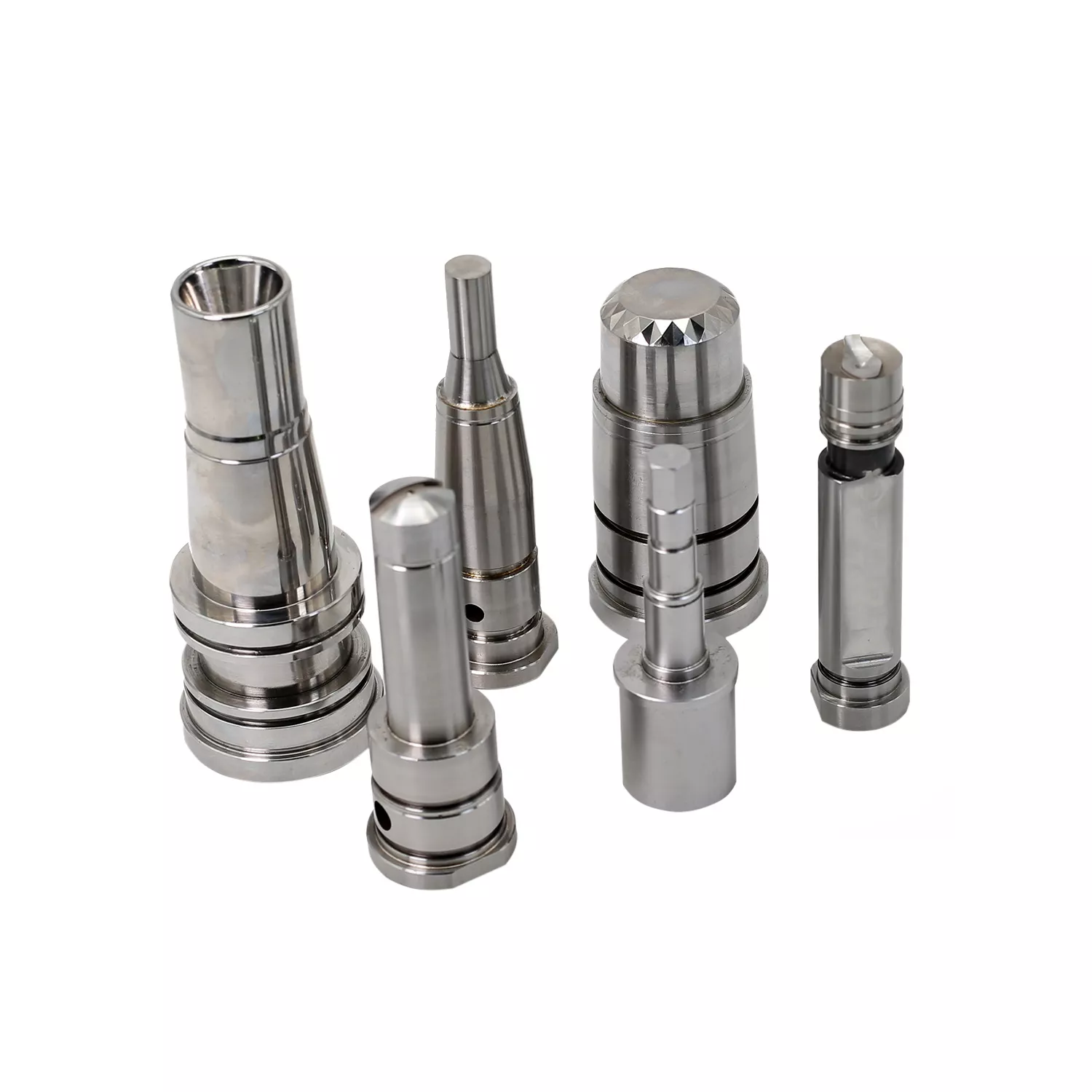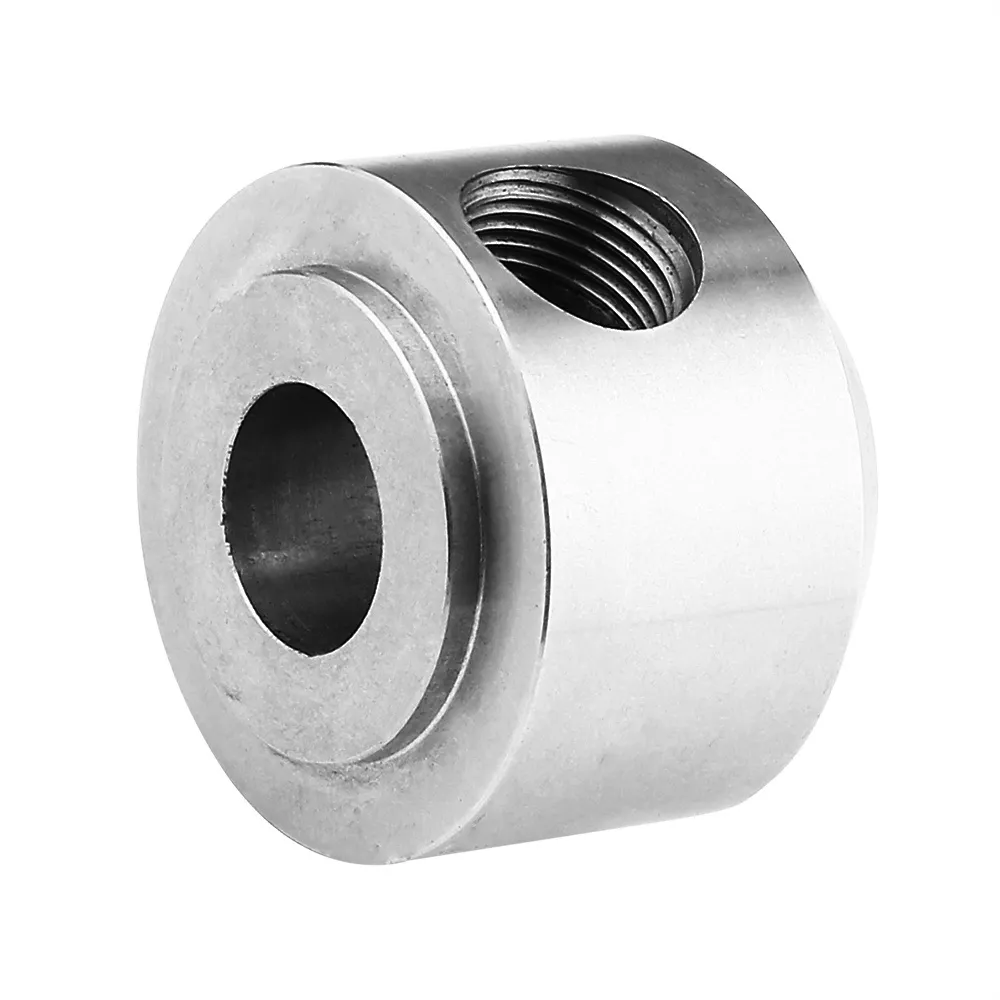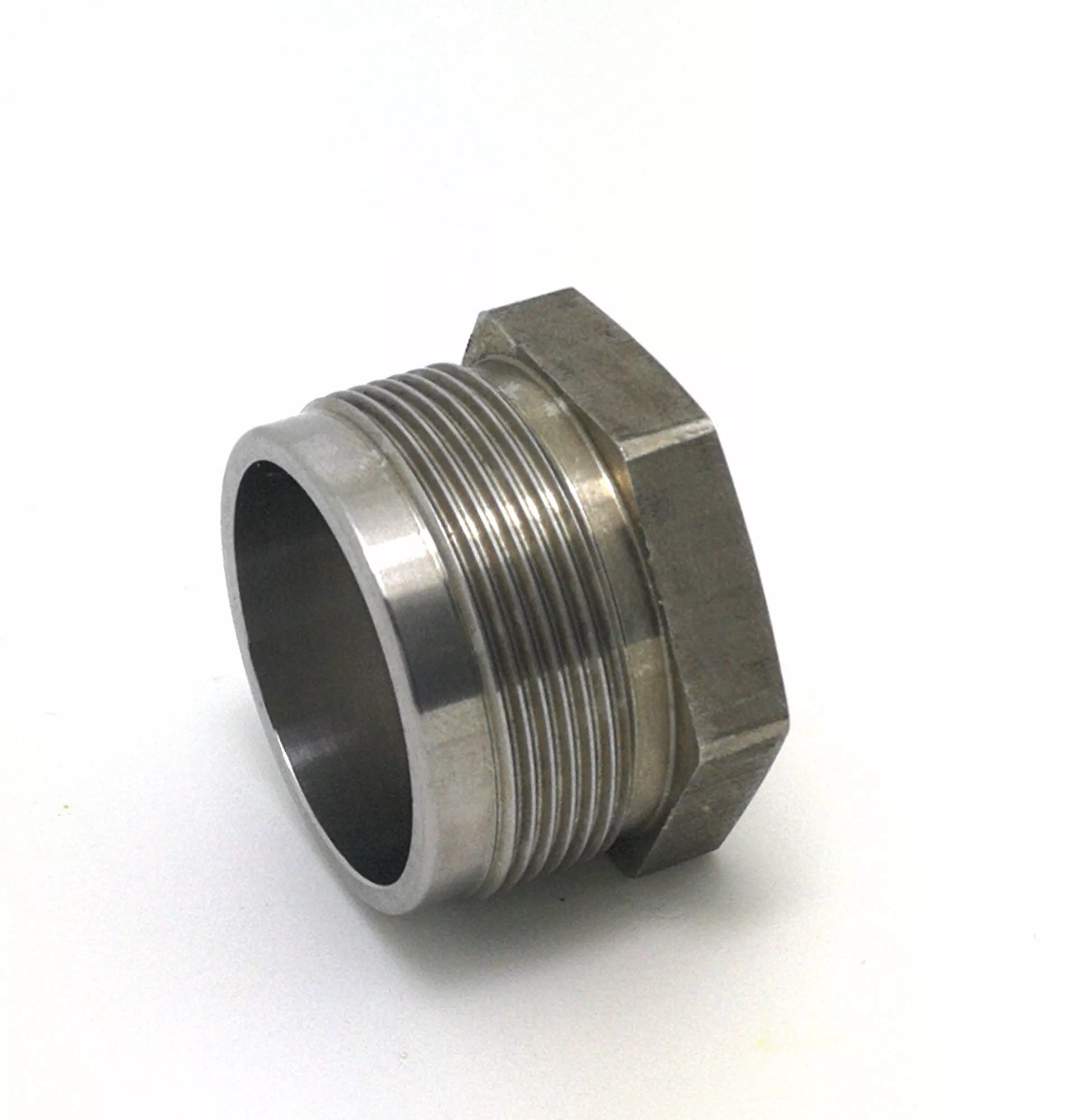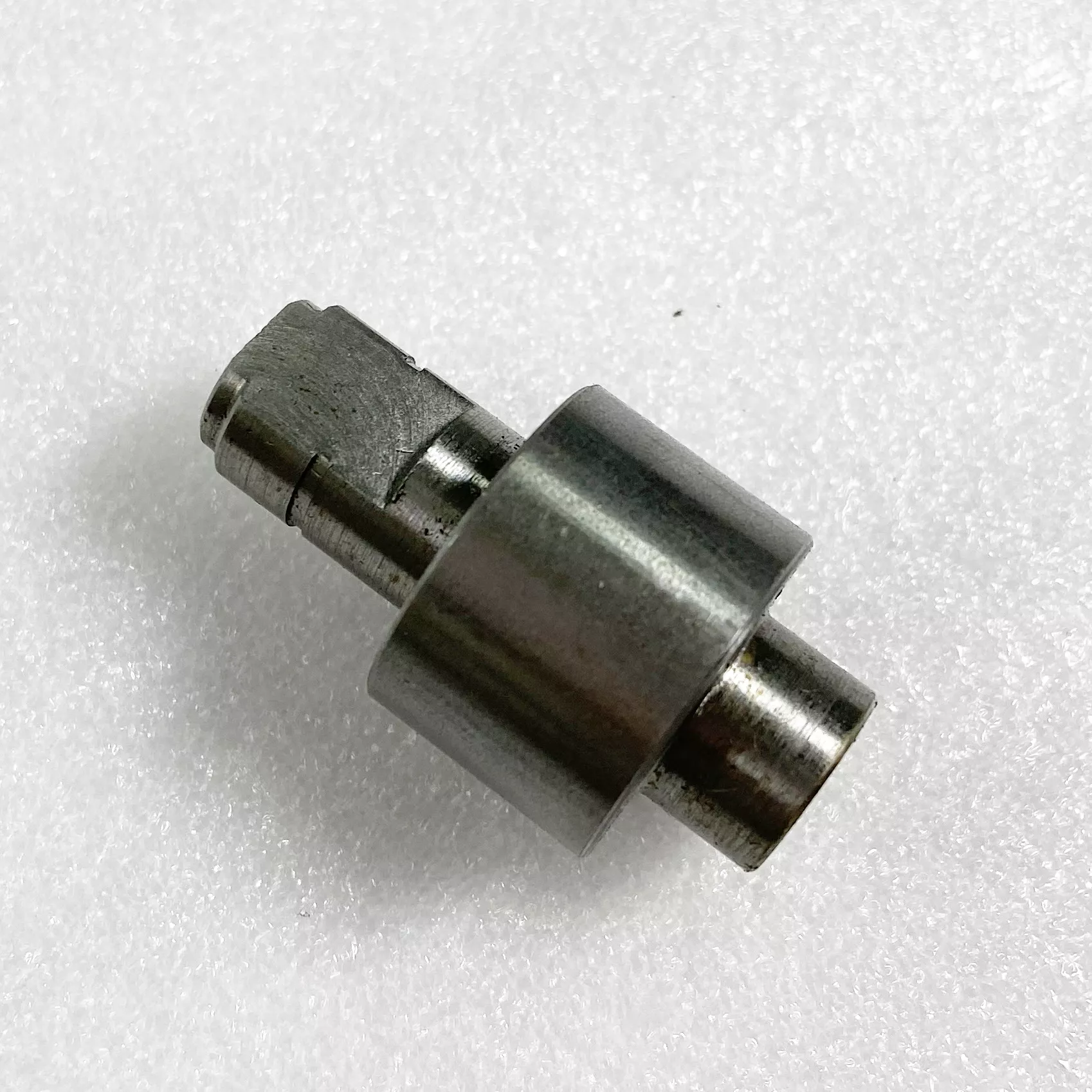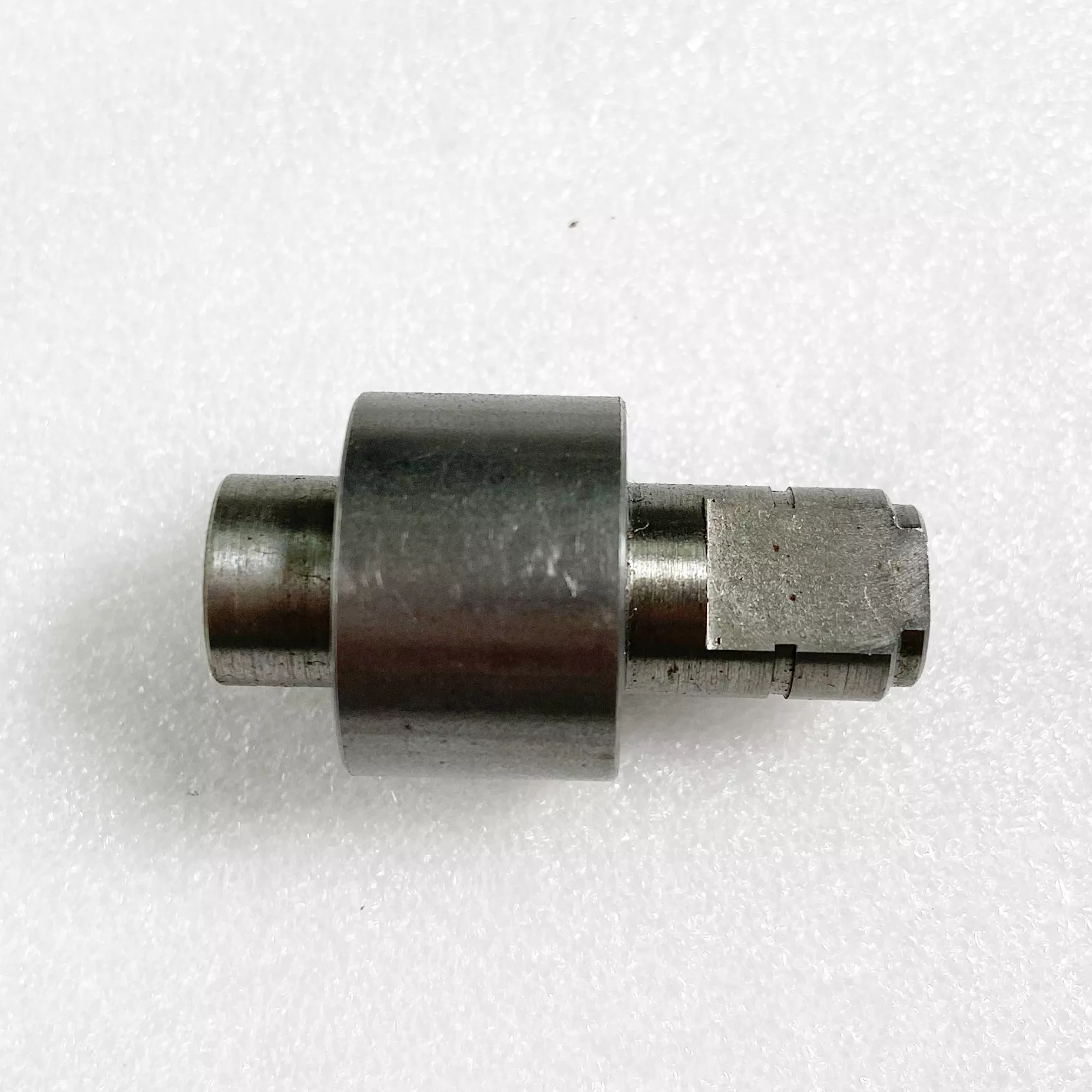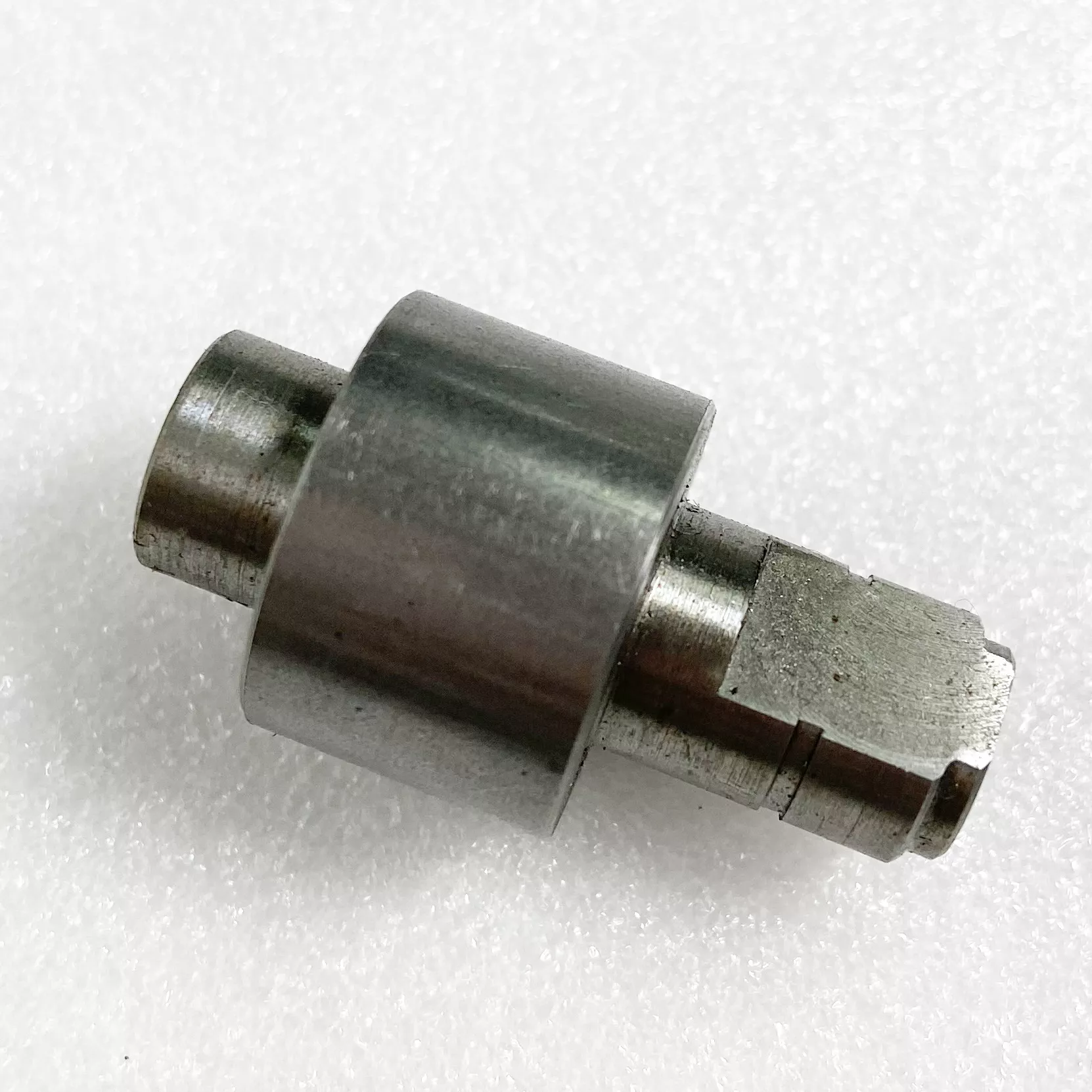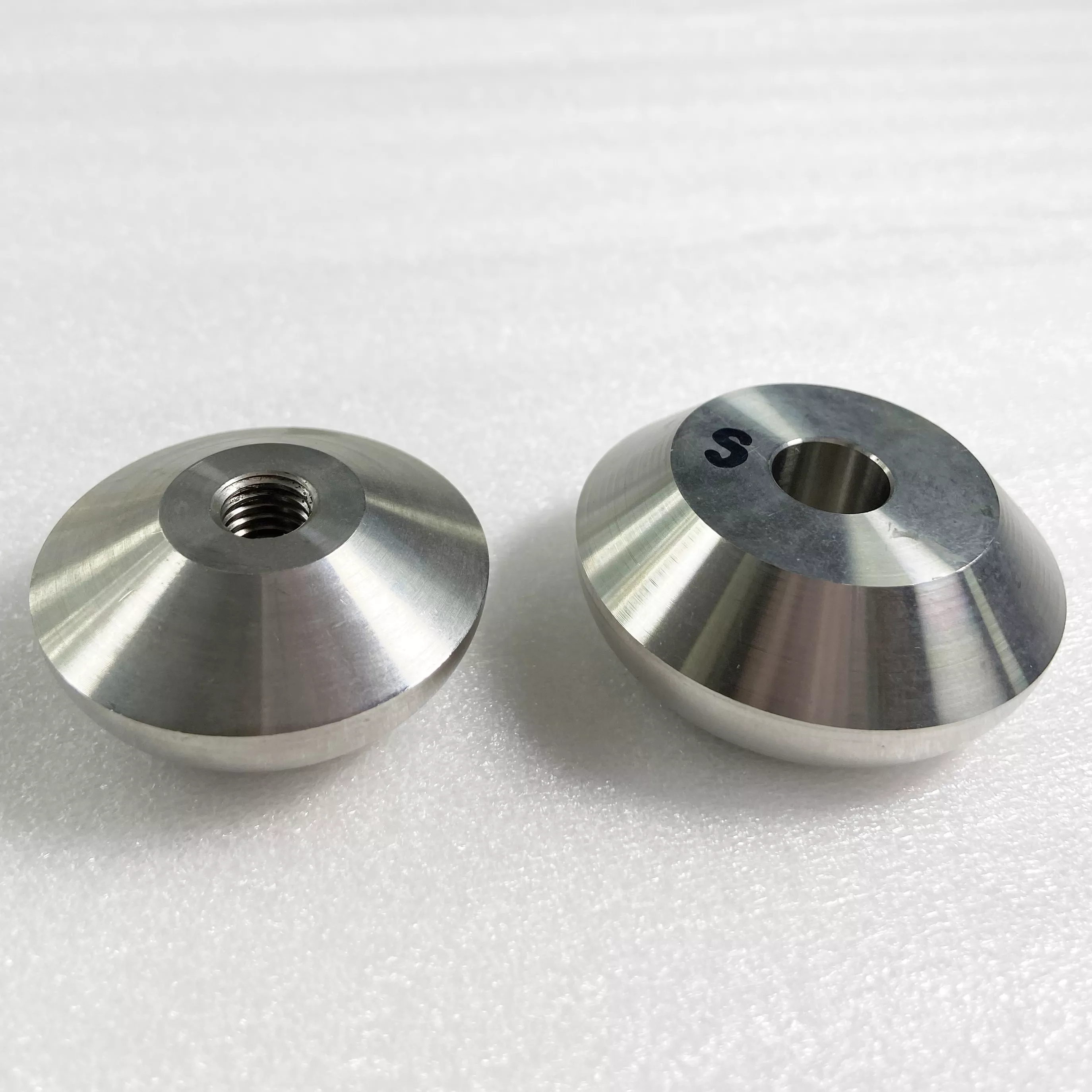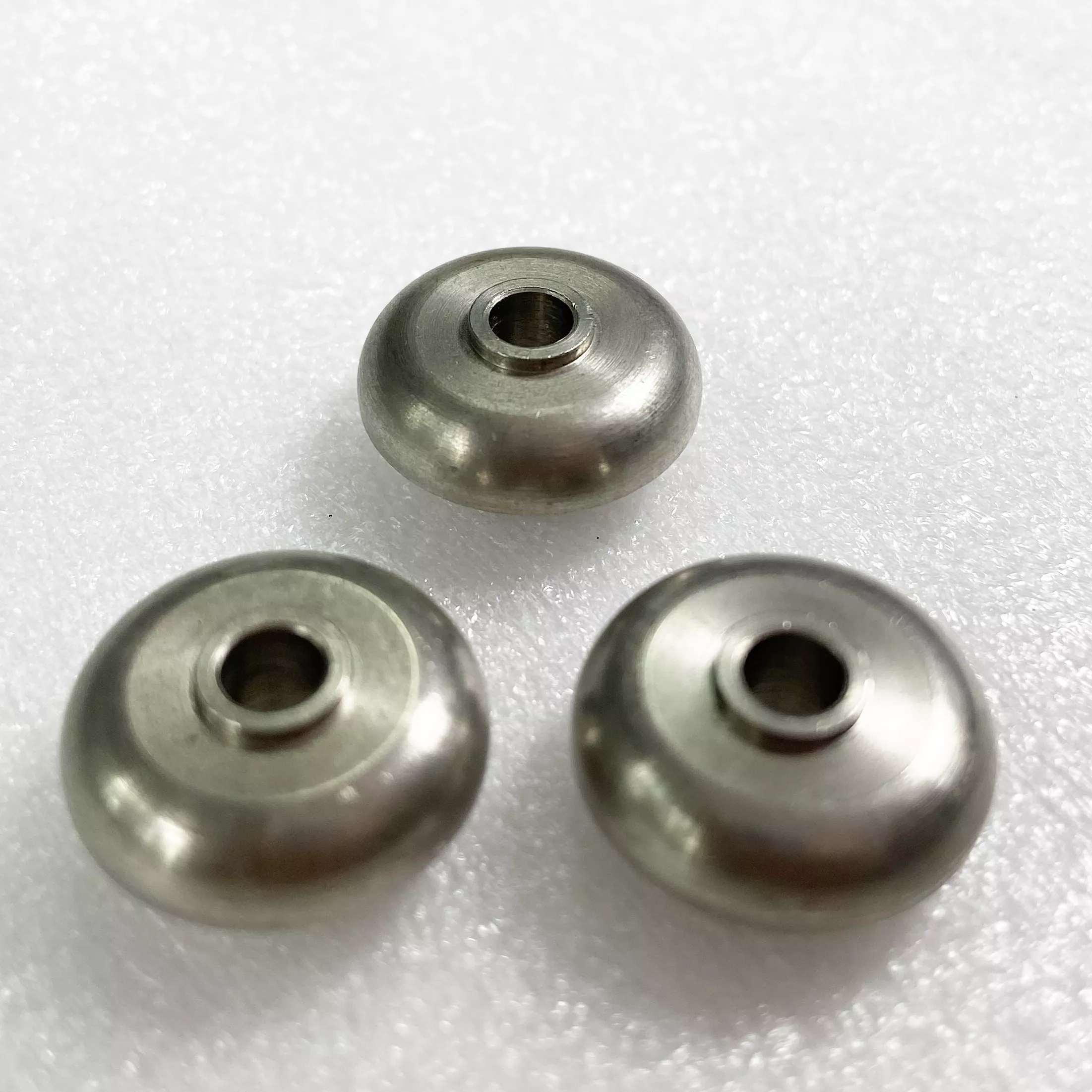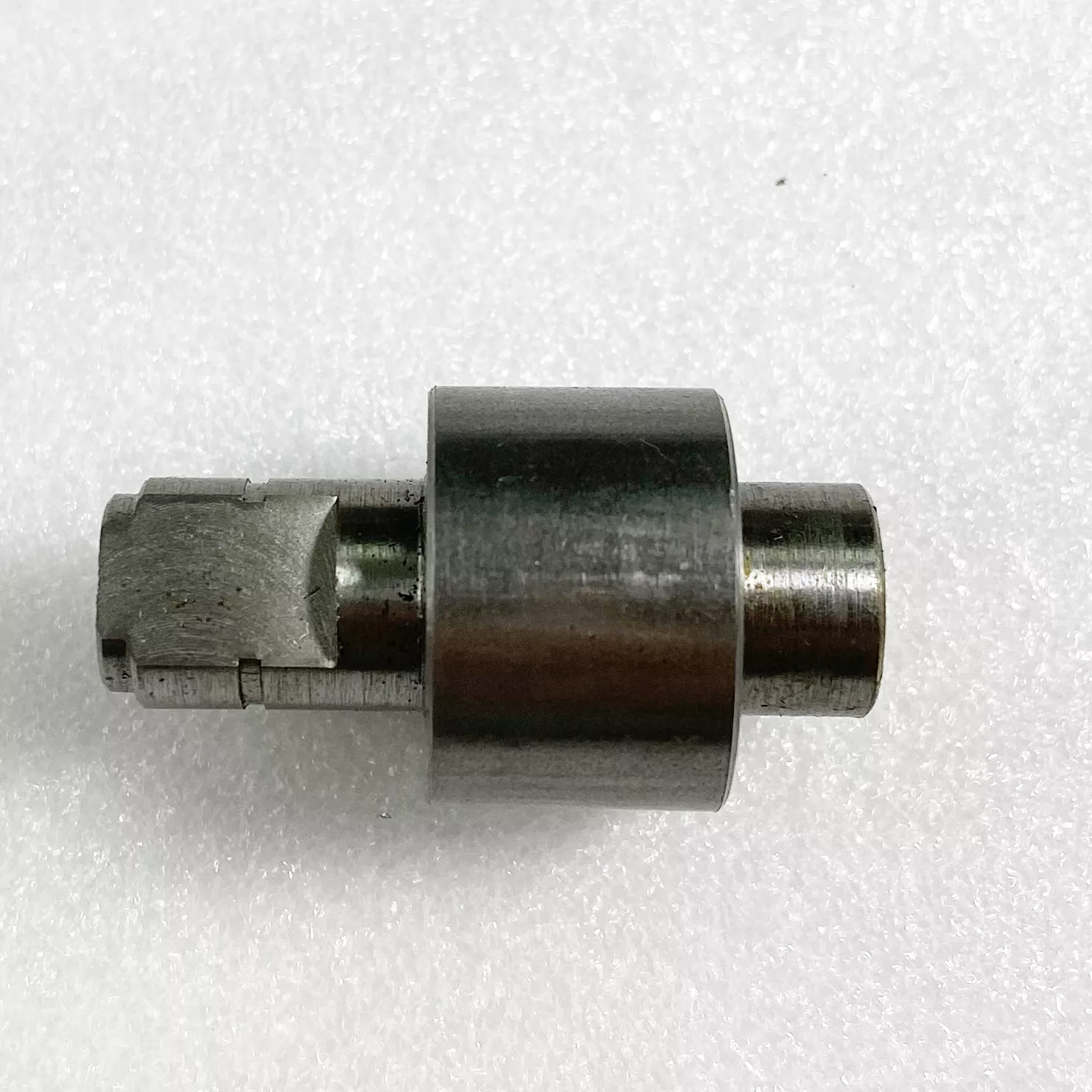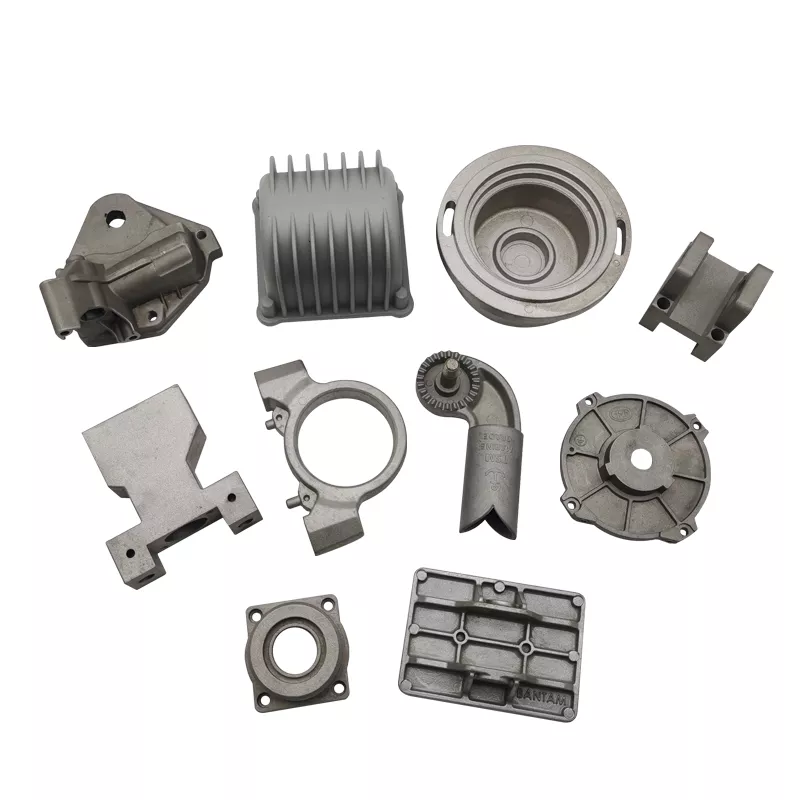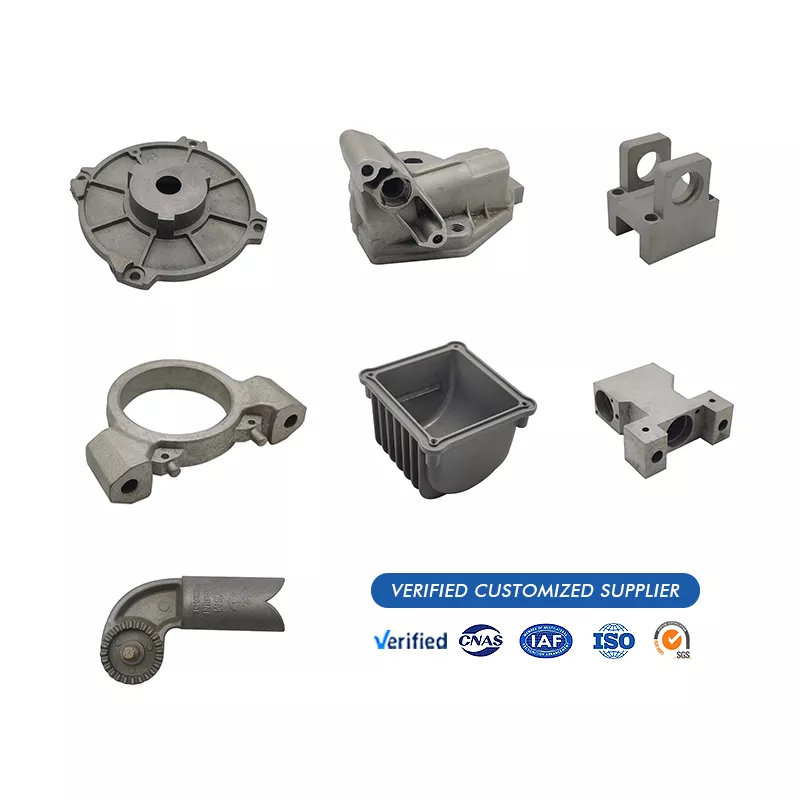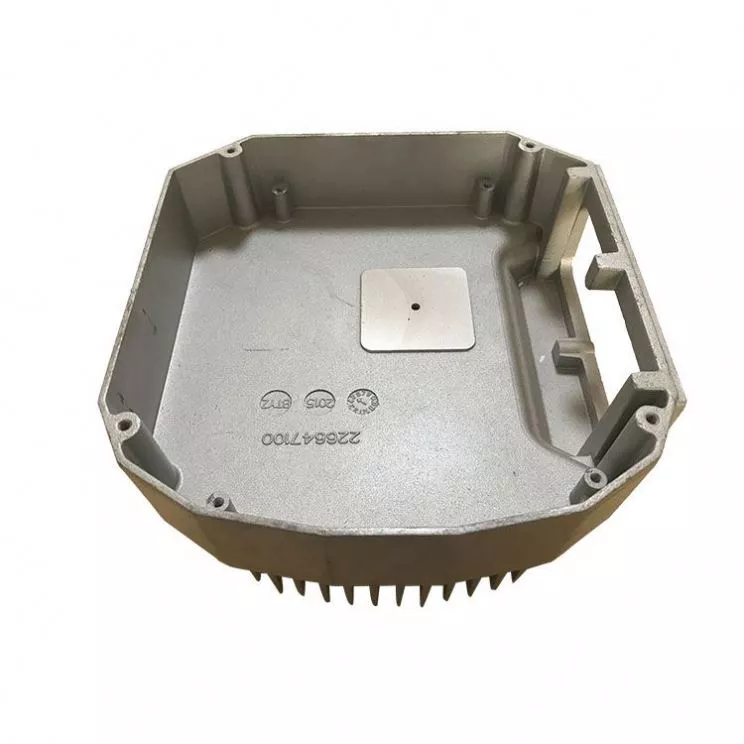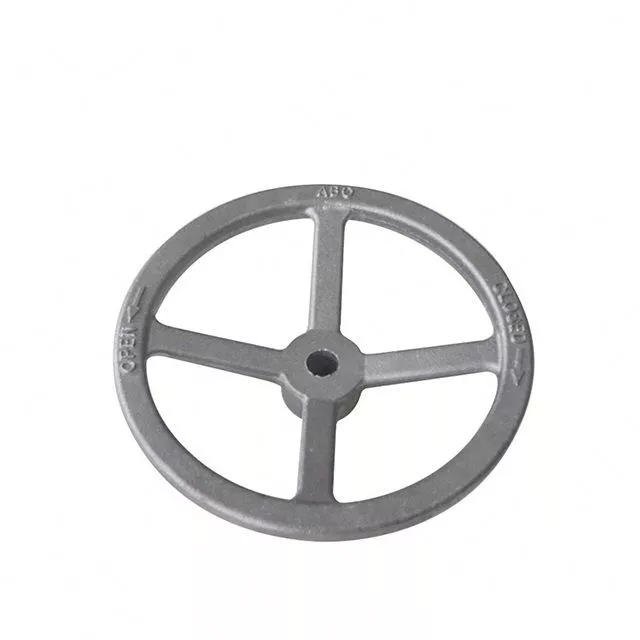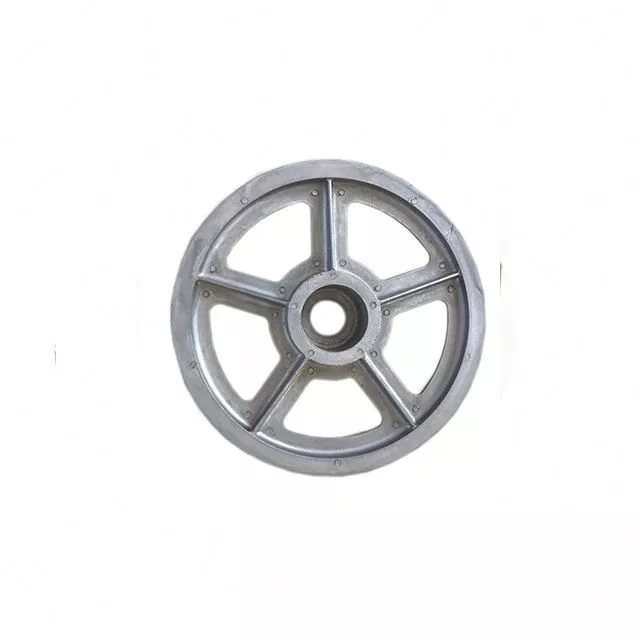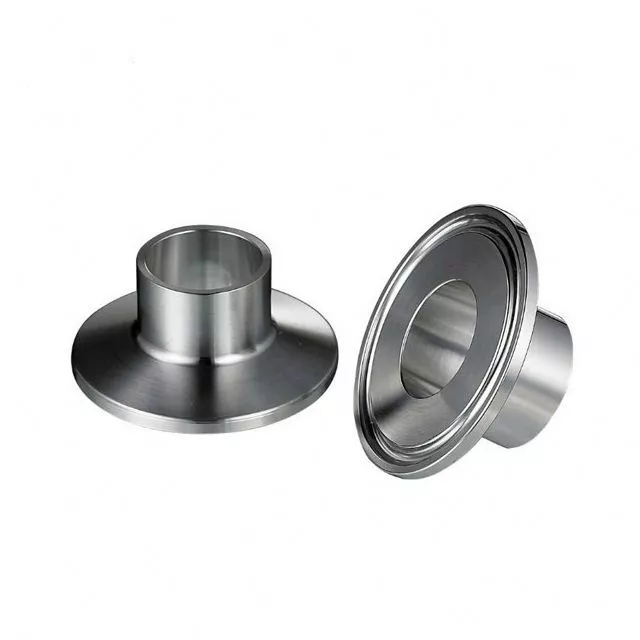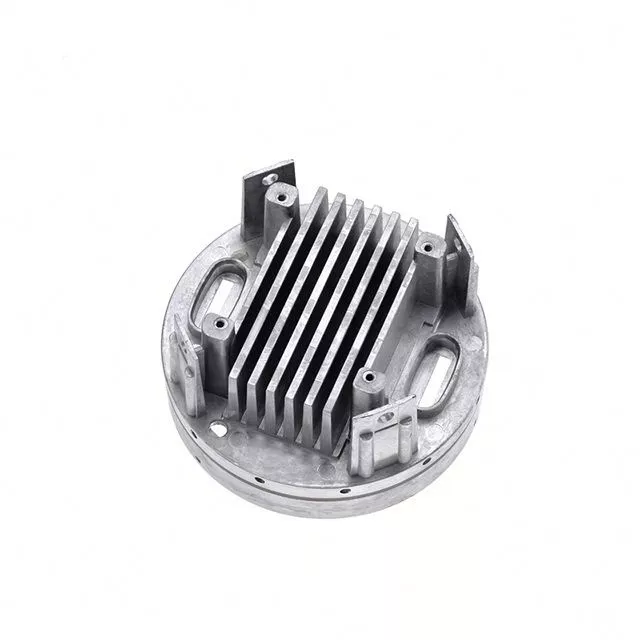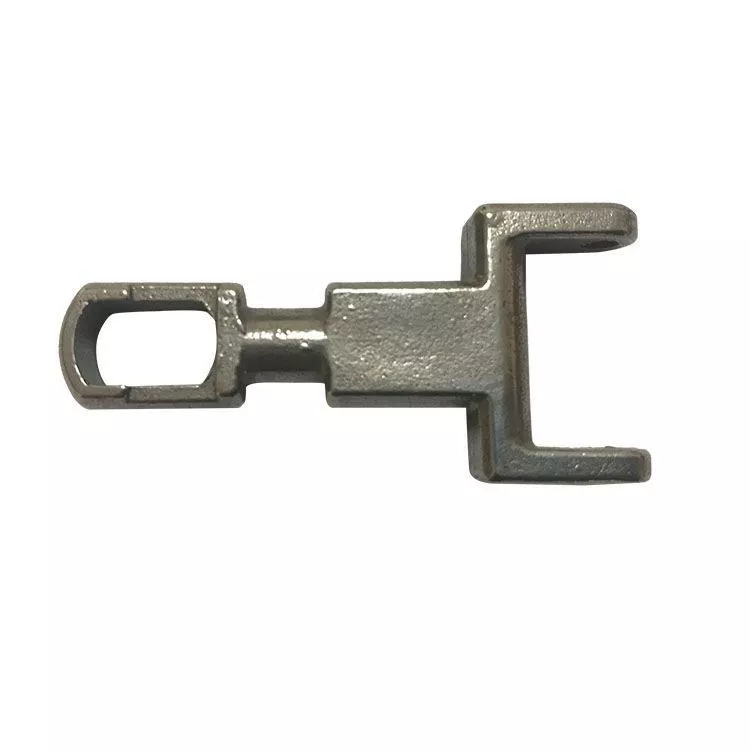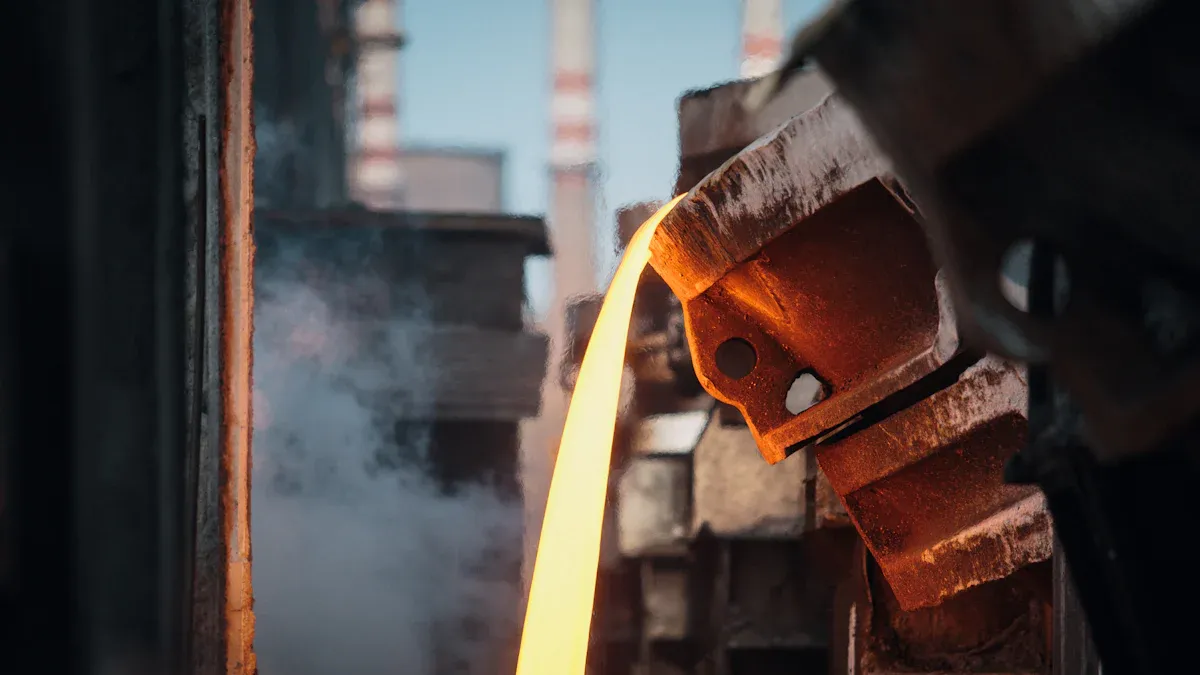
Precision Casting Solutions help make strong and accurate parts for industries. They are very useful for creating custom grey iron and galvanized parts. These parts are strong and reliable for many applications. With better technology, the precision casting market is growing rapidly. By 2032, it may reach $26.3 billion. This growth highlights the demand for lighter and better parts in cars and airplanes.
OEM and ODM services make customization easier. They allow you to design and brand parts to fit your needs. Whether for machines or building structures, these services ensure that Precision Casting Solutions meet your business goals.
Key Takeaways
- Precision casting makes strong and exact parts for many industries, like cars and airplanes.
- Using gray iron and coated materials has special benefits, like stopping vibrations and preventing rust.
- OEM and ODM services help create custom designs to fit business needs and brands.
- Precision casting lowers waste and costs, making it a green choice for factories.
- Picking the right casting company is important; check for skill, good quality, and great service.
Understanding Precision Casting Solutions
What Is Precision Casting?
Precision casting is a way to make detailed metal parts. It uses hot, melted metal poured into a special mold. The mold shapes the metal as it cools and hardens. This process reduces waste and creates very accurate parts. Industries like cars, airplanes, and big machines use this method. It helps make parts that meet strict quality and performance rules.
More companies are using precision casting today. For example:
- The metal casting market was worth $168.13 billion in 2024.
- By 2034, it may grow to $329.11 billion, with a 6.95% yearly growth rate.
- New tools like 3D printing and automation make precision casting even better for modern factories.
Key Materials: Grey Iron and Galvanized Parts
Grey iron and galvanized parts are important in precision casting. Each has special features for different uses:
- Grey Iron: This material is easy to shape and absorbs vibrations well. It is affordable and used in car engines and brakes. Its graphite content helps reduce noise and wear.
- Galvanized Parts: These parts have a zinc coating that stops rust. The coating also makes them stronger and last longer in tough conditions.
These materials let you pick what works best for your needs, whether you want strength, rust protection, or low cost.
Why Precision Casting Is Essential in Manufacturing
Precision casting solves many problems in making products. For example:
| Manufacturing Problem | How Precision Casting Helps |
|---|---|
| Too Much Waste | Better casting methods make fewer mistakes and save materials. |
| Uneven Product Quality | Careful checks during production ensure all parts are the same. |
| Delays from Broken Molds | Strong molds and regular care keep production running smoothly. |
| Hard to Make Exact Shapes | Special casting methods create complex shapes with great accuracy. |
Precision casting also makes sure parts are made to exact sizes. It uses advanced tools like 3D scanners to check every detail. Cooling the metal slowly during casting prevents cracks and makes parts stronger. This reduces the need to fix mistakes, saving up to 20% in costs and cutting delays by 30%.
Using precision casting helps create top-quality parts for industries like cars and planes. Even small flaws in these parts can cause big problems, so precision is key.
Advantages of Precision Casting for Custom Grey Iron & Galvanized Parts
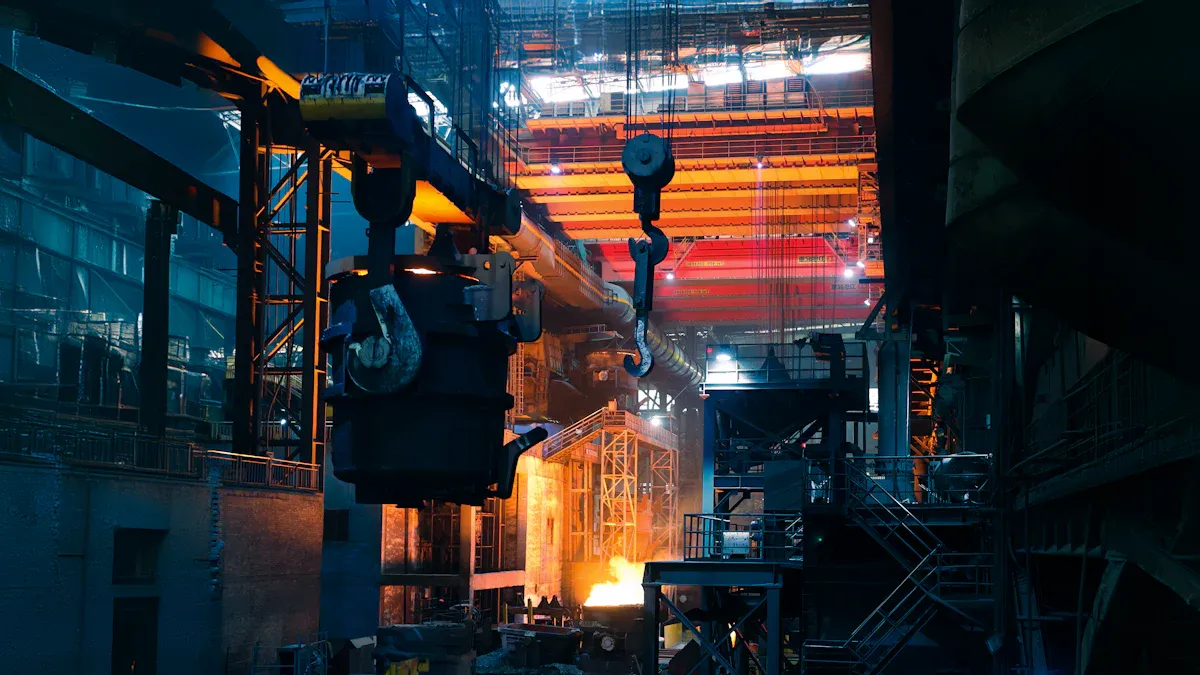
Strength and Durability of Grey Iron and Galvanized Parts
Precision casting makes strong and long-lasting grey iron and galvanized parts. Grey iron has tiny graphite pieces that absorb vibrations well. This makes it great for car engines and big machines. It helps reduce noise and wear, lasting a long time under stress.
Galvanized parts are great at stopping rust. A zinc layer protects the metal from damage and weather. These parts work well outdoors, like in buildings or roads. They handle tough weather and heavy loads, staying reliable for years.
Saving Money and Materials
Precision casting is a smart way to save money. It uses less material and lowers production costs. Here's how it compares to other methods:
| Source | Key Points |
|---|---|
| Investment Casting Misconceptions | Shows how casting saves money with less waste and better accuracy. |
| Casting vs Machining | Casting uses materials better and wastes less than machining. |
| Fabrication vs Casting | Casting saves time and labor, cutting costs compared to fabrication. |
This process uses every bit of metal, leaving little waste. It saves resources and supports eco-friendly manufacturing. Lower costs and less waste make it a great choice for businesses.
Flexible Designs and High Accuracy
Precision casting can make detailed and complex designs easily. Modern tools create parts with exact shapes and sizes. This is important for industries like cars and airplanes, where small errors matter.
The table below shows why precision casting is great for engineering:
| Feature | Description |
|---|---|
| Dimensional Accuracy | Makes parts with exact sizes for tricky designs. |
| Surface Quality | Gives smooth surfaces, needing less cleanup after casting. |
| Efficiency | Good for making many parts quickly with reusable molds. |
| Detail and Accuracy | Creates smooth finishes and very accurate parts. |
| Precision | Makes detailed parts with great surface quality. |
| Enhanced Mechanical Properties | Stronger parts with fewer air bubbles or flaws. |
With precision casting, you can create custom parts easily. It lets you design parts exactly how you need them. Whether for machines or decorations, this method gives you the flexibility and accuracy you want.
Enhancing Customization with OEM/ODM Services
Overview of OEM and ODM Services
OEM (Original Equipment Manufacturer) and ODM (Original Design Manufacturer) services are important in making products today. They help create items that match your needs by using skilled manufacturers. OEM makes parts or products based on your designs, keeping them true to your brand. ODM provides ready-made designs that can be adjusted to fit your needs, saving time and effort.
These services are becoming more popular in industries like cars, construction, and machinery. For example:
| Source | Key Details |
|---|---|
| Champion H&C | Offers custom solutions for different industries through OEM and ODM. |
| YONG TAI | Makes auto parts to meet specific customer needs. |
| Chun-YZ Mold Industrial Co., Ltd | Focuses on customer designs and OEM orders, showing the rise of customization. |
They ensure your products meet industry rules while matching your business goals.
Custom Design and Branding Opportunities
OEM and ODM services let you design and brand products your way. You can work with manufacturers to make items that show your brand’s style. Whether it’s special sizes, unique looks, or custom logos, these services help bring your ideas to life.
Manufacturers often talk with you to understand what you want. They use good materials that follow industry rules. Prototypes are tested carefully to meet your standards before mass production starts. This process makes sure every part, from design to packaging, fits your brand perfectly.
Tailored Solutions for Specific Client Needs
Precision Casting Solutions with OEM/ODM services offer custom solutions for different needs. Manufacturers team up with you to solve problems and make products that fit your goals. This ensures the final product works well for your business and industry.
Here are some real examples:
- A lighting company worked with an OEM to create special LED lenses for streetlights. These lenses improved visibility and reduced glare, leading to success.
- A smart home startup used an ODM to tweak existing designs. This helped them launch quickly and take advantage of new trends.
These examples show how OEM/ODM services can help you succeed, whether you’re making something new or improving what you already have.
Applications of Precision Casting Solutions
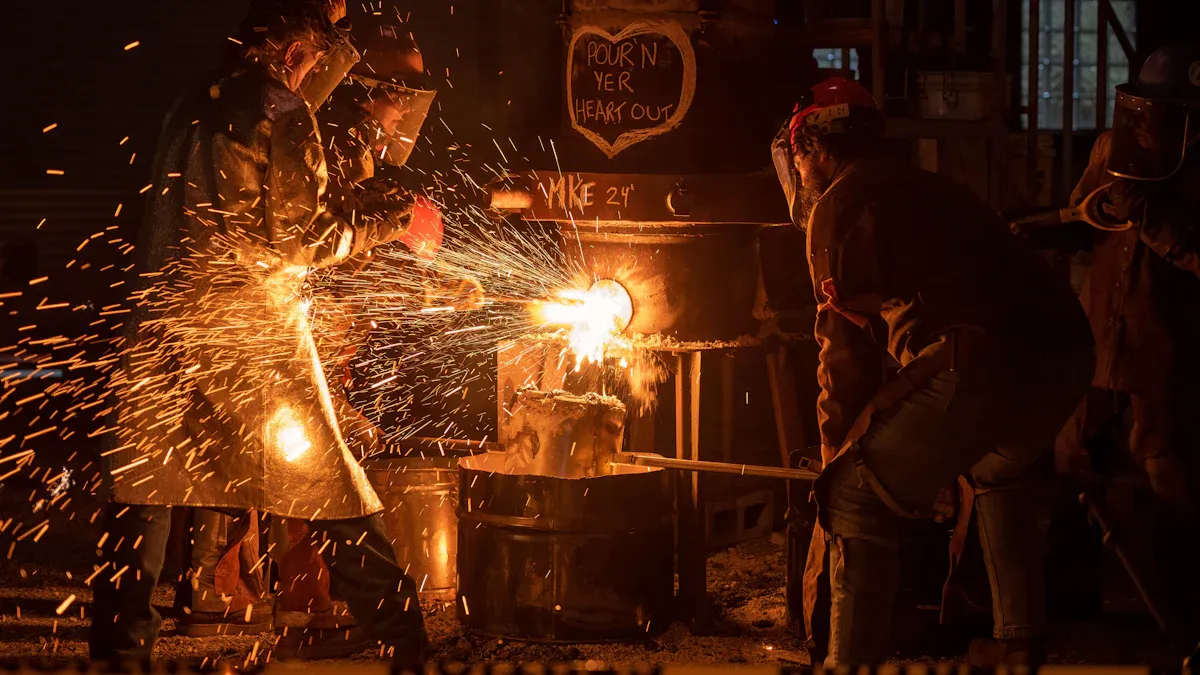
Precision casting is important in many industries. It offers accuracy, strength, and saves money. Below are some key uses in major fields.
Automotive Industry
Car makers use precision casting for strong, lightweight parts. Electric cars (EVs) need these parts more than ever. In 2021, EV sales in the US doubled to 6.6 million. Europe sold 2.3 million EVs that year too. This shows the need for better materials to improve cars. Precision casting makes parts like engine blocks and suspension pieces. These parts help cars perform better and weigh less.
New technology and government support boost precision casting in car making. Reports show it creates complex parts with little extra work. This makes it a key process for modern cars.
Construction and Infrastructure
Construction uses precision casting for strong, rust-proof parts. The US government’s $550 billion for infrastructure projects increased demand. These projects need materials that last in tough weather and stay strong.
Precision casting makes items like brackets and connectors. Galvanized parts, which resist rust, are great for outdoor use. This process ensures construction materials are high-quality and long-lasting. It helps build strong and durable structures.
Machinery and Equipment Manufacturing
Precision casting is crucial for making machines and tools. It creates detailed parts with smooth finishes, needing less extra work. Industries like farming, mining, and automation depend on it for gears and valves.
Reports show rising demand for precision casting in this field. New technology and the need for better machines drive this growth. Precision casting makes accurate, strong parts, making it a top choice for manufacturers worldwide.
Other Industrial Applications
Precision casting is useful in many industries besides cars, buildings, and machines. These industries need accurate, strong, and affordable parts.
1. Aerospace Industry
The aerospace field needs parts that handle tough conditions. Precision casting makes light but strong items like turbine blades and engine parts. These parts meet strict safety rules, ensuring safe flights. This method also creates detailed designs with little wasted material, making it perfect for aerospace needs.
2. Medical Equipment Manufacturing
Medical tools must be precise and safe for the body. Precision casting makes surgical tools, implants, and medical devices with great accuracy. For example, titanium and stainless steel parts for joint replacements are made this way. Smooth finishes and exact sizes meet strict medical standards.
3. Energy Sector
The energy industry depends on precision casting for renewable energy systems. Wind turbines, solar mounts, and hydro generators use cast parts. These parts handle tough weather and heavy use. Precision casting ensures they last long and need less fixing.
Tip: If your business works in a special field, try precision casting. It offers custom solutions for your specific needs.
4. Consumer Goods
Everyday products like pots, tools, and decorations use precision casting. This process makes stylish designs without losing quality. For example, cast iron cookware is durable and keeps heat well, making it great for homes and restaurants.
Precision casting is flexible and works for many industries. Choosing this method helps you make high-quality, reliable products.
Picking the Best Precision Casting Partner
Choosing the right precision casting partner is very important. A good partner gives you high-quality parts and supports your business goals. Here are some tips to help you decide.
Checking Experience and Skills
A partner’s experience affects the quality of their work. Find manufacturers with a strong history in your industry. They should know how to work with grey iron and galvanized parts. Ask about their past projects and the industries they’ve worked with. This shows if they can handle tricky designs and deliver good results.
Also, check their tools and skills. Advanced tools like 3D scanners show they care about accuracy and new ideas. An experienced team can solve problems quickly, saving you time and money.
Why Quality Control Matters
Quality control is very important in precision casting. A good system ensures every part meets your needs. Ask if they follow certifications like ISO 9001. These prove they focus on making high-quality products.
Use this table to check their quality control:
| Criteria | What to Look For |
|---|---|
| Quality System | Ask if they follow standards like ISO 9001. |
| Inspection Processes | Check how they test and inspect parts during production. |
| Quality Records | Request reports to confirm they meet quality rules. |
| Past Performance | Ask about scrap rates and how they fix quality problems. |
| Product Standards | Make sure they meet your size and quality needs. |
| Samples | Get samples to check their work and finishes. |
Certifications also improve customer service. For example, in-house testing ensures reliable parts, reducing delays and keeping you happy.
Looking at Customer Service
Good customer service is key to a smooth project. A helpful team answers questions quickly and solves problems fast. Clear communication avoids mistakes and keeps things on track.
Find partners who offer extra help, like design advice or post-production services. These extras show they care about your success. A good partner listens to your needs and creates custom solutions.
Tip: Pick manufacturers with both technical skills and great customer service. This makes the process easy from start to finish.
By following these steps, you can find a precision casting partner who meets your needs for quality, customization, and support.
Precision Casting Solutions make accurate and efficient custom parts. They can create complex shapes, even with hidden spaces inside. This is hard to do with methods like forging. OEM/ODM services improve this by offering custom designs and branding. These services help match products to your business needs. Precision casting is affordable and works well for making many parts. It also uses materials that fit different purposes. Use these solutions to meet industry needs while keeping high quality and performance.
FAQ
What industries use precision casting the most?
Precision casting is used in many industries like cars, planes, buildings, and machines. These fields need strong, exact, and affordable parts. It also helps in medical tools and green energy, where accuracy and saving materials matter a lot.
How do OEM and ODM services help with customization?
OEM and ODM services let you make products your way. OEM makes items based on your designs. ODM gives ready-made designs you can change. Both make sure your products match your brand and industry needs.
Why are grey iron and galvanized parts special?
Grey iron soaks up vibrations and lowers noise, perfect for engines and big machines. Galvanized parts have a zinc layer that stops rust, making them last in tough weather. Both are strong and budget-friendly for many uses.
How does precision casting save money?
Precision casting cuts waste by using smart molding methods. It skips extra steps like heavy machining, saving time and materials. This makes it a cheap way to make detailed, high-quality parts.
Can precision casting make tricky designs?
Yes, precision casting is great for making detailed and complex shapes. It uses special molds and tools for exact sizes. This makes it perfect for industries needing tricky parts, like planes and medical tools.
Tip: Talk to your casting partner to check if your design ideas will work and can be made easily.