
Shell Mold or Conventional Sand Casting for an Iron-Part Order
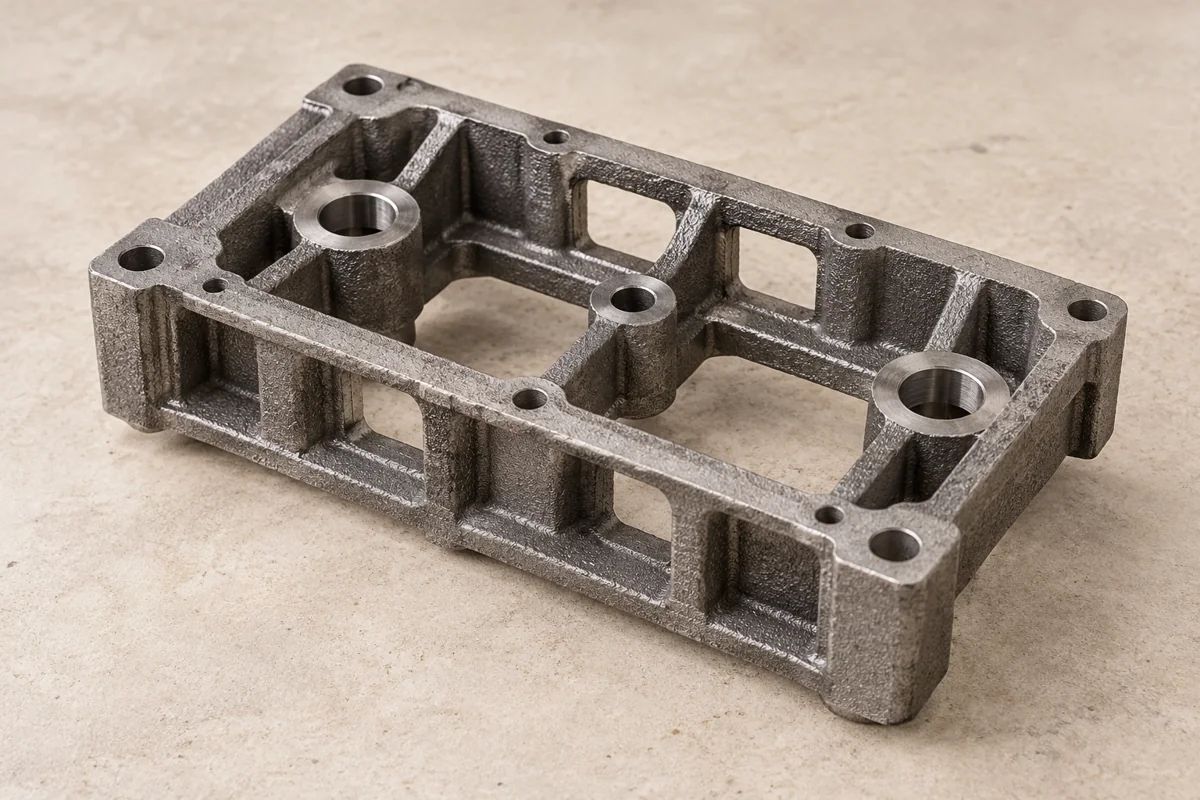
A useful route comparison begins with the iron part you need to receive. Ask Relia to review shell-mold and conventional sand proposals against one drawing and demand plan. Confirm the mold and core package, then compare tooling and recurring work on the same finished-interface and acceptance basis.
One RFQ Baseline Makes the Comparison Useful
Relia reviews the alternatives against the same material, drawing revision and quantity assumptions. A shell mould is distinguished from using shell cores within another sand route. This makes the comparison clearer and avoids treating different manufacturing packages as equivalent quotations.
Sections and Finished Contacts Define the Compared Part
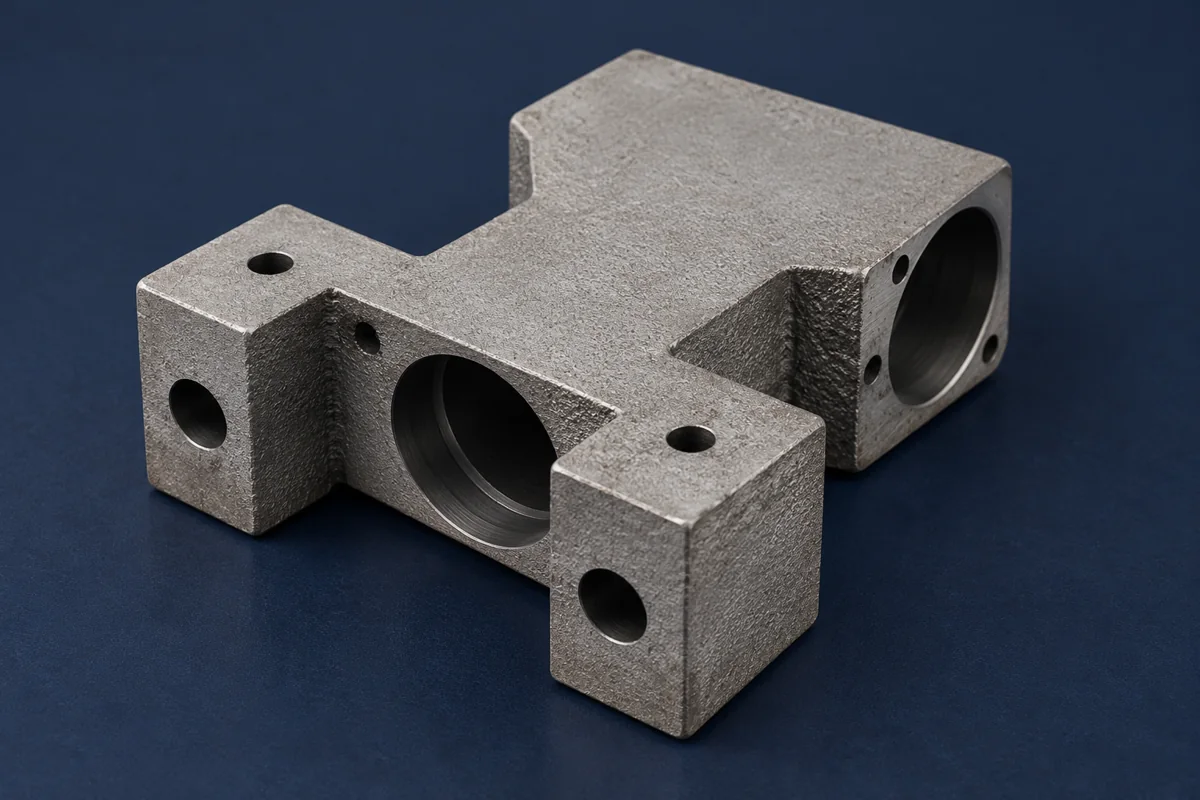
Show the component geometry, sections, openings and finished contacts. Thin ribs, core-dependent passages and broad as-cast regions place different demands on the proposal. Include the features that matter to assembly so a process comparison does not lose the actual purchasing objective.
Material and Acceptance Stay Constant Between Routes
Keep the material, delivered condition and acceptance requirements constant while comparing routes. If a proposal changes any of them, record that change explicitly. A lower price based on a different material, finishing scope or surface requirement is not a direct like-for-like comparison.
Tooling Investment and Recurring Work Are Separate
Tooling and core arrangements influence both development and repeat supply. Review what each proposal includes, who owns the tooling and how a drawing change would be handled. Initial investment is considered alongside the quantities and releases over which it will be used.
Cast Surface and Final Machining Belong in One Comparison
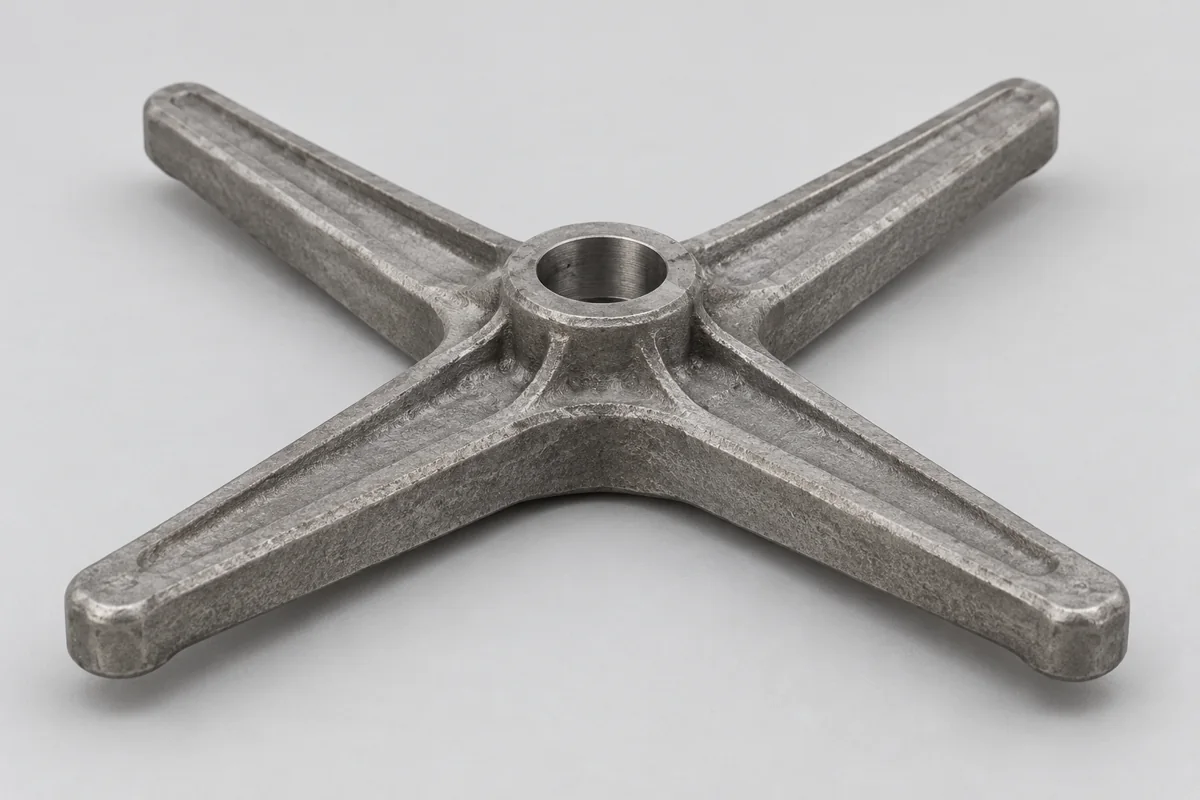
Compare cast surface expectations and the machining needed at the final contacts. A route that reduces one finishing operation may still require different holding, cleanup or inspection work. The final component requirements should remain visible throughout the comparison.
Each Trial Resolves the Risks of Its Proposed Route
Identify the risks that a sample needs to resolve for each proposal. These may concern a local section, core position, appearance region or finished interface. Ask for a defined trial and acceptance plan rather than a broad claim that one route is always more precise.
Sample Evidence Uses the Same Functional Requirements
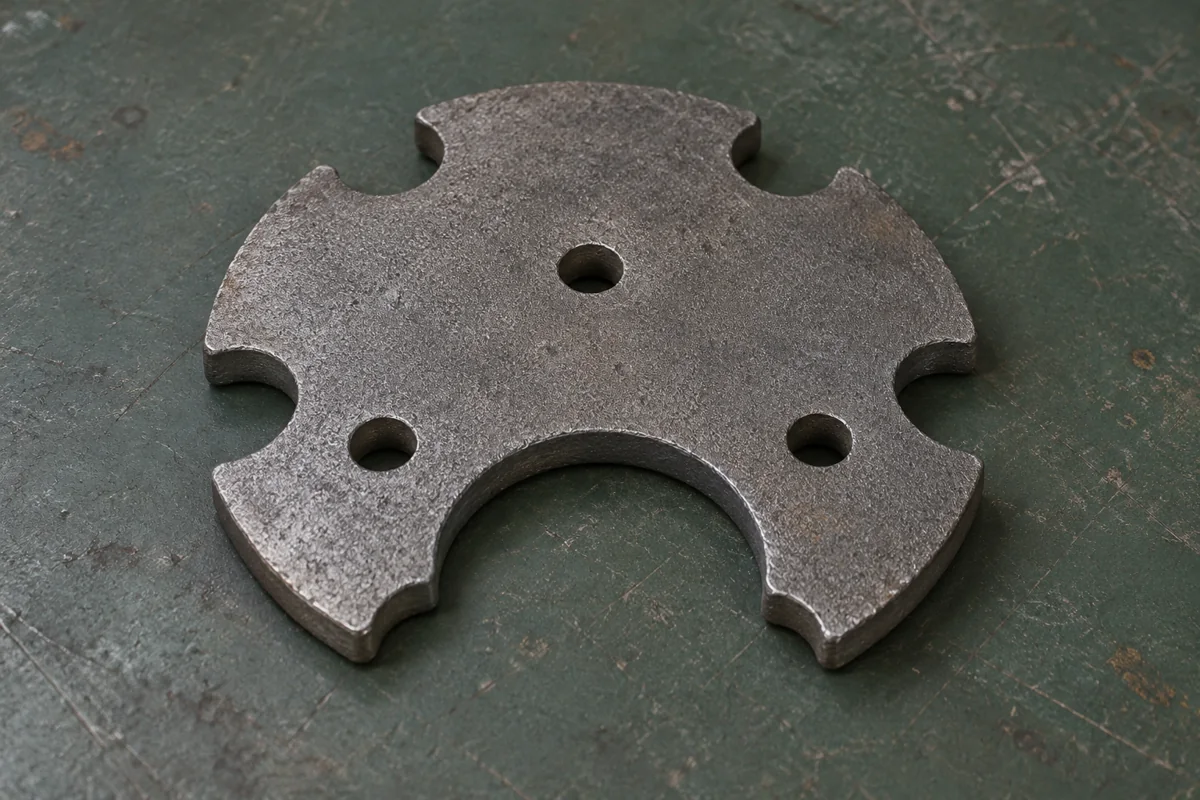
Agree the sample evidence and evaluate it against the same functional requirements. We can provide order-specific key dimensional records for the selected checks. The sample decision should identify the chosen route and any approved changes before repeat production is released.
Choose the Proposal with the Clearest Total Scope
Compare tooling, samples, recurring casting, machining, finishing and required records together. State release sizes, likely repeat demand and delivery conditions. This keeps the decision grounded in your purchasing plan instead of a generic break-even quantity borrowed from another component.
Send One Drawing for a Comparable Route Review
Send the iron-part drawing, material, sample and annual demand, and critical acceptance requirements. Tell us any limits on initial tooling investment. We can review shell-mould and conventional sand proposals on a common finished-part basis.
- [email protected]
- Phone
- +86 185 6176 2631
- +1 404 203 0971
- Project enquiry
- Contact our Qingdao team