
Cast Component Supply for Annual Forecasts and Scheduled Releases
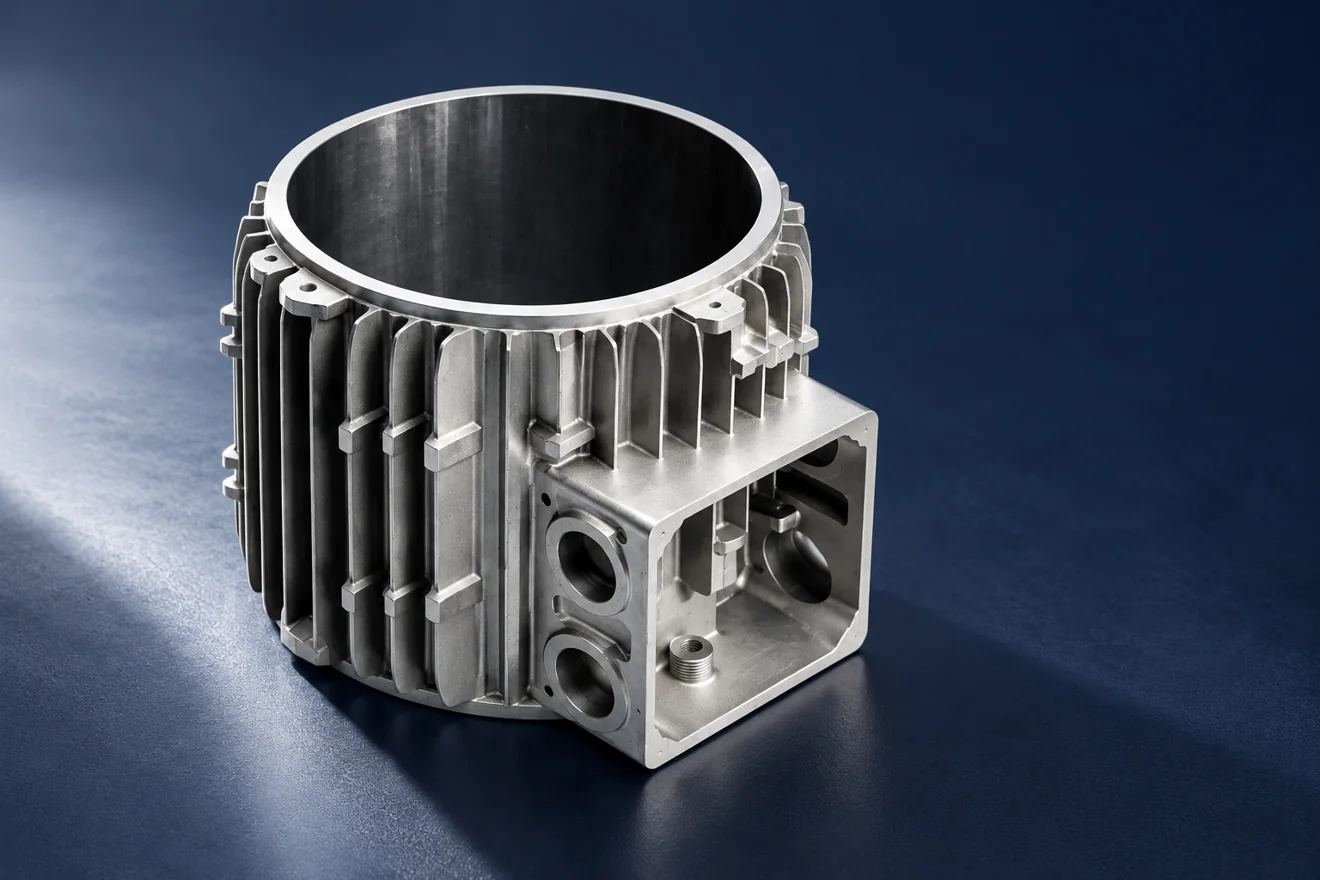
Relia reviews scheduled casting supply by separating the forecast from each firm release. Define the component revision, quantity, required date and delivered condition for that release. We relate those inputs to tooling, treatment, CNC and protection work before agreeing a commitment; a forecast alone does not reserve capacity.
Read the overview and page sections
Tell us the part revision, quantity per release and dates your production needs the components. We can relate those inputs to tooling, casting, machining and delivery preparation, so your purchasing team can distinguish a planning estimate from an agreed production commitment.
One Component Definition Connects the Scheduled Releases
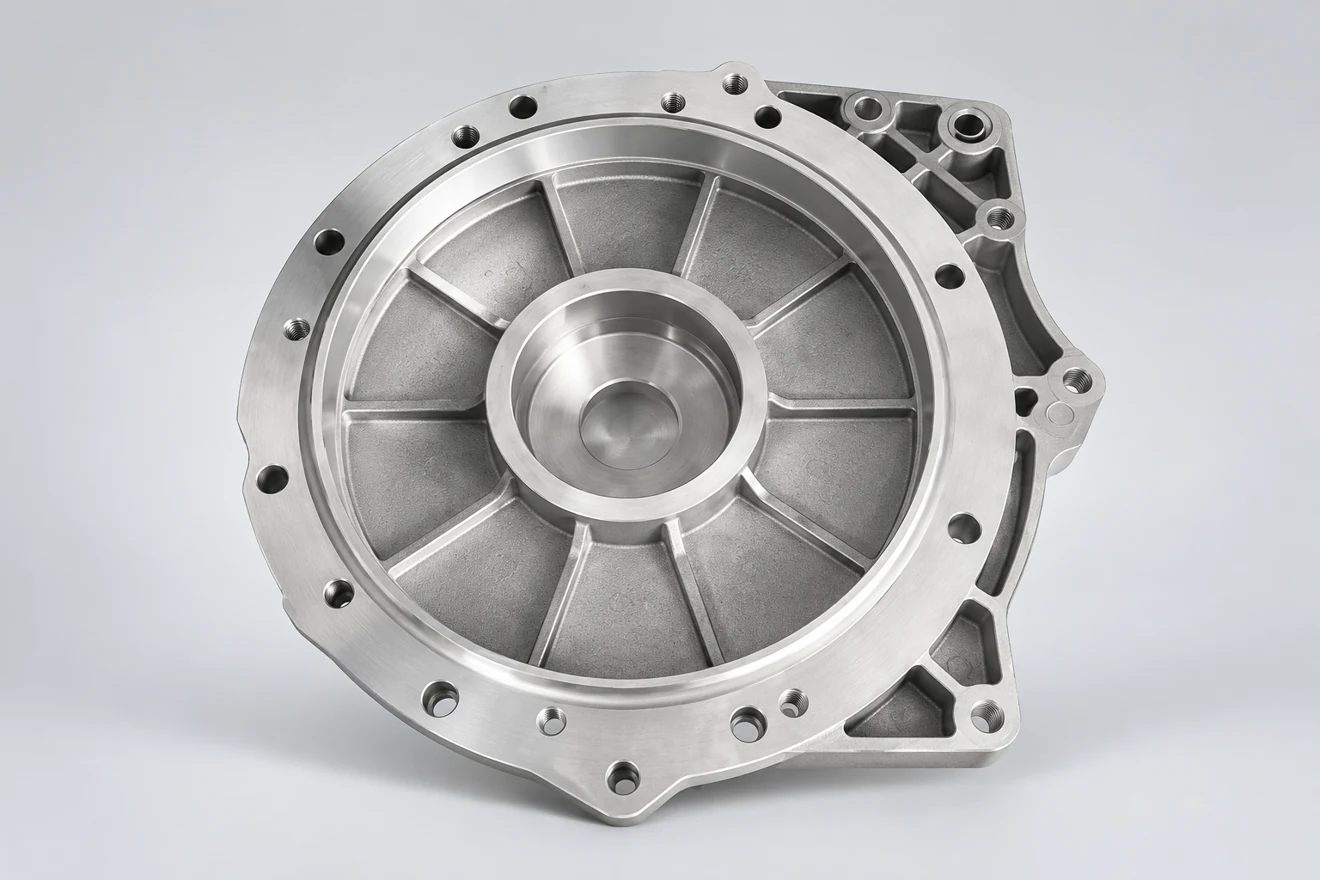
Relia reviews scheduled supply around the actual component and its production dependencies. A housing release may include a casting run, specified treatment, CNC finishing and order-agreed checks before packing. We connect those steps with the required delivery state, while changes to the drawing, quantity or surface condition remain visible inputs to the next release discussion.
Forecast and Firm Demand Stay Separate
State the period covered by the forecast, how often it is reviewed and which releases are firm. Identify any flexibility requested for quantity or timing. We assess that arrangement against the actual process and tooling position rather than promising open-ended capacity from an indicative annual number.
04 / 10Component decisions
Put Forecasts and Firm Releases in Different Columns
This distinction helps both teams discuss material planning and delivery risk without relying on an unqualified annual-volume claim.
| Planning input | Purpose | Term to agree |
|---|---|---|
| Annual estimate | Indicates likely programme demand | Review interval and non-binding assumptions |
| Firm release | Authorises a defined delivery quantity | Release notice and agreed delivery date |
| Batch size | Connects production economics with demand | Minimum lot and split-shipment arrangement |
| Change notice | Identifies revised demand or design | Approval, stock and work-in-progress treatment |
Preserve the Housing Between Production and Each Release
A finished bore or sealing face can be damaged after the manufacturing checks. For a ribbed housing, identify protruding edges, open passages and the contacts that need separation or suitable protection during the agreed handling and storage period. The protection must suit the metal, surface condition and later use.
Keep stored or shipped parts identifiable against the release requirement. If a finish, drawing or acceptance condition changes, distinguish the affected stock from the new definition before dispatch is arranged. Relia discusses those handling and release boundaries with the order; the catalogue housing illustrates the vulnerable features, not an assumed stockholding service.
Schedule the Operations Behind Each Release
A release date depends on more than the final machining cycle.
- Sequence the operations behind a release
- Separate manufacturing changes from forecast changes
Open the manufacturing route and detailed review
Sequence the operations behind a release
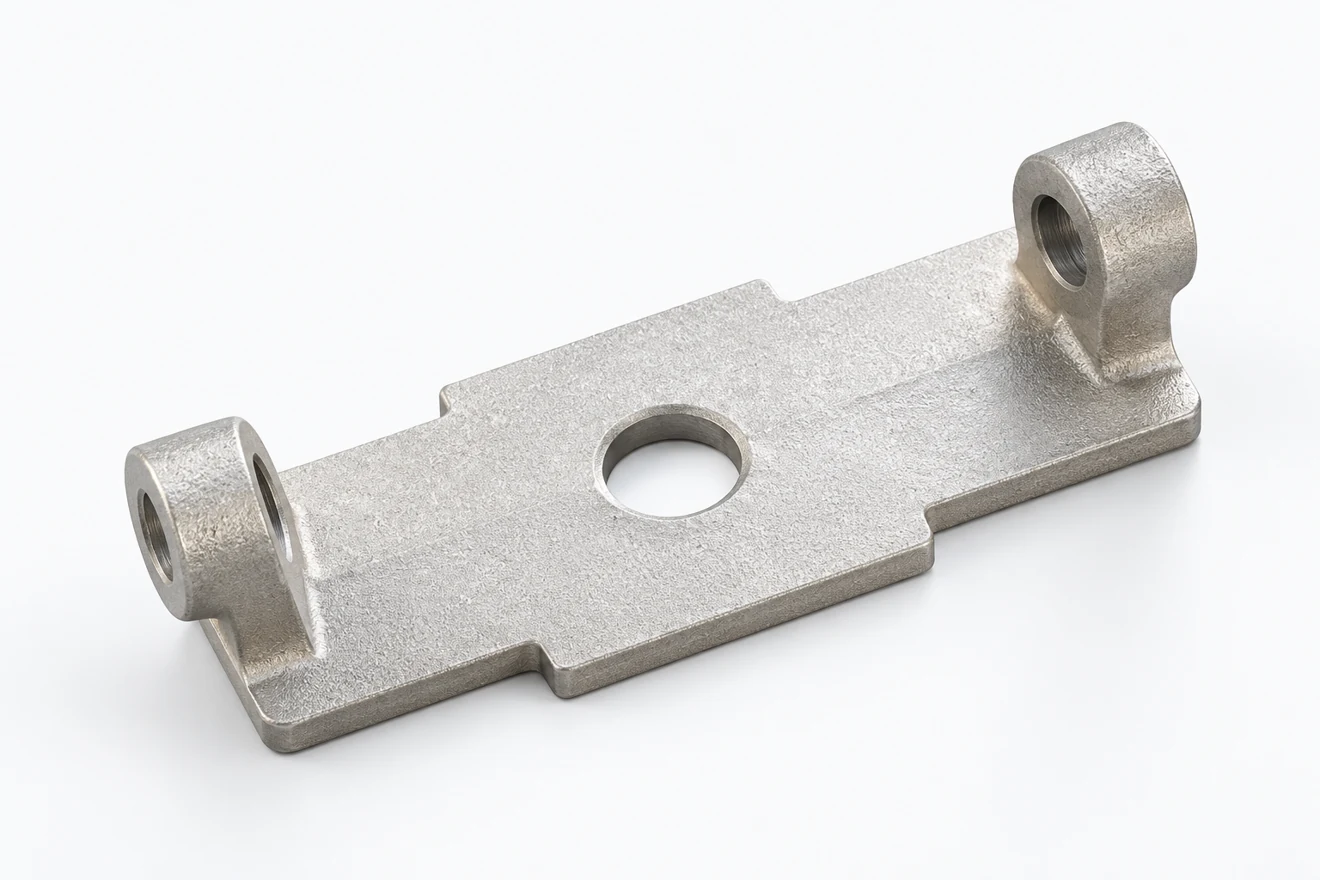
The relevant path can include tooling readiness, mold or shell preparation, casting, specified treatment, CNC work, inspection and packing. The stages that apply to the selected component need to be understood before a delivery commitment is made.
Separate manufacturing changes from forecast changes
Relia's planning discussion separates these manufacturing dependencies from changes in your forecast. A revised drawing may require tooling or fixture work; a changed material condition may alter the treatment and finishing sequence. State when each release becomes firm and how technical changes are reviewed, so later shipments are planned against the same accepted requirement.
07 / 10Component decisions
Make Each Shipment Traceable to Its Release
Scheduled supply works best when receiving can distinguish the order, component version and production lot without reconstructing the entire annual agreement.
| Handoff | Control point | Useful identifier |
|---|---|---|
| Release | Quantity, revision and final surface condition | Release number and part number |
| Production | Agreed material and manufacturing scope | Batch or lot reference |
| Packing | Shipment quantity and protected interfaces | Package list connected to the release |
| Receiving | Specified checks and required records | Delivery reference and acceptance status |
Changes Need a Review Rule
Define how drawing revisions, forecast changes, tooling maintenance and delayed releases are handled. The agreement should state when review is needed and who can approve a change. This keeps old and new revisions from being mixed and prevents planning assumptions from silently becoming purchasing obligations.
Send the Details for Your Component Review
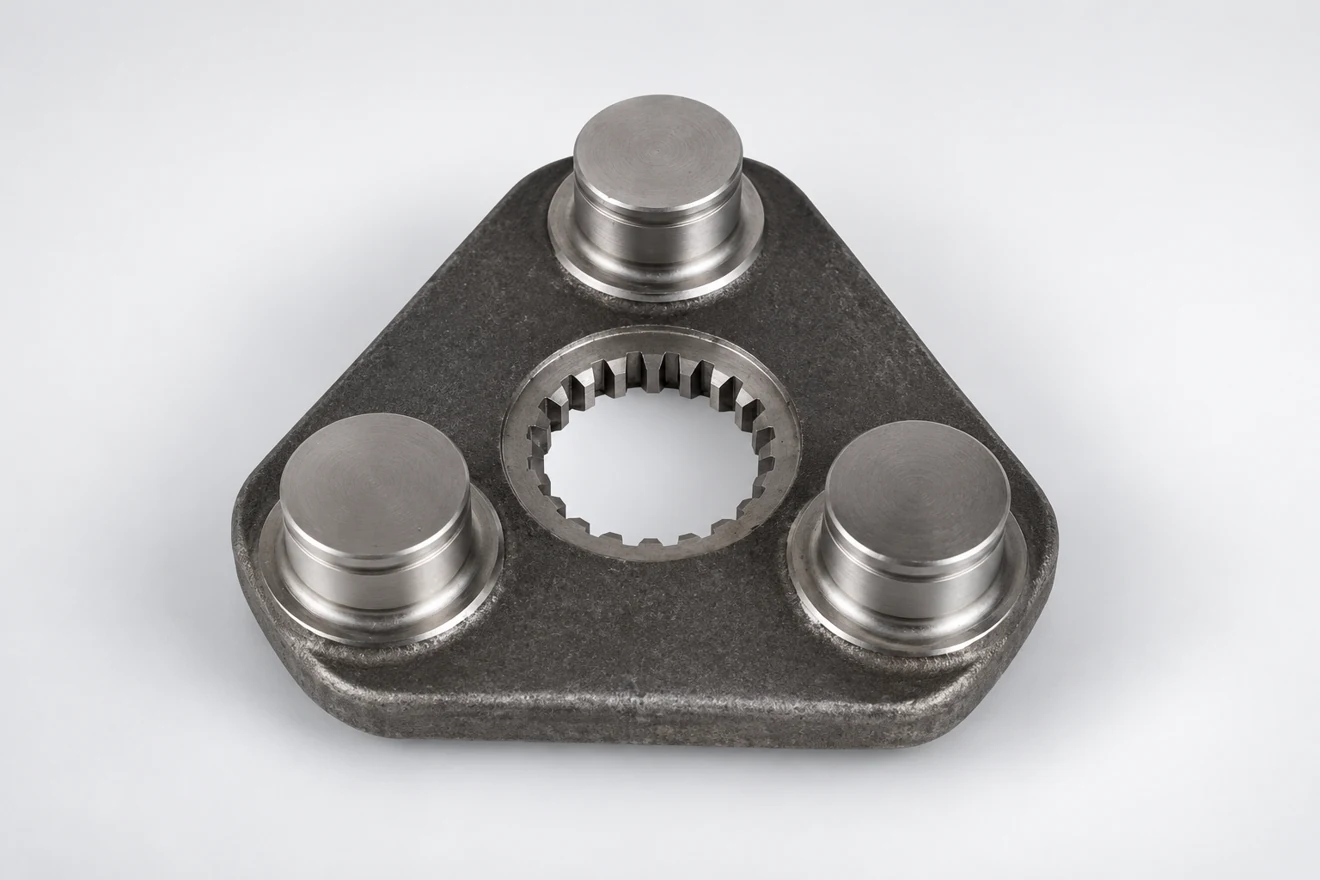
Tell us what you need to buy and the condition you need to receive. Relia Casting will review the component, manufacturing scope and requested evidence with you before an order is agreed.
- Approved component specification
- Forecast and first firm release
- Release-change and stock responsibilities
- Required lot and shipment records
- Delivery and protection requirements
No. 96 Shuyuan Road, Qingdao, Shandong, China
About our component supply · Contact details and project enquiry