
Lost-Foam Iron Mounting Plates with Machined Faces and Defined Flatness
A bossed iron plate needs its final mounting condition defined before casting and machining are quoted. We review lost-foam projects with the working datums, support arrangement and flatness requirements together. The goal is an accepted finished plate, not a raw blank whose final contact condition remains uncertain.
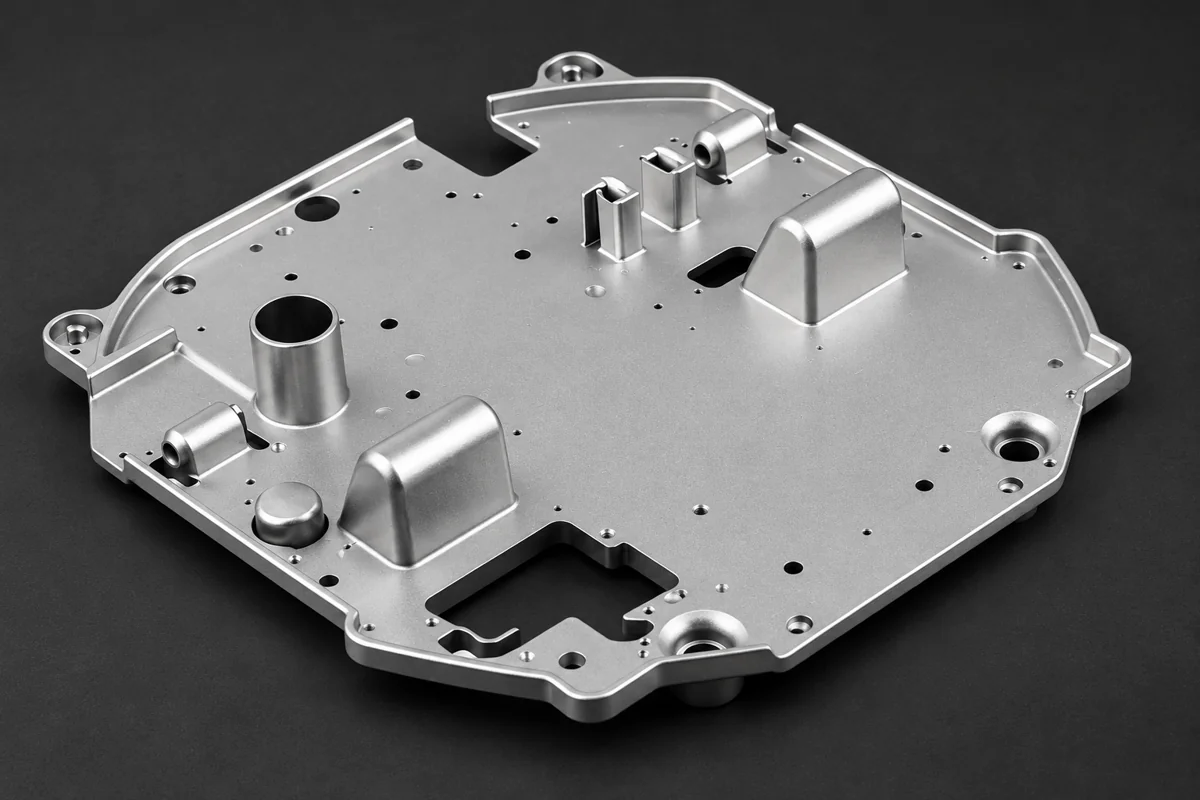
The Mounting State Leads the Supply Definition
Relia connects the plate's casting form with the specified finishing and inspection scope. Bosses, mounting pads and hole groups are reviewed as related features. The supplied component and any assembly or installation checks are identified separately so each team can see the responsibility boundary.
Plate Regions and Raised Contacts Define the Support Plan
Show the broad plate region, raised bosses, openings and the contacts used to support the part. Local features interrupt an otherwise simple-looking surface. Their position and the support arrangement help define the machining and measuring plan for the final component.
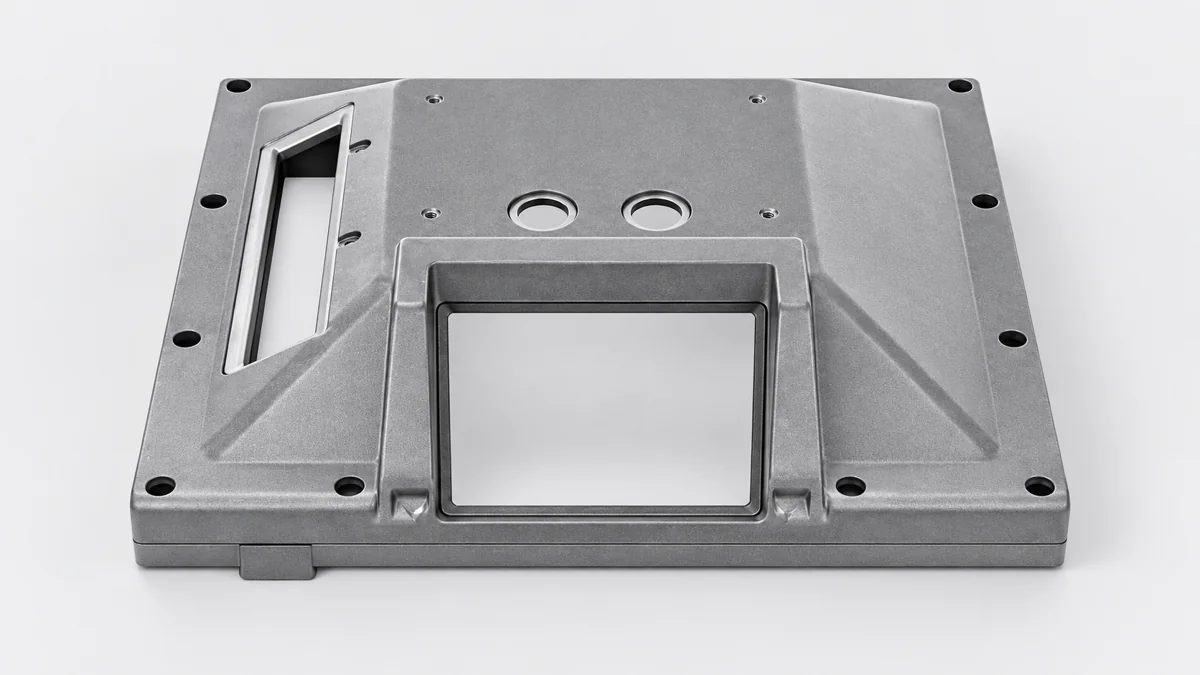
The Iron Specification Includes Its Delivery Condition
Approve the actual iron specification and required delivery condition. If treatment or a stability requirement applies, include it in the project brief. A lost-foam enquiry label does not establish the grade, treatment or final flatness of a pictured plate.
Boss Junctions and Local Stock Need a Joint Review
Review the foam pattern and the transitions between the broad body and raised regions. Pattern assembly, local geometry and the proposed casting route influence what must be checked during development. Keep any manufacturing suggestion connected to the final drawing and its protected contacts.
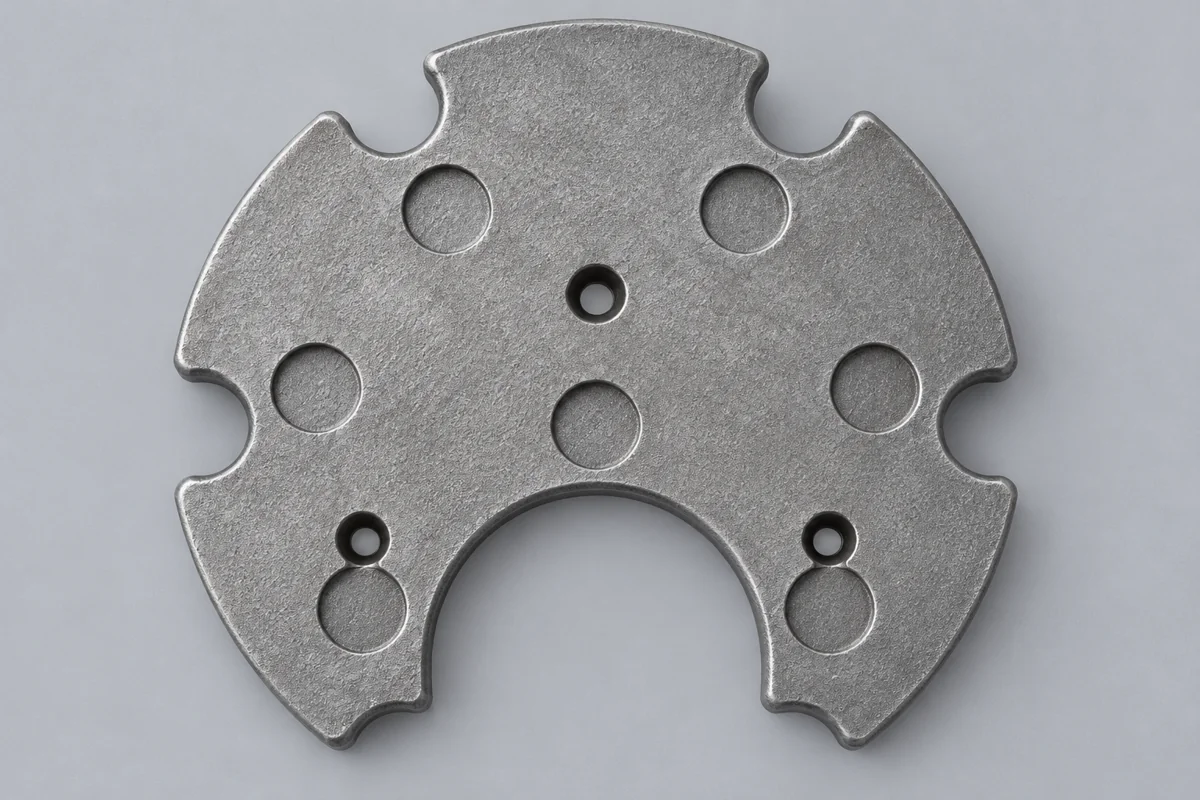
Flatness Is Defined in a Stated Reference Condition
Flatness needs a stated reference condition. Agree how the plate is supported or restrained when it is measured and which regions form the working mounting surface. Different setups can produce results that are not directly comparable even when the same nominal feature is being discussed.
List the agreed support contacts and the released condition used for the check.
When required by the drawing, state the constraint and mounting conditions explicitly.
Use the condition your acceptance drawing requires. Results from different support or restraint setups are not automatically comparable.
The Finishing Sequence Preserves Stock and Holding Contacts
The finishing plan considers the order of operations, local stock and holding contacts. Identify the final faces and bores, as well as surfaces that remain as cast. Protection after machining should preserve the contacts used for acceptance and later assembly.
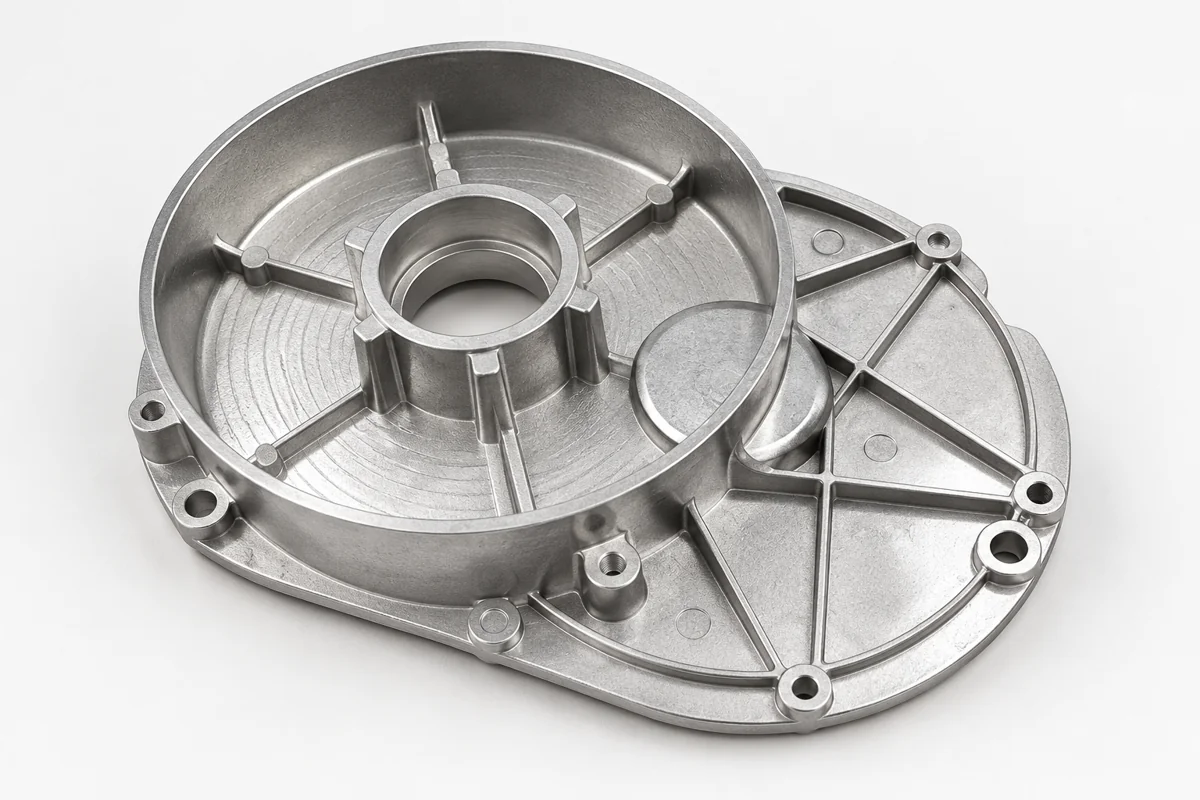
Sample Records Use the Delivered Condition
Use sample records to connect the finished face, local pads and hole positions to the agreed setup. We can provide key dimensional results for the order with methods and sampling defined. Buyer assembly feedback remains useful for confirming the actual installed relationships.
The Plate RFQ Includes Mounting and Measurement Conditions
Include the plate model, mounting map, material and measuring condition in the RFQ. Add samples, repeat demand, treatment if required and protection for finished faces. The quotation can then reflect a defined delivered plate rather than an unspecified flatness claim.
Related engineering and purchasing guidance
Send the Plate Sections and Flatness Requirements
Send the plate drawing with support contacts, mounting faces and critical holes marked. Add the material, quantities and the condition used for final flatness acceptance. We can review casting, machining and sample measurement around that setup.
- [email protected]
- Phone
- +86 185 6176 2631
- +1 404 203 0971
- Project enquiry
- Contact our Qingdao team