
Hydraulic Body Castings and CNC-Finished Connections
Source custom hydraulic bodies, connectors and hollow cast components from Relia in China. We review passage layout, ports, sealing faces and CNC access from your drawing. Define the delivered body, internal cleanliness and any ordered leakage or pressure test separately, so the quotation and sample cover the same component.
Review Your Hydraulic Body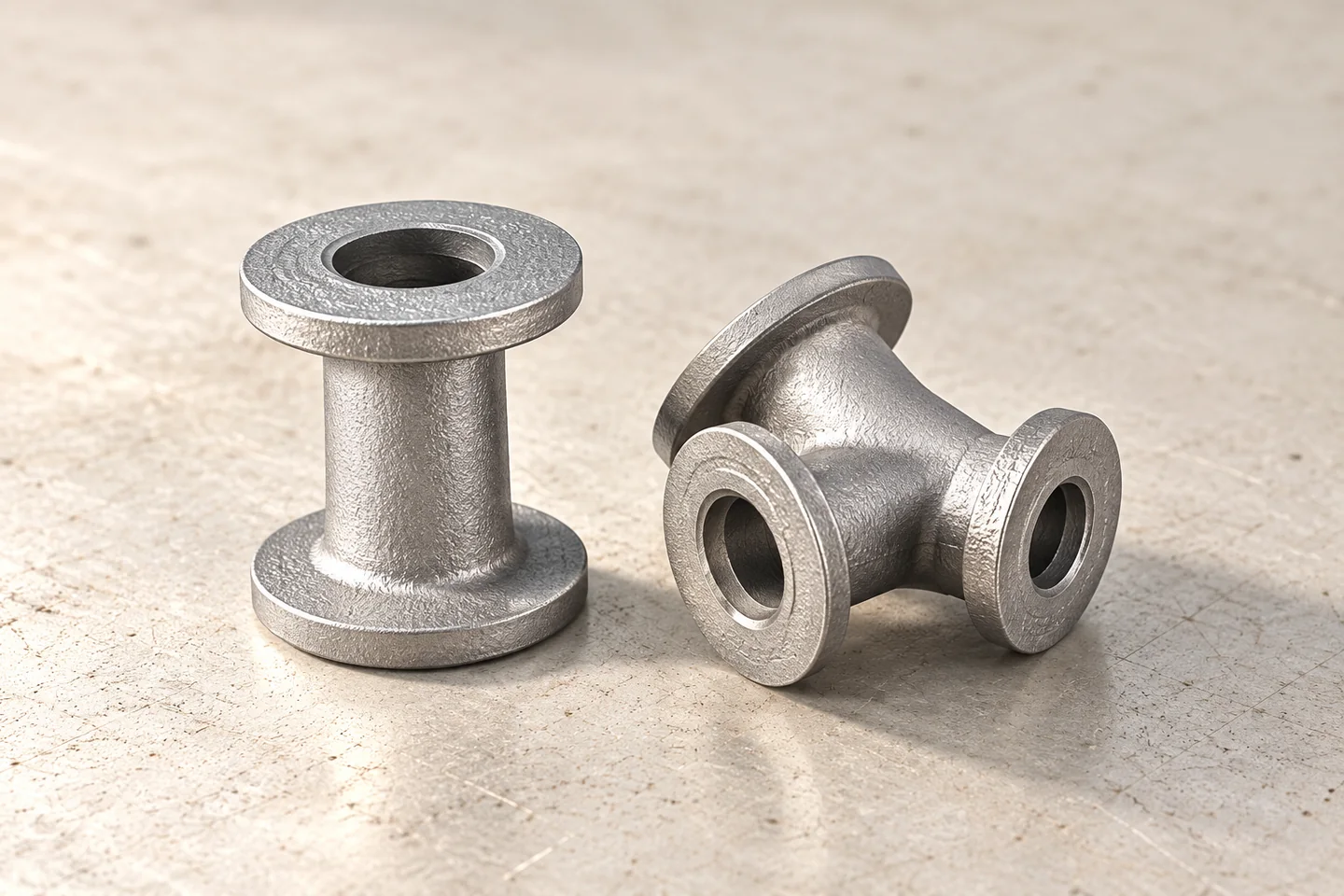
- Flow pathSections and access through the body.
- ConnectionPorts, seats, threads and flange faces.
- AcceptanceFinal dimensions, cleanliness and any ordered test.
The Passage and Sealing Boundary Lead the Review
Relia reviews valve-body, connector and hollow-body enquiries using the actual component and mating drawings. An outside photograph shows the opening positions but not the complete internal boundary. The model and sections identify where passages approach a wall, intersect another feature or meet a seat. This gives casting and CNC work the same geometric basis.
- PassageInternal route and local wall.
- PortThe actual connection position and standard.
- SealThe surface or joint forming the boundary.
Formed and Machined Passages Need Different Access
A cavity created by the mold or core needs a removal and cleaning route. A drilled passage needs cutter reach and access to any intersection burr. Some bodies combine both. Mark which internal regions are formed and which are machined so cleanup, wall stock and inspection are not assigned to an operation that cannot reach the relevant surface.
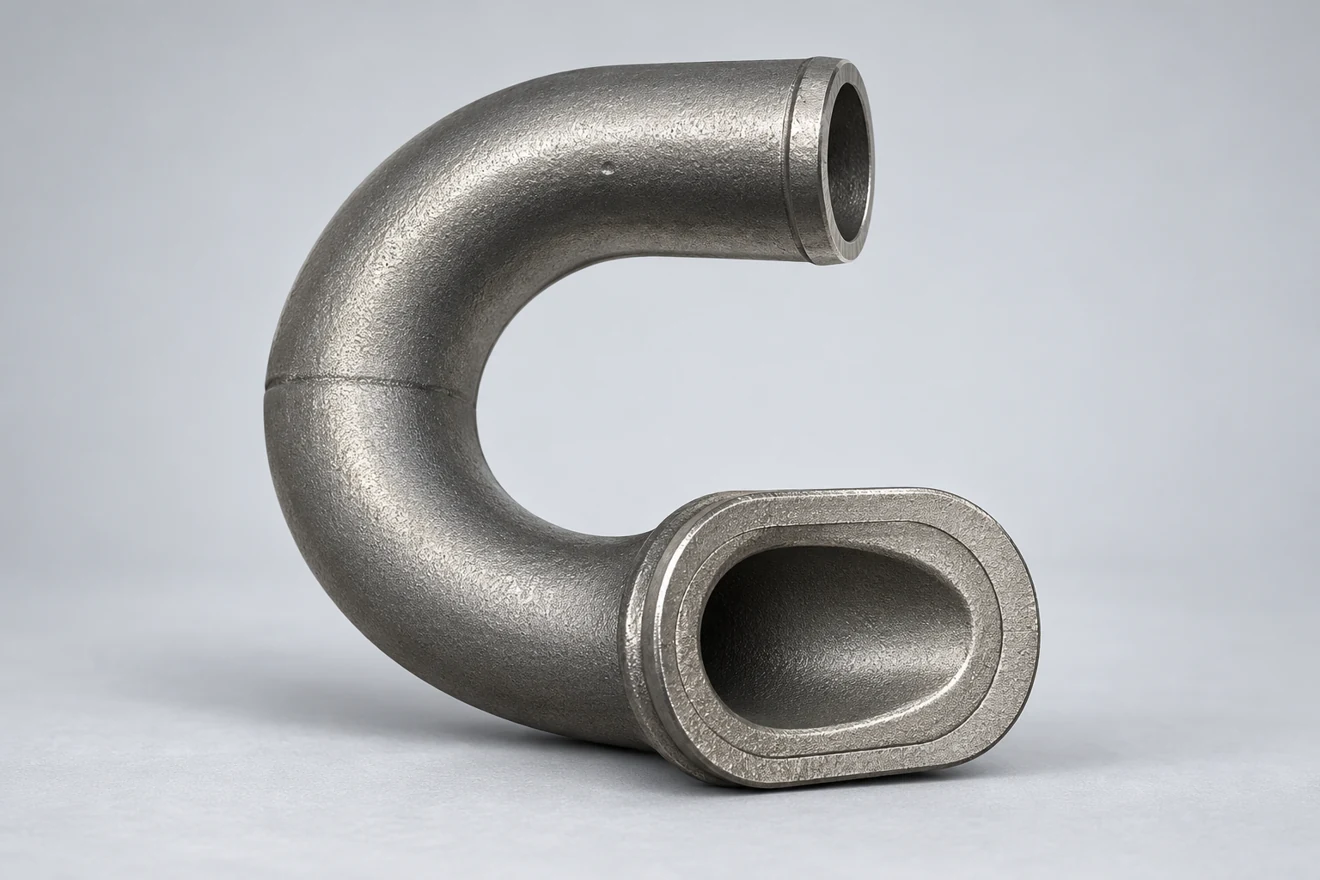
- Formed cavityMold-material removal and internal access.
- Drilled passageTool approach and intersection edge.
- Combined boundaryThe final connected geometry after both operations.
Seats and Threads Relate to the Same Functional Datums
A port diameter alone does not define its angle or location relative to a flange or seat. The drawing establishes the functional references, including thread engagement and shoulder geometry where needed. Machine the relevant contacts from a coherent setup plan and inspect their relationship. A clean thread that points in the wrong direction still cannot form the intended connection.
Locate the connection and its direction.
Define the surface that seals or locates.
Relate both features to the installed body.
Identify the finished features, measurement reference and agreed dimensional record. State any leakage test separately, with its actual article, conditions and acceptance criterion.
Material Selection Includes the Actual Fluid Exposure
Iron, stainless steel, aluminium and copper alloys are separate fluid-body proposals. Select the actual grade and condition against the medium, temperature and component requirement. A shared catalogue image cannot establish the material of every fitting. Surface treatment also has to suit that selected metal and the surfaces exposed to the fluid.
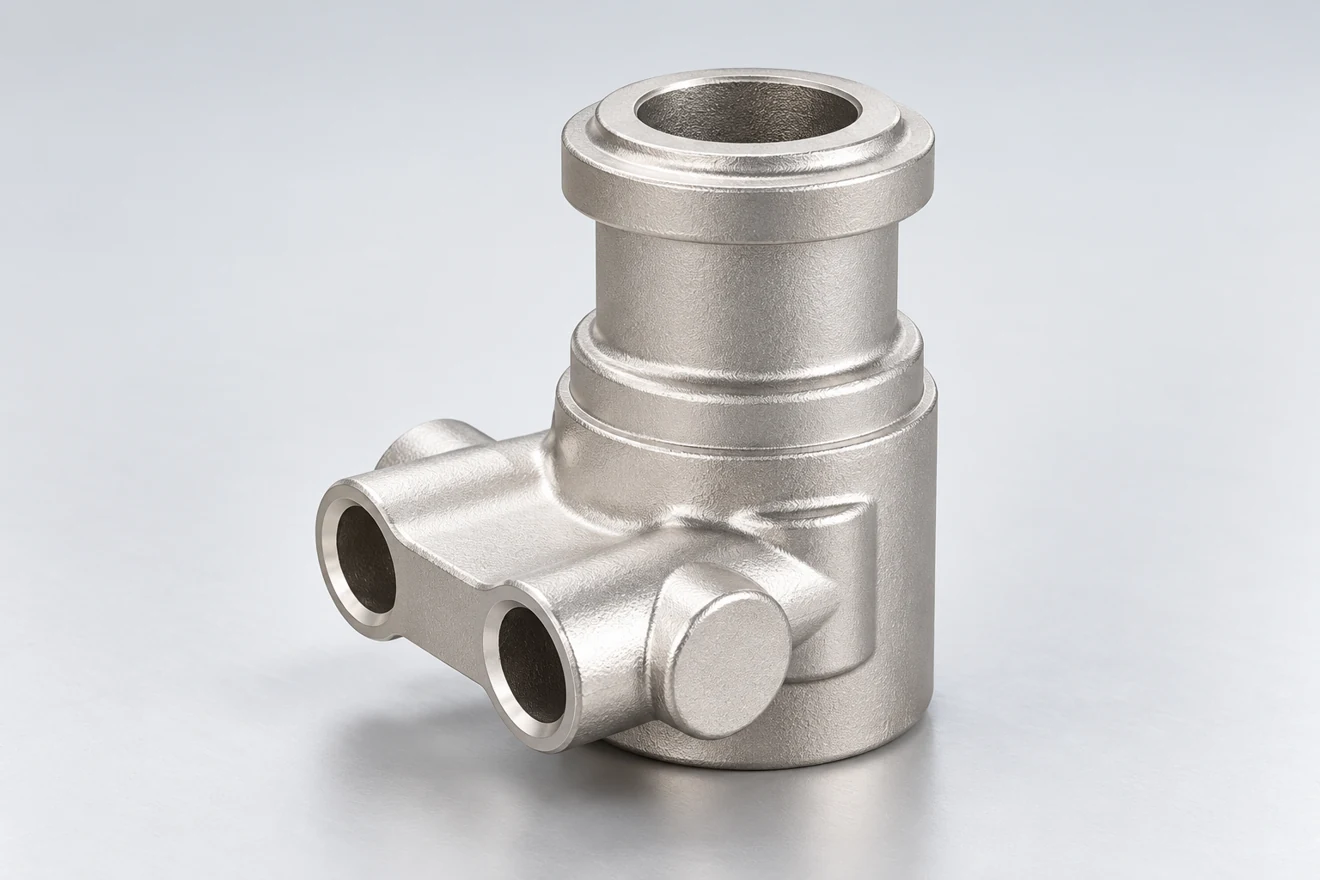
- MediumActual fluid and relevant conditions.
- MetalThe specified grade and delivered condition.
- SurfaceThe compatible internal and external requirement.
Internal Deburring Follows the Machining Sequence
When a drilled hole enters another passage, a burr can remain beyond the visible opening. Define the affected intersection and the available removal and inspection path. Final cleaning follows the operations that create the debris. The accepted internal condition should be stated for the actual service, rather than assuming a clean outside proves a clean flow path.
- CreateThe cut opening into another passage.
- RemoveAn accessible deburring route.
- ConfirmThe specified internal and residue acceptance.
The Test Article Needs a Defined Boundary
If a leakage or pressure check is required, identify the supplied body, included closures, medium, conditions and acceptance criterion. A bare machined body and a fully assembled valve have different boundaries. Relia connects the agreed test scope with the drawing and final condition without treating dimensional conformity as proof of the complete hydraulic system’s performance.
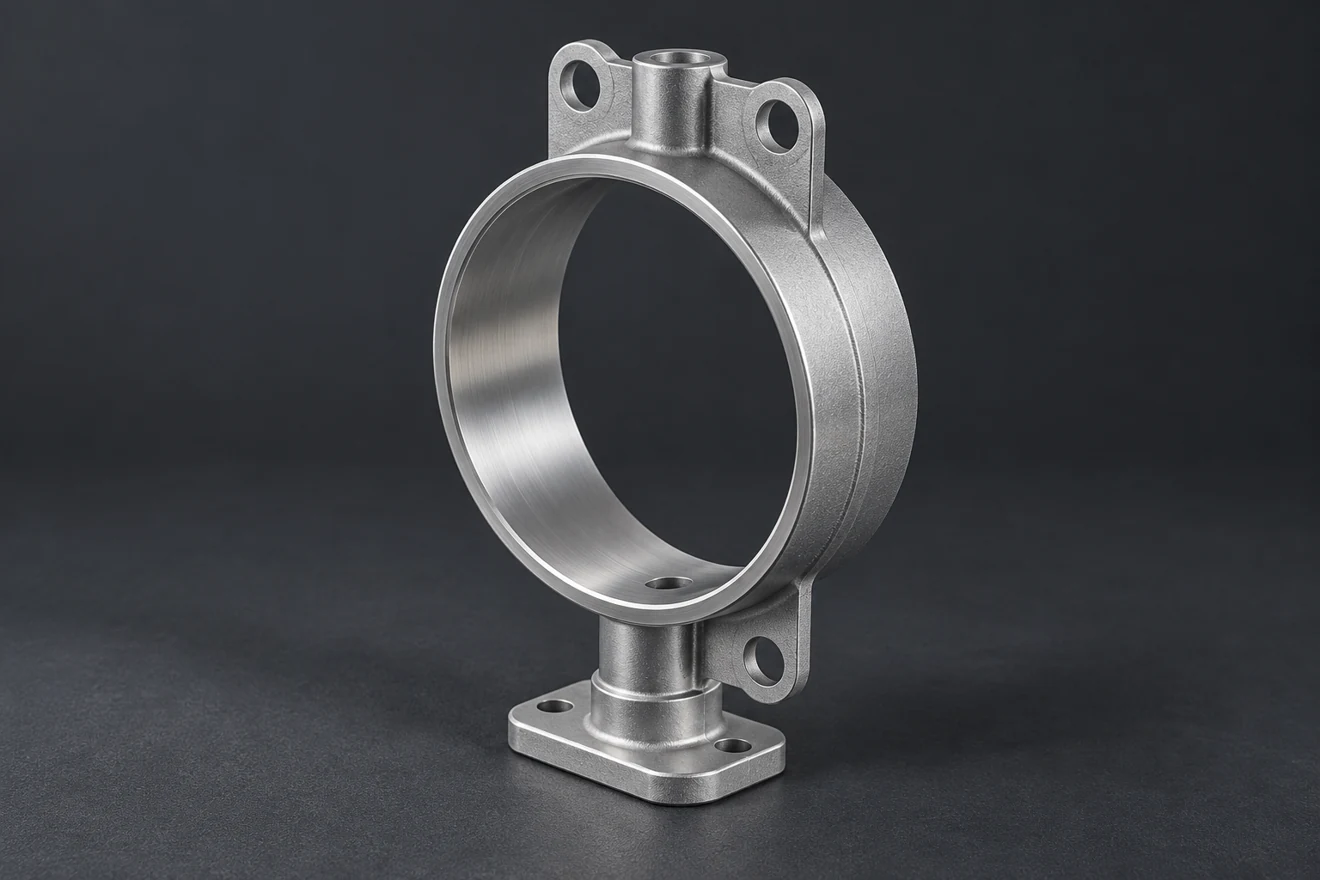
- ArticleBody and included closures or hardware.
- ConditionsThe agreed method and test state.
- CriterionThe actual result required for acceptance.
Delivery Protects the Clean and Finished Interfaces
A sealing face, threaded opening and open passage can be damaged or contaminated after inspection. Define the protection needed for the actual shape, keeping part identification readable. Relia can provide agreed key-dimensional records and any separately ordered acceptance evidence. Sample approval remains attached to the drawing and supplied body scope before batch production is arranged.
- ProtectSealing contacts and fitted threads.
- CloseOpenings protected as agreed for delivery.
- IdentifyThe component revision and relevant records.
Choose the Passage, Leak-Test or Body Guide
Use the valve-body procurement pages for a complete component order. The separate cleaning and leakage guides develop their own acceptance tasks. They are linked as successive decisions rather than three competing versions of a generic hydraulic service page.
Contact the Casting Team
Provide the body and passage sections, actual material and fluid conditions, finished connection requirements and quantities. State cleanliness and any body-test scope separately.
Qingdao Reliacasting Co., Ltd.
Drawing-based metal castings and CNC-finished OEM components from China.
Qingdao officeNo. 96 Shuyuan Road
Qingdao, Shandong, China
Arrange a project visit with us before travelling.
The released drawing, selected material and agreed order define the supplied component and required acceptance evidence.