
Define Bronze Castings Around the Working Interface
A bronze fitting or working contact needs an identified alloy, mating condition and service environment. Relia connects those inputs with the proposed casting, machining and acceptance scope. Use this guide to turn a general bronze request into a component enquiry that can be reviewed meaningfully.
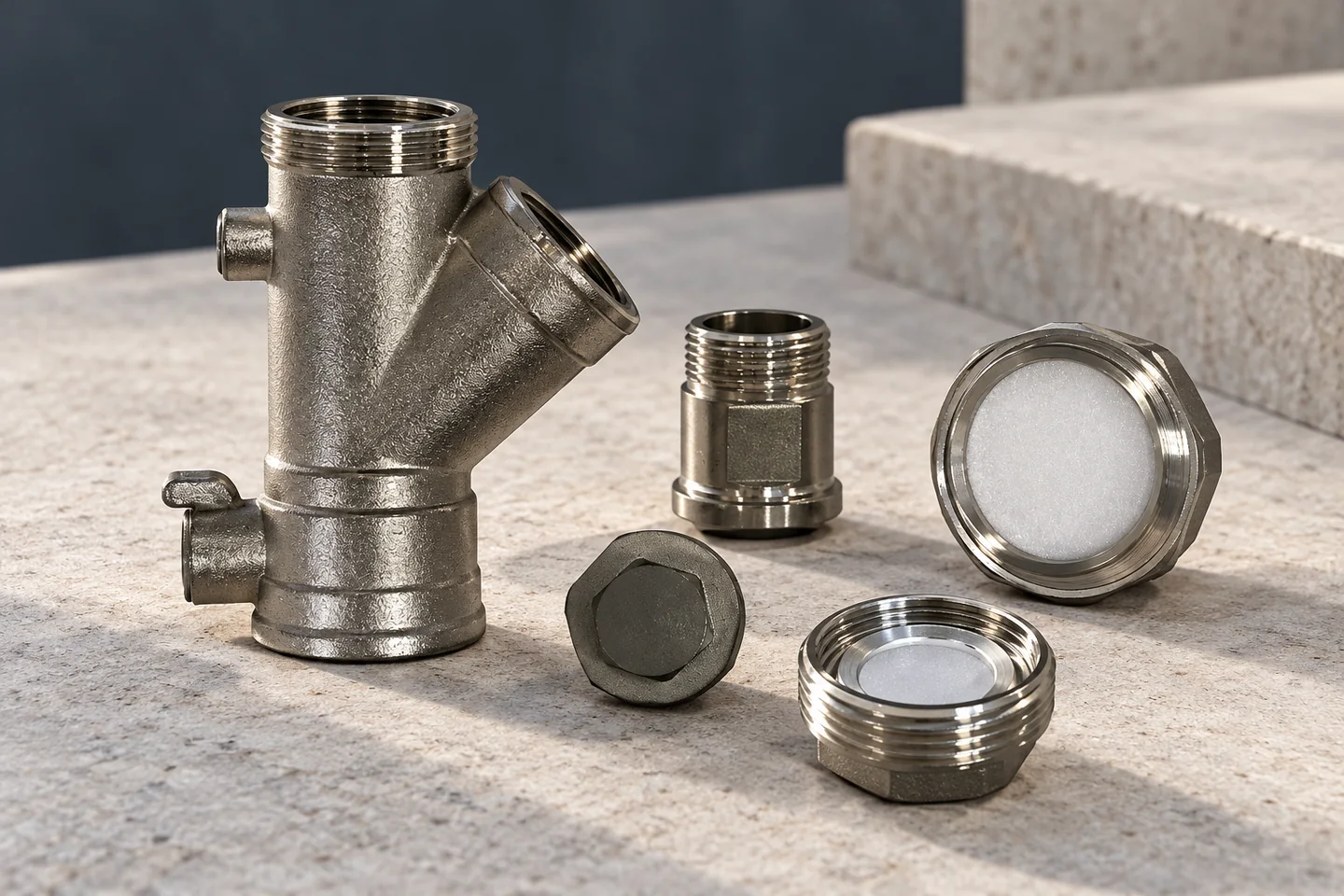
- Material
- Exact bronze family and specification
- Service
- Mating surface, medium, load and lubrication
- Delivery
- Finished contacts and agreed evidence
Keep Bronze and Brass Requests Distinct
Relia connects the bronze grade with the contact and environment described in your enquiry. Bronze families have different compositions and should not be exchanged for brass or another bronze from a visual match. Relia reviews how the cast blank will be cleaned and how the bore, thread or seat will be finished. The requested evidence should address the selected metal and the actual connection separately.
Specified alloy
The actual grade and governing standard
Required condition
Product form and supplied state
Alternative proposal
A distinct option requiring your review
Connection Geometry Needs More Than a Visual Match
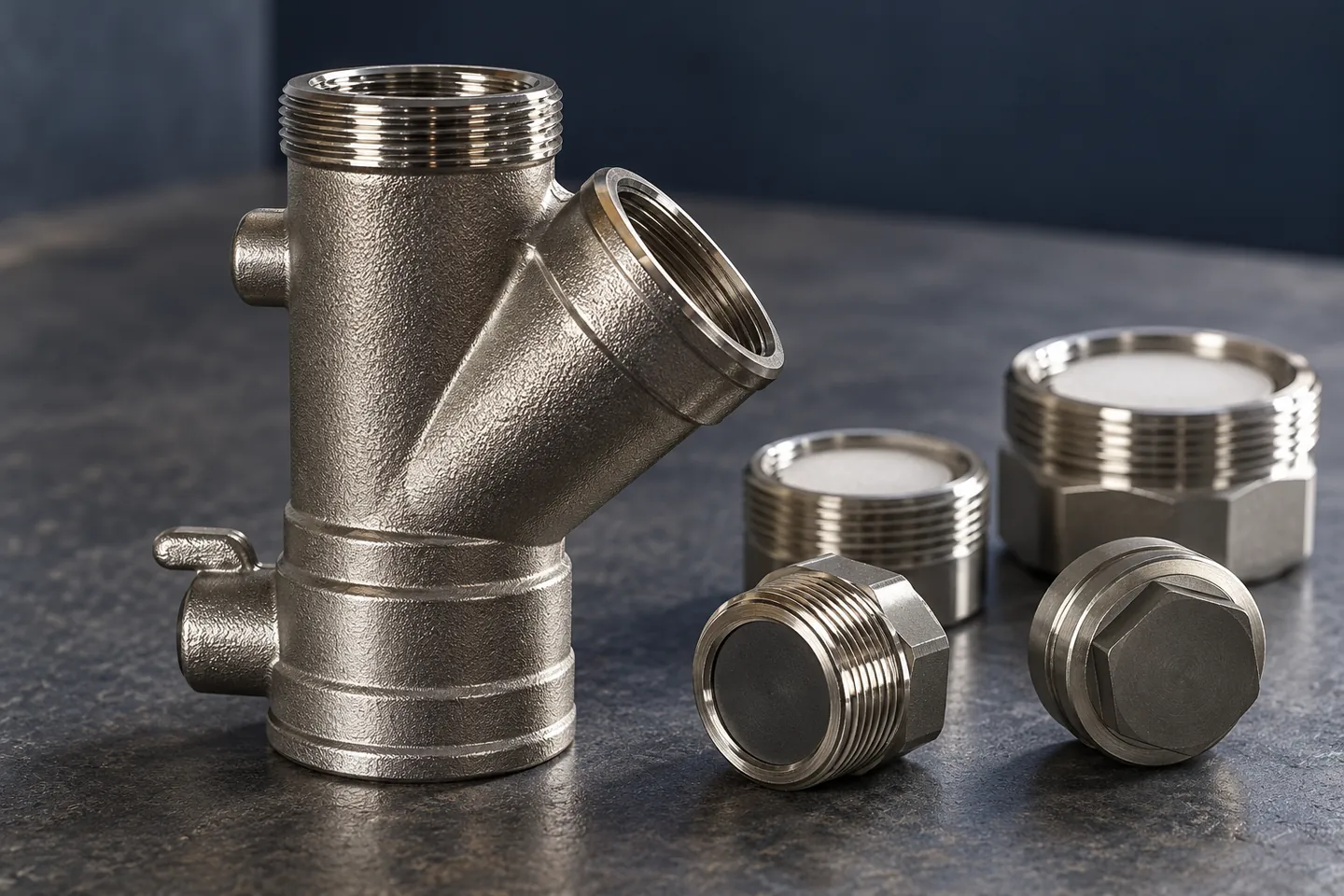
For a threaded component, identify the thread system, size, sealing arrangement and applicable acceptance requirements. We use those details with the drawing to discuss machining and verification. A reference photograph can make the form clear, but it cannot establish a compatible connection.
The Medium and Duty Shape the Review
Tell us what the component contacts and the operating conditions relevant to your design. If the part has a moving interface, include its mating and lubrication requirements. We can then understand the material and finish request without assuming that every bronze alloy serves the same duty.
Exposure
Medium, temperature and environment
Interaction
Sealing, contact or movement in the assembly
Acceptance
Relevant material and functional requirements
Carry the Service Requirement Through Casting and Finishing
The manufacturing proposal should show how the bronze form becomes the working component. Machining access and internal cleaning need to be considered before the blank is fixed.
- 01Service definition
- 02Cast blank
- 03Working surfaces
- 04Sample and records
| Production stage | Operation and purpose | Control to agree |
|---|---|---|
| Service definition | Specify alloy, medium and mating conditions. | Required properties, corrosion or wear concerns. |
| Cast blank | Review mold route, feeding and internal access. | Sections, cleaning paths and retained finishing stock. |
| Working surfaces | Machine the bore, thread or seat and required finish. | Fit, alignment, roughness and edge condition. |
| Sample and records | Assess the supplied part and requested evidence. | Drawing revision, metal information and defined functional checks. |
Bring the Service Notes into the First Review
A drawing becomes more useful when its material and application notes travel with it. Include the current revision, any required connection detail and the intended supplied condition. We can focus the discussion on the decisions that affect the component instead of repeatedly reconstructing the background.
Separate Material Evidence from Component Function
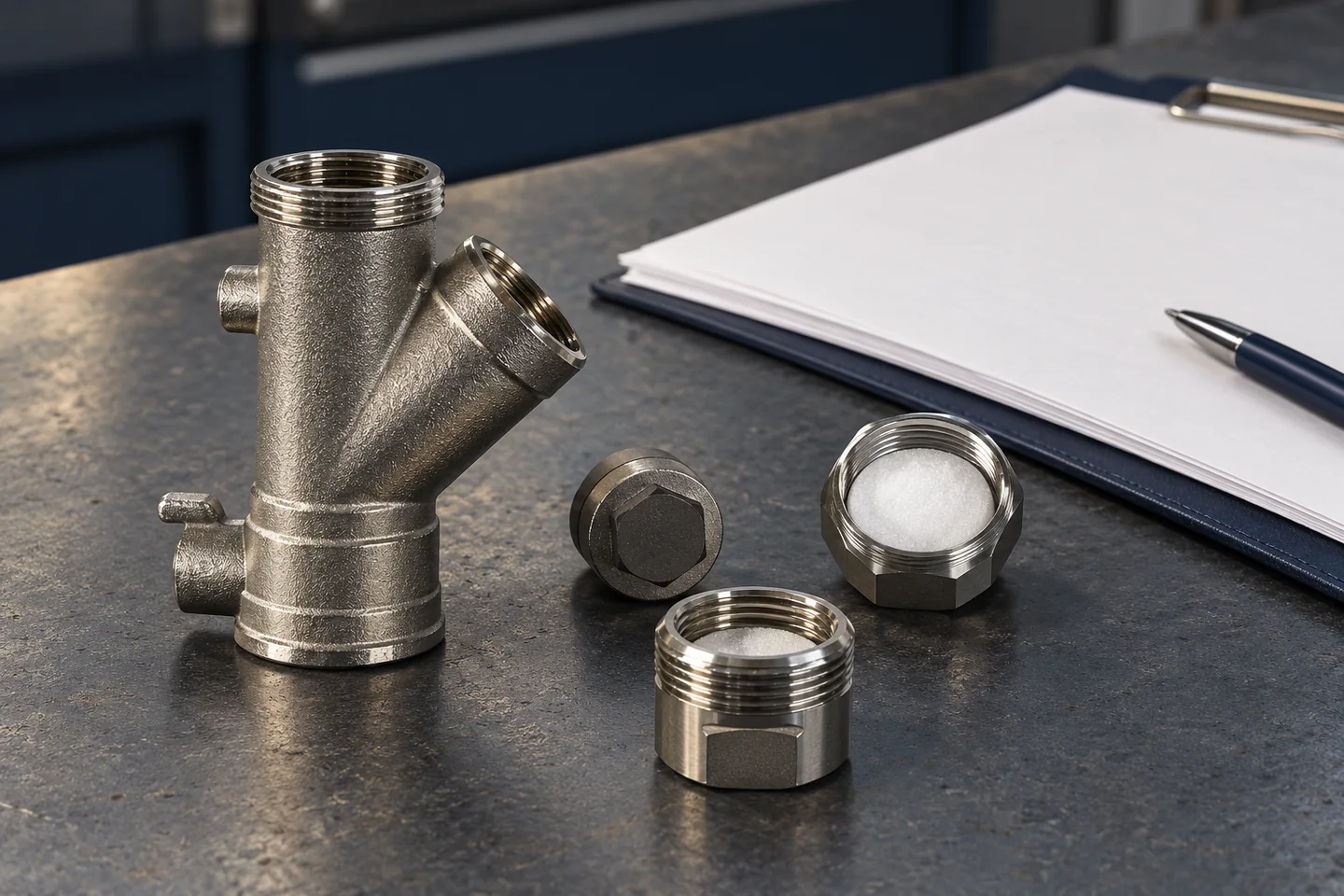
A material document and a dimensional result answer different acceptance requirements. List the evidence your team needs and define any relevant functional test separately. We discuss that scope before supply so the proposal is clear about the records and checks included for your component.
Material
Grade and supplied-condition evidence
Geometry
Critical connection and interface results
Function
Applicable tests under defined conditions
Quote the Agreed Supplied Condition
State the quantities and whether your team needs a blank, machined part or further finishing. We connect that scope with tooling, samples and required documentation. This keeps the price discussion tied to a component your team can evaluate on a consistent basis.
Development
Tooling and first-sample requirements
Part supply
Material and defined operations
Delivery
Protection and agreed acceptance records
Review the Sample as an Assembly Component
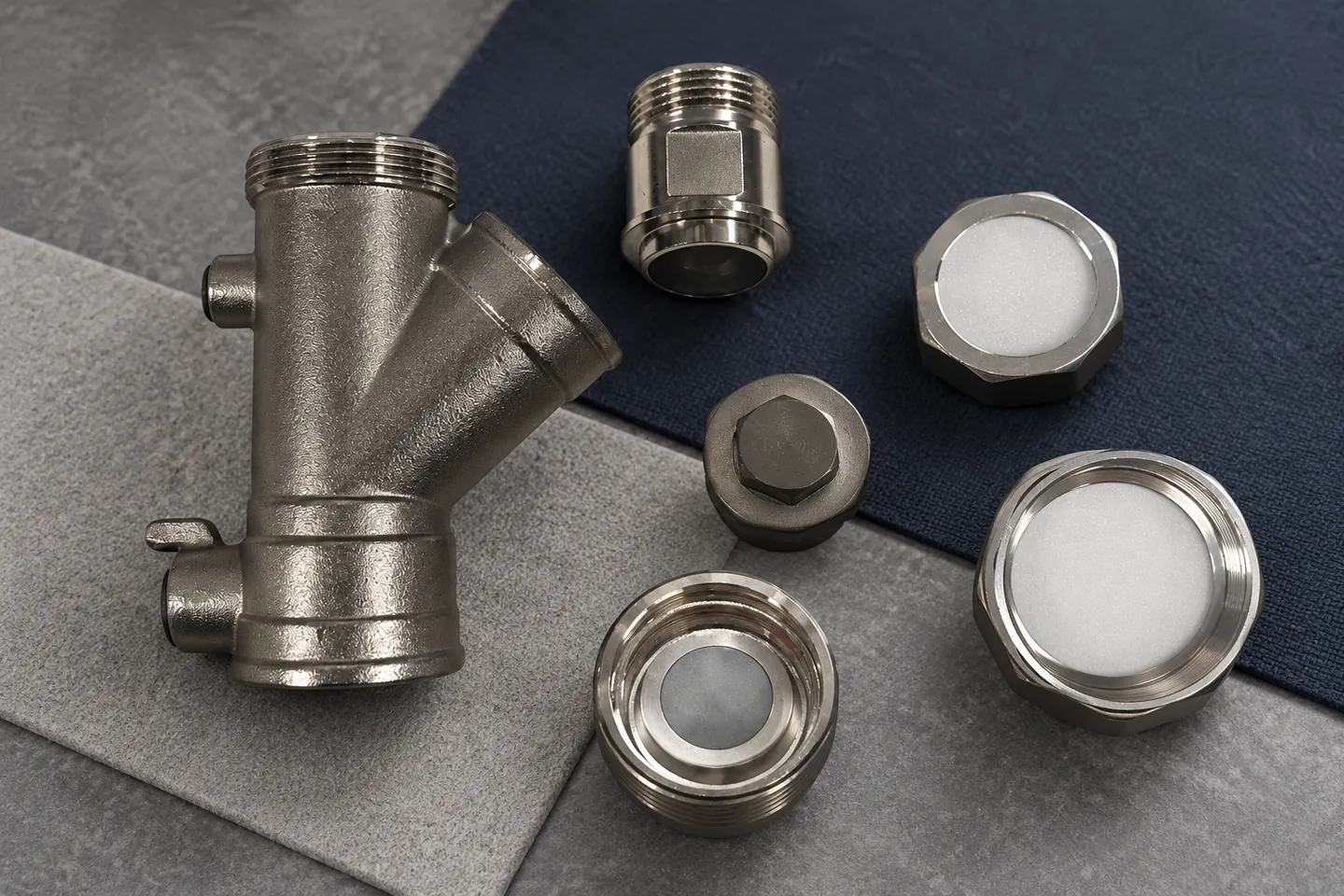
Use the sample review to connect the physical interfaces with the approved material and drawing. We align the requested records before that review and keep any deviation visible. Application suitability remains tied to the intended use and the evidence your team requires.
Start with the Alloy, Drawing and Service Context
Send the specified bronze grade, drawing revision, quantities and finished condition. Add the connection or contact requirements that affect acceptance. We can then discuss a proposal that keeps material, machining and verification responsibilities clear.
A useful first message
- Bronze grade and governing specification
- Medium, motion or mating-contact conditions
- Current connection drawing
- Quantity and required records
The email link opens an editable draft. Share the information you have and identify any open points.
Relia Casting · Project Contact[email protected]Phone: +86 185 6176 2631WhatsApp: +1 404 203 0971Qingdao office: No. 96 Shuyuan Road, Qingdao, Shandong, ChinaRelia Casting homeMore relevant component and technical pages
Product illustrations explain catalogue-based geometry. The agreed drawing, material specification and order define the supplied component. Manufacturing and project acceptance requirements are reviewed for the actual part.