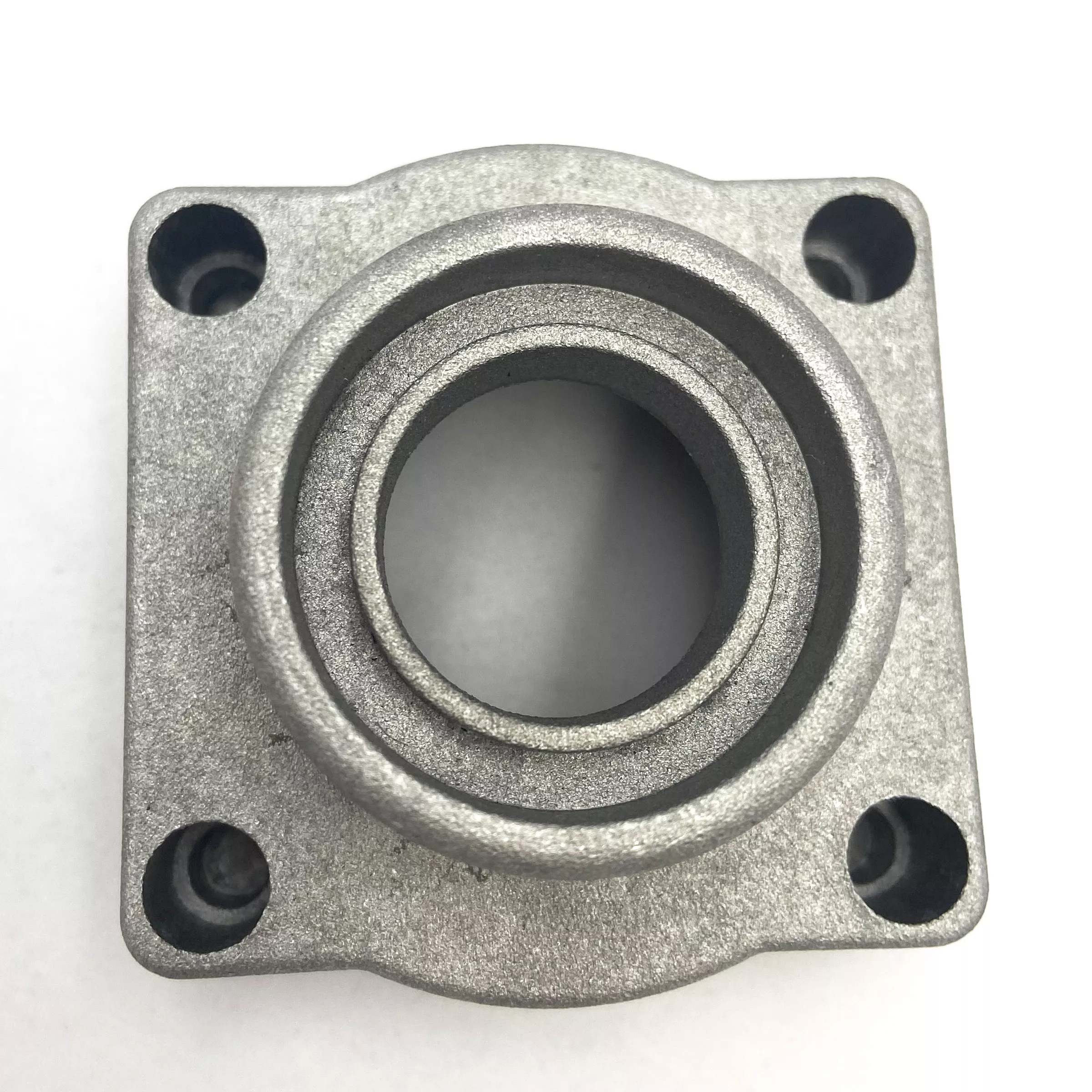
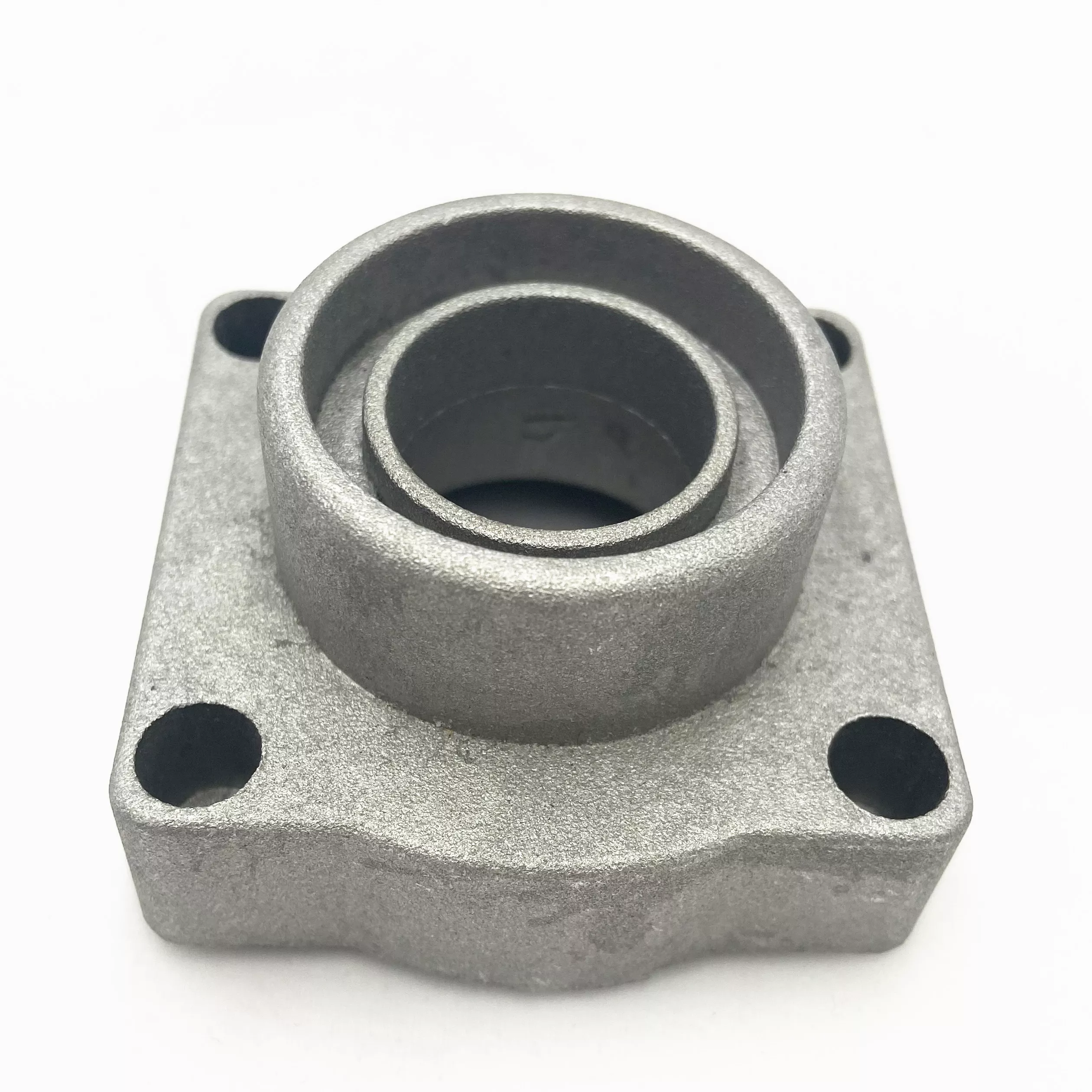
Choose a Casting Route for the Component You Need
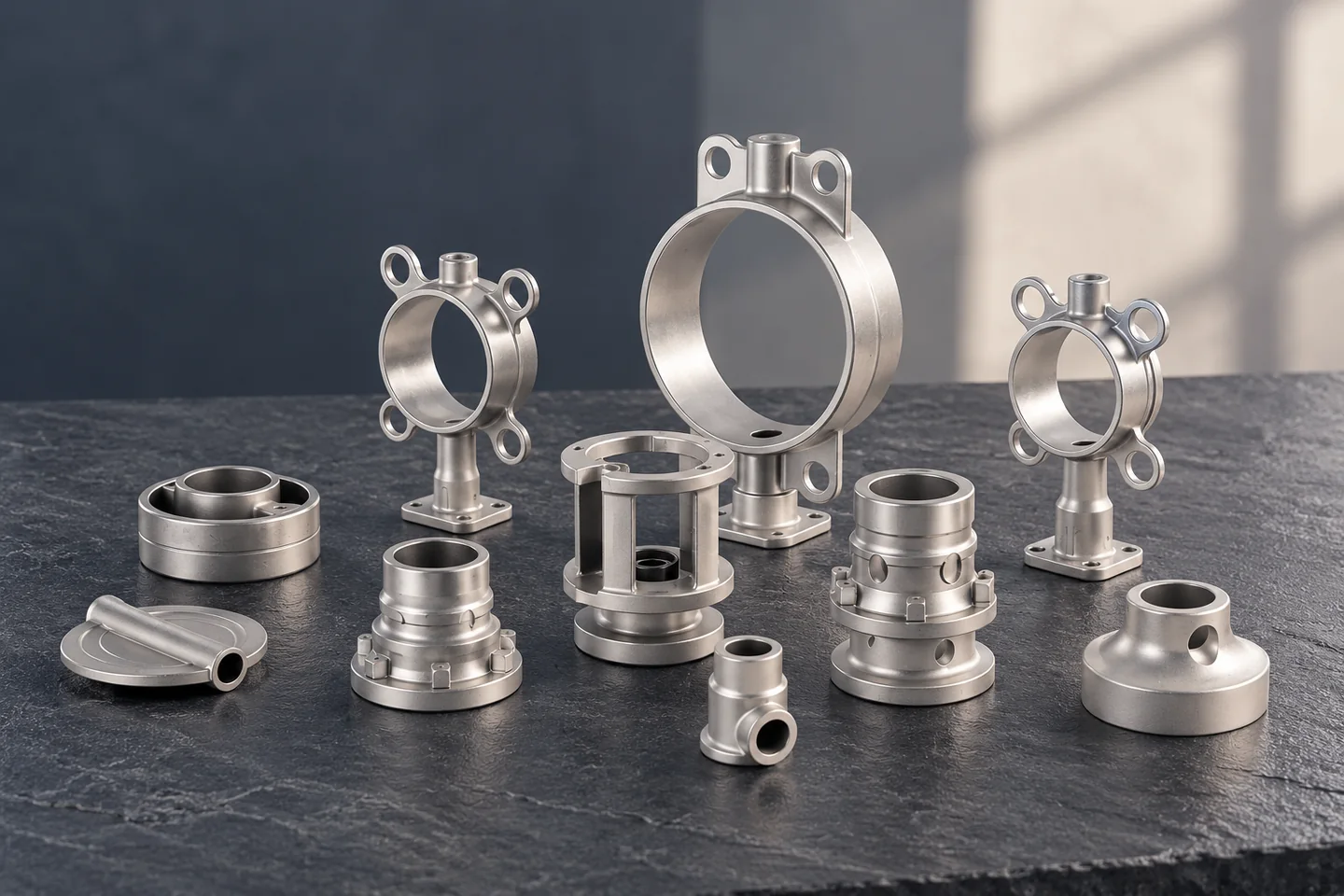
When several casting routes appear suitable, compare the finished part you will receive. Relia can review the material, geometry, quantities and required checks on one common drawing. This guide shows how tooling, casting and later machining connect, so you can compare complete proposals and choose the next technical review.
- Hold constant
- Drawing, alloy, supplied condition and acceptance
- Compare
- Tooling, blank route and secondary operations
- Decide with
- A proposal and sample scope for the same component
One Requirement Makes Competing Routes Comparable
Relia starts the route comparison with the features that cannot change: mating geometry, selected metal, service conditions and the required delivery state. The foundry route is then considered alongside quantity, tooling and machining. Relia can identify which questions need a sample trial and which information is missing from the enquiry. That review is more useful than choosing a process from a catalogue category alone.
Fixed
Material, function and essential interfaces
Adjustable
Features open to a manufacturing proposal
To be confirmed
Requirements not yet settled by your design team
Geometry Narrows the Route Options
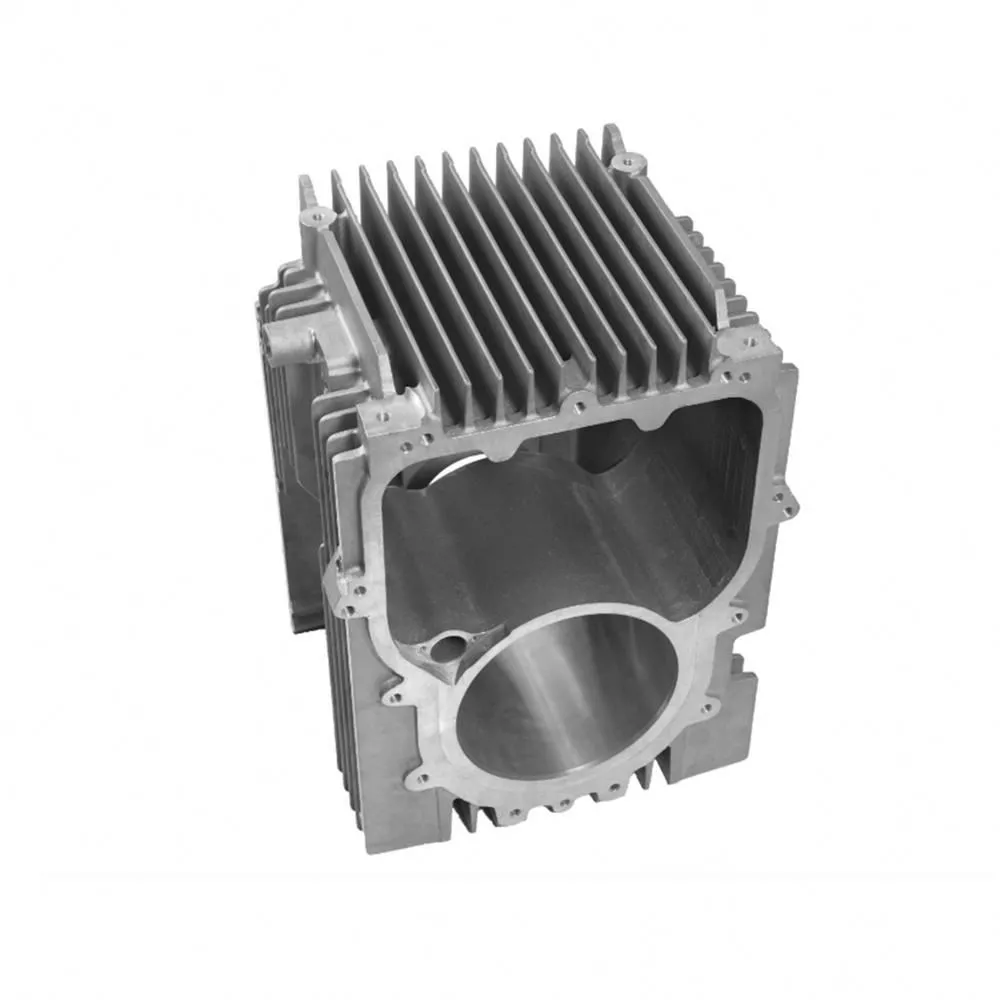
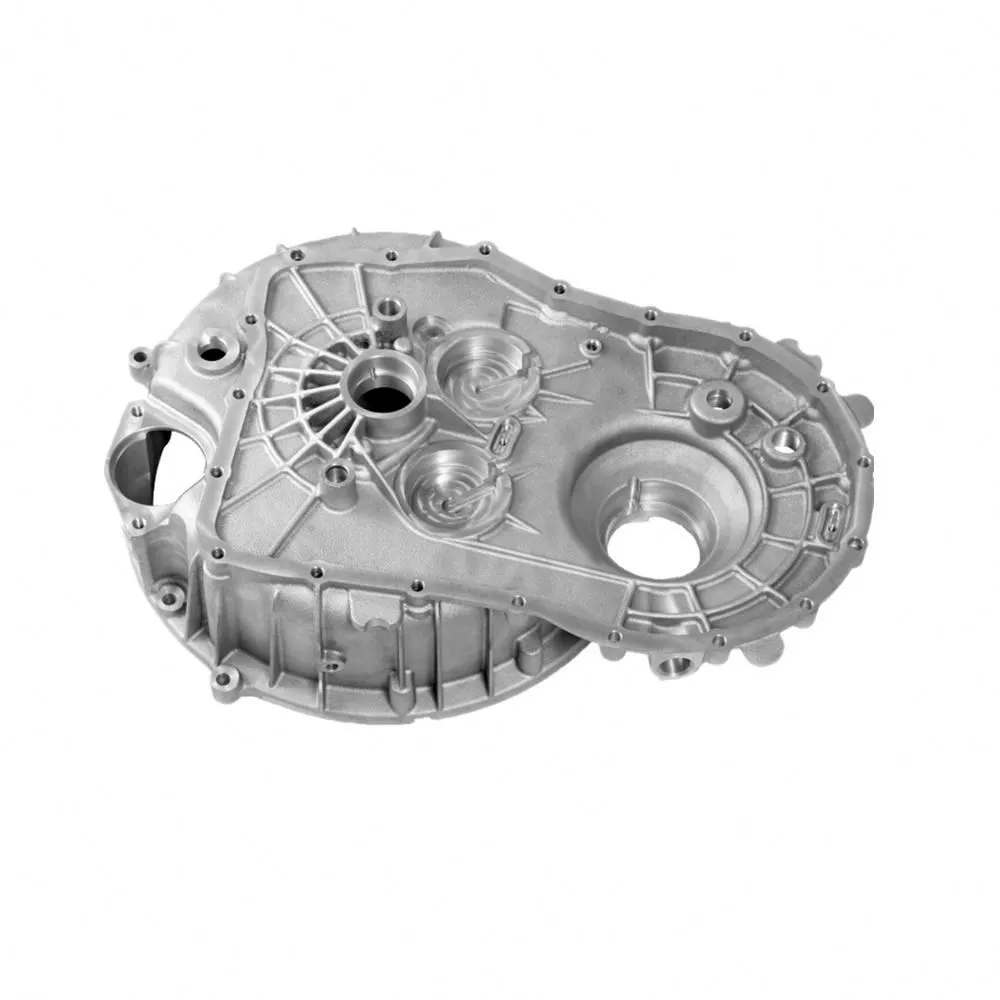
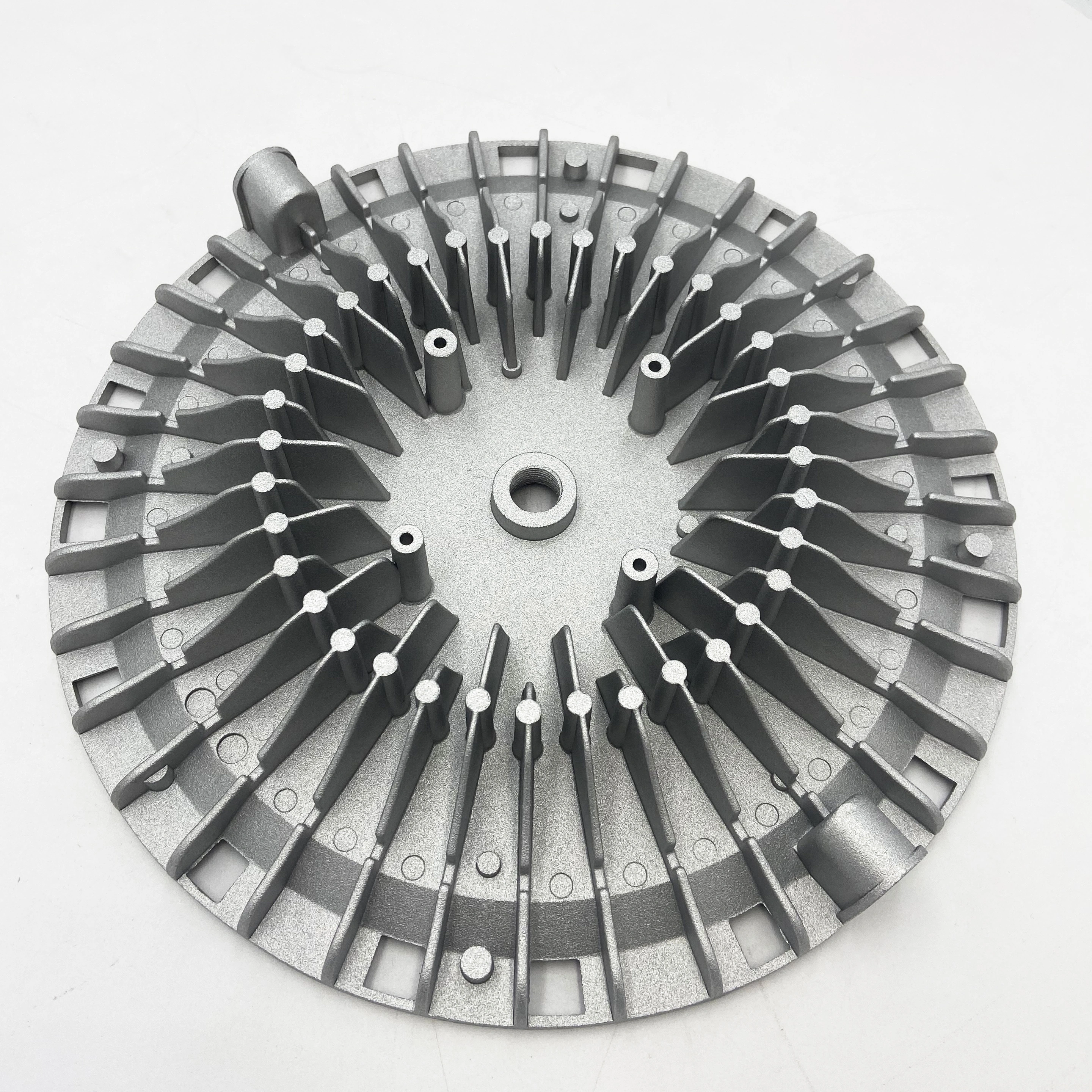
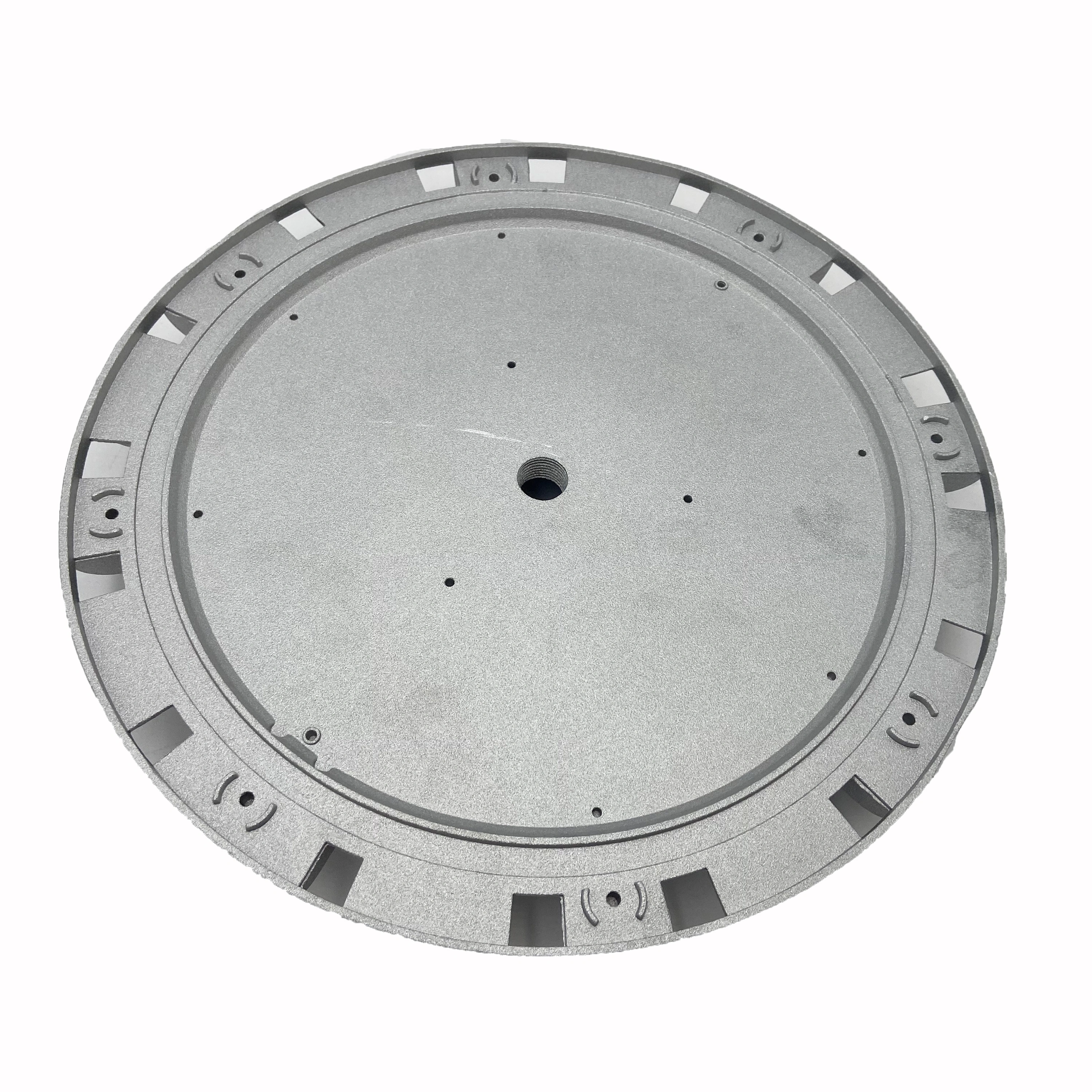
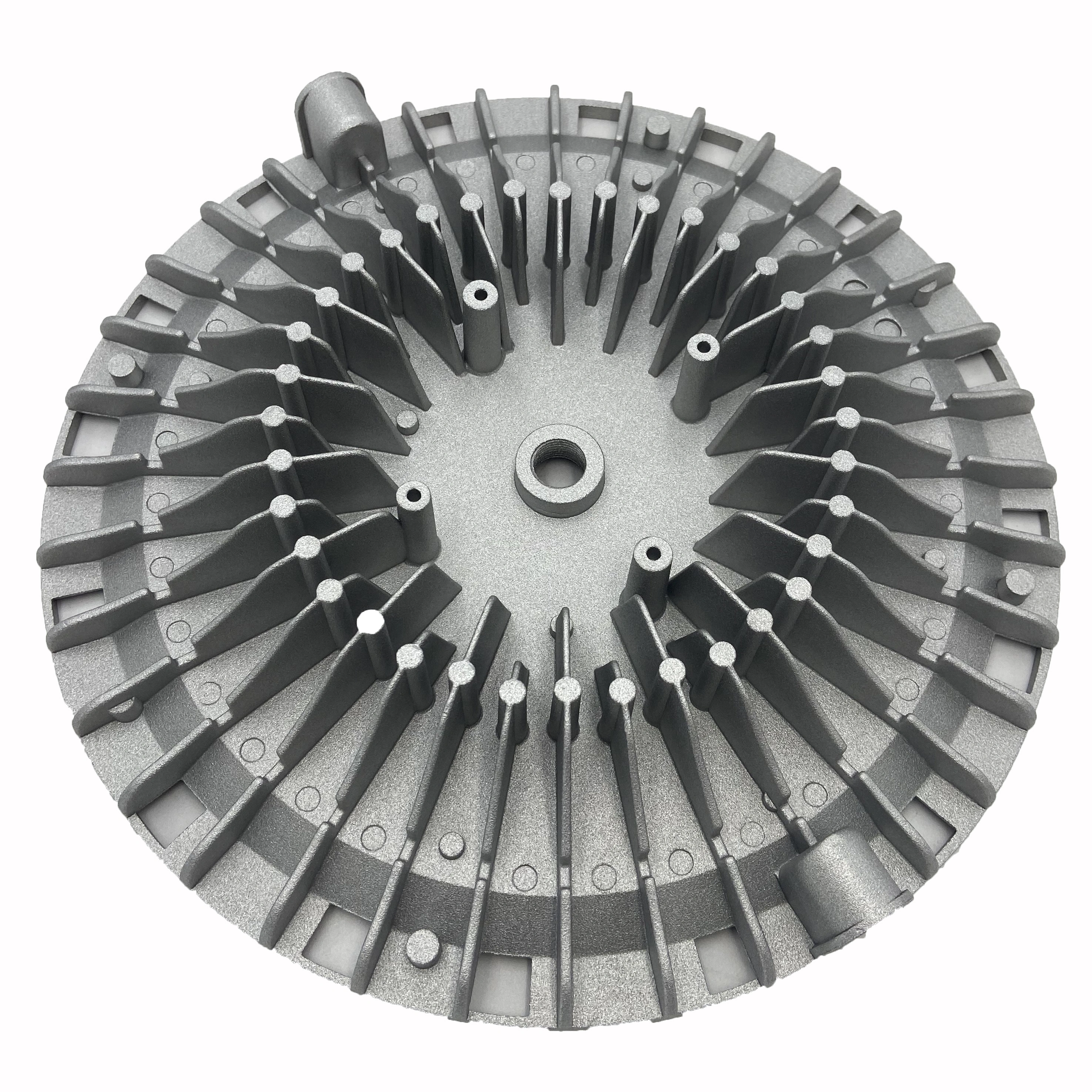
An internal passage, broad panel or thin local feature raises a different manufacturing discussion. We look at openings, section transitions and accessible surfaces together. Describing the assembly context helps connect those details to function, so the proposed route is assessed against more than an outside silhouette.
Each Casting Route Has Its Own Review Focus
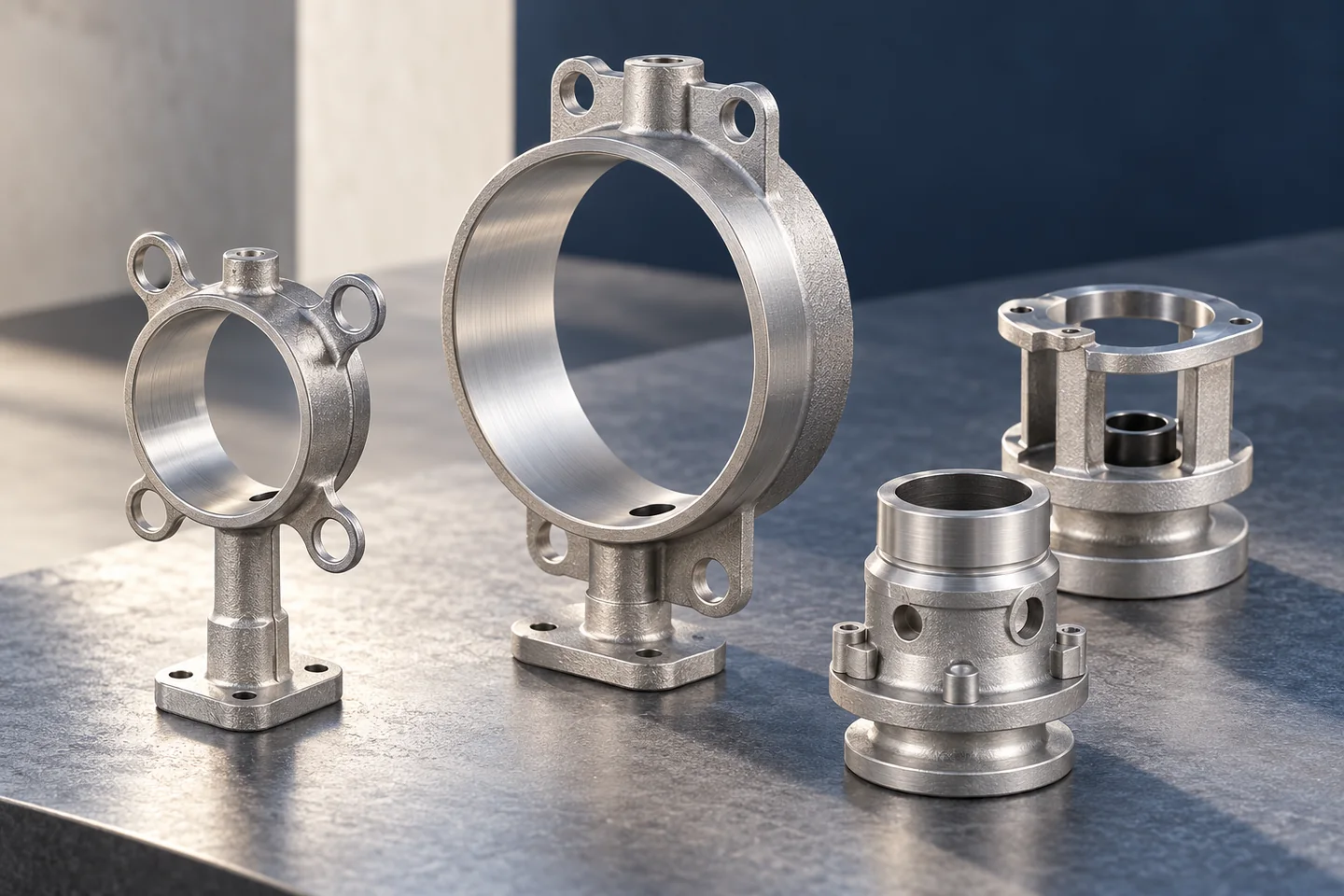
Use the process names to organize the review, then bring the discussion back to your drawing. We assess the relevant tooling, form and subsequent work for each candidate. A comparison should explain why a route remains in consideration and the conditions that still need confirmation.
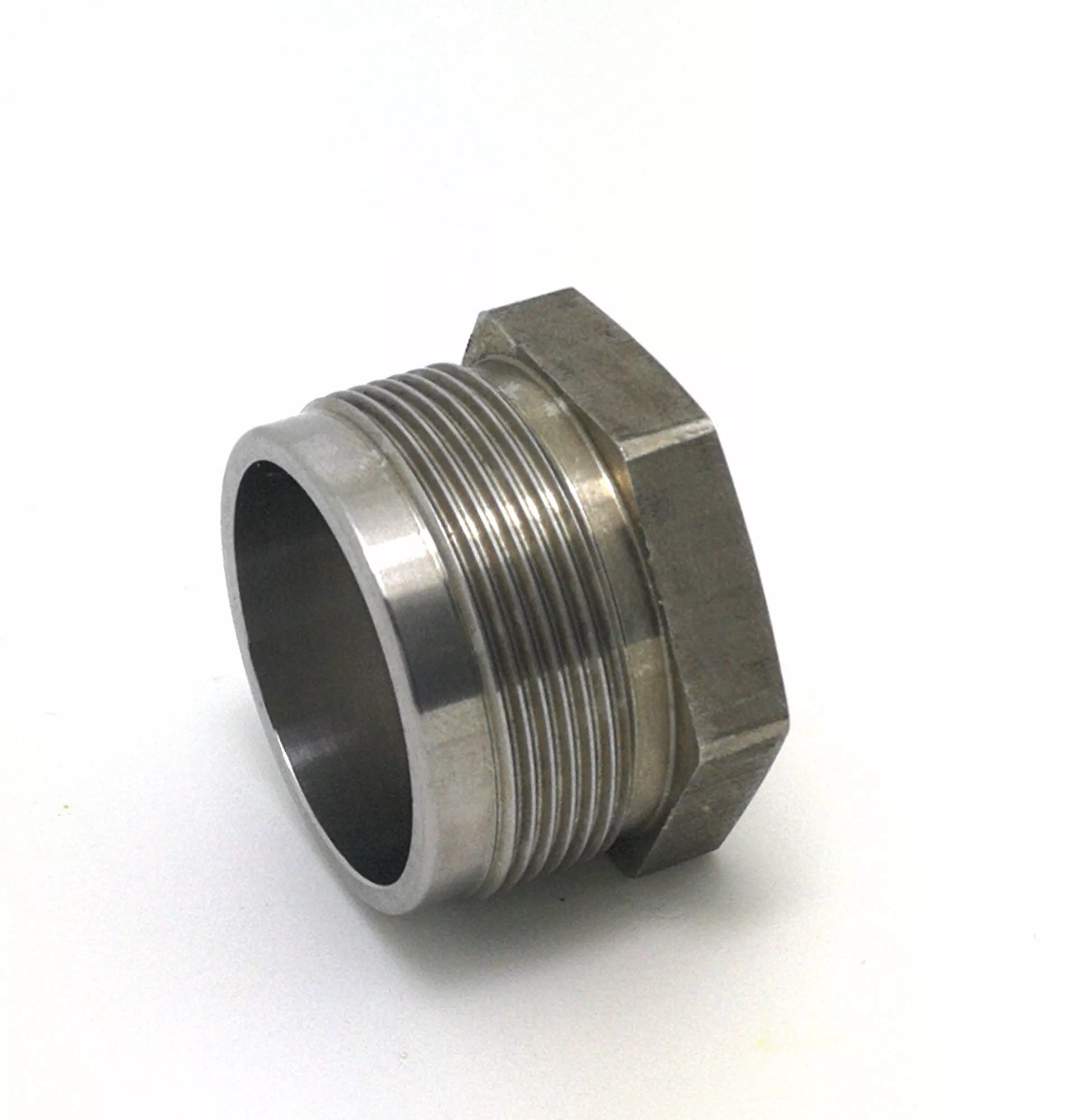
Investment casting
Pattern, geometry and finished steel-component requirements
Sand or shell mold
Material, mold-related geometry and machining scope
Lost foam or die casting
Pattern or die requirements against the specific component
Compare the Complete Production Sequence
Different blank routes can reach a similar component through different secondary operations. The comparison should show where each proposal forms, finishes and verifies the required feature.
- 01Mold and tooling
- 02Blank production
- 03Secondary operations
- 04Validation and delivery
| Production stage | Operation and purpose | Control to agree |
|---|---|---|
| Mold and tooling | Compare expendable-pattern, sand, shell or metal-die preparation. | Internal access, tool commitment and the selected alloy. |
| Blank production | Review filling, feeding, solidification and cleaning. | Heavy regions, thin sections and the important soundness risks. |
| Secondary operations | Include specified treatment, machining and finishing. | What remains to create the working contacts. |
| Validation and delivery | Compare sample checks, records and protection. | The same acceptance basis and supplied condition. |
Machining Changes the Delivered-Part Comparison
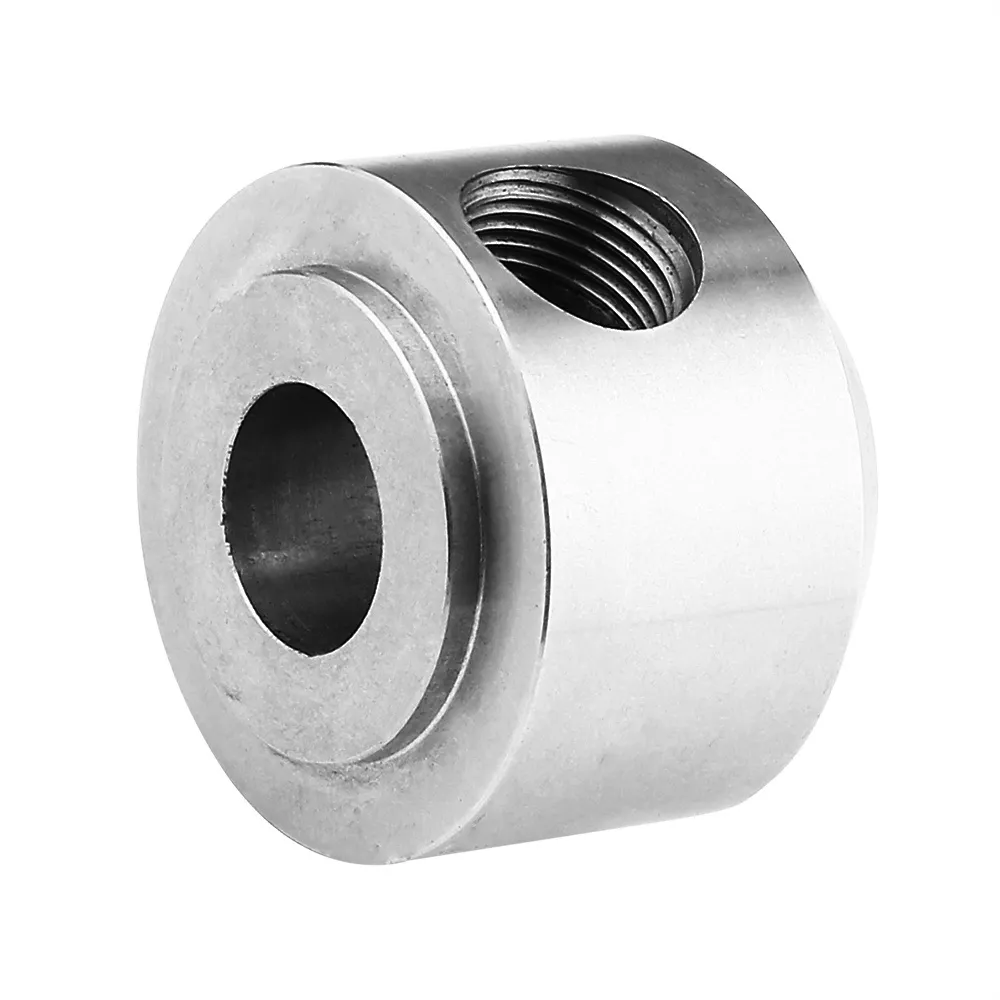
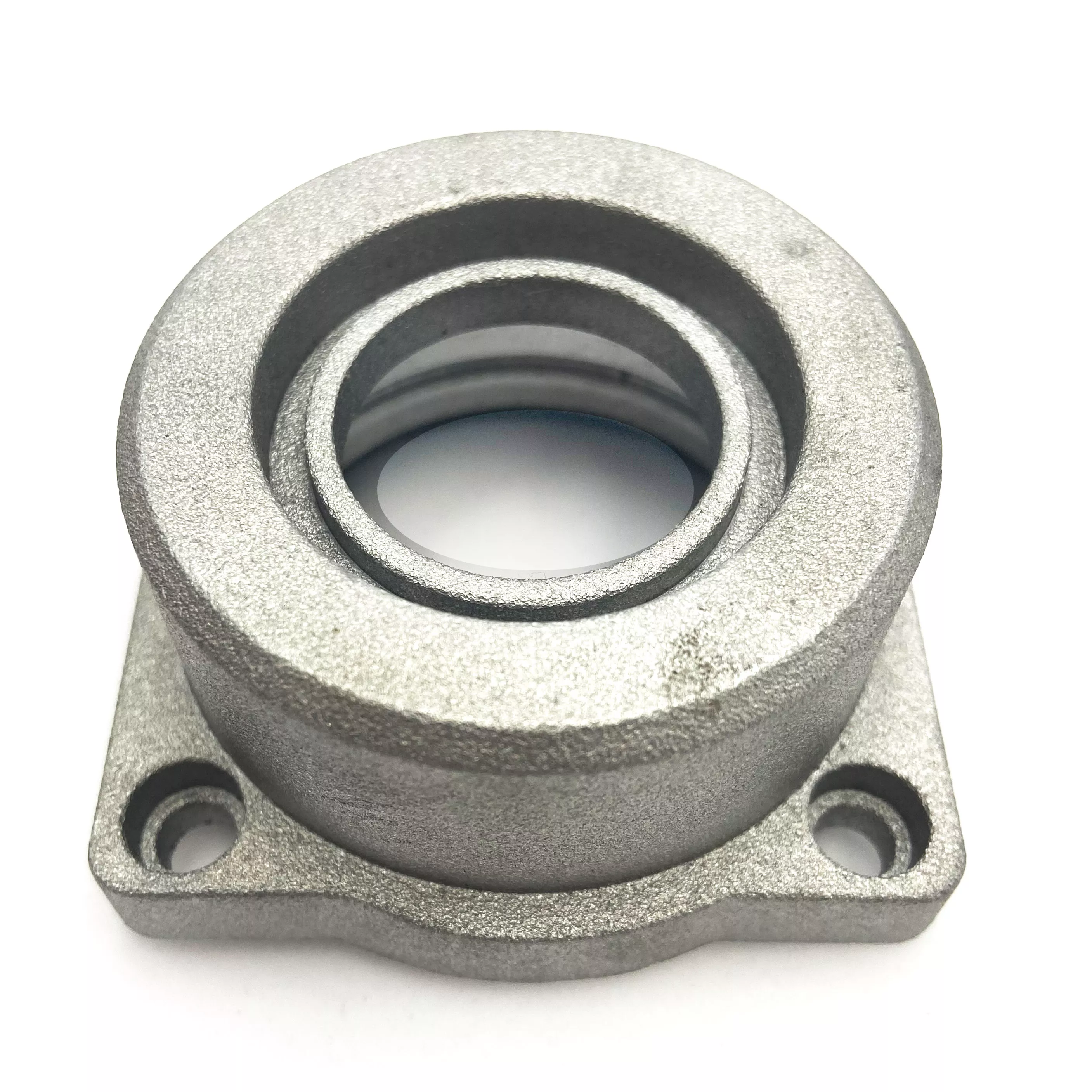
Two casting routes can produce different starting forms while still needing the same finished bore or mounting face. We include those operations in the discussion. The more useful comparison is the component at delivery, with its required interfaces, rather than the casting price in isolation.
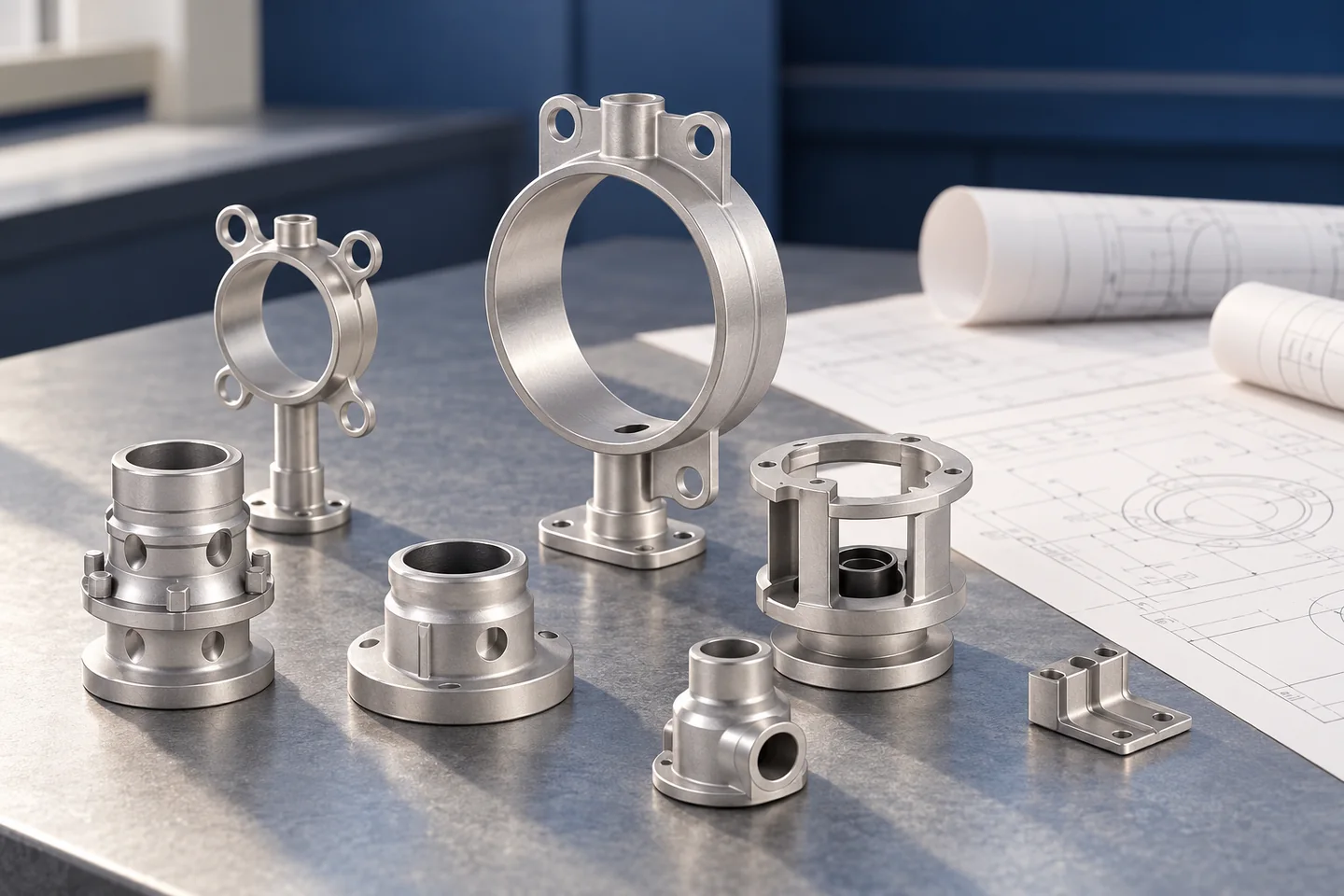
Quantity and Tooling Shape the Proposal
Share your sample, first-order and repeat-quantity outlook. We use those stages to discuss tooling and component supply on a defined basis. There is no universal quantity at which one route becomes the right answer; the actual geometry, operations and order conditions need to be considered together.
Development
Tooling and sample work
Components
Material and required operations
Acceptance
Checks and supporting records
Delivery
Protection and agreed commercial terms
Use the Main Failure Risk to Focus Verification
A dimensionally correct part may still need material or application evidence. Tell us where fit, leakage, wear or another service risk determines acceptance. We can then connect the proposed route with the relevant checks, keeping each method and acceptance reference specific to your component.
Assembly risk
Critical dimensions and feature relationships
Material risk
Grade, condition and applicable records
Service risk
Agreed functional or internal-quality checks
Samples Turn the Route Comparison into a Part Review
The sample should reflect the supplied condition your team is evaluating. We agree the requested measurements and records so the review can test the proposal against the actual requirement. Deviations remain visible before the next tooling or production decision.
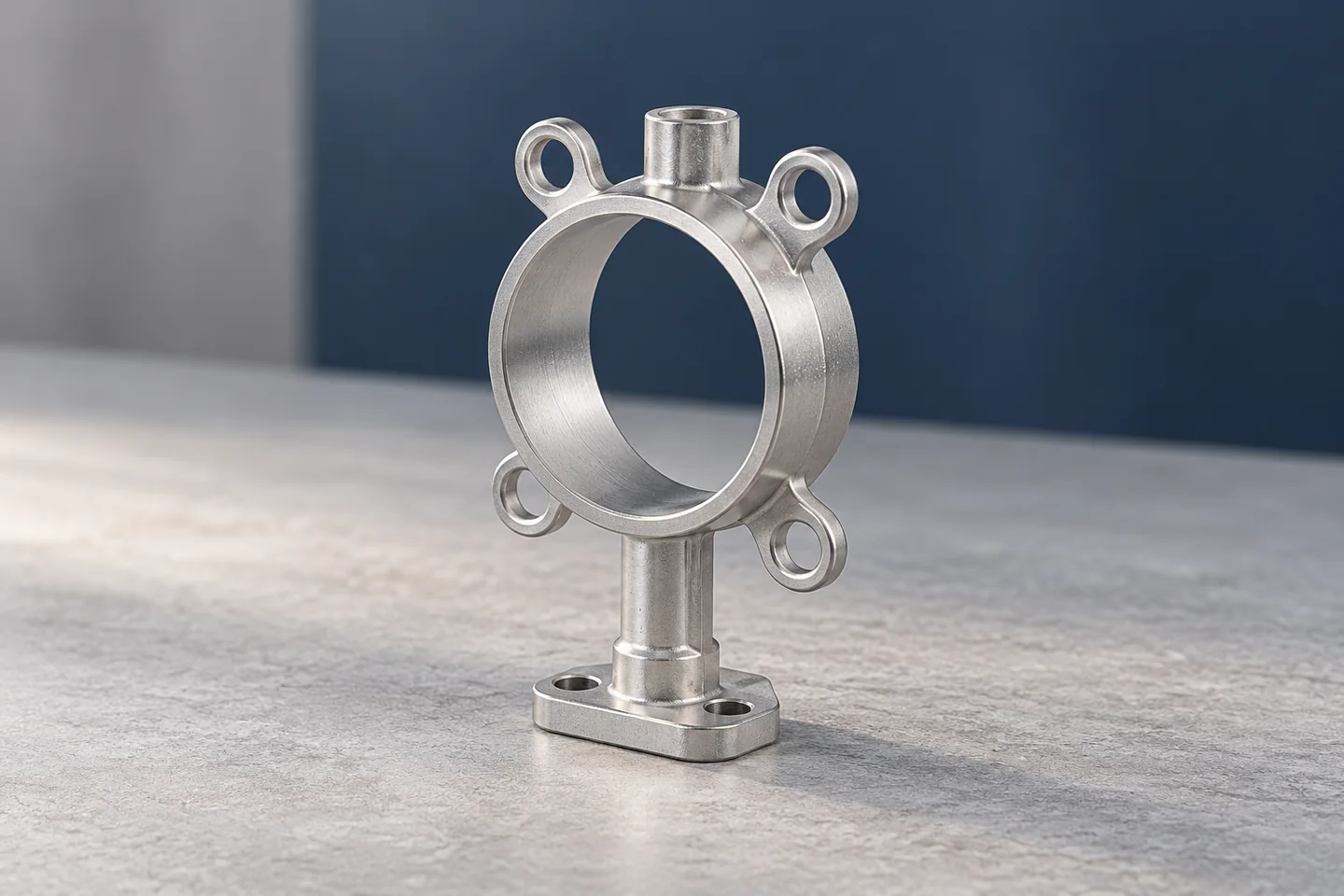
Continue with the Route That Fits Your Drawing
Once the main constraints are clear, use the process-specific pages to define the remaining details. Bring us the same drawing, material and quantity basis so the next conversation builds on the comparison rather than starting again from an unrelated process description.
A useful first message
- One finished drawing and cast grade
- Sample, first-order and repeat quantities
- Critical interfaces and surface requirements
- Alternative routes to be compared
The email link opens an editable draft. Share the information you have and identify any open points.
Relia Casting · Project Contact[email protected]Phone: +86 185 6176 2631WhatsApp: +1 404 203 0971Qingdao office: No. 96 Shuyuan Road, Qingdao, Shandong, ChinaRelia Casting homeMore relevant component and technical pages
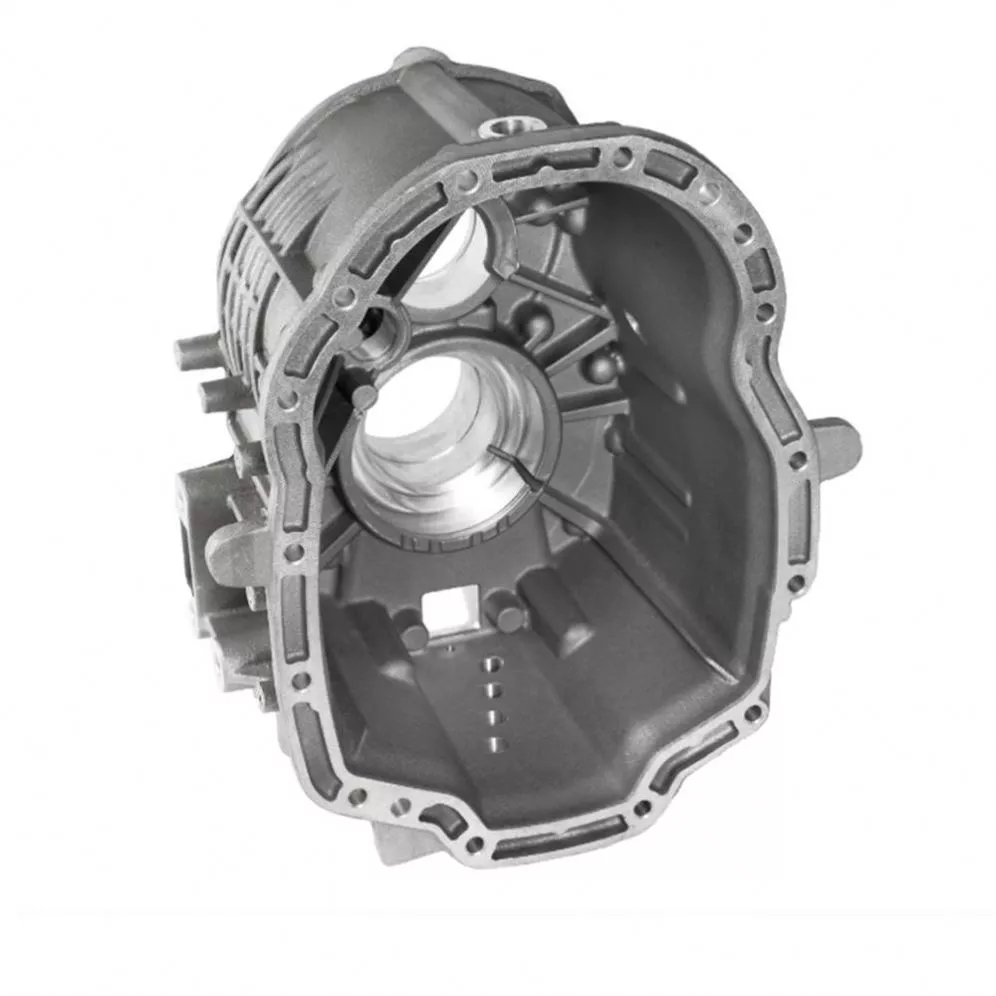
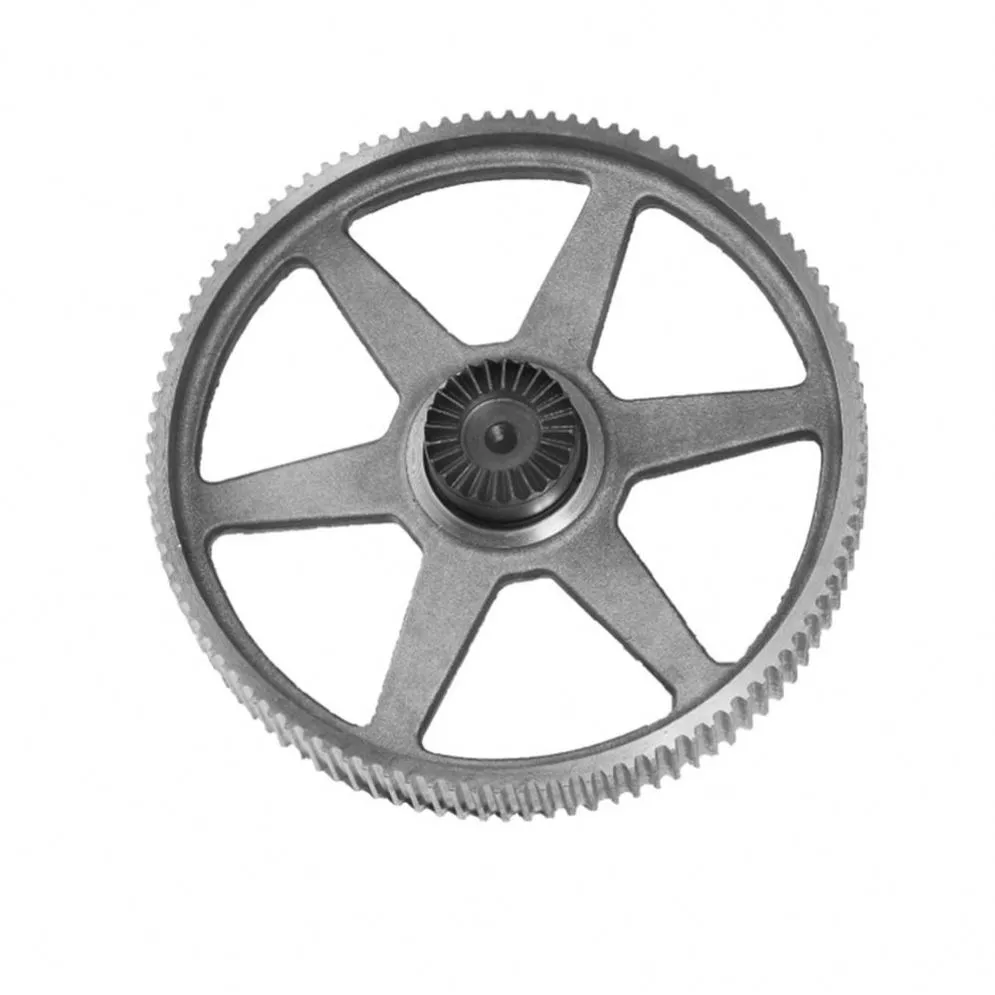
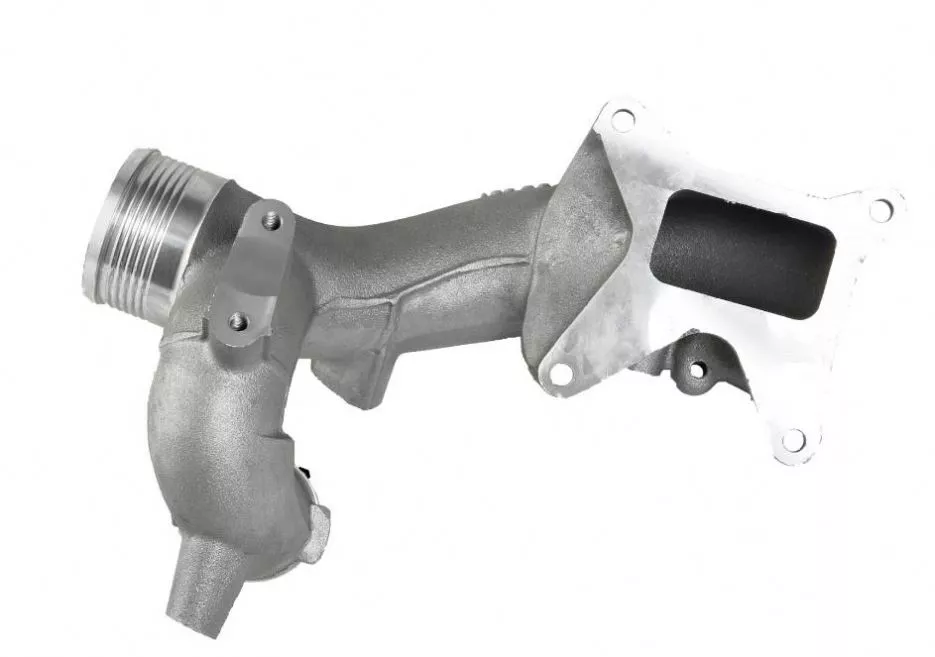
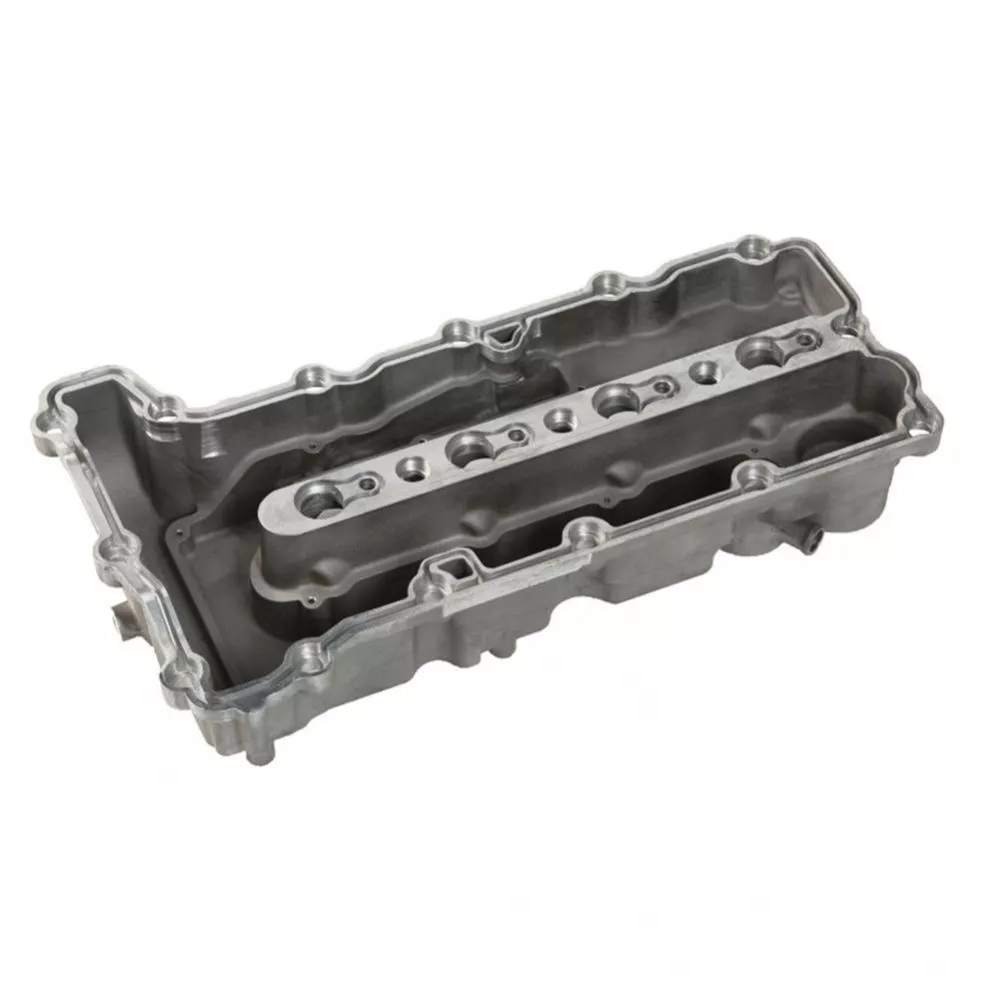
Product illustrations explain catalogue-based geometry. The agreed drawing, material specification and order define the supplied component. Manufacturing and project acceptance requirements are reviewed for the actual part.