
Custom Sand-Cast Iron Equipment Bases with Machined Mounting Faces
Decide whether your equipment-base order covers a casting blank or specified machined mounting faces. Relia reviews iron sand-cast bases against the actual seating pads, fixing pattern and measuring support state. This defines the delivered base before separate installation and alignment work.
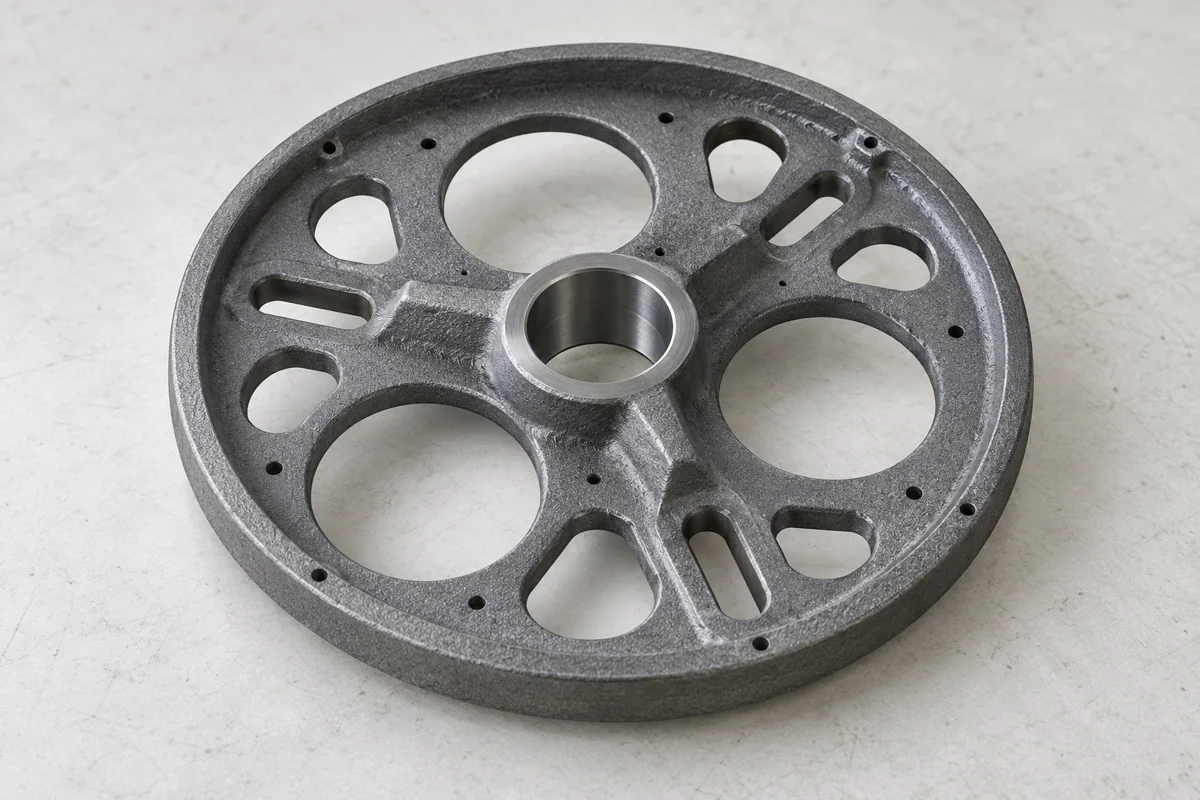
The Mounting Footprint Leads the Supply Scope
Relia connects the casting body with the specified machining and inspection scope. We review the base, its contact regions and any separately supplied inserts or hardware. The quotation can then describe the actual delivered component instead of leaving installation responsibilities implied.
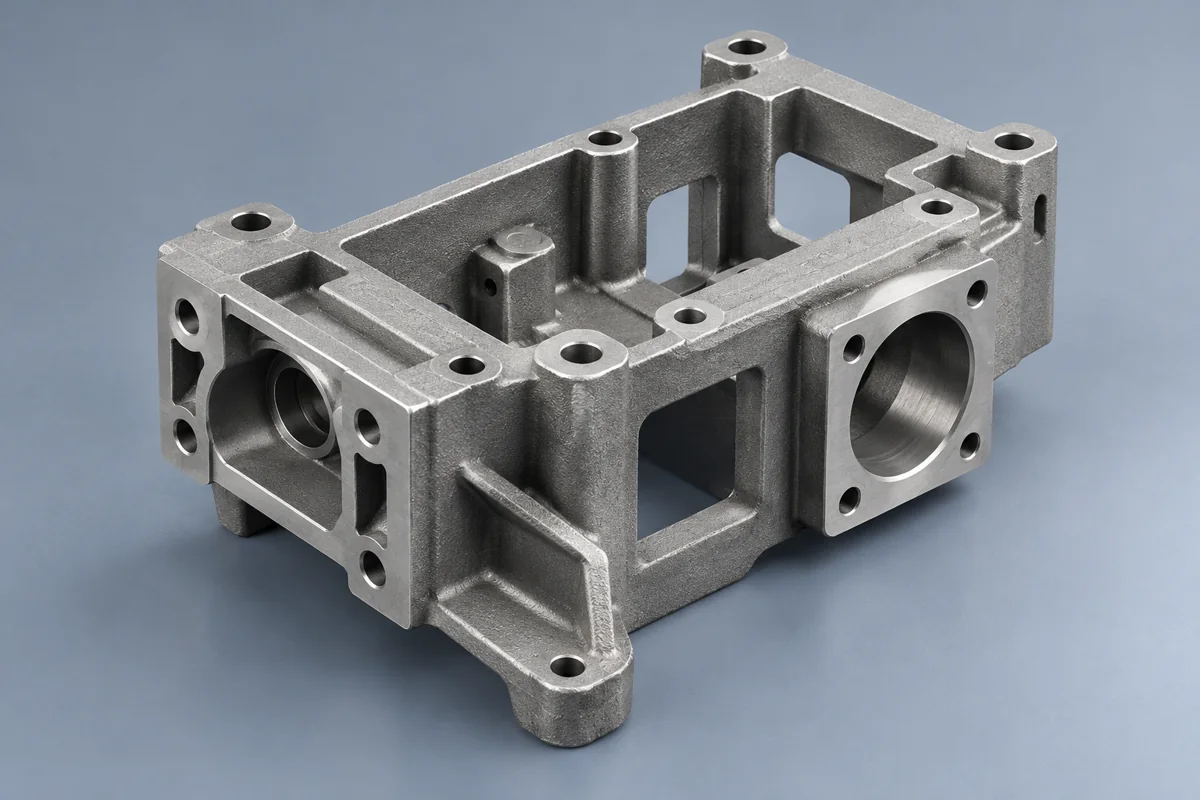
The Mounting Layout Connects the Base to the Equipment
Show the base in relation to the supported equipment and its mounting arrangement. Mark the working contacts, ribbed regions and openings that affect access. The catalogue floor-base and support forms illustrate geometry; their names do not establish the load capacity or dimensions of your design.
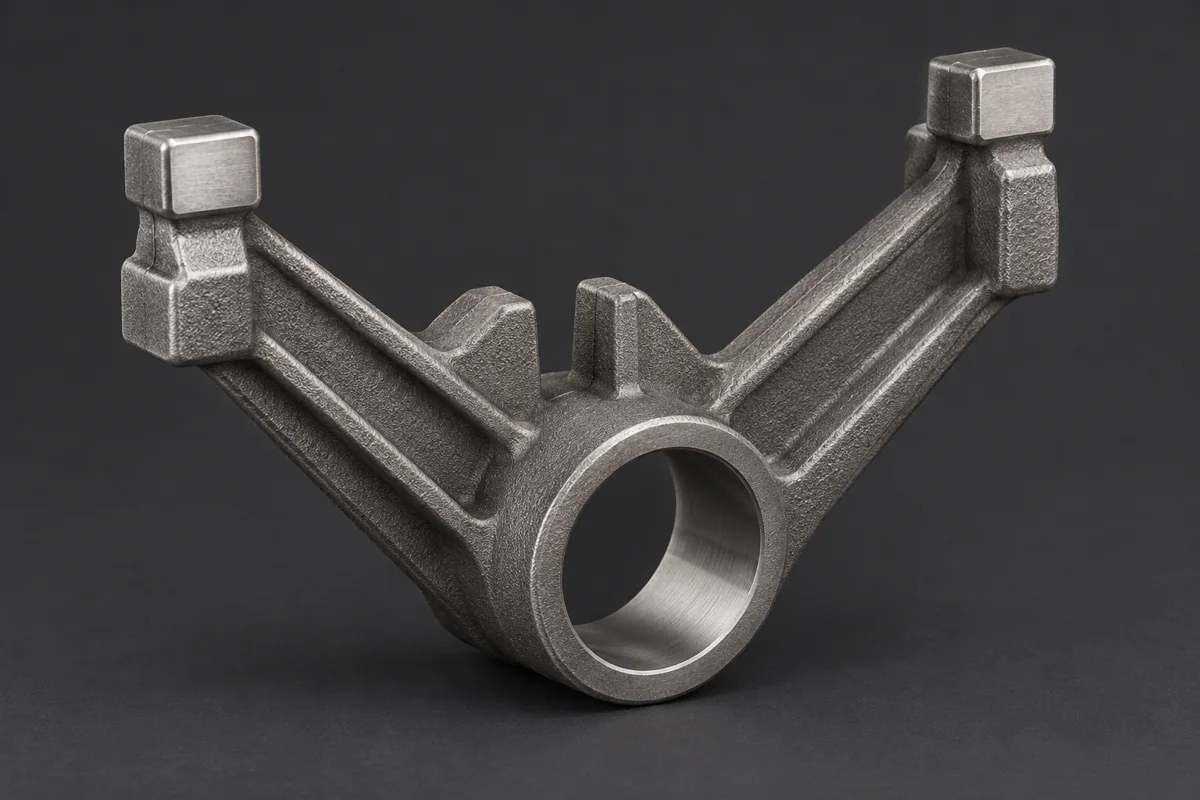
The Iron Grade and Delivered Condition Need Approval
Approve the actual iron grade and delivery condition. Where a project requires treatment or stability checks, include them in the supply specification. Material, section layout, machining and the agreed measuring setup must be considered together rather than relying on a universal base-casting claim.
The Pattern Reserves Stock at Mounting Areas
Pattern and mould review establishes the cast form and the stock available at mounting areas. Consider rib junctions, openings and surfaces needed for holding the part during finishing. We separate cast acceptance from the final requirements on machined pads, bores and locating faces.
Flatness and Position Use a Defined Support Condition
Flatness and position need a defined support condition during measurement. State the datum contacts and how the base is held or supported when it is checked. Measurements taken in a free state and under different restraint are not automatically comparable.
The Machining Plan Keeps Datum Contacts Accessible
The machining plan should preserve access to the final datum system. Define rough and finished regions, sequence-sensitive contacts and any protection after finishing. If your installation introduces a separate alignment or grouting task, keep that responsibility distinct from acceptance of the delivered base.
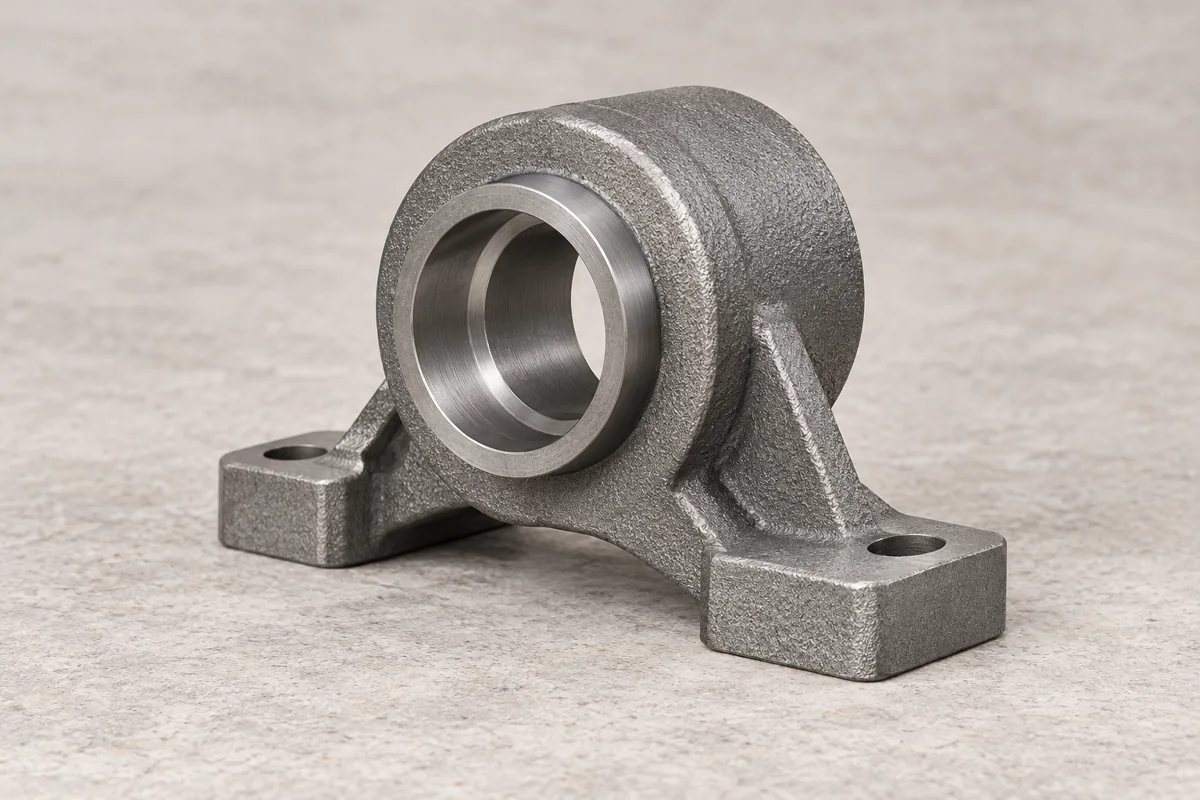
Sample Records Follow the Functional Mounting Map
Check sample records against the functional mounting map. We can provide agreed key dimensional measurements for the order, including the named measuring condition. Your assembly feedback then confirms the installation relationships that cannot be inferred from an isolated surface result.
A Base Quotation Keeps Acceptance and Costs Visible
Include the base model, mounting drawing, material requirement and sample and repeat quantities. Add treatment, measurement setup, packing support and protection for finished contacts. This produces a quote for a defined delivered base rather than an unspecified casting weight.
Related engineering and purchasing guidance
Send the Base and Installation Drawings
Send the base drawing with mounting contacts and the intended support condition marked. Include material, quantities, critical flatness or position requirements and any required treatment. We can review the casting and finishing scope against the way your equipment will be located.
- [email protected]
- Phone
- +86 185 6176 2631
- +1 404 203 0971
- Project enquiry
- Contact our Qingdao team