
01 / 10 · Local acceptance at the mold joint
Shell-Mold Mismatch Limits Near Machined Seating Faces
For a shell-mold casting with a machined seat, Relia reviews the joint condition against the final interface. Agree local limits for a step, removable flash and available machining stock separately; each condition calls for a different decision.
The relationship between adjacent cast regions.
The material that can be removed safely within the drawing.
The interface required after machining.
Relia reviews these requirements together so the sample and production order use an explicit local acceptance basis.
Review the joint beside your seating face02 / 10 · Factory quality scope
Local Acceptance Where Mold Halves Meet
Relia separates the casting blank requirement from the finished seating requirement. A general surface description does not define how much local mismatch is acceptable at a protected interface.
Identify the actual zone
Mark the joint, seat and nearby wall or edge on the component drawing.
Define the delivered result
Agree the cast condition, machining stock and required finished interface.
03 / 10 · Functional location
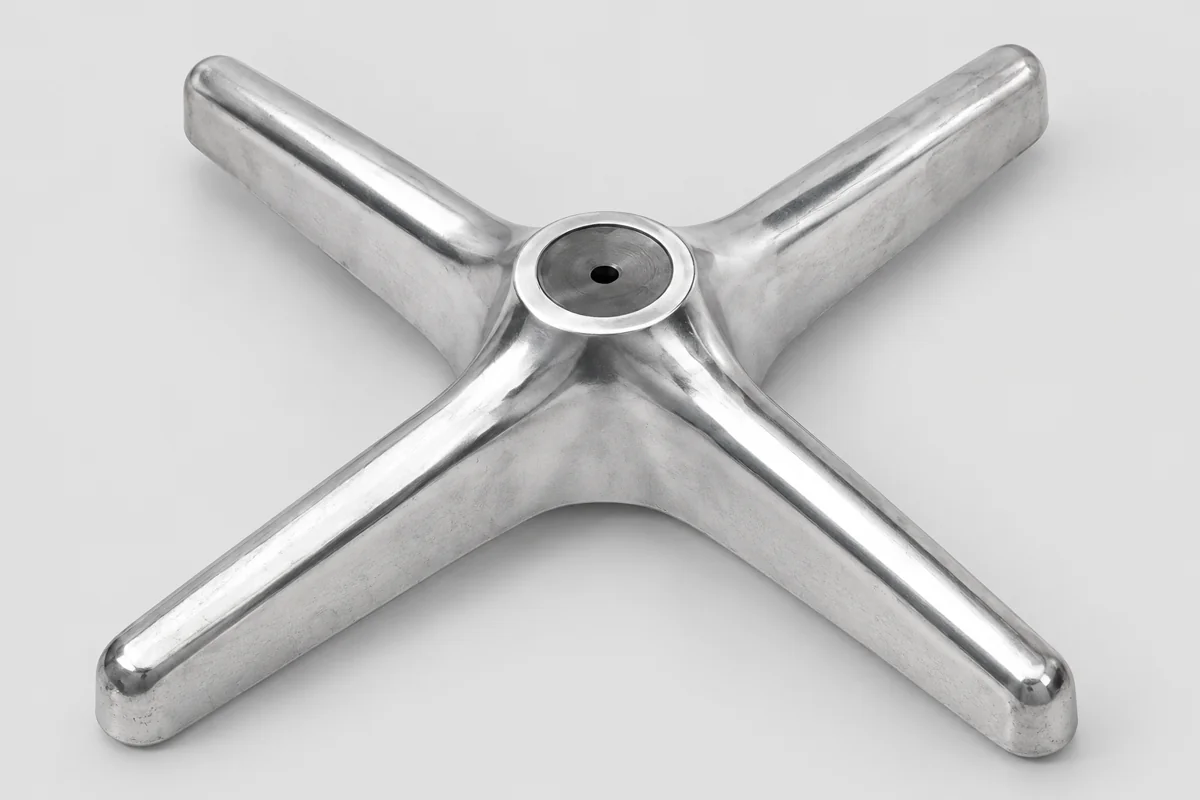
The Parting Line and Functional Seat
Show where the proposed mold joint approaches the seating face, bore or other working contact. Add the local clearance and minimum remaining-section requirements.
Include the machining reference and supplied condition. This makes a local joint observation comparable with the actual finished interface.
Review shell-mold flange and cylindrical component enquiries04 / 10 · Cast geometry
Mold-Half Alignment and Cast Geometry
Relative displacement between mold sections can leave a step at the casting joint. This is distinct from thin excess metal at the joint and should be identified as a geometric condition.
Locate the observation along the joint.
Define the agreed method for evaluating the local condition.
Relate it to stock, wall, clearance and the finished seat.
Specify local limits for the actual component
Agree any numerical limit, measured direction and sample location on the drawing or acceptance plan. A generic process tolerance does not replace a protected local requirement.
05 / 10 · Available material
Machining Stock Near the Joint
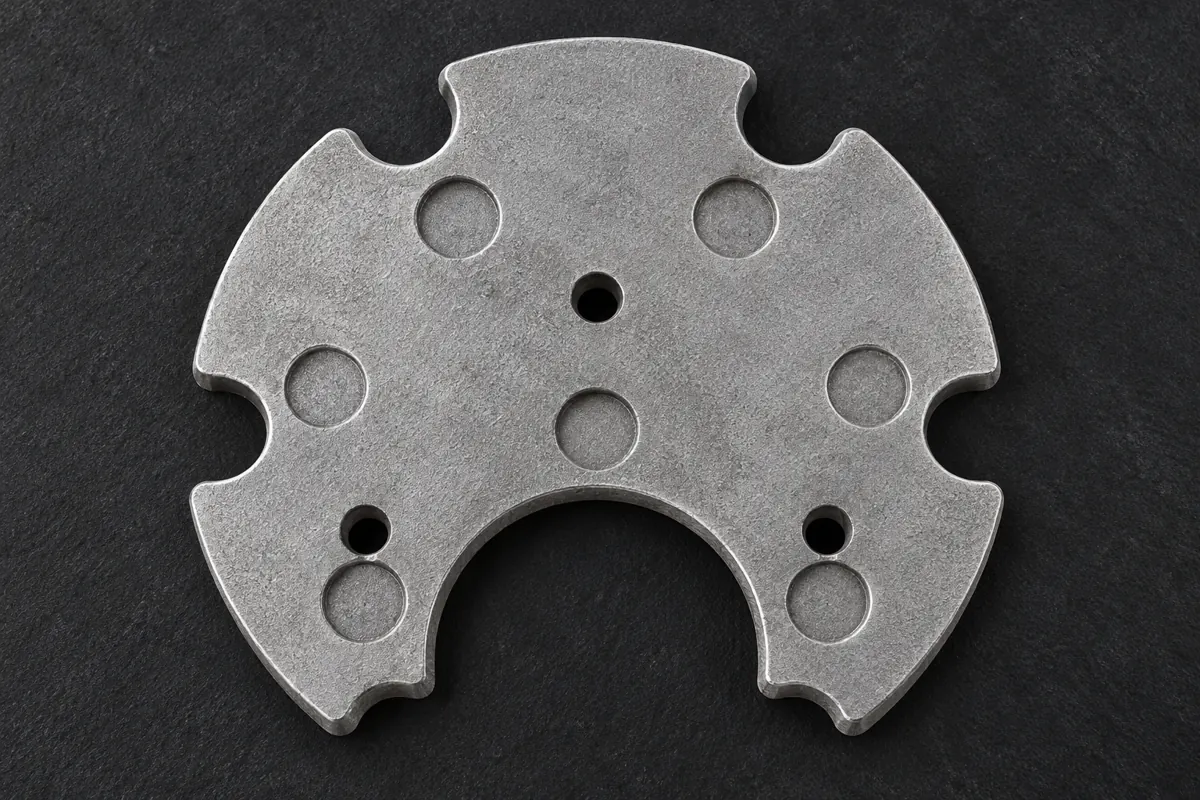
Overlay the final seating surface on the proposed blank. Check that the agreed stock remains available across the relevant joint region.
Review the relation to neighboring walls and edges. Removing a visible step is not an acceptable solution if it removes material required by the final component.
06 / 10 · Local finishing
Cleanup Without Damaging the Seating Region
Permitted cleanup
Identify the area and final surface condition expected after local finishing.
Protected geometry
Preserve the specified wall, edge, seat and clearance envelope.
Keep the operation and acceptance separate. The order should define the required result rather than rely on an open-ended instruction to grind smooth.
07 / 10 · Sample evidence
Sample Observations Across the Parting Line
Record the sample, joint location and supplied condition. Connect dimensional observations and surface evidence to the agreed local acceptance plan.
Relia can provide agreed key dimensional records. Specify the characteristics and sampling frequency per order, with any additional examination listed separately.
Review inspection and acceptance planning08 / 10 · Component references
Hub and Flanged Component References
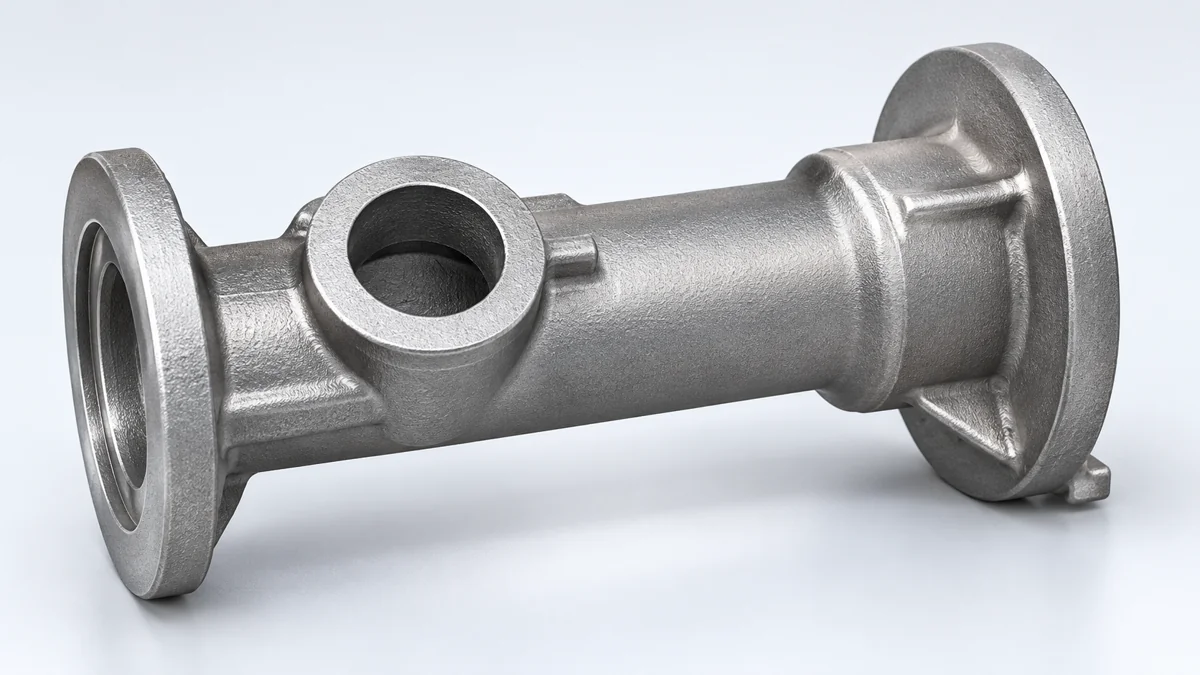
Use hub supports, open plates, flanged bodies and bearing structures to identify the relevant component family. The actual drawing defines the joint and seating relationship.
View hub-support and open-plate casting enquiriesView flanged bodies and bearing-support forms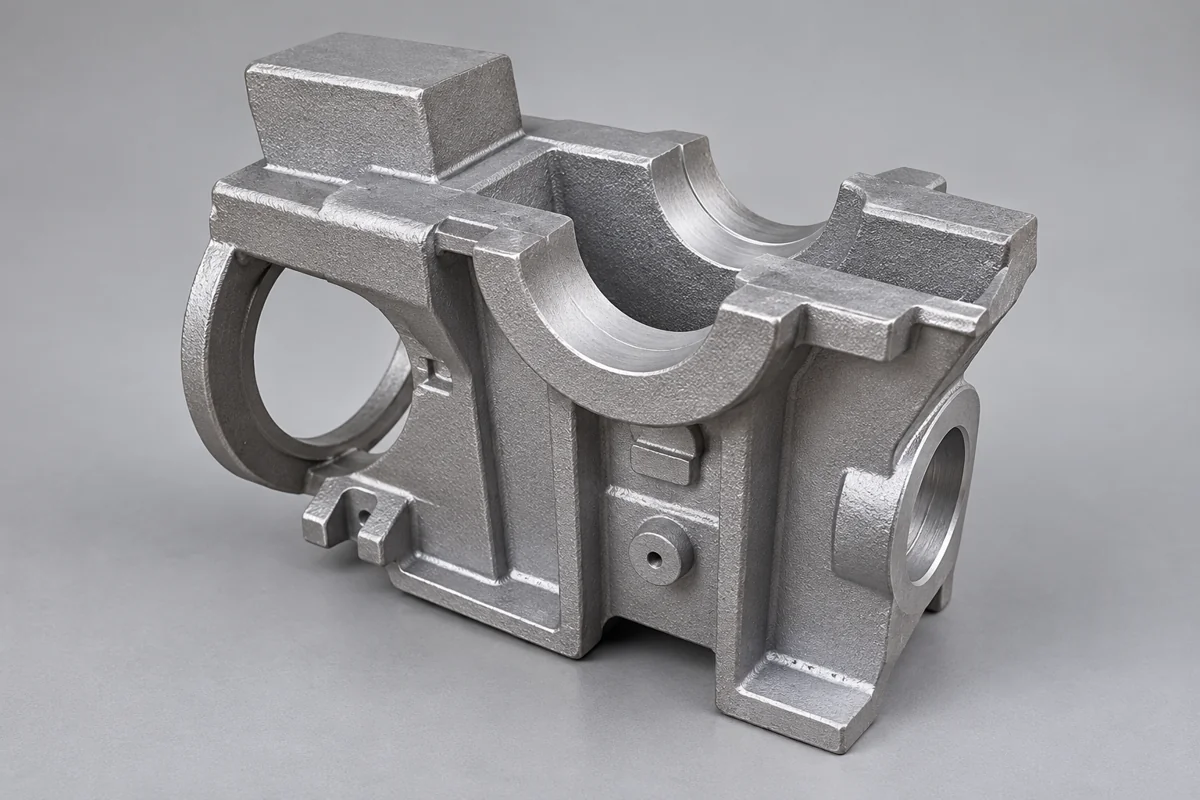
09 / 10 · Release basis
Record Local Limits Before Production Release
Zone, references and permitted local condition.
Agreed observations before and after finishing.
Approved supply scope and inspection responsibility.
Customer sample approval precedes batch production. Review later changes against the same local acceptance basis.
10 / 10 · Start a local acceptance review
Share the Parting and Seating-Face Requirements
Send Relia the drawing, material and quantities. Mark the mold joint, finished seat, stock and protected local edges or walls.
Email the local acceptance brief- [email protected]
- Phone
- +86 185 6176 2631
- +1 404 203 0971
- Company and address
- Relia Casting
No. 96 Shuyuan Road
Qingdao, Shandong, China