
Shell-Mold Iron Frames with Thin Ribs and Section Transitions
For a custom shell-mold iron frame, Relia reviews the narrow ribs and their junctions before you commit to tooling. We connect rib sections, adjoining mass and the selected iron specification to the clearances and mounting function that must remain. The sample plan targets the uncertain region rather than a general minimum-wall claim.
The Difficult Rib Sets the Review Priority
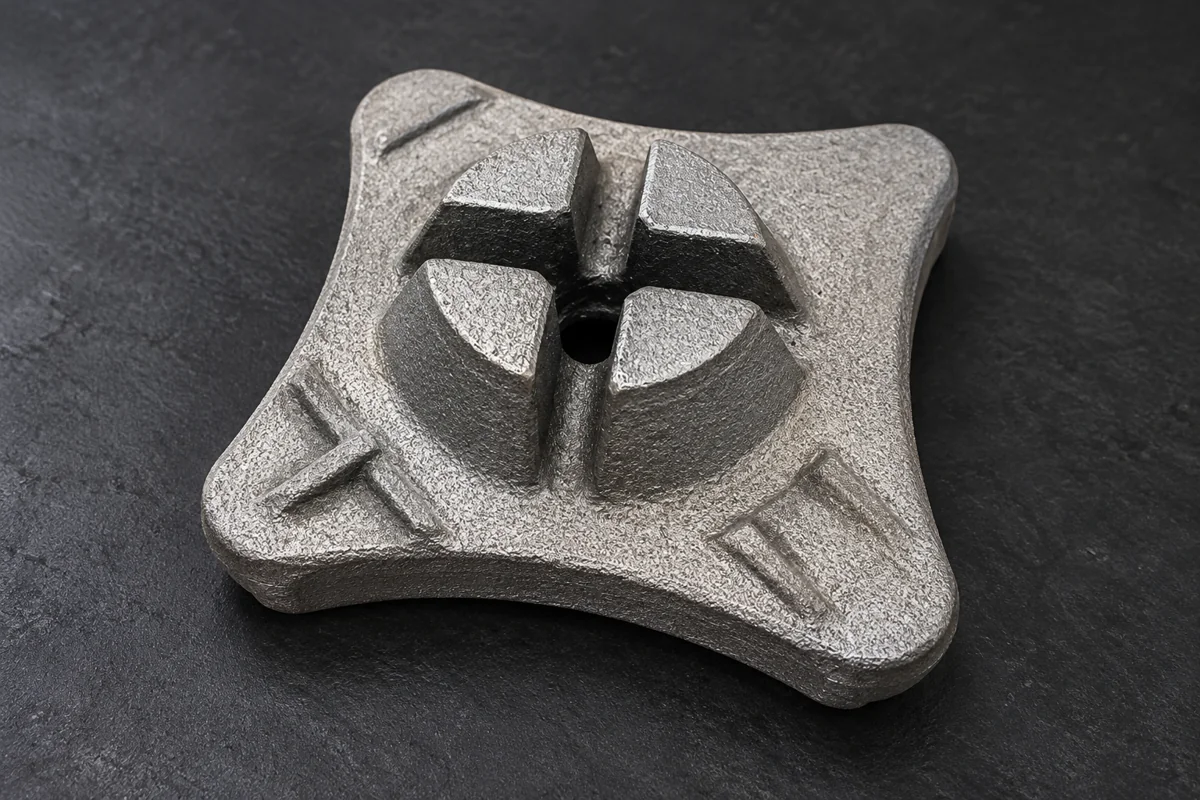
Relia starts with the narrow rib or section transition that creates uncertainty. We review the pattern, mould arrangement, forming and cleanup requirements together. A change that makes manufacture easier still needs your approval against the frame's mounting and functional constraints.
Rib Thickness, Length and Spacing Work Together
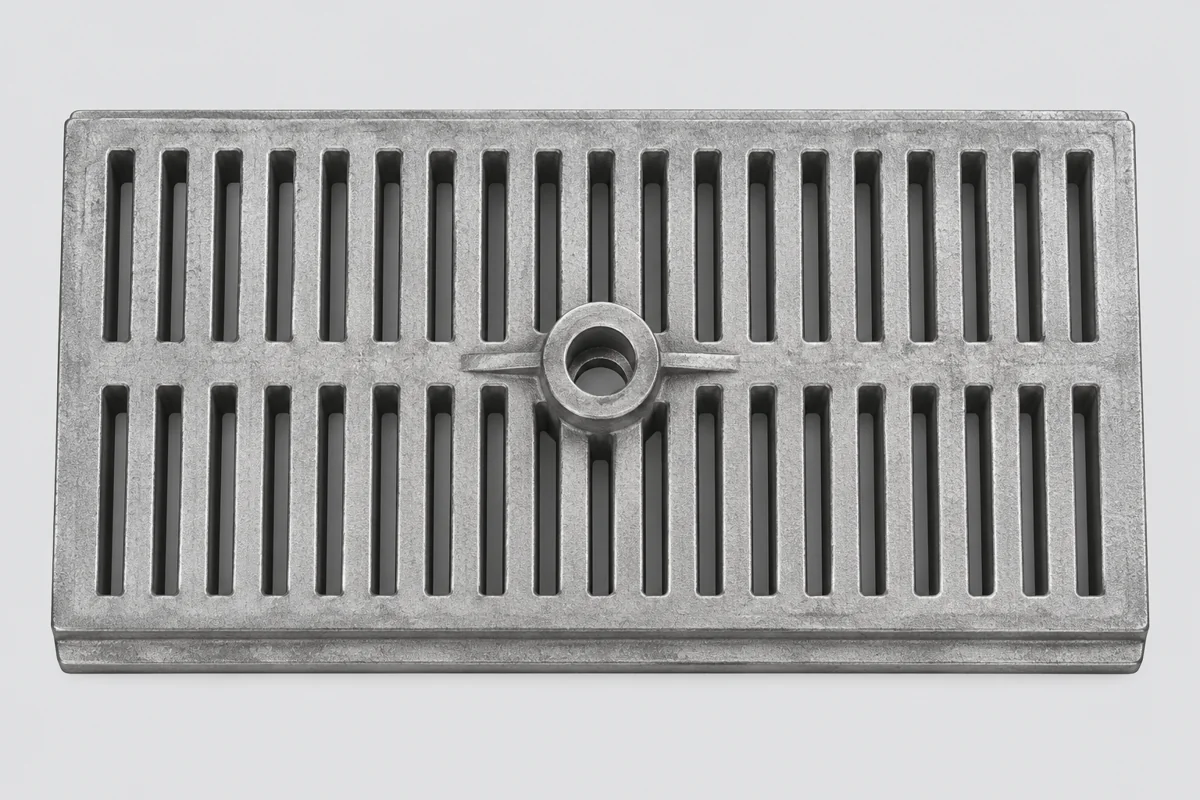
Show sections through narrow ribs, corners and the places where a light frame meets a heavier boss. Include overall geometry and adjacent contacts so a local adjustment can be evaluated in context. A photograph cannot establish the actual rib thickness or the design's load requirement.
Material and Transition Geometry Stay Connected
Approve the actual casting material and delivered condition before using a trial to judge the route. Grey and ductile iron differ in their specified requirements; changing the material is not simply a title change. Keep material selection and geometry review connected in the project brief.
The Mold Proposal Reviews Filling and Cleanup Access
The shell-moulding discussion considers how the tooling and mould support the open shape and any internal features. Feed, mould interfaces and cleanup access are assessed as part of that plan. Distinguish a complete shell-mould route from use of shell cores within another process.
As-Cast Features Have Functional Clearance Limits
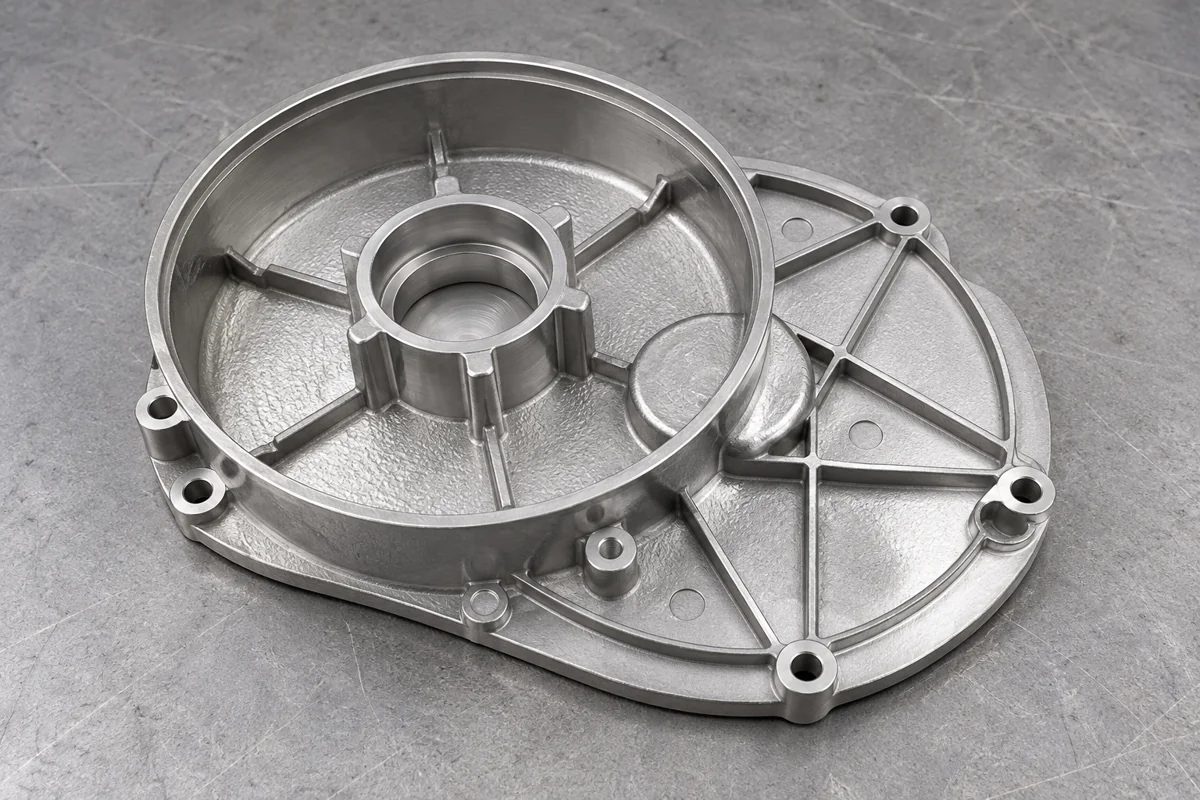
A proposed rib, corner or transition change needs a clear functional limit. Identify the space, contact or stiffness relationship that must be preserved. We separate the original design, the manufacturing proposal and the approved revision so the trial has one controlled reference.
Secondary Work Must Reach the Critical Regions
Machining and cleanup must reach the frame without damaging slender regions. Mark holding contacts, stock and protected edges. An outside surface may remain as cast, while a nearby mounting feature needs a measured final requirement and a suitable finishing setup.
A Trial Checks the Ribs That Drive the Decision
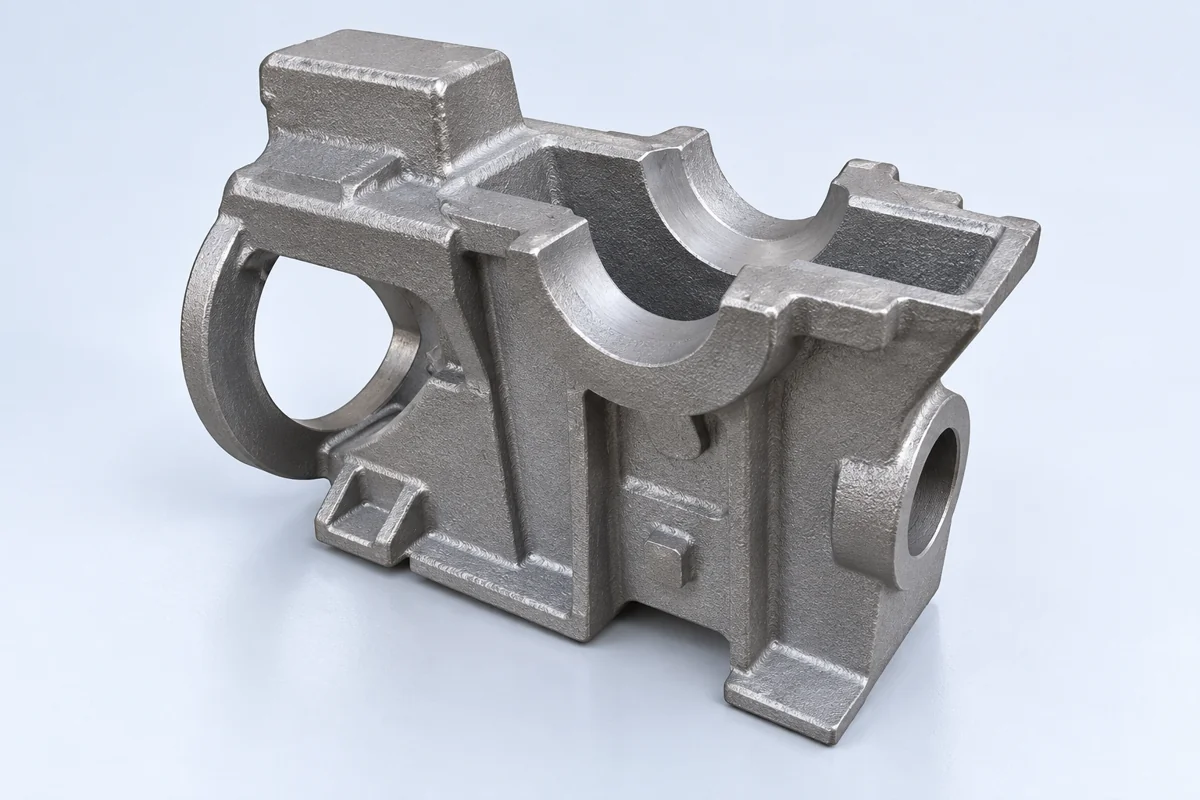
Trial checks should address the unresolved rib, transition or frame relationship. Agree the locations, method and acceptance state before the sample is made. Include material evidence and any specified local inspection instead of treating an overall appearance photograph as the whole approval.
Tooling Release Follows Approved Feasible Geometry
Keep tooling scope, approved geometry and the sample acceptance plan together in the quotation. Identify changes that remain open and any separate application validation. Once the trial is approved, the accepted revision becomes the reference for subsequent orders.
Send the Frame Sections and Required Clearances
Send the frame model, local rib sections, selected material and quantities. Mark protected functional regions and the changes your design can consider. We can review a useful trial objective before you invest in the shell-mould tooling.
- [email protected]
- Phone
- +86 185 6176 2631
- +1 404 203 0971
- Project enquiry
- Contact our Qingdao team