
Lost Foam Casting Review for Ribbed Housings and Bossed Components
A ribbed housing can combine useful functions while creating new pattern, cleanup or finishing constraints. Relia reviews lost-foam proposals against the actual metal, geometry and quantities. Keep any change from a multi-part assembly explicit, then compare the delivered component and validation work before committing.
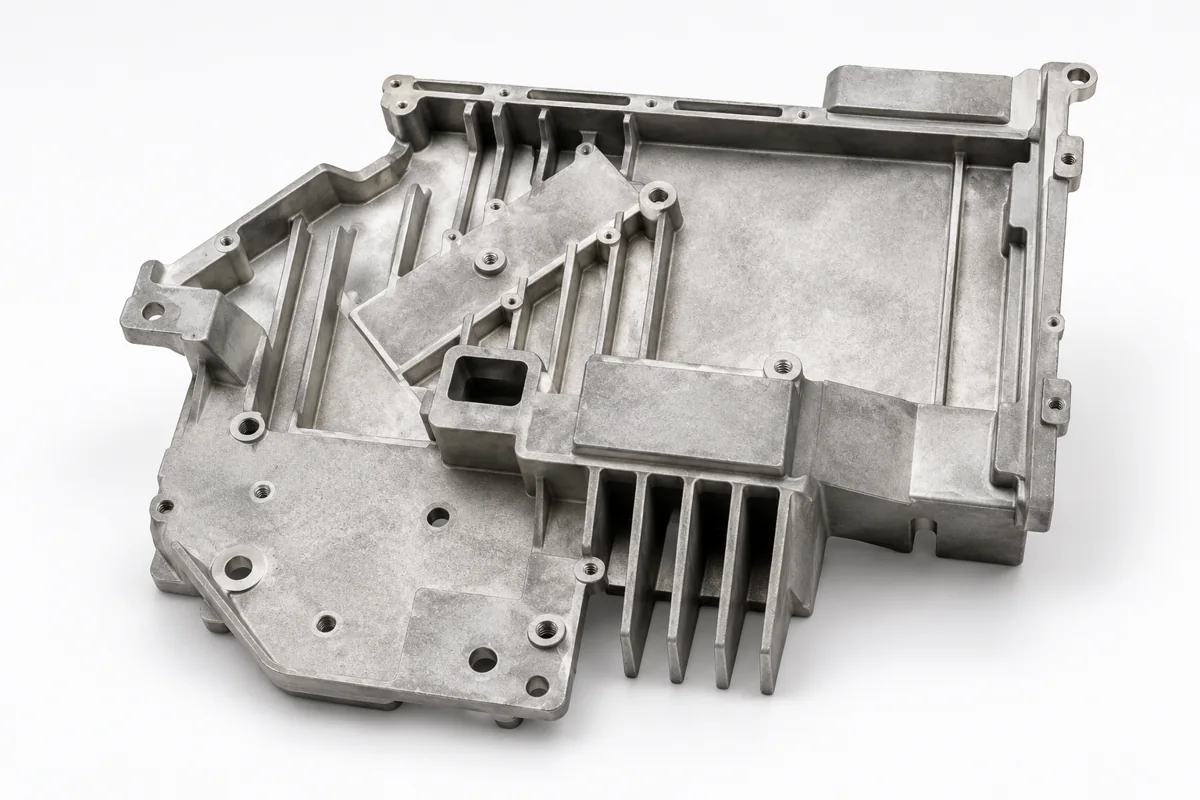
The Finished Housing Defines the Comparison
Relia reviews the housing from the component drawing through its supplied condition. We separate a new casting proposal from any change to an existing multi-part assembly. If you want to combine features or reduce assembly work, those functional changes need their own design approval.
Ribs, Bosses and Openings Define the Actual Housing
Mark the ribs, local bosses, openings and working contacts on the model. Include the adjoining assembly and regions that restrict a design change. These details help determine whether a casting proposal offers a useful component scope rather than simply reproducing a complicated outside shape.
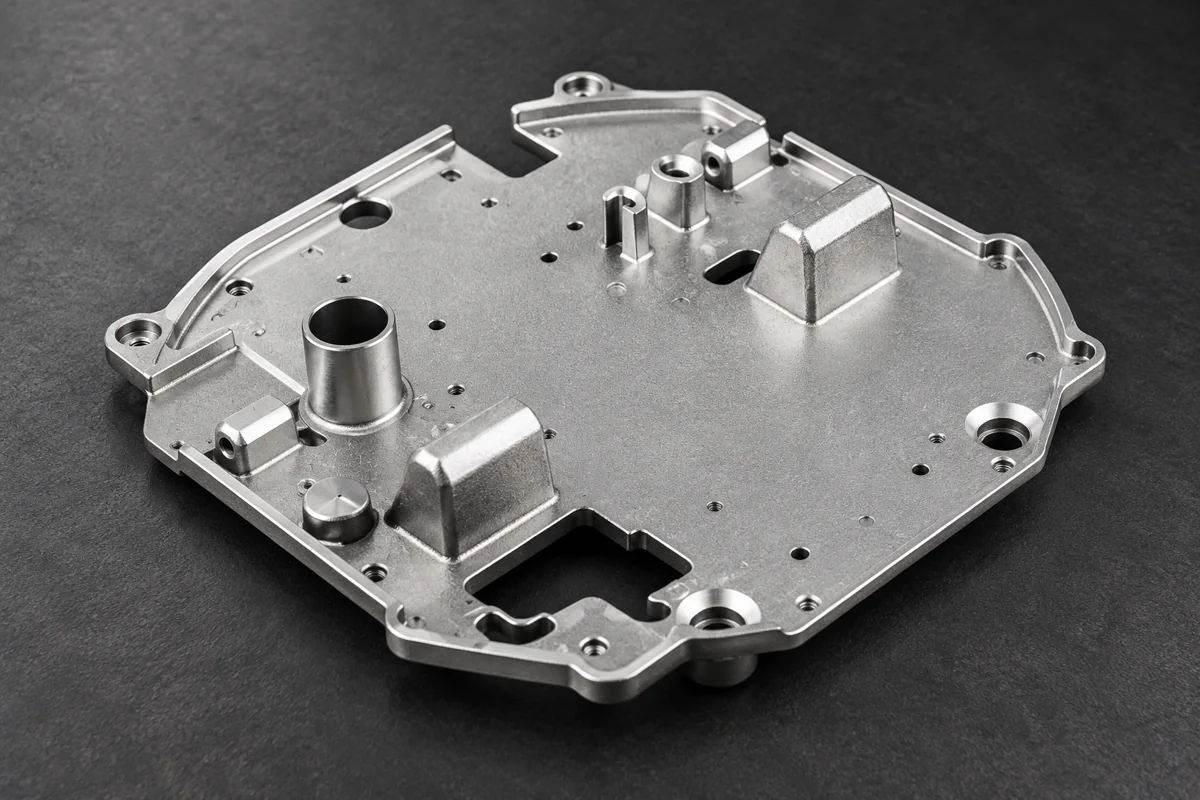
One Casting Alloy and Delivery State Need Approval
Select the actual casting alloy and required delivered condition. Multi-metal catalogue enquiries do not establish that every alloy is suitable for the proposed lost-foam route. We review the selected metal alongside sections, functional requirements and the acceptance evidence needed for the order.
The Foam Route Connects Pattern, Coating and Mould Support
A lost-foam proposal considers the expendable foam pattern, its assembly and coating, mould support and the casting operations. Pattern joints and local geometry deserve attention before development is committed. The resulting casting still needs the cleanup and finishing defined for your supplied component.
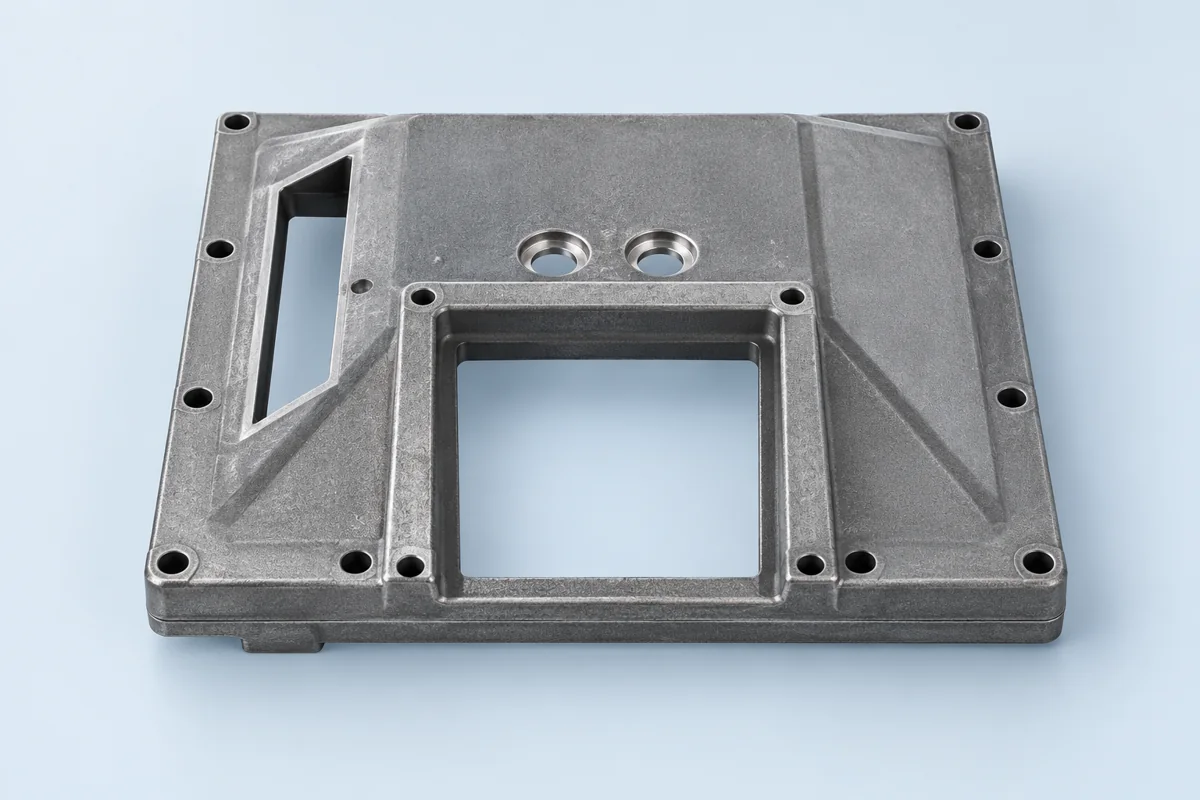
Machined Interfaces Retain Access and Local Stock
Machined interfaces need access and an allowance plan, even when the main shape can be formed close to the required outline. Relate bores, pads and mounting faces to the working datums. Identify which regions remain cast and which must meet measured final requirements.
Local Sections Have Different Casting and Cleanup Risks
Thick bosses, thin walls and restricted recesses create different local risks. A review should name those regions and propose a useful trial or inspection response. It should not promise that removing a conventional parting arrangement automatically removes every casting defect or finishing requirement.
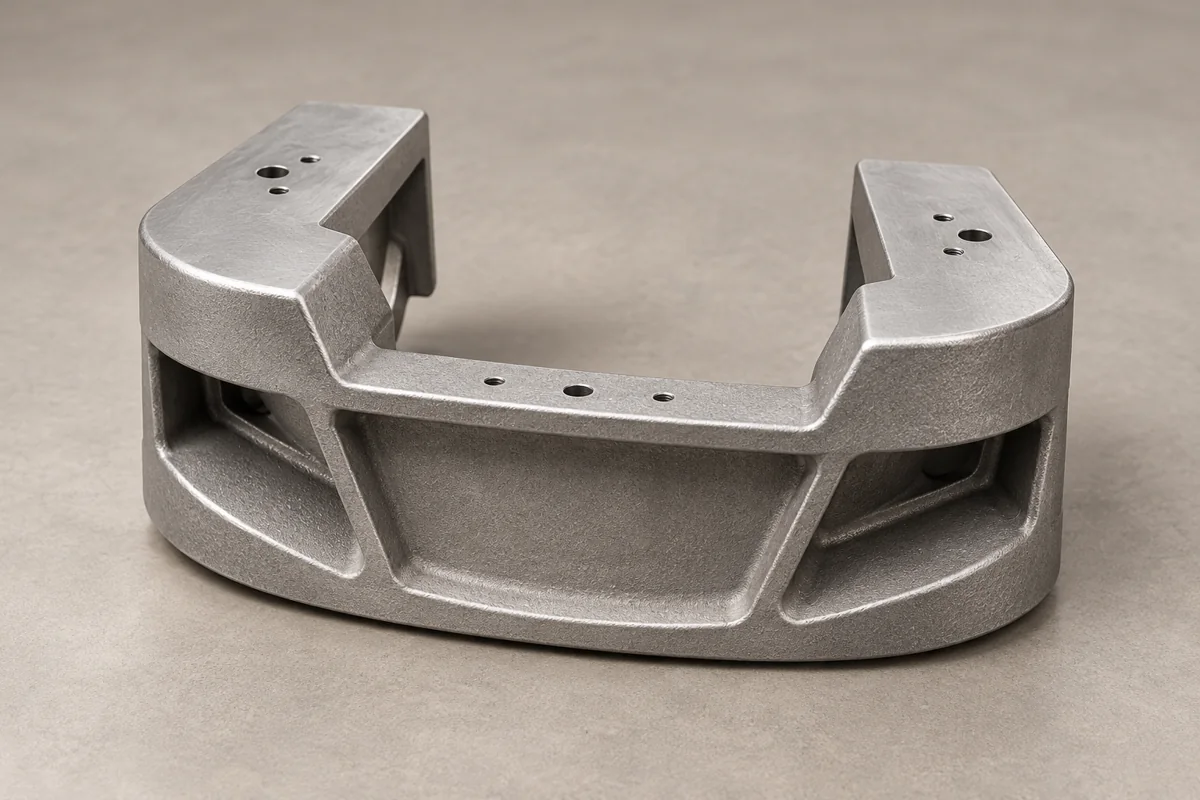
Sample Evidence Follows Material, Geometry and Final Contacts
Compare sample evidence against the material, geometry and final contacts agreed for the project. We can provide order-specific key dimensional records with the selected items and sampling frequency defined. Any assembly change should be evaluated by your team before the revised component is released.
The Cost Comparison Includes Patterns and Finished-Part Work
Compare development tooling, expendable-pattern cost, casting, machining, cleanup and required records together. If an assembly is being simplified, include the affected joining and validation work. The result should describe one accepted delivered component on the quantities you actually plan to buy.
Related engineering and purchasing guidance
Share the Housing Model and Order Context
Send the housing model, material requirement and sample and annual demand. Mark the difficult ribs, bosses and final contacts, and include any assembly you want to reconsider. We can review a lost-foam proposal against a clear component and purchasing brief.
- [email protected]
- Phone
- +86 185 6176 2631
- +1 404 203 0971
- Project enquiry
- Contact our Qingdao team