
Near-Net-Shape Investment Castings with Defined As-Cast and Machined Tolerances
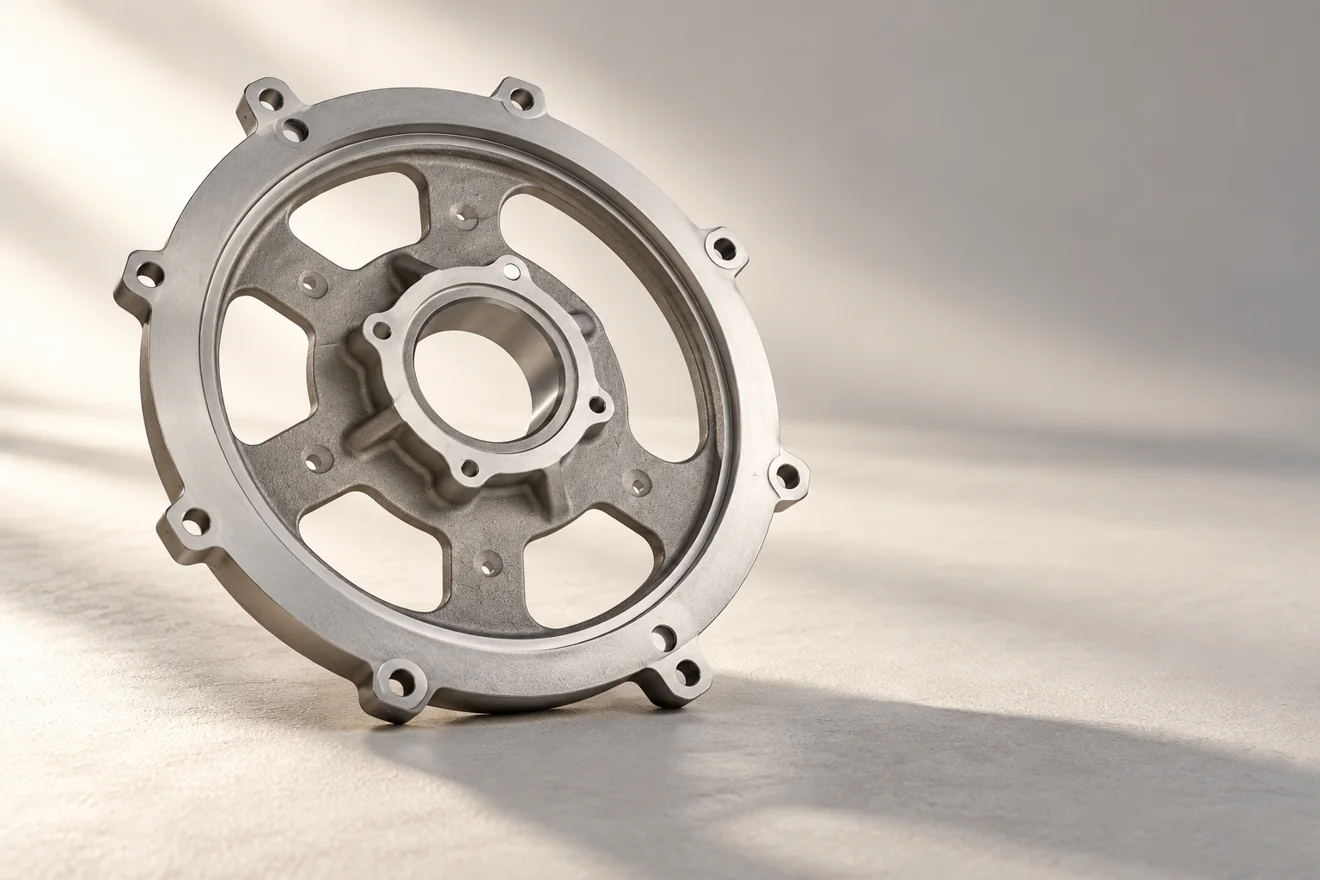
You can specify a near-net investment casting without applying one precision claim to every surface. Relia separates features accepted as cast from the bores, faces and connections that need machining. We review local stock and working datums together, so your quotation and sample checks describe the accepted finished component rather than a universal tolerance promised for any cast shape.
Read the overview and page sections
We help separate as-cast dimensions from machined fits, then review stock, datums and inspection stages against your drawing. This gives you a near-net-shape sourcing proposal based on the finished component, rather than one precision figure applied to every feature.
The Functional Feature Map Defines the Manufacturing Work
Relia starts with a feature map tied to the finished drawing. Some surfaces define the formed body; others locate, seal or move in your assembly and need a final cut. We connect each requirement with its manufacturing stage, reference and acceptance method so a casting proposal preserves the precision where the component actually uses it.
03 / 10Component decisions
Give Each Feature the Tolerance Its Function Needs
A broad precision-casting label cannot define every dimension. Keep the casting envelope and the final fit in separate drawing requirements.
| Feature | Possible supplied state | Requirement to define |
|---|---|---|
| Outside form and ribs | Remain as cast where suitable | Cast tolerance, draft and allowed witness marks |
| Hub bore or register | Machined when the fit requires it | Finished size, form and datum relationship |
| Flange or seating face | Finished to the required contact condition | Flatness, orientation and roughness |
| Fixing pattern or thread | Cast, drilled or machined as specified | Position, engagement and gauging basis |
Build the Main Form Before Finishing Selected Interfaces
The lost-wax sequence uses a pattern to establish the intended form, a refractory shell to create the mold and molten metal to produce the blank.
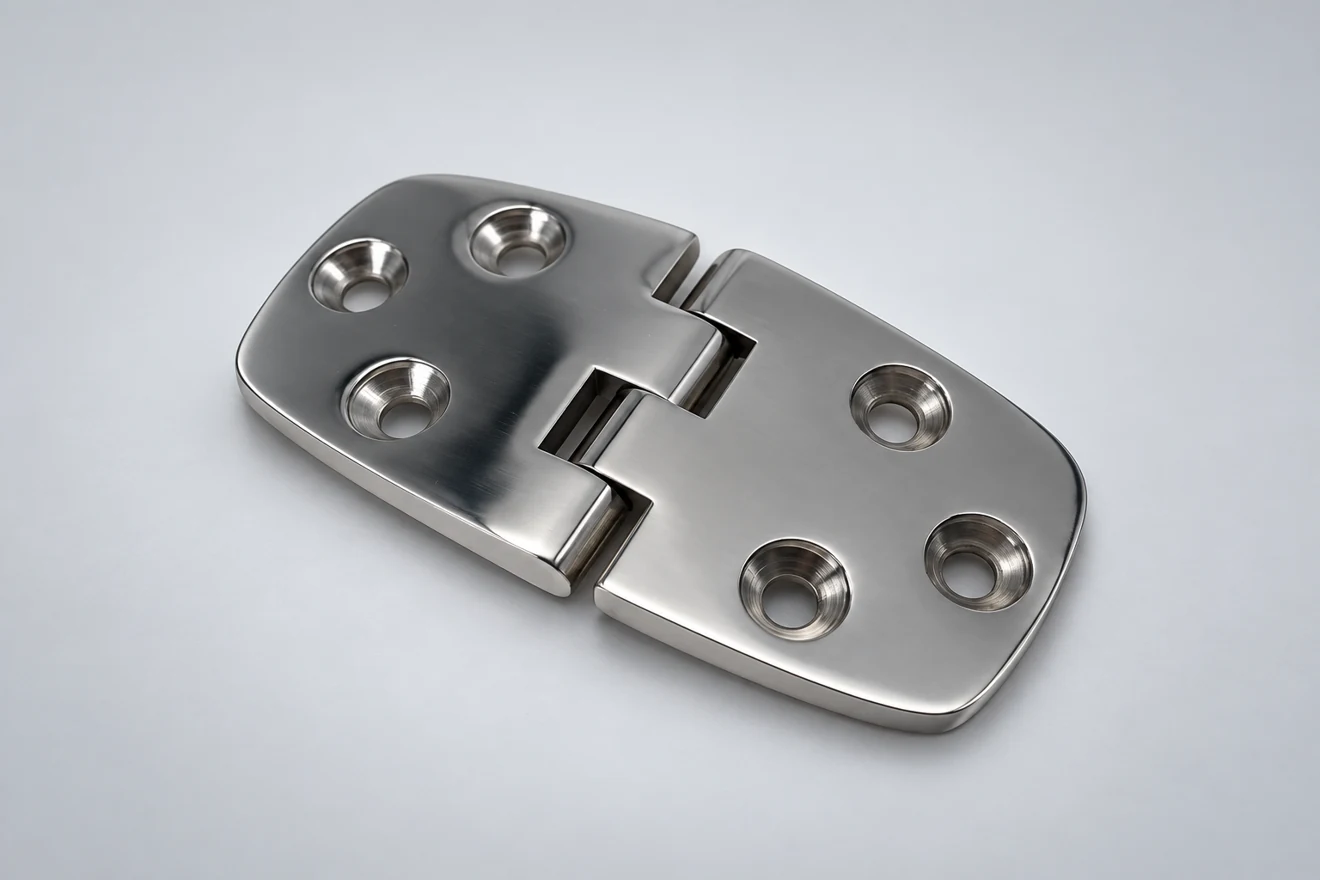
- Form the main shape through the lost-wax route
- Keep finishing stock at selected interfaces
Open the manufacturing route and detailed review
Form the main shape through the lost-wax route
Shell removal and gate separation leave cast surfaces whose variation must be considered in the next operations. Tooling allowances and process variation therefore remain part of the route even when the shape is close to finished.
Keep finishing stock at selected interfaces
Relia's machining review reserves stock and locating areas for the features that require tighter control. The finishing plan should reach the specified fit without cutting through an inadequately allowed wall or losing a reference. Acceptance distinguishes the cast blank from the delivered machined part, with each limit attached to the stage it actually describes.
Assign Machining Stock to the Feature It Must Produce
Local stock must accommodate both the required finished cut and the variation of the starting blank. Extra metal on the outside does not guarantee that a bore can be finished in the correct position relative to a nearby cavity. Review the cast and finished definitions from the same reference system before settling the blank.
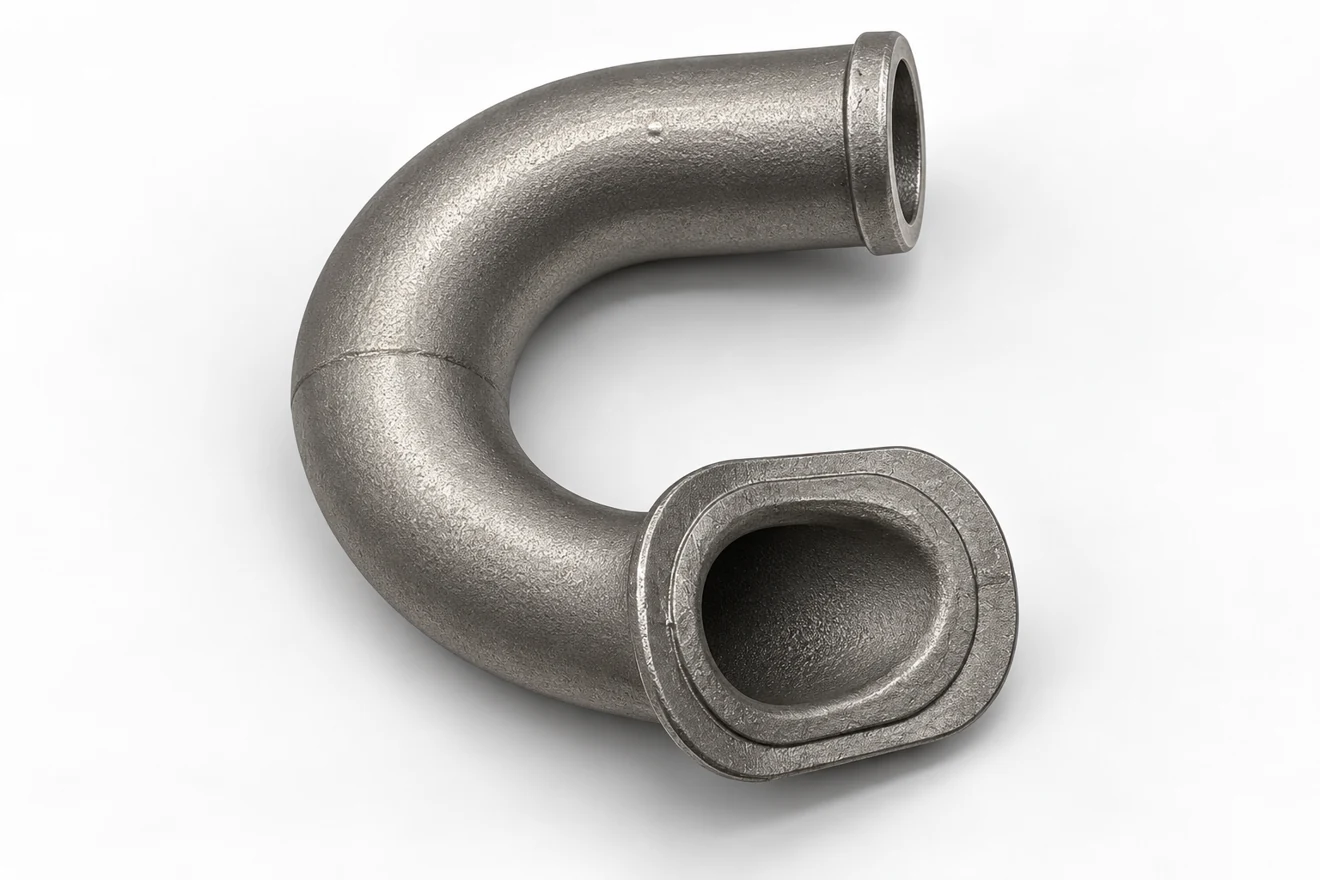
Relia discusses which regions remain as cast and which need controlled finishing. For a critical bore or seat, identify the material that must remain, the first locating contact and the final measuring condition. A sample layout can then show whether the blank supports the agreed finishing plan; the highlighted illustration explains that relationship without implying a measured stock value.
06 / 10Component decisions
Allow for Variation Before Finishing the Fit
Pattern, ceramic shell and cooling metal all influence the blank. The route needs enough local stock and a stable locating system for the final features.
| Stage | Review focus | Output to agree |
|---|---|---|
| Pattern and shell | Shrinkage considerations, walls and removal access | Proposed cast envelope |
| Stock planning | Local allowance where final cuts must clean up | Blank-to-finished drawing relationship |
| CNC finishing | Create related contacts from controlled datums | Finished interface definition |
| Measurement | Check cast and machined requirements separately | Feature-specific sample results |
Inspection Distinguishes the Acceptance Stages
Agree the cast-feature checks and finished-feature checks, including methods, sampling and records. A report should state the part condition being assessed. An as-cast dimensional result cannot be substituted for the final machined interface requirement, and a finished bore result does not describe the whole blank.
The Quote States the Actual Delivered Condition
Identify whether the order includes casting only, cleanup, treatment, machining, surface finishing and required records. Compare prices at the same quantity and supplied state. A near-net-shape label is useful only when the remaining work and acceptance boundaries are visible.
Send the Details for Your Component Review
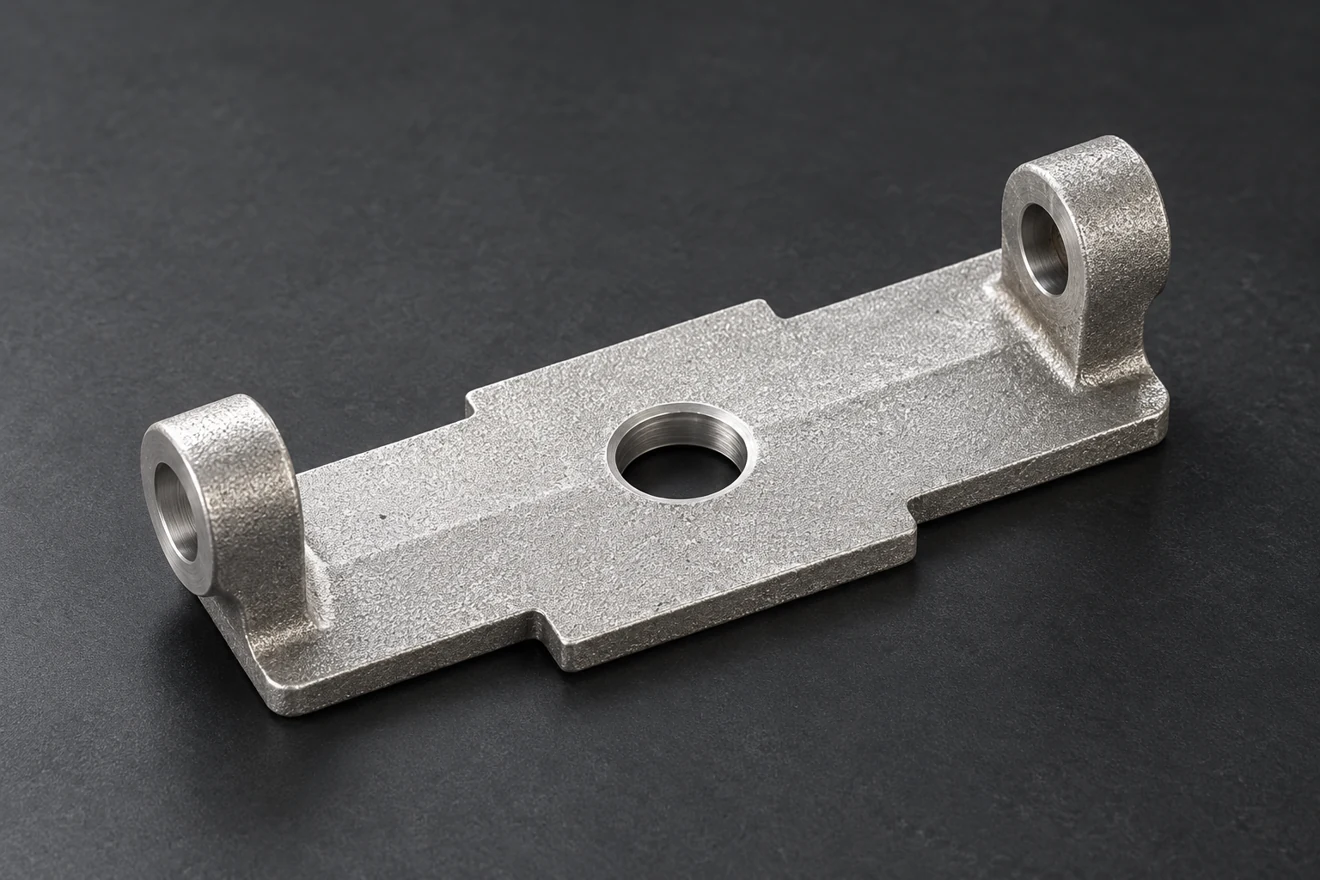
Tell us what you need to buy and the condition you need to receive. Relia Casting will review the component, manufacturing scope and requested evidence with you before an order is agreed.
- Drawing with cast and machined features marked
- Actual casting material and state
- Feature-specific tolerance and stock requirements
- Required sample and batch records
- Order quantity and supplied boundary
No. 96 Shuyuan Road, Qingdao, Shandong, China
About our component supply · Contact details and project enquiry