
Lost-Wax Stainless Elbows and Hollow Connector Castings
You can source a lost-wax stainless elbow or hollow connector from Relia with the internal passage and finished end connections reviewed together. We consider forming, mold-material removal, deburring and the actual connection geometry before the sample. This helps define a cleanable supplied component while keeping any pressure or leakage requirement tied to its own agreed test boundary.
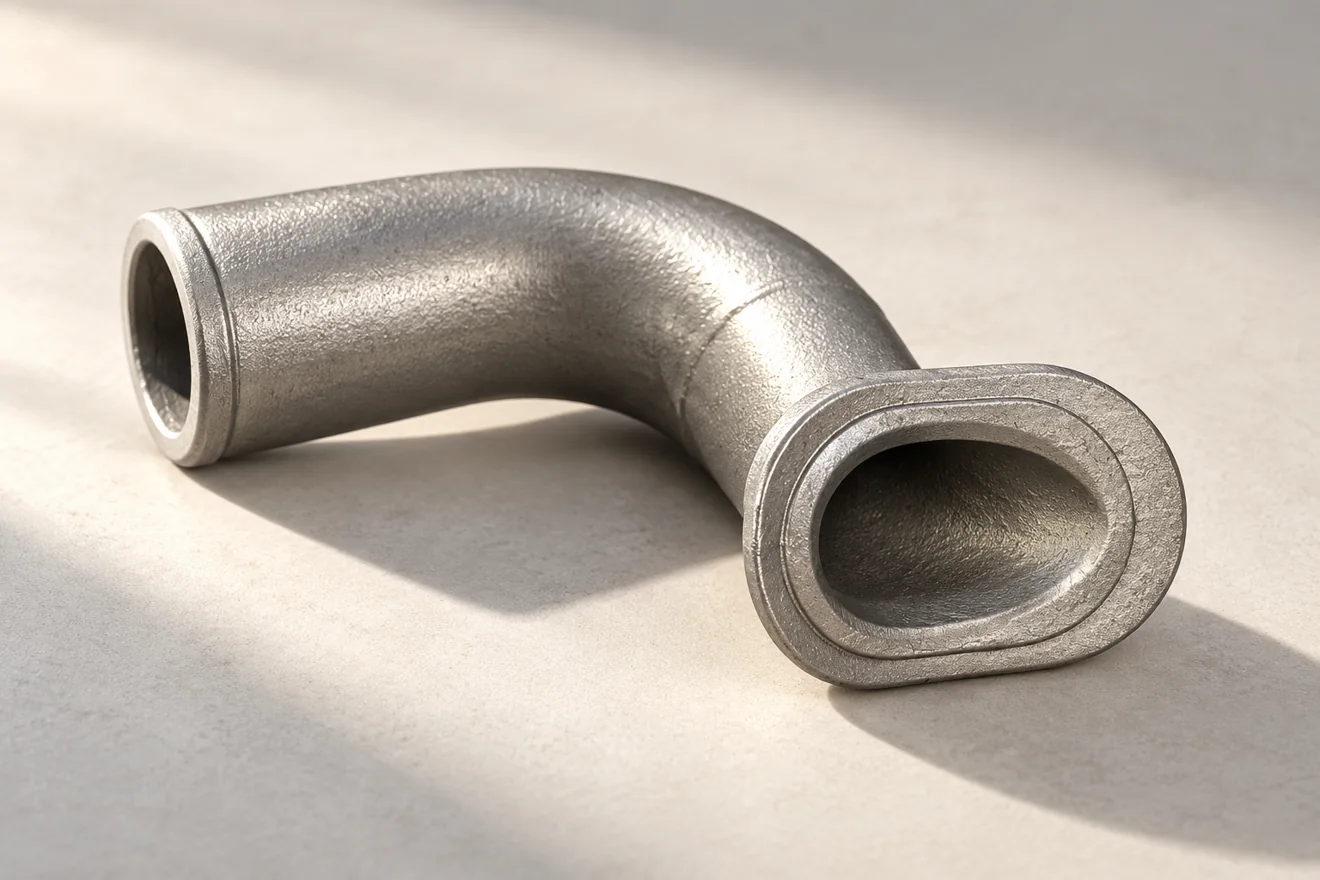
A Hollow Component Includes More Than Its Outside Shape
Relia reviews the connector in section as well as from the outside. The bend determines internal access; the ends may require threads, faces or other machined contacts. We identify those regions and the metal specification together, then keep final cleaning and any additional test scope connected to the actual component being ordered.
Passage Sections Define the Curved Route
Show the internal passage in section, including branch intersections and changes in area. Mark regions that cannot be reached from the openings after casting. These views support the discussion of pattern construction, internal forming and cleanup access before a manufacturing route is selected.
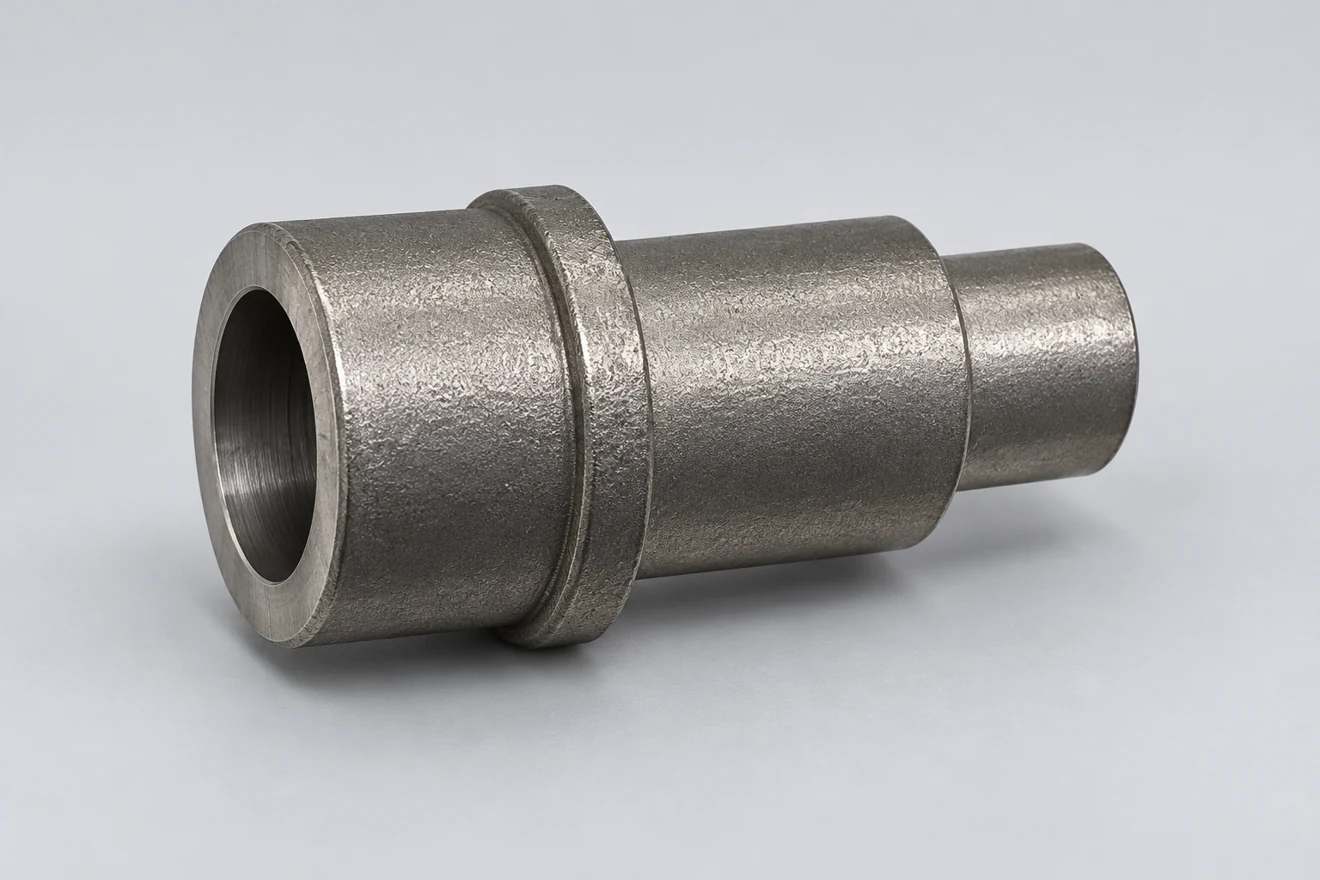
The Intended Medium Guides Alloy and Surface Choices
The fluid and cleaning environment help frame material and surface requirements. Specify the approved casting alloy, delivered condition and any project-specific documentation. Nominal 304 or 316L enquiry options do not identify the material of every catalogue image or establish its suitability for your fluid.
Form the Bend Without Losing Cleanup or Connection Access
A hollow bend may be formable while a narrow opening or deep recess makes mold-material removal difficult. Review the real internal route and access before accepting the casting definition. Where the proposed route uses internal mold features, the removal and subsequent cleanup need a practical path out of the finished cavity.
Relia also reserves the local stock needed to establish the end connections. Machining a port or joining feature may create new internal edges or residue, so final cleaning follows those affecting cuts. Identify which passage surfaces remain as cast and what acceptance applies there, separately from the machined thread, bore or sealing face at each end.
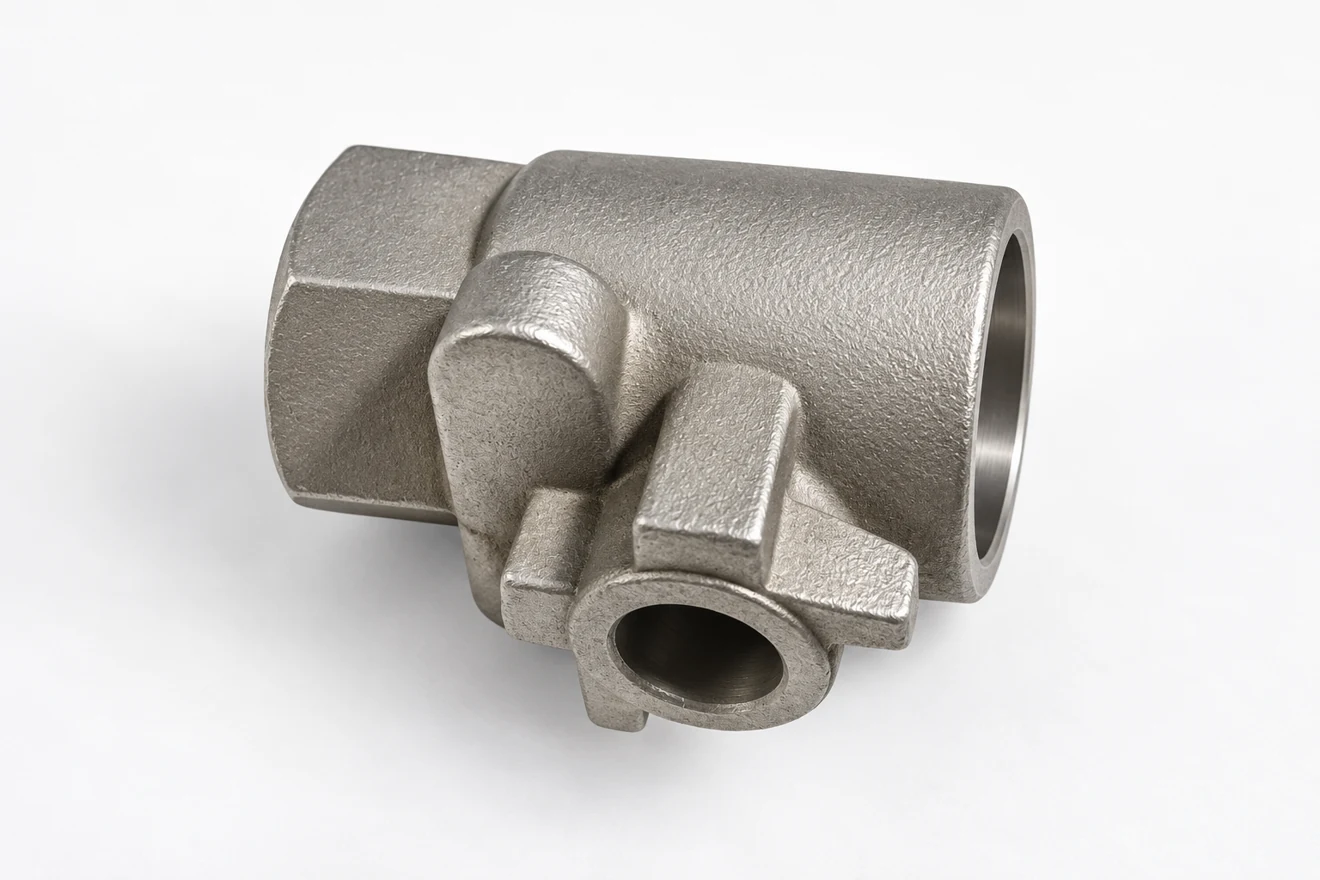
Each Connection End Has a Finished Definition
Threads, flange faces and connection shoulders need explicit end conditions. Define their standard, datum and relationship to the passage. Where a wall becomes thin near the final cut, include that section in the review rather than judging machining stock only from the outside shape.
Relate the final cut to the remaining wall and the actual cleanup opening.
Check local stock at both ends. An ample outside envelope does not prove enough wall remains beside the internal bend.
Internal Acceptance Uses an Accessible Method
Internal residue and visible outside finish are separate acceptance tasks. Identify the areas to inspect, the delivery state and any required cleaning method or residual limit. A clean-looking opening does not establish the condition of a deep bend or intersecting passage.
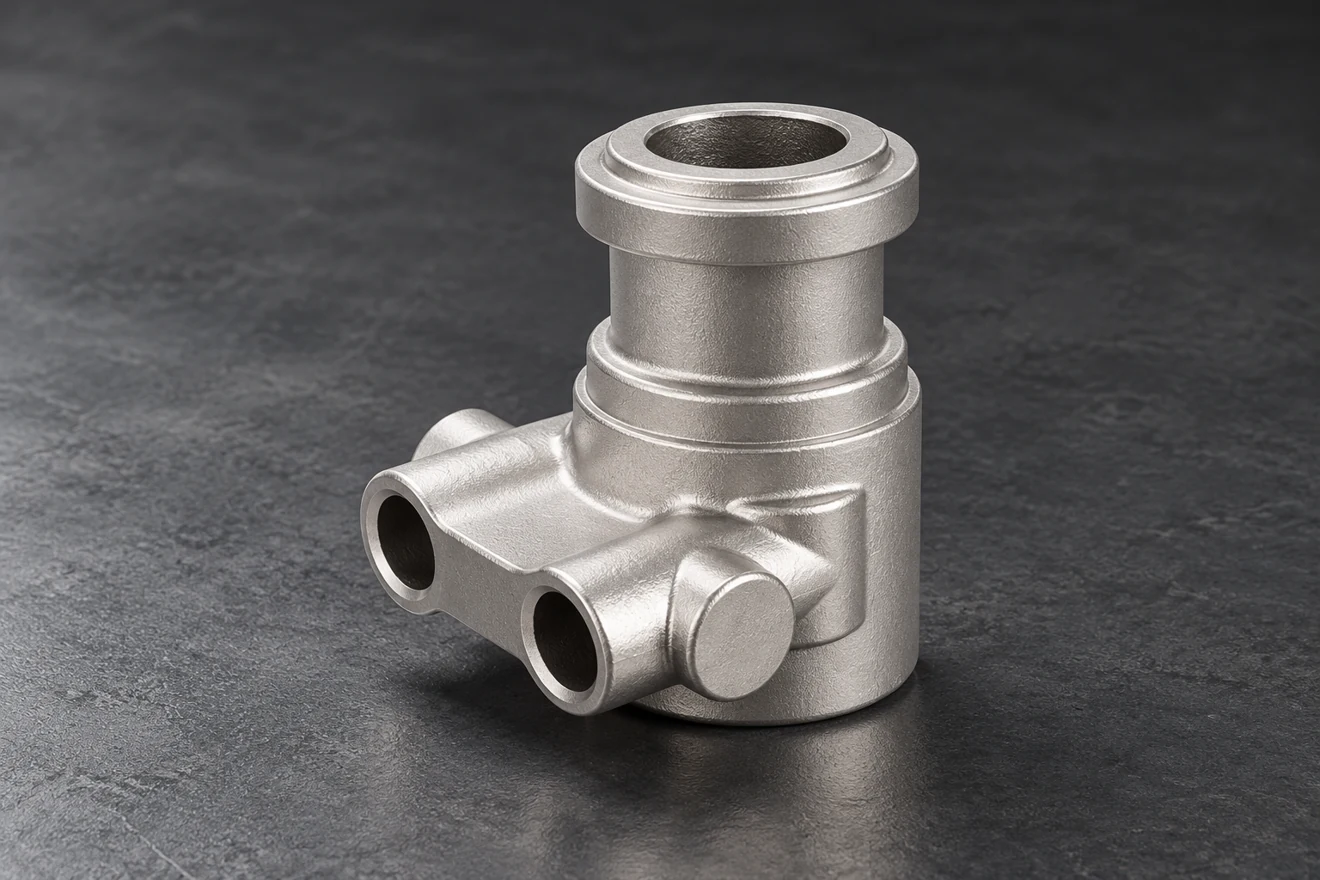
Body Testing Uses Defined Conditions and Limits
Specify any body pressure or leak check as a defined project requirement. Agree the object, test setup, conditions and acceptance method before samples are made. Without those details, neither a stainless material name nor a flanged appearance provides a meaningful pressure-performance statement.
Detailed drawing and acceptance checklist
One Enquiry Connects Sections, Standards and Supply Scope
Prepare one enquiry package with sections, connection standards, material, quantity and supplied condition. Include any mating-part reference and the records needed with delivery. This allows casting, machining, cleanup and testing responsibilities to be compared together.
Related engineering and purchasing guidance
Share the Passage and Connection Drawings
Share your elbow or connector model with internal sections and finished-end requirements. Add the fluid, material specification, quantity and any cleaning or test conditions. We can review a practical component scope before the sample route is approved.
- [email protected]
- Phone
- +86 185 6176 2631
- +1 404 203 0971
- Project enquiry
- Contact our Qingdao team