
Silica-Sol Investment Casting for Thin-Wall Stainless Components
You can review a thin-wall stainless component with Relia for silica-sol investment casting before committing to a tool. We connect the narrow sections, thicker junctions and difficult recesses with pattern, shell and cleanup access. The proposal identifies the machining that remains and the sample evidence needed, without assigning one minimum wall or universal accuracy to every component.
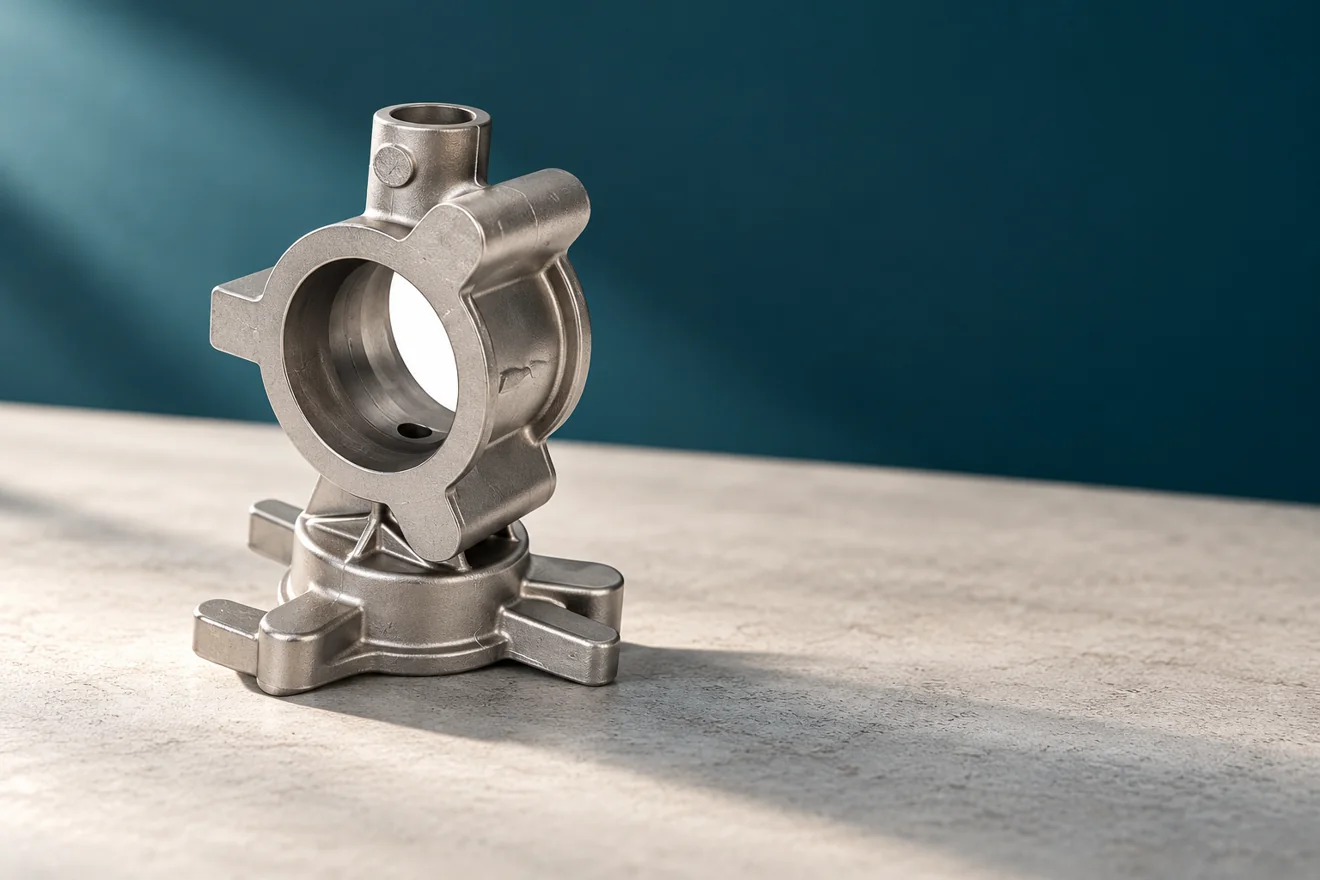
A Feasibility Review Starts with the Difficult Feature
Relia reviews the actual model rather than treating silica-sol as a standalone precision guarantee. A thin arm needs a viable filling path; a recessed body needs workable shell removal; a finished seat needs retained stock. We connect those different tasks with the chosen stainless specification and the customer-approved geometry before defining the trial.
One feature must pass the whole route
- PatternRetain and construct the required thin geometry.
- Shell and metalReach the surfaces and review filling through the actual section.
- CleanupRemove mold material through the available openings.
- Final workReach, hold and inspect the contact that must be finished.
Name the unresolved gate and a sample check before committing the tool.
Three Access Checks Shape the Proposal
Three access checks help organize the review. The pattern needs a workable construction, the mould shell needs suitable coverage, and cleanup or finishing tools must reach the required areas. A feature can be plausible at one stage and still present a problem at the next.
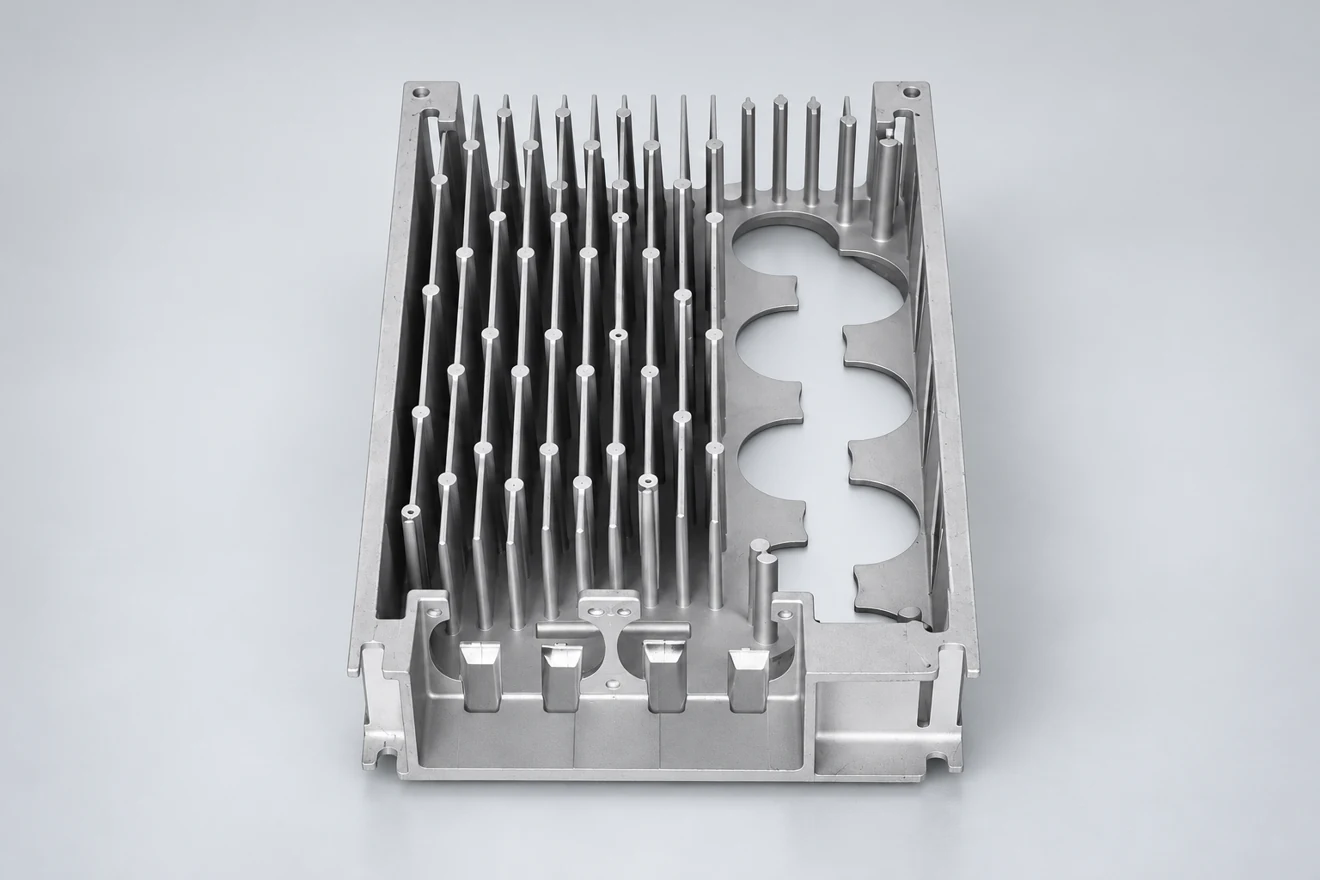
The Selected Alloy and Section Work Together
Material and section geometry are considered together. Include the actual cast-alloy specification, local wall sections, transitions and required delivered condition. A thickness number without its length, adjoining mass and function is not enough to establish that the feature will be suitable for your project.
Carry Thin Features Through Pattern, Shell and Cleanup
A thin feature must survive more than the final metal pour. The pattern needs to retain the intended geometry, and shell building must reach the surfaces that form the component. Later wax removal, casting and mold-material removal must leave an accessible blank without sacrificing the working section.
Relia reviews local thickness changes and the route around deep recesses together. Where a geometry adjustment is proposed, keep it separate from the customer's approved function until accepted. Reserve stock at the contacts that require final machining, then use the sample to review the critical thin regions and finishing relationships under the agreed inspection plan.
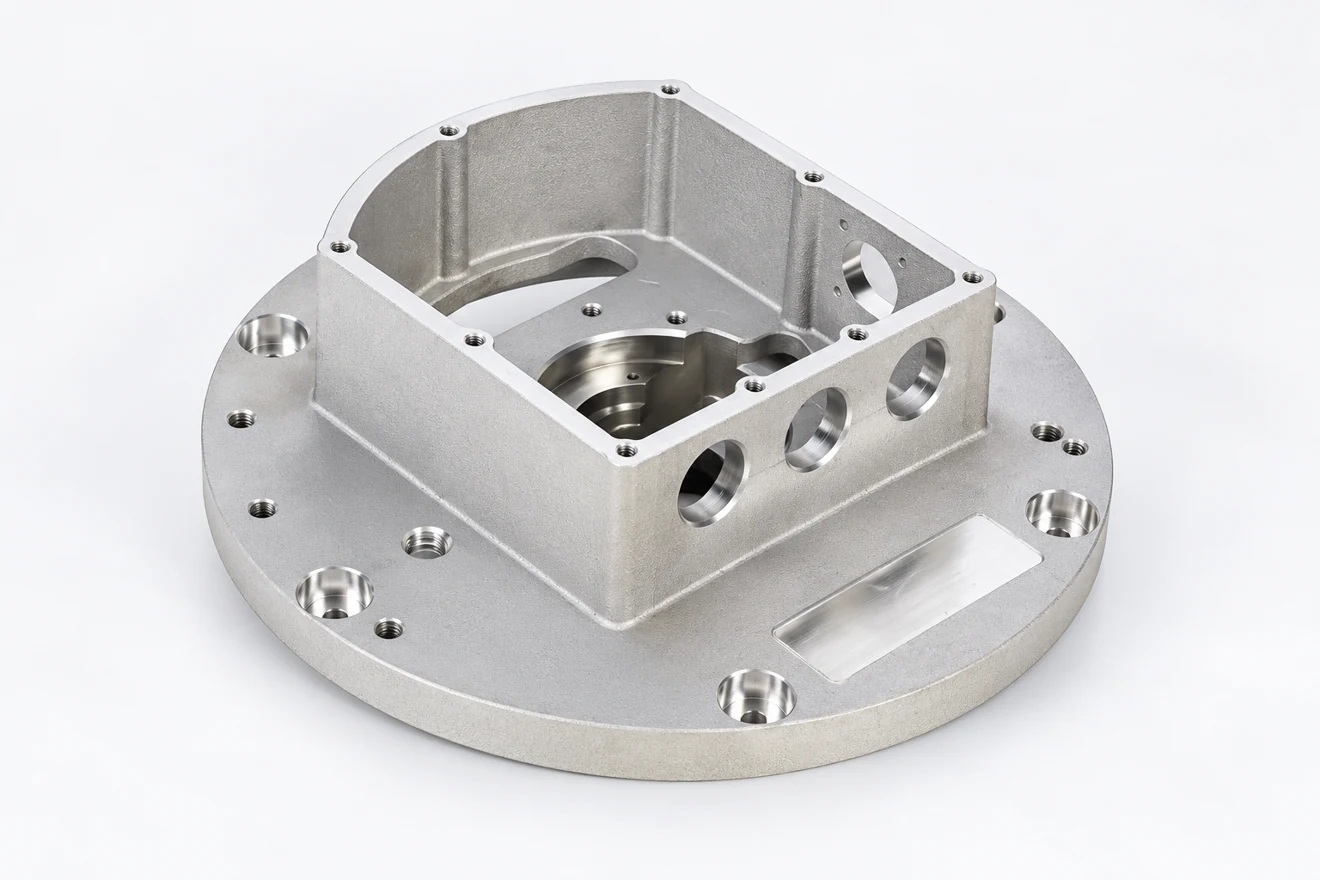
Ribs and Recesses Need Functional Clearance
A proposed rib or recess change must retain the space and stiffness relationships your assembly needs. Show the adjacent part, tool envelope or flow area that limits the modification. We separate a manufacturing suggestion from a design approval so the accepted geometry remains your controlled requirement.
Finish Machining Must Remain Accessible
An accessible cast recess is not automatically an accessible machining feature. Review cutter reach, holding surfaces and local machining stock before assuming a deep area can be finished later. Mark surfaces that can remain as cast and those with a measured final requirement.
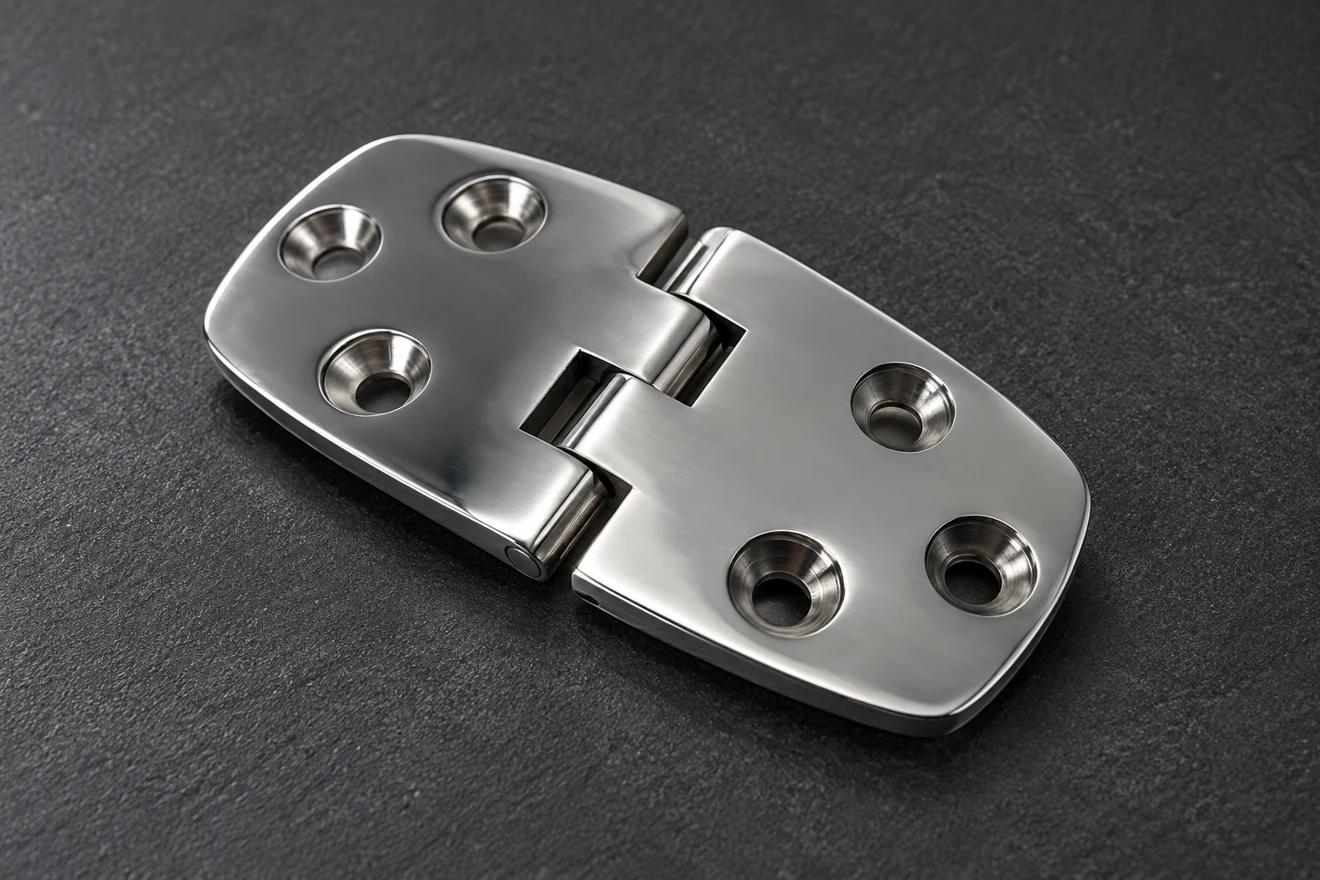
A Trial Measures the Unresolved Geometry
Use a trial to resolve a named uncertainty. The sample plan may focus on a local wall, recess opening, cleanup access or assembly clearance. Agree the method and acceptance condition before the trial so the result leads to an engineering decision rather than another general photograph.
Detailed drawing and acceptance checklist
Tooling Approval Freezes the Agreed Change
Freeze the accepted geometry and outstanding conditions at tooling approval. Keep the original model, approved changes, sample scope and quotation exclusions together. A later design revision should be checked for its effect on the difficult feature rather than assumed compatible with the earlier review.
Request a Review of Your Thin-Wall Drawing
Share your model with local sections through the thin walls, ribs and deep recesses. Add the stainless specification, quantities and functional restrictions on any design change. We can review the feature and a useful sample objective before the tooling scope is agreed.
- [email protected]
- Phone
- +86 185 6176 2631
- +1 404 203 0971
- Project enquiry
- Contact our Qingdao team