
Cast Fittings with Defined Internal Deburring and Residue Acceptance
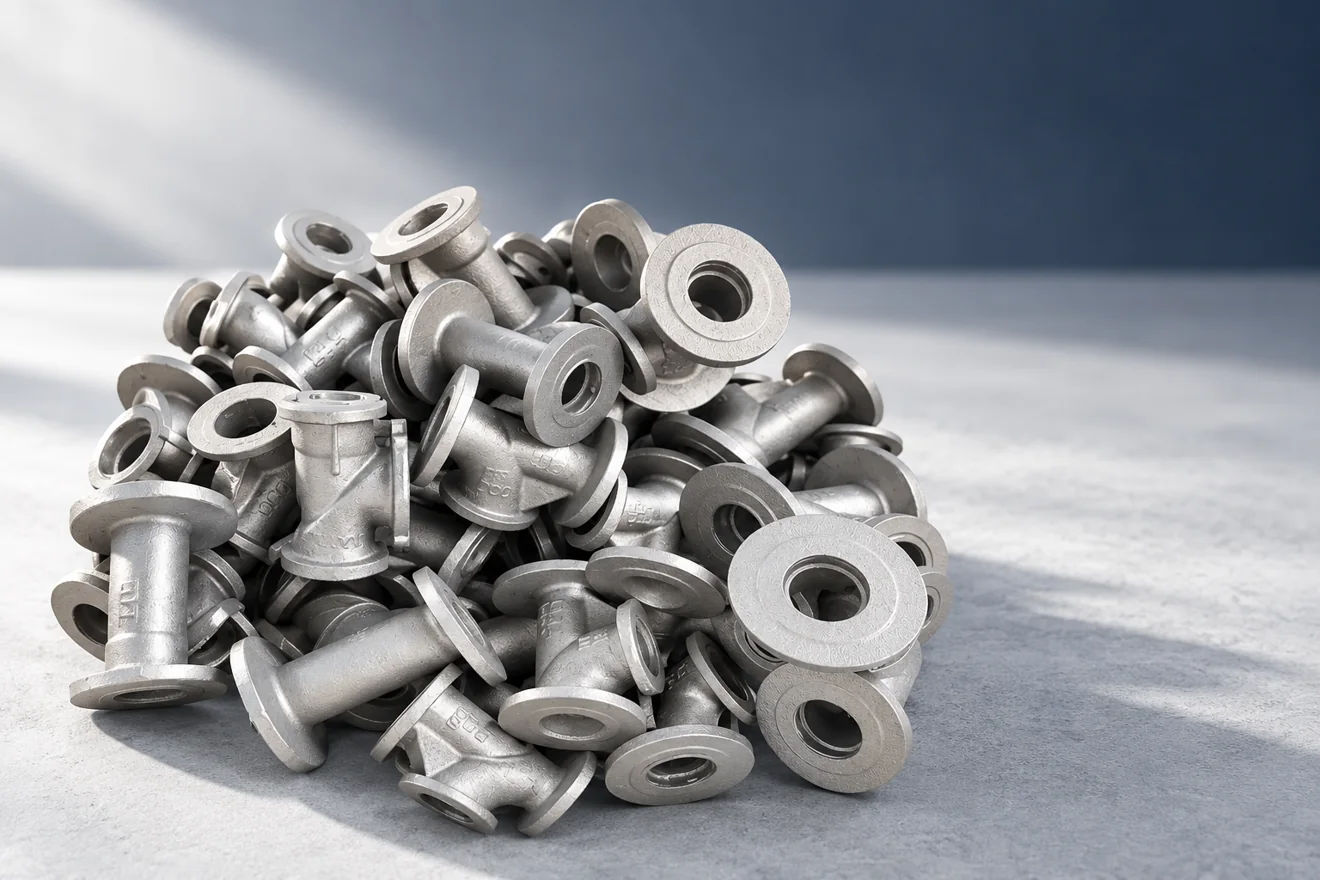
You can specify internal deburring and residue acceptance when sourcing cast fittings from Relia. We review the real passage, intersecting ports and areas sensitive to loose material, then connect cleanup with the machining sequence. The final condition and agreed evidence describe the inside of the supplied part, rather than relying on a clean exterior or an attractive product photograph.
Read the overview and page sections
Send the passage geometry, sensitive regions and the condition your downstream equipment needs. We review where cleaning tools and inspection can reach, then connect those limits with the casting and machining route, so a clean-looking outside does not stand in for an acceptable internal passage.
Passage Access Shapes the Component Review
Relia reviews where unwanted material can be created and where removal or inspection can actually reach. A bend may retain mold residue; a drilled cross-port can introduce a new burr later. We connect those regions with the intended use and agreed final condition, keeping initial casting cleanup separate from the cleaning needed after the final material-producing operation.
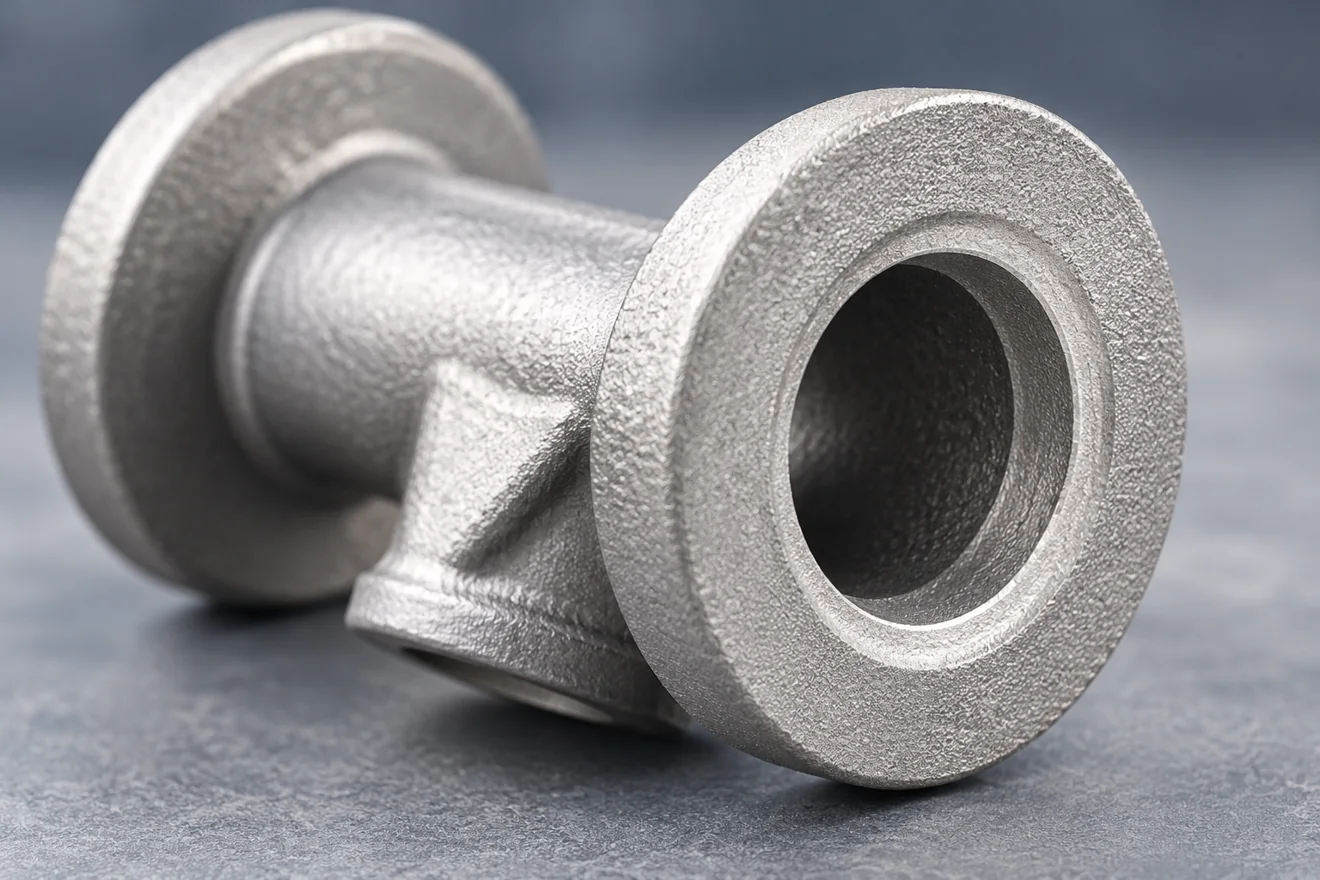
03 / 10Component decisions
Locate the Places Where Residue Can Remain
Mark the hidden features that matter to your system. A general clean-parts instruction does not tell the workshop which internal areas need special attention.
| Internal feature | Typical concern | Requirement to specify |
|---|---|---|
| Intersecting drilled holes | Burrs at the breakout | Access, edge acceptance and inspection method |
| Cast passage | Retained shell or molding residue | Cleanup route and accessible inspection areas |
| Blind recess | Trapped chips or cleaning fluid | Permitted residual condition and drying |
| Threaded connection | Chips or damaged thread entries | Thread condition and protected delivery state |
Plan Cleanup Around the Actual Passage Access
Casting cleanup removes the relevant mold or shell residue before the component reaches its final supplied state.
- Access map
- Operation finish
- Cleaning scope
- Preserve condition
- Separate shell residue from newly formed burrs
- Use an access-based cleaning and inspection plan
Open the manufacturing route and detailed review
Separate shell residue from newly formed burrs
Later drilling and thread cutting can create new burrs at intersecting passages. Those are separate sources of contamination, so the cleaning sequence must address both the formed cavity and the effects of subsequent machining.
Use an access-based cleaning and inspection plan
Relia's review follows the actual access path rather than applying one outside deburring instruction to the whole fitting. Define inaccessible corners, allowable edge condition and any agreed visual or cleanliness check. If a requirement cannot be reached or verified through the available openings, the route or geometry needs review before the condition is promised.
Remove Machining Burrs Before the Final Passage Cleaning
Map the passage in section and identify each place where a tool breaks into another opening. The breakthrough edge may lie beyond the visible mouth, so a useful deburring instruction names that intersection and the available access. The proposed method must suit the metal, opening size and protected internal geometry.
Relia discusses the removal sequence and the evidence needed to accept the result. Optical viewing, residue assessment or another specified check addresses a particular requirement; no single outside photograph proves all internal regions. Final cleaning follows the operations that generate debris, then the agreed handling and opening protection preserve the accepted state through packing.
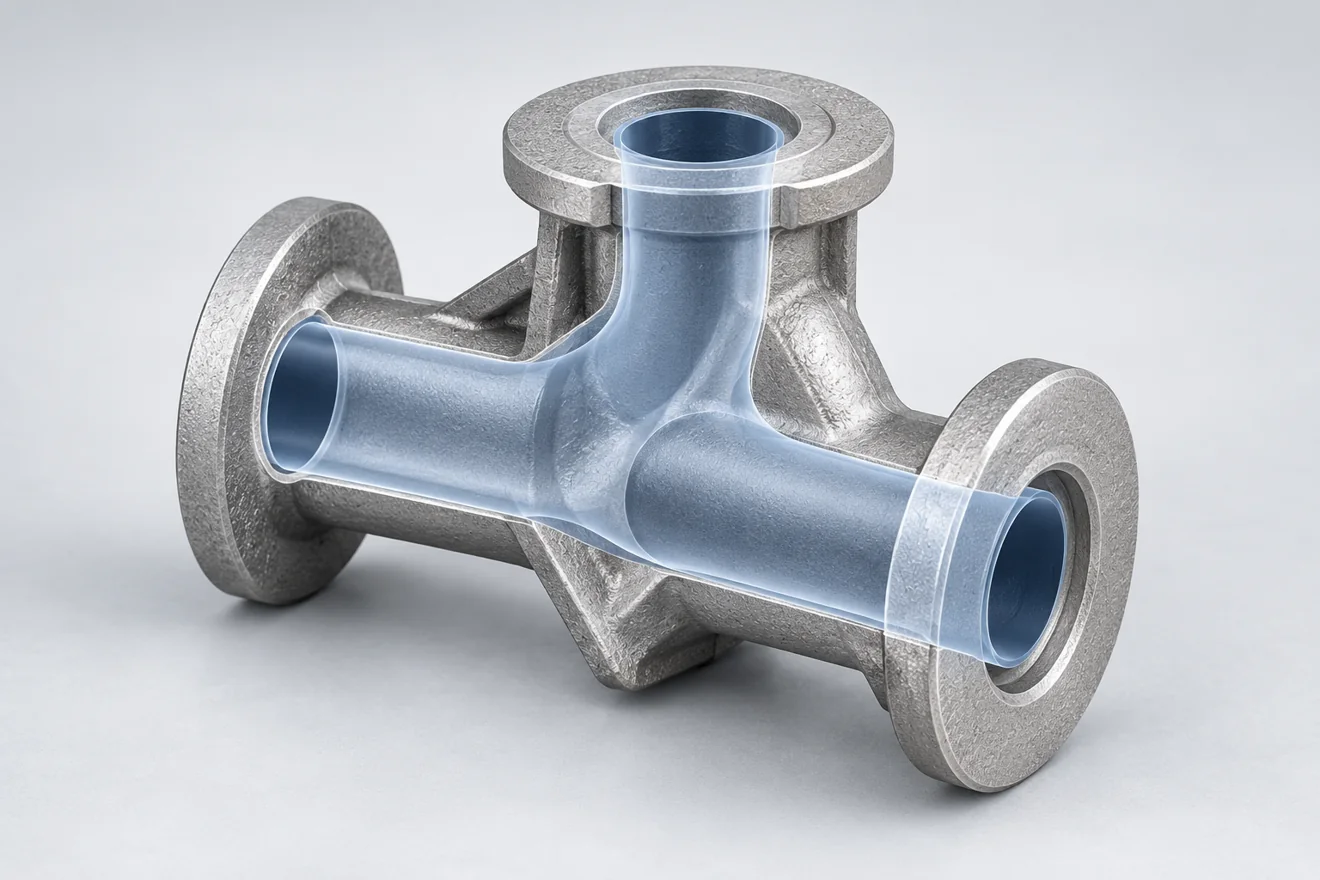
06 / 10Component decisions
Keep Cleaning Acceptance Connected to Final Packing
A part can be cleaned and then contaminated during handling. Include the condition at packing, together with protection for openings or sensitive surfaces.
| Step | Focus | Agreed result |
|---|---|---|
| Geometry review | Expose difficult internal areas in section views | Deburring and cleaning access plan |
| Final machining | Complete operations that produce chips or burrs | Machined internal and connection features |
| Cleanup and verification | Apply the order-defined removal and check method | Required residue or edge acceptance |
| Protection | Preserve the accepted internal state | Packing and opening-protection requirements |
Inspection Matches the Region and Criterion
Agree how the specified regions will be checked and which limitations remain. A readily visible outer opening does not establish the state of every internal intersection. Any required record should identify the component, coverage, method and acceptance basis rather than reporting a general visual pass without context.
Show how the proposed operation reaches the burr or retained residue without damaging the passage.
State how that same region is checked and which coverage limitations remain.
Final Handling Preserves the Accepted Condition
Define any cleaning, drying, closure and packing requirements needed after the final operation. Protecting openings can help preserve the agreed supplied state during handling and transport. Any special preservation or residue restriction belongs in the order so it is not introduced after components have already been packed.
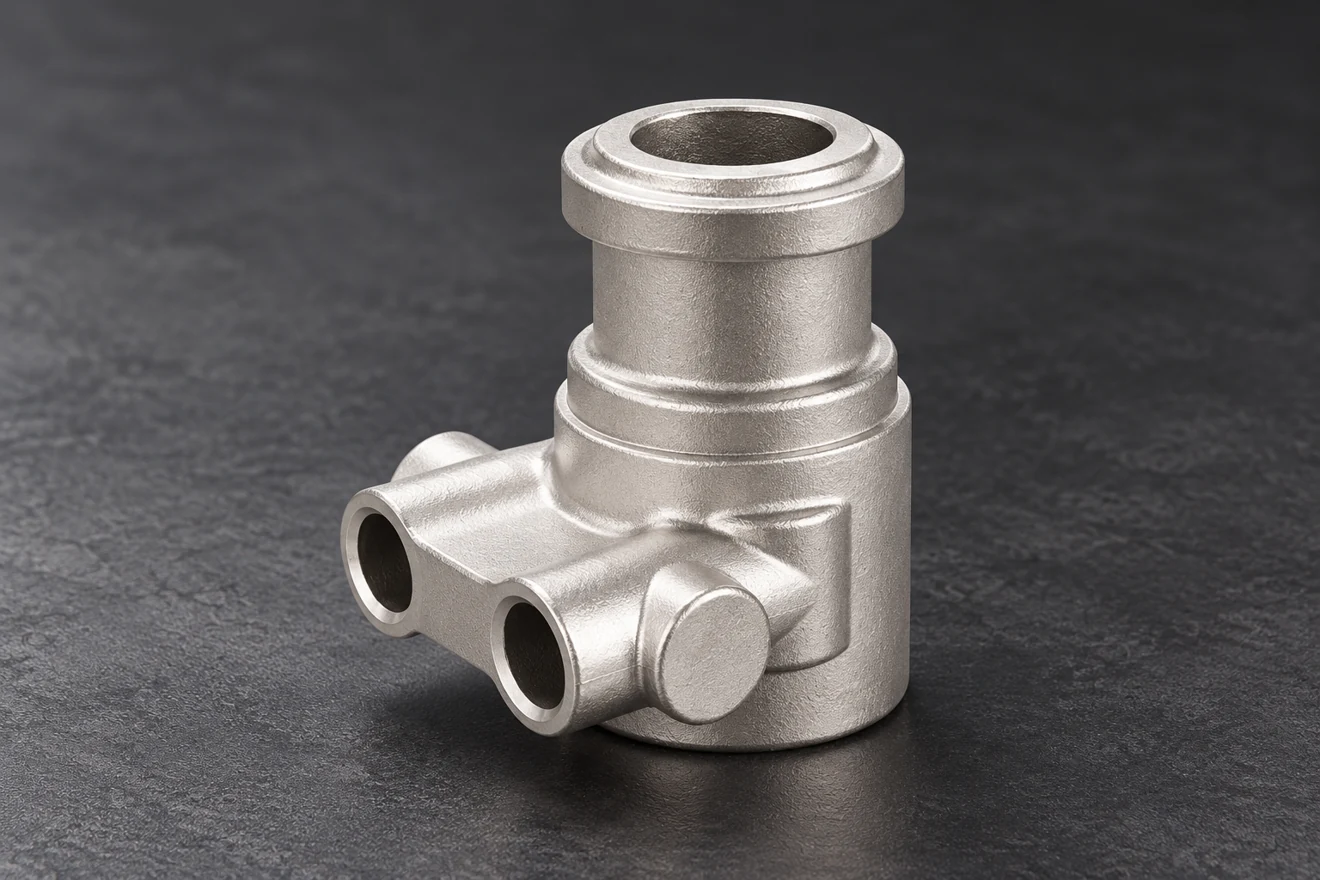
Send the Details for Your Component Review
Tell us what you need to buy and the condition you need to receive. Relia Casting will review the component, manufacturing scope and requested evidence with you before an order is agreed.
- Model and internal section views
- Marked burr and residue regions
- Material and final supplied state
- Applicable cleanliness and inspection criteria
- Quantities and packing restrictions
No. 96 Shuyuan Road, Qingdao, Shandong, China
About our component supply · Contact details and project enquiry