
01 / 10 · Finish in the required condition
Heat Treatment and Machining Sequence for Precision Cast Parts
The required material condition and final geometry must meet at the same delivered part. Relia reviews heat treatment, preliminary cutting, remaining stock and measurement stages for your casting. Agree the actual route for the selected grade and shape before finishing critical bores or faces.
Relia reviews your selected grade, required condition and component geometry to define the actual route. There is no single treatment-and-machining sequence suitable for every alloy and shape.
Review your treatment and machining route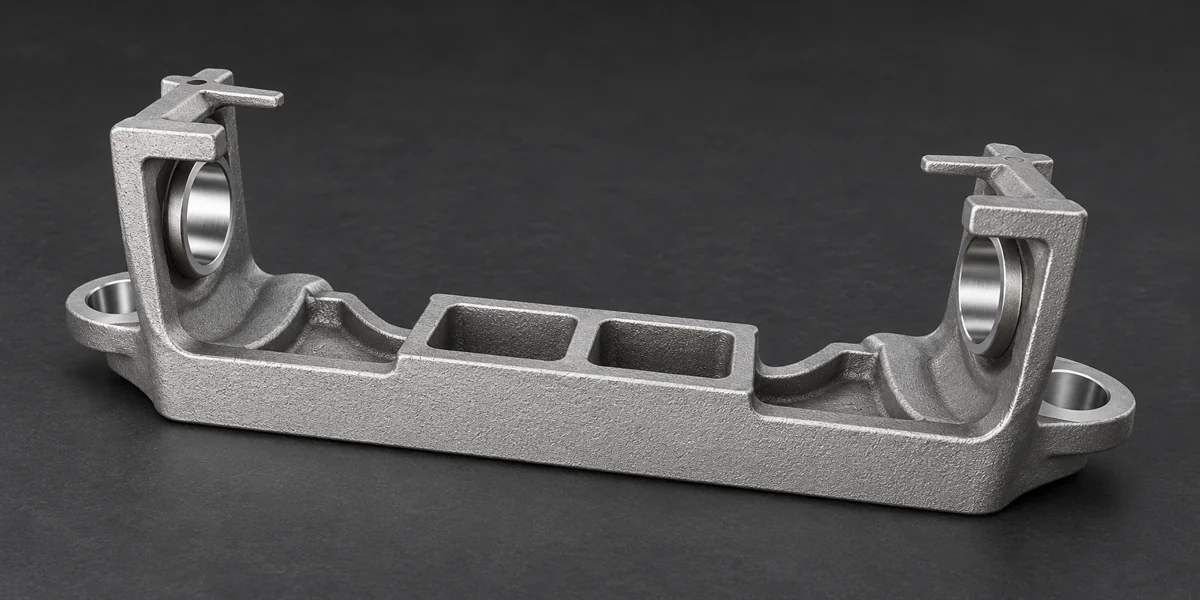
02 / 10 · Coordinated factory route
The Final Condition Determines the Operation Plan
Relia performs heat treatment and machining within our own factory scope. The order-specific route identifies the treatment condition, intermediate checks and final finishing stages.
Material and required delivered condition.
Treatment, machining and remaining stock.
Geometry and agreed material evidence at the specified stage.
03 / 10 · Material basis
The Material and Required Treatment Condition
State the casting grade, applicable specification and required supplied condition. Identify hardness, properties or records required by the order rather than use a general heat-treated description.
The treatment proposal follows that material requirement. Any proposed change to grade or condition needs your engineering approval.
Define the specified condition of heat-treated alloy-steel castings04 / 10 · Geometry review
Geometry Sensitive to Movement
Related features
Paired bores, long faces and mounting patterns that must remain aligned.
Local sections
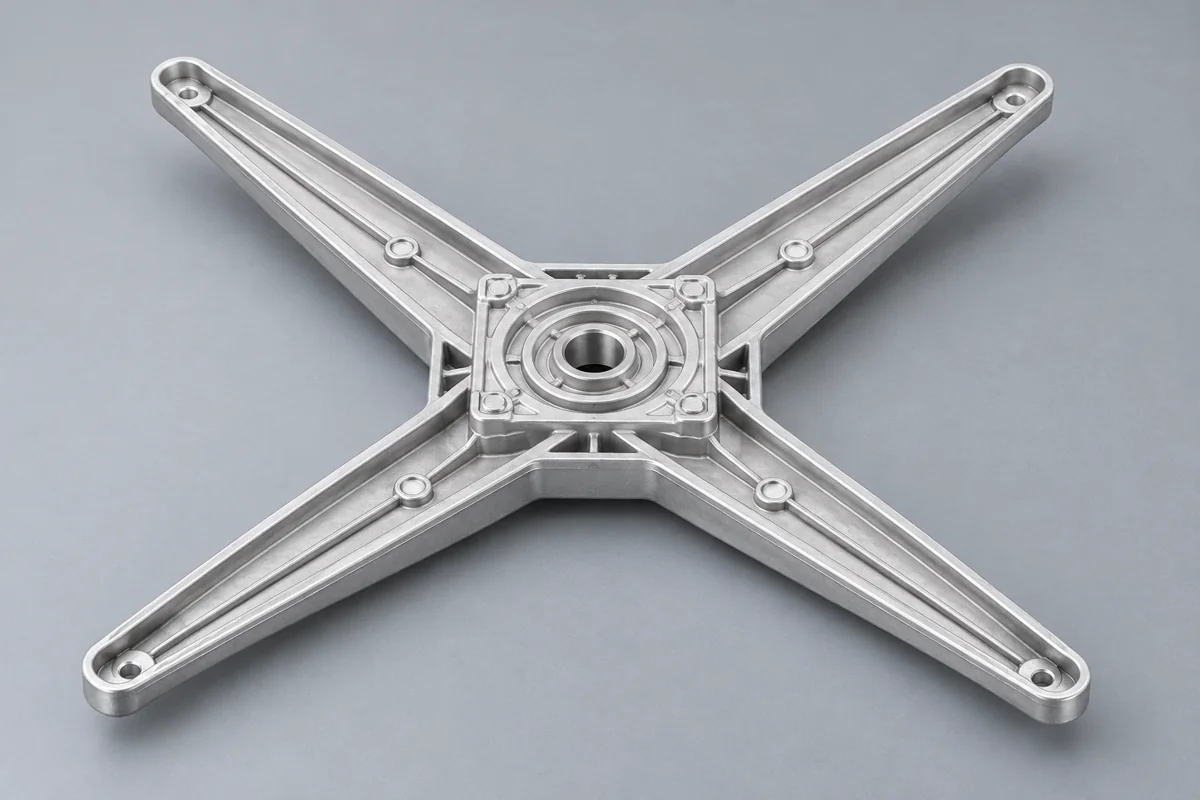
Thin arms, thick bosses and asymmetric stock-removal regions.
Mark the relationships that matter to assembly and the condition in which they are measured. Consider support and clamping in both production and inspection.
Keep intermediate readings distinct from final acceptance
An in-process measurement describes that stage. It does not replace final checks after the operations that establish the delivered condition.
05 / 10 · Stock planning
Rough Machining and Remaining Stock
Where rough machining is part of the agreed route, identify its purpose, references and the stock retained for later finishing. Review the whole component rather than one nominal face allowance.
Do not finish a protected interface early without considering subsequent treatment or operations. Keep the required final envelope and wall sections visible in the plan.
06 / 10 · Intermediate gate
Treatment and Intermediate Remeasurement
Identify the treatment and machining operations completed.
Measure the agreed references and remaining stock.
Resolve departures before final finishing proceeds.
The route may place treatment before or between machining stages according to the actual grade and requirements. The approved plan determines the sequence.
07 / 10 · Delivered part
Final Machining and Acceptance
Final geometry
Specified bores, faces and relationships in the delivered state.
Required records
Agreed dimensional and material-condition evidence linked to the order.
Relia can provide key dimensional records with features and sampling frequency agreed per order. Later coating or other finishing requirements are included when they affect acceptance.
Connect the casting route to CNC interface finishing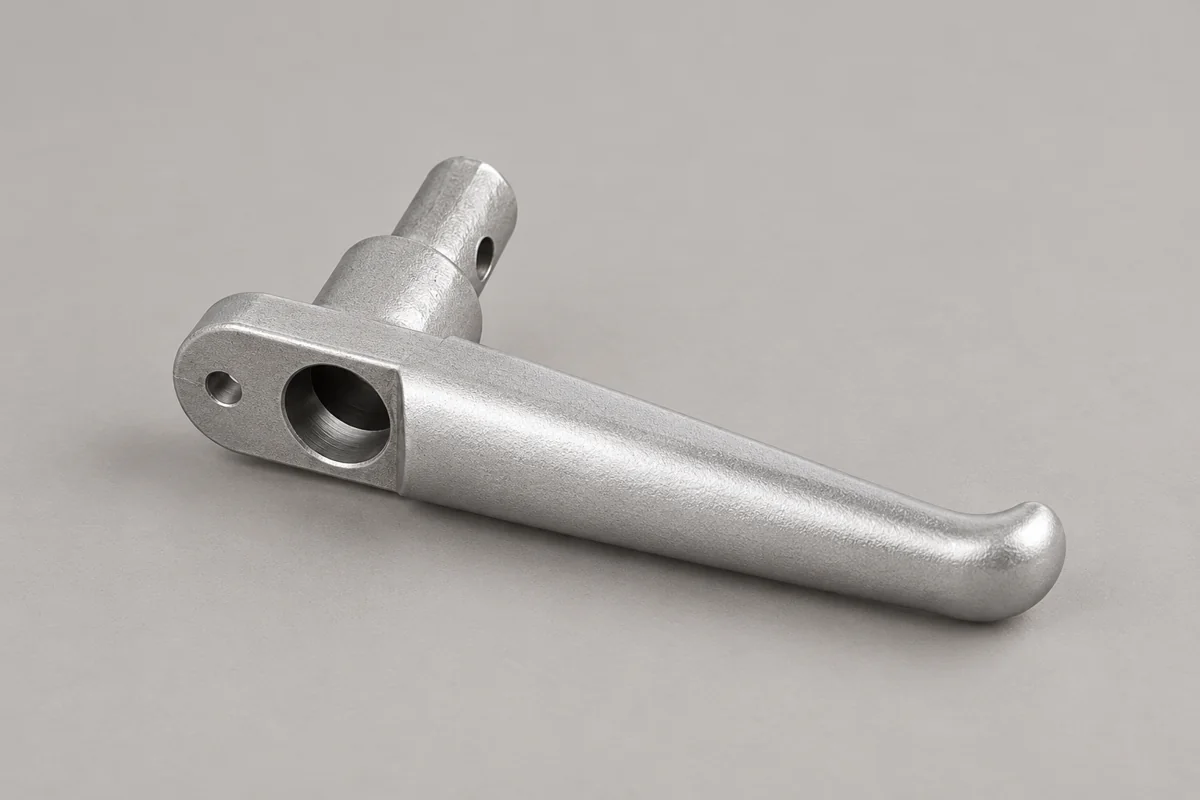
08 / 10 · Component references
Bored and Slotted Component References
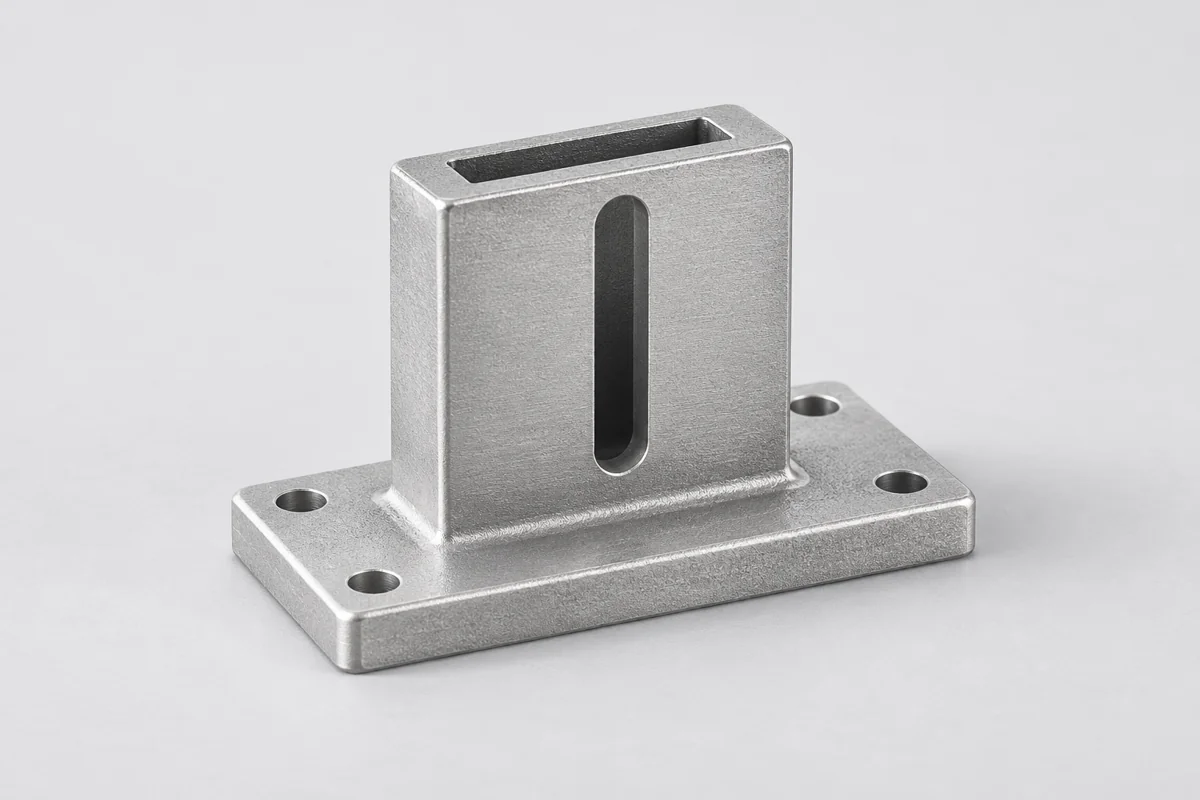
Start with the related mounting form, then supply the actual material and final requirements. An illustration does not establish a heat-treatment result for your component.
View paired-bore support casting enquiriesView slotted and precision-component enquiriesMap local stock before machining09 / 10 · Production release
Approve the Route and Measurement Stages
Material condition, route and intermediate checks.
Sample evidence in the defined final condition.
Batch production after customer sample approval.
Changes to grade, treatment or important geometry return to the controlled route review.
10 / 10 · Start a sequence review
Share Material Condition and Critical Geometry
Send Relia the drawing, grade, required treatment condition and quantities. Identify distortion-sensitive relationships, planned machining stages and the final records needed by your team.
Email the operation-route brief- [email protected]
- Phone
- +86 185 6176 2631
- +1 404 203 0971
- Company and address
- Relia Casting
No. 96 Shuyuan Road
Qingdao, Shandong, China