
01 / 10 · Clean edges without losing function
Edge Break and Burr Limits on Precision Cast Interfaces
Keep the sealing land or thin wall intact while removing the unwanted burr. Relia reviews local cleanup and edge-break requirements on precision cast interfaces. Mark the allowed change at hole entrances, shoulders and internal intersections rather than relying on an unrestricted instruction to deburr.
Relia reviews casting cleanup and machining burrs as local geometry requirements. The approved edge map stays with the drawing and sample acceptance.
Review your protected edges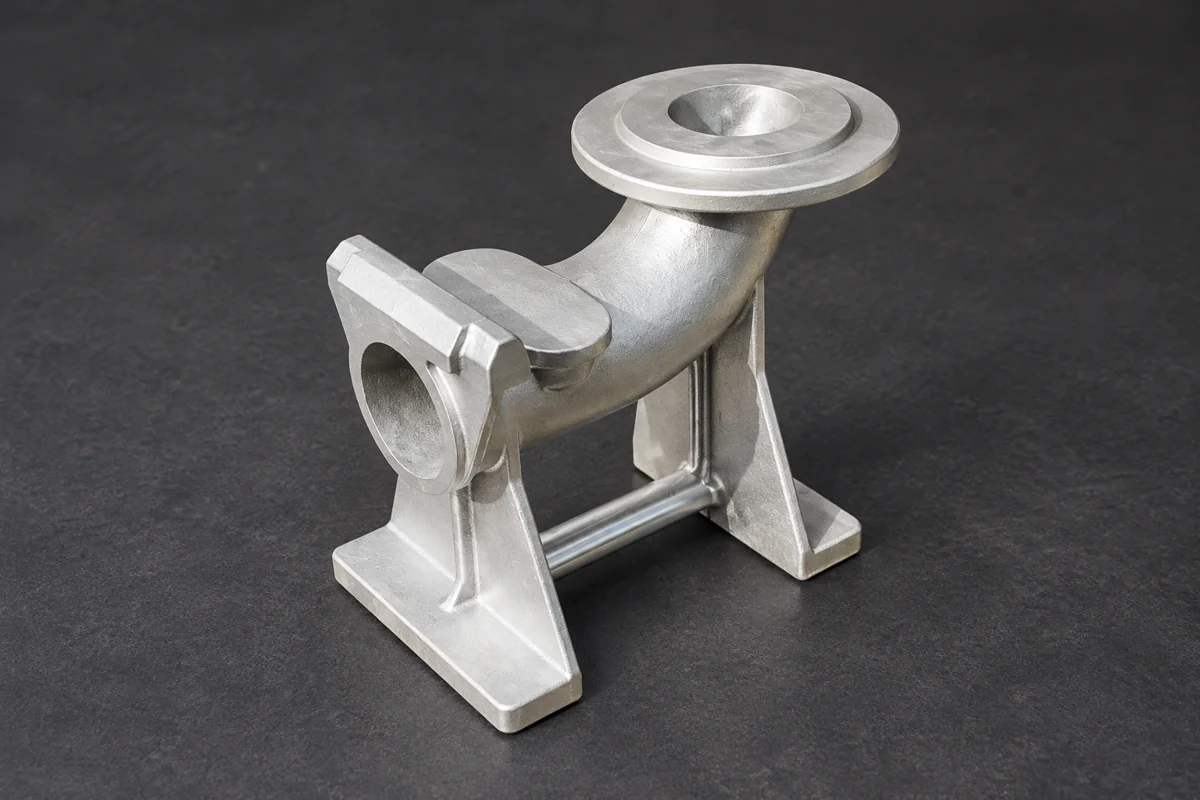
02 / 10 · Factory finishing scope
Cleanup That Preserves the Designed Edge
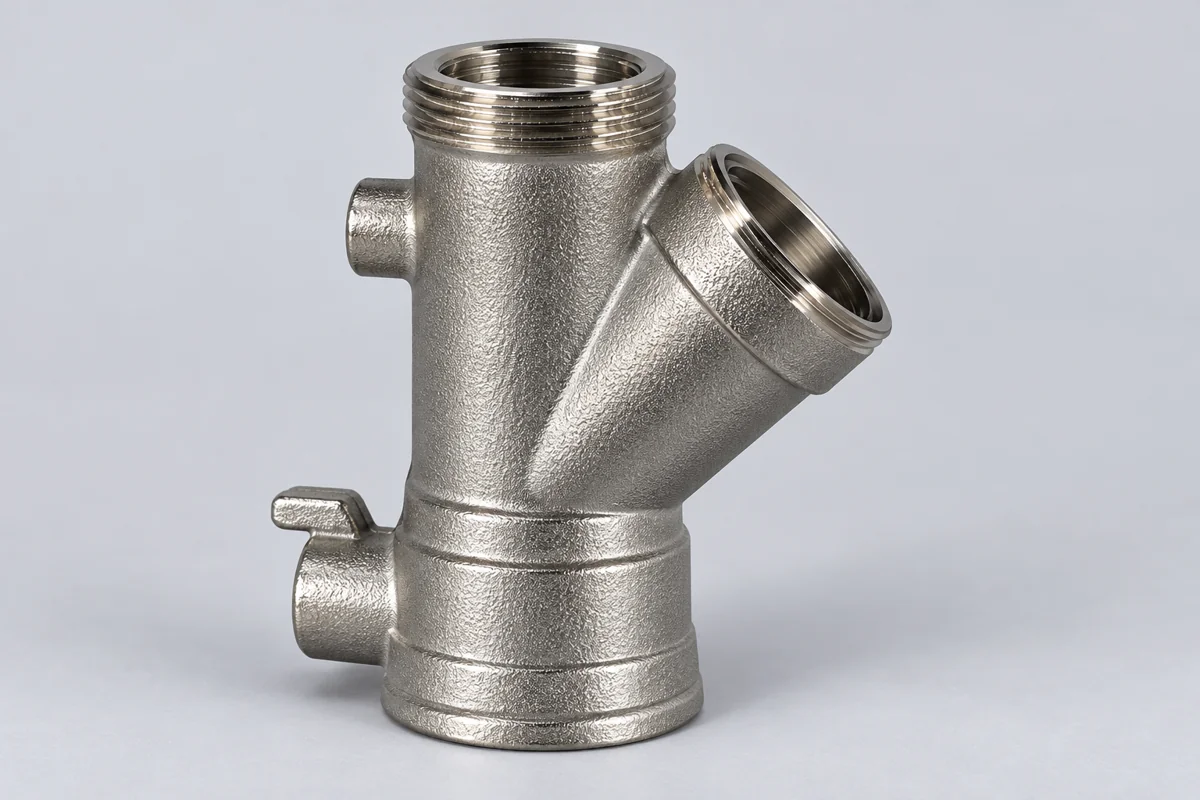
Relia connects deburring to the final component requirement. A general instruction to break all edges is insufficient where an edge controls a seal, a fit or a remaining thin section.
Specified burrs and unwanted attached material.
The allowed local chamfer, radius or other edge change.
Functional contacts and the required remaining section.
03 / 10 · Functional boundary
Sealing Holes and Thin-Wall Boundaries
Identify the sealing mechanism and mating part. Mark the hole entrance, sealing land, thread start and nearby thin regions where finishing can change the intended contact.
Include internal intersections that are not visible from the outside. Specify the required cleanup without assuming that a larger chamfer is always acceptable.
Connect edge cleanup to passage cleanliness04 / 10 · Controlled edge classes
Edges to Break and Edges to Protect
Apply the controlled drawing's general requirement where applicable.
Give explicit dimensions or limits at critical entrances and transitions.
Retain designated lands, sharp features or minimum wall sections.
Resolve conflicting notes before production. The edge map should make the applicable instruction clear at each critical location.
Define acceptance for inaccessible edges
Agree the permitted tool approach and inspection method. Record any access limitation before approving samples rather than leaving an unseen edge to an undefined general instruction.
05 / 10 · Two sources of unwanted material
Casting Cleanup and Machining Burrs
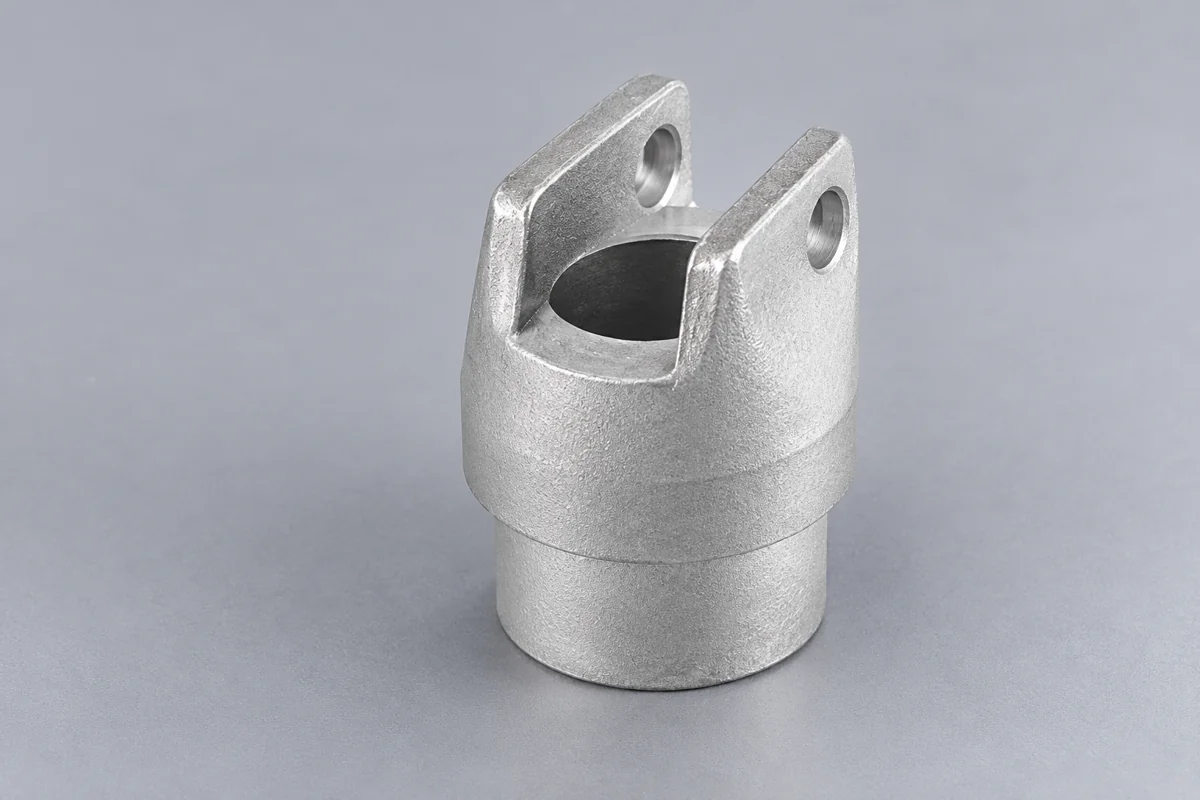
Casting cleanup addresses features such as parting flash or the agreed gate-removal region. Drilling and milling can create new burrs at exits and intersecting openings.
Include the finishing stage after the operation that creates the burr. Removing attached material and removing loose debris are related but distinct parts of the final scope.
06 / 10 · Finishing access
Access for Local Finishing
Tool reach
Review the actual entrance, exit and internal intersection.
Protected contact
Keep the finishing action within the approved region.
Agree the method around the material, geometry and delivered condition. A tool that reaches the edge can still affect an adjacent functional surface if its permitted action is undefined.
Connect drilling, milling and final interface finishing07 / 10 · Evidence for the edge
Sample Visual and Dimensional Acceptance
Agree viewing access and the reference for a remaining burr.
Verify required edge limits and protected material where specified.
Link sample identity, drawing revision and inspected locations.
Relia agrees key dimensional records and sampling frequency per order. A photograph can support the visual discussion but does not replace a required dimensional check.
08 / 10 · Related interfaces
Fitting and Flanged Body References
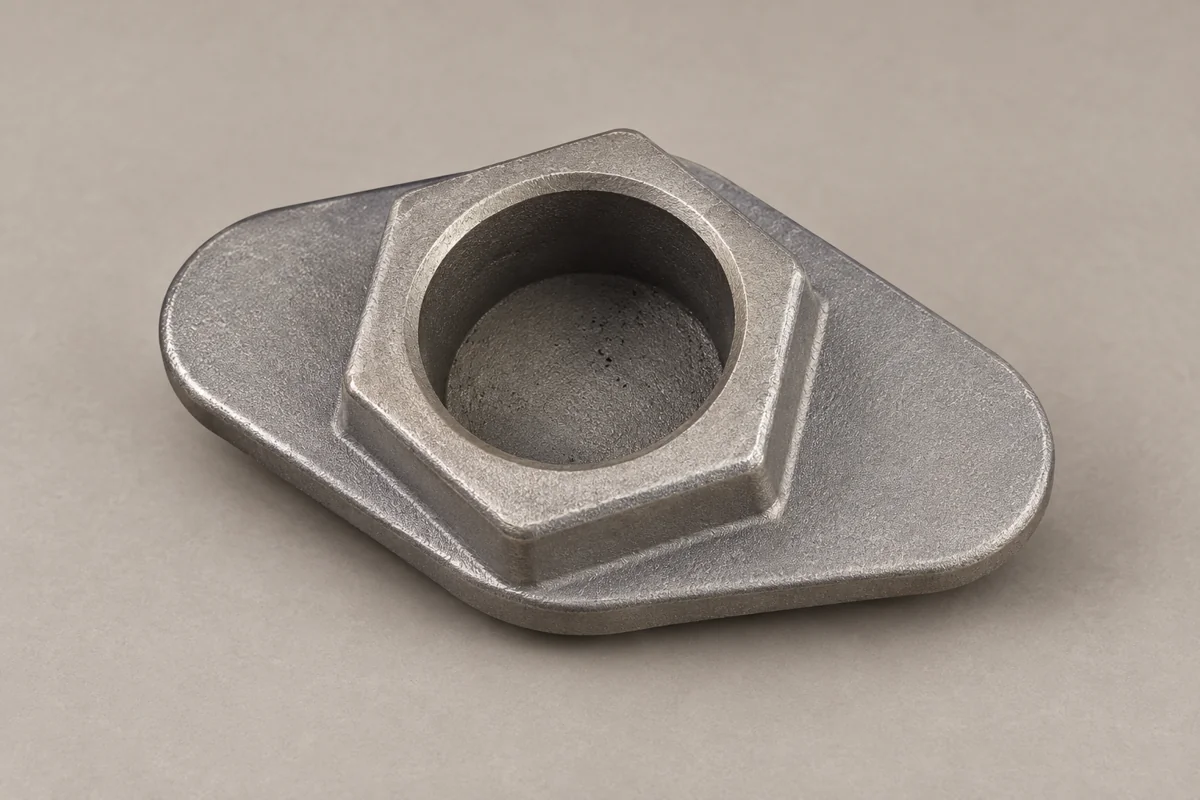
Use the fitting or flanged-body form to explain the interface. Supply your actual sealing arrangement, edge requirements and protected surface zones.
View flanged body interface enquiriesView threaded fitting casting enquiriesSeparate roughness from visual finish09 / 10 · Production control
Release the Edge Map with the Drawing
Approved sample
Accepted local edge condition and required evidence.
Repeat release
The same drawing, edge map and finishing requirement.
Customer sample approval precedes batch production. A new seal, hole size or finishing route triggers review of the affected edge instructions.
10 / 10 · Start the edge review
Send Edge Requirements and Protected Surface Zones
Send Relia the drawing, material and quantities. Mark local edge limits, sealing contacts, thin-wall regions and the evidence needed before assembly.
Email the protected-edge brief- [email protected]
- Phone
- +86 185 6176 2631
- +1 404 203 0971
- Company and address
- Relia Casting
No. 96 Shuyuan Road
Qingdao, Shandong, China