
Alloy Steel Castings in a Specified Heat-Treated Condition

Order an alloy-steel casting with its required heat-treated condition and finished interfaces defined together. Send Relia the grade and standard, drawing revision, quantity and acceptance requirements. We review heat treatment in our Qingdao factory alongside rough and final machining, so the quotation identifies the part state you will receive and the records agreed for that order.
Read the overview and page sections
Send the actual material standard, property requirements and finished drawing. We connect those requirements to the casting sections, machining stock and acceptance stage, so the component is purchased in the state your application needs rather than only under an alloy name.
The Required Material State Leads the Production Route
Relia performs order-agreed heat treatment in its own factory and relates that work to the selected casting grade. The treatment requirement, machining stage and final dimensional checks describe the same component. We keep material-property evidence separate from dimensional evidence, so a hardness or material result is not treated as proof that the final bore or mounting face is correct.
- Material state
- Grade, specified treatment and required properties.Agree the material and treatment record.
- Casting integrity
- Named zones, method and acceptance criteria.Agree applicable examination evidence.
- Finished geometry
- Bores, faces and relationships after relevant treatment.Agree drawing-linked dimensional results.
Release is based on the agreed set. A hardness result alone does not accept a bore or an examination zone.
03 / 10Component decisions
Specify the Material State You Intend to Receive
The same alloy family can be supplied in different conditions. Keep the final property requirement and the stage of measurement in the purchase definition.
| Specification item | State explicitly | Acceptance basis |
|---|---|---|
| Cast grade | Actual standard and grade designation | Material record linked to the ordered casting |
| Treatment | Required condition and applicable processing requirement | Agreed treatment and property evidence |
| Test requirement | Property, location and specimen basis where applicable | Named method and acceptance criteria |
| Finished geometry | Interfaces accepted after relevant treatment | Final dimensions from the drawing datums |
Place Heat Treatment Within the Finishing Sequence
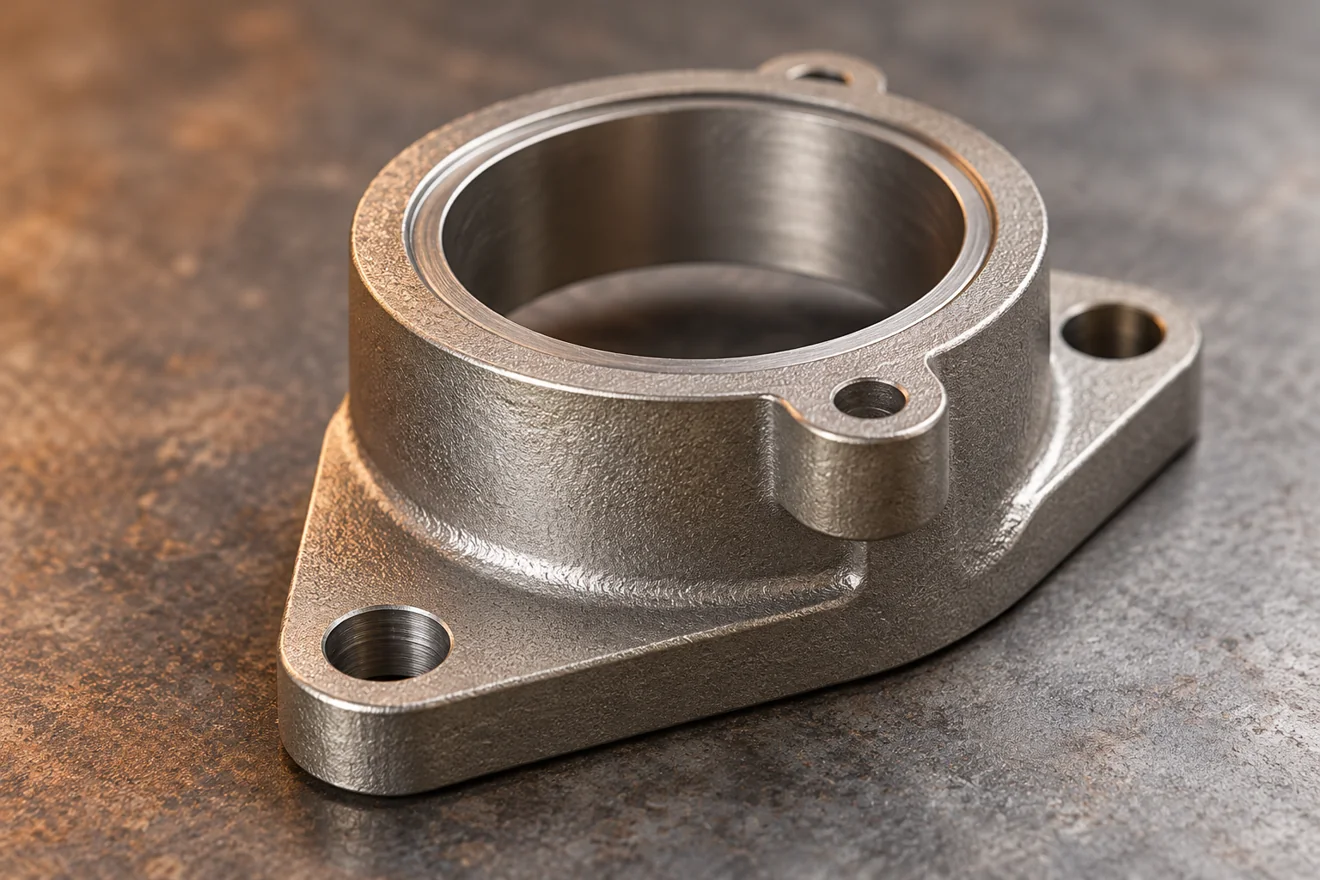
A treatment route is selected for the ordered steel and required condition.
- Select treatment for the ordered steel condition
- Leave stock for the final interfaces
Open the manufacturing route and detailed review
Select treatment for the ordered steel condition
Normalising, quenching and tempering are different operations; they are not interchangeable items on a standard menu. Heating and cooling can change dimensions, so rough machining, treatment and final cuts must be arranged around the actual component rather than specified independently.
Leave stock for the final interfaces
Relia's review identifies the interfaces that need to be finished after the relevant thermal stage and the stock required to recover them. Property checks and dimensional checks then refer to the required delivered condition. The requested test location, method and record should be stated where they matter to acceptance.
Place Critical Finishing After the Relevant Material Changes
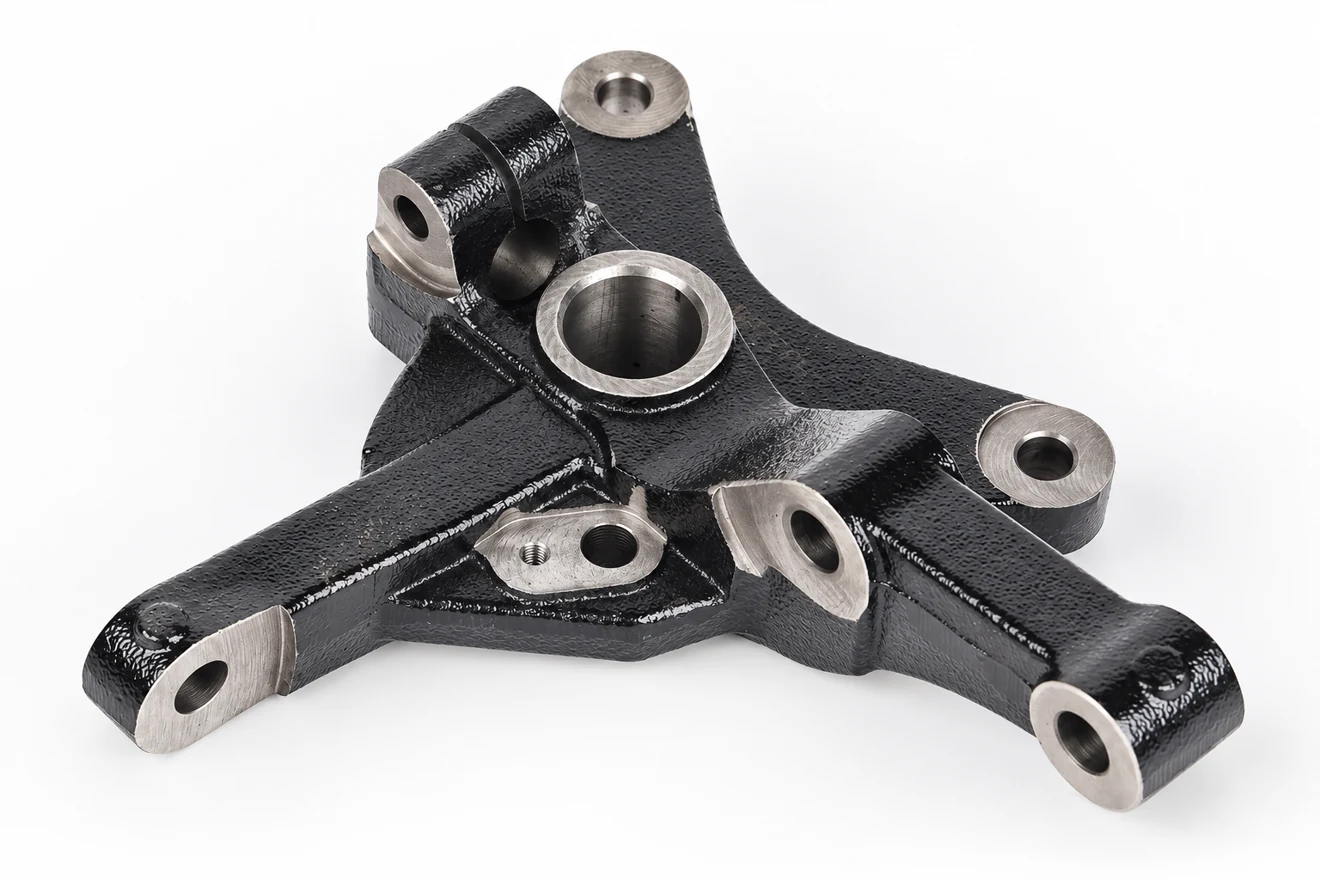
The treatment sequence depends on the selected alloy and required condition. Rough machining may establish access or leave stock for later finishing, while thermal processing can affect shape and surface. A bore completed too early may no longer represent the finished drawing after the affecting operation.
Relia reviews which cuts precede treatment and which establish the final contacts afterward. Identify the local stock, relevant hardness or other property requirement, and the stage used for acceptance. The sample then connects the ordered material condition with the finished geometry; the illustrated component does not supply a universal treatment cycle or hardness value.
06 / 10Component decisions
Leave Critical Finishing After the Relevant Treatment
Treatment can change shape or surface condition. Plan sufficient stock and identify any checks needed before finishing dimensions that must remain stable.
| Stage | Manufacturing focus | Handoff requirement |
|---|---|---|
| Cast blank | Sections, feed paths and machining stock | A blank that supports the intended route |
| Specified treatment | Required material condition for this grade | Identifiable treatment and test scope |
| CNC finishing | Restore or establish final contacts where required | Finished bores, faces and relationships |
| Release review | Link geometry and material results | Part, revision and lot on agreed records |
Integrity Requirements Identify the Relevant Zones
Where casting integrity matters, mark the examination zones and the stage at which they must be checked. Agree the method, coverage and criteria with the project requirements. Material testing and nondestructive examination answer different questions; neither is substituted for the other without an approved technical basis.
The Record Package Describes the Supplied State
Agree material identification, treatment evidence and the actual tests or dimensional records required. Keep these linked to the part revision and batch. Do not confuse a supplier's general certification field with a part-specific report or an approval required by your customer.
Send the Details for Your Component Review
Tell us what you need to buy and the condition you need to receive. Relia Casting will review the component, manufacturing scope and requested evidence with you before an order is agreed.
- Drawing and actual casting grade
- Required heat-treated or supplied state
- Applicable material tests and sampling
- Finished interfaces and integrity zones
- Quantity and required evidence
No. 96 Shuyuan Road, Qingdao, Shandong, China
About our component supply · Contact details and project enquiry