
Alloy Steel Castings with Defined Material Condition
Relia reviews alloy-steel castings with the grade, delivered material condition and working features defined together. Order-agreed heat treatment is carried out in our factory, with final machining and inspection positioned around the actual requirement. Specify the properties and component contacts your application needs; no single hardness or strength value applies to every part.
Define the alloy and delivered condition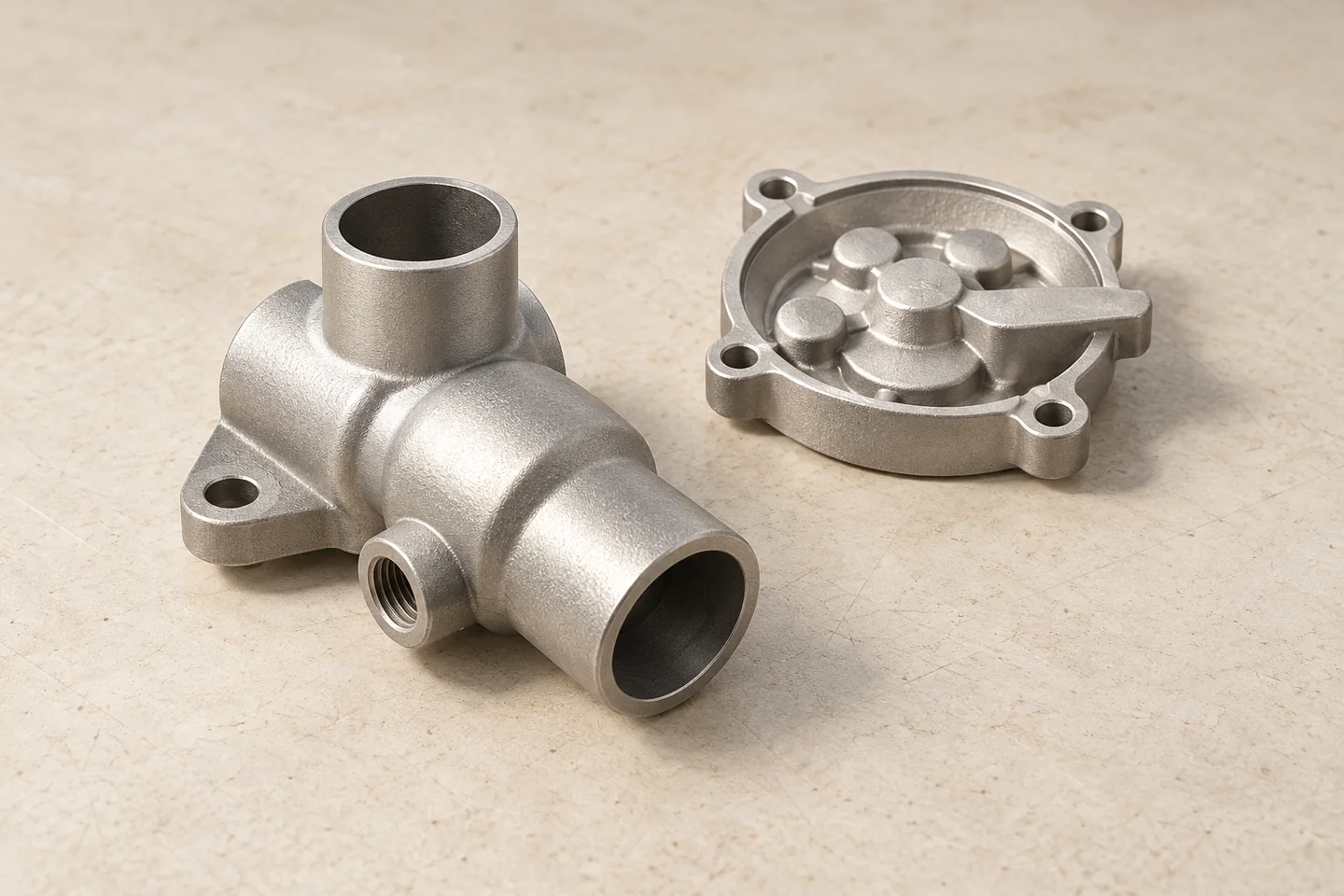
- GradeThe actual cast-steel specification.
- ConditionThe required treatment and property basis.
- GeometryLoaded sections and finished contacts.
Material and Geometry Belong in the Same Review
Relia reviews alloy-steel machinery and engine-component enquiries from the drawing and operating brief. A loaded arm, thick boss and fitted bore raise different questions. Selecting an alloy cannot by itself correct an abrupt junction or missing machining stock. We connect the selected material with the blank route and the features that carry the component’s function.
- DutyLoad direction and relevant operating conditions.
- SectionThe arm, wall and boss arrangement.
- InterfaceThe bore, seat or mounting contact.
The Required Properties Define the Delivery State
The same general alloy family can be ordered in different conditions. State the applicable material specification, required properties and their test basis. Relia performs order-agreed heat treatment in its own factory, with the actual grade and requirement governing the route. A generic treatment menu is not a recipe for every steel component.
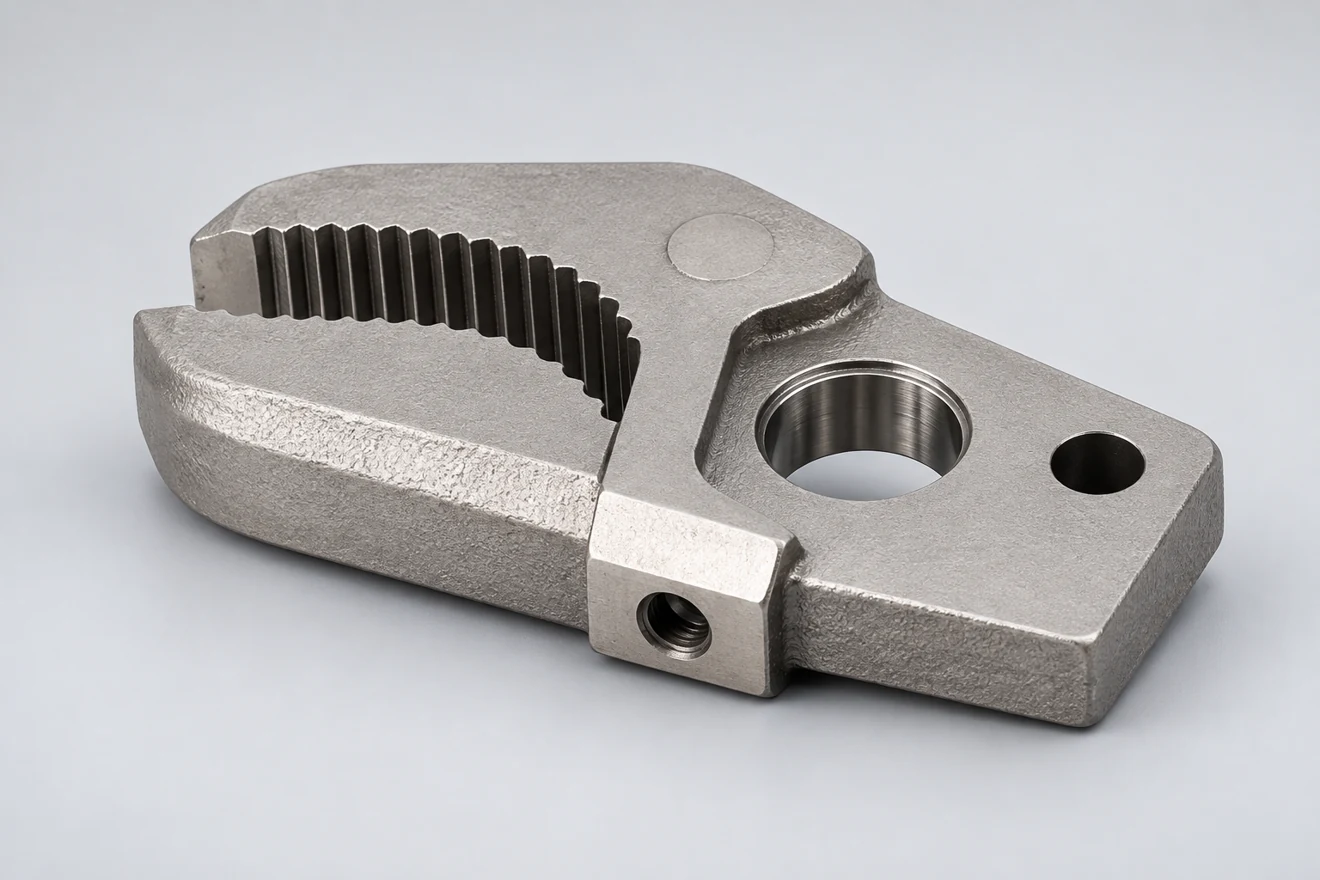
- SpecifyGrade and required material condition.
- ProcessThe order-agreed thermal route.
- VerifyThe applicable property record or result.
Section Transitions Affect More Than the Outside Shape
A heavy boss beside a slender clevis arm changes local filling, feeding and cooling behaviour. Review the transition, functional radius and available surrounding space together. Where a geometry change is proposed, show its effect on the loaded or mating region. The accepted design should remain clear instead of allowing a foundry adjustment to become an unrecorded product change.
- Heavy regionLocal material volume and soundness concern.
- TransitionA practical change of section.
- Functional envelopeContacts and clearances preserved by the proposal.
Thermal Work and Final Machining Need a Sequence
Some cuts establish stock and references; final cuts establish the accepted interfaces. Position the material’s required thermal stages within that plan, allowing for their effects on shape and condition. The multi-arm component illustrates why several bores need coherent references after affecting operations, rather than independent sizes achieved at unrelated stages.
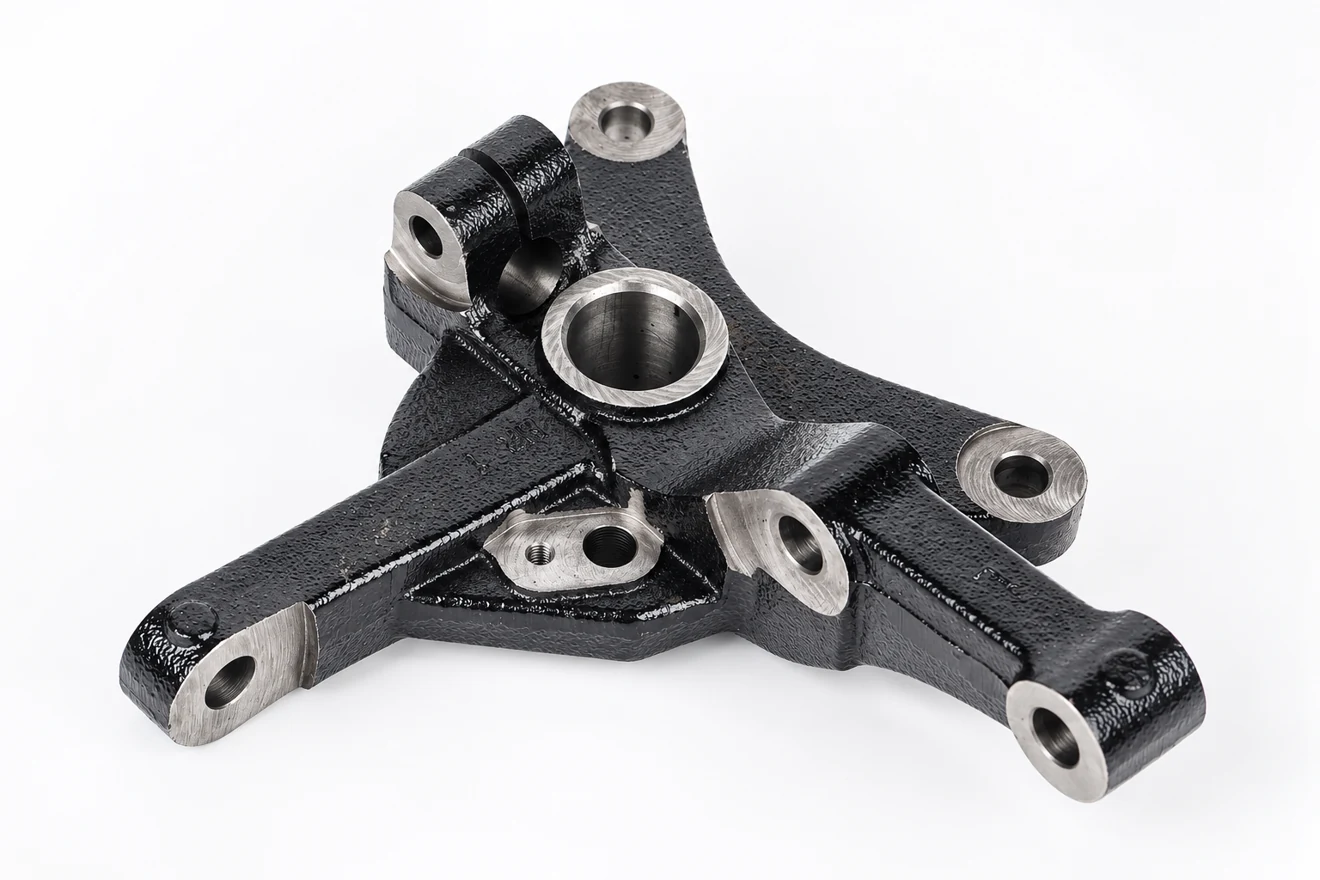
Confirm which dimensions and material records describe the delivered state. A pre-treatment measurement and the final accepted part serve different purposes.
Integrity Checks Target the Relevant Region
The need for examination depends on the specified material and component duty. A thick junction, loaded contact and ordinary clearance surface need not share the same test scope. Identify the concern, method, coverage and acceptance criterion with the drawing. Relia’s order-agreed NDT is performed in its own factory; the scope remains specific to the actual part.
- RegionThe section relevant to the design risk.
- MethodA suitable examination and production stage.
- CriterionThe agreed basis for accepting the result.
Coating Does Not Replace Material or Dimensional Acceptance
A protective exterior may need to stop at a fitted bore, seat or threaded region. Define masking and whether dimensions apply before or after finishing. A coating can conceal the surface being inspected, so its place in the sequence matters. Protect finished contacts and identification through packing so the accepted part remains recognisable at receiving.
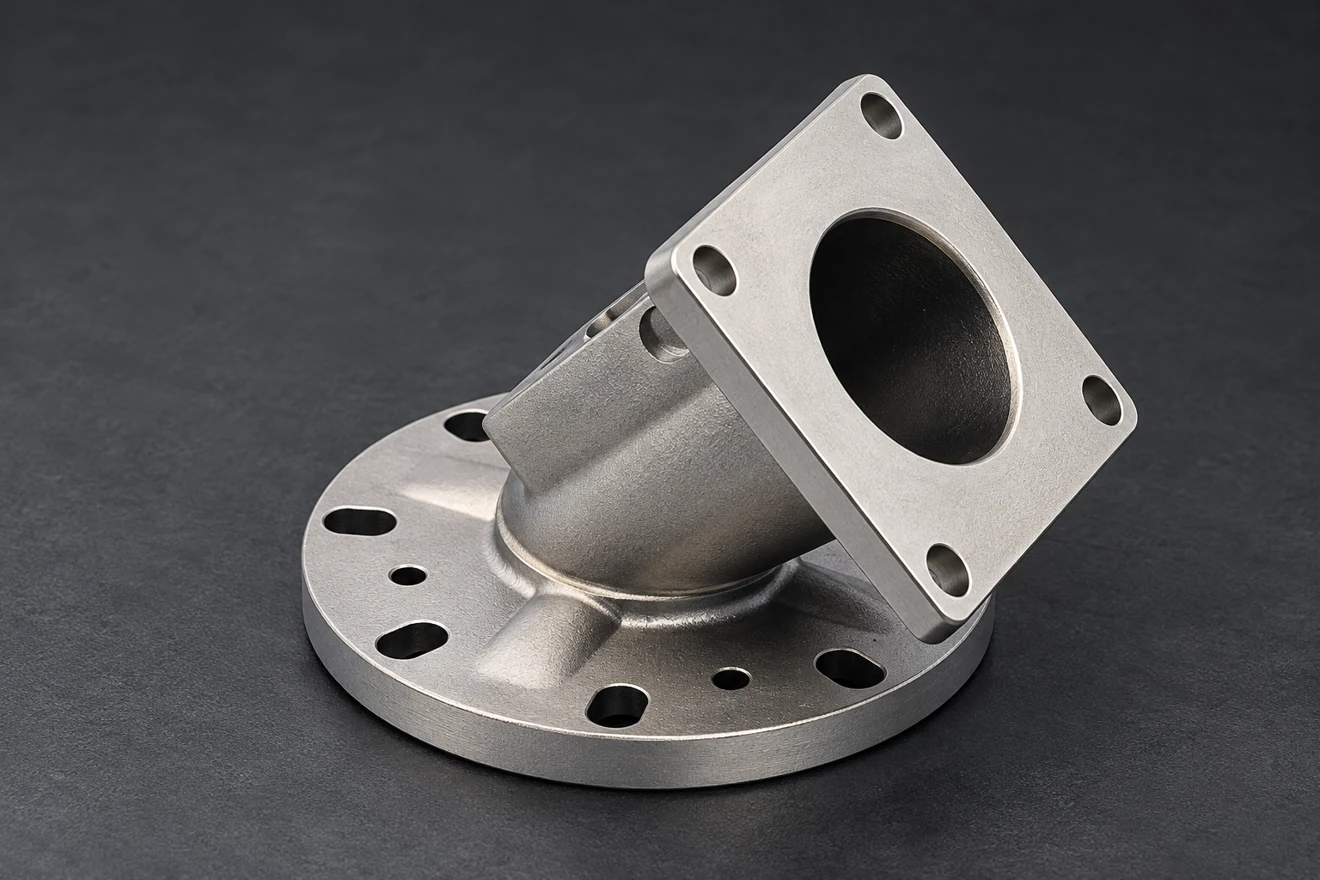
- InspectThe required region at its relevant stage.
- FinishThe specified surface boundary.
- ProtectWorking contacts and material identity.
A Change of Section Can Change the Accepted Route
A new hole, thicker boss or altered arm can affect casting soundness, treatment and workholding even when the material name is unchanged. Compare the revised drawing with the approved sample and identify the checks needing renewal. Key-dimensional records can be supplied with characteristics and sampling agreed per order; sample approval remains linked to the actual revision.
- CompareThe changed region and accepted reference.
- ReviewAffected casting, treatment and CNC steps.
- ReleaseThe evidence required for the revised component.
Use the Material Page and the Condition Guide Together
This overview connects alloy selection with component manufacture. The heat-treated casting guide goes deeper into delivery condition; the NDT page defines examination scope, and the sequencing note addresses the order of thermal and machining stages.
Contact the Casting Team
Provide the cast-steel specification, required condition, component sections and finished drawing. Identify property, examination and loaded-feature requirements.
Qingdao Reliacasting Co., Ltd.
Drawing-based metal castings and CNC-finished OEM components from China.
Qingdao officeNo. 96 Shuyuan Road
Qingdao, Shandong, China
Arrange a project visit with us before travelling.
The released drawing, selected material and agreed order define the supplied component and required acceptance evidence.