
Custom Bronze Sleeves for Defined Shaft and Housing Fits
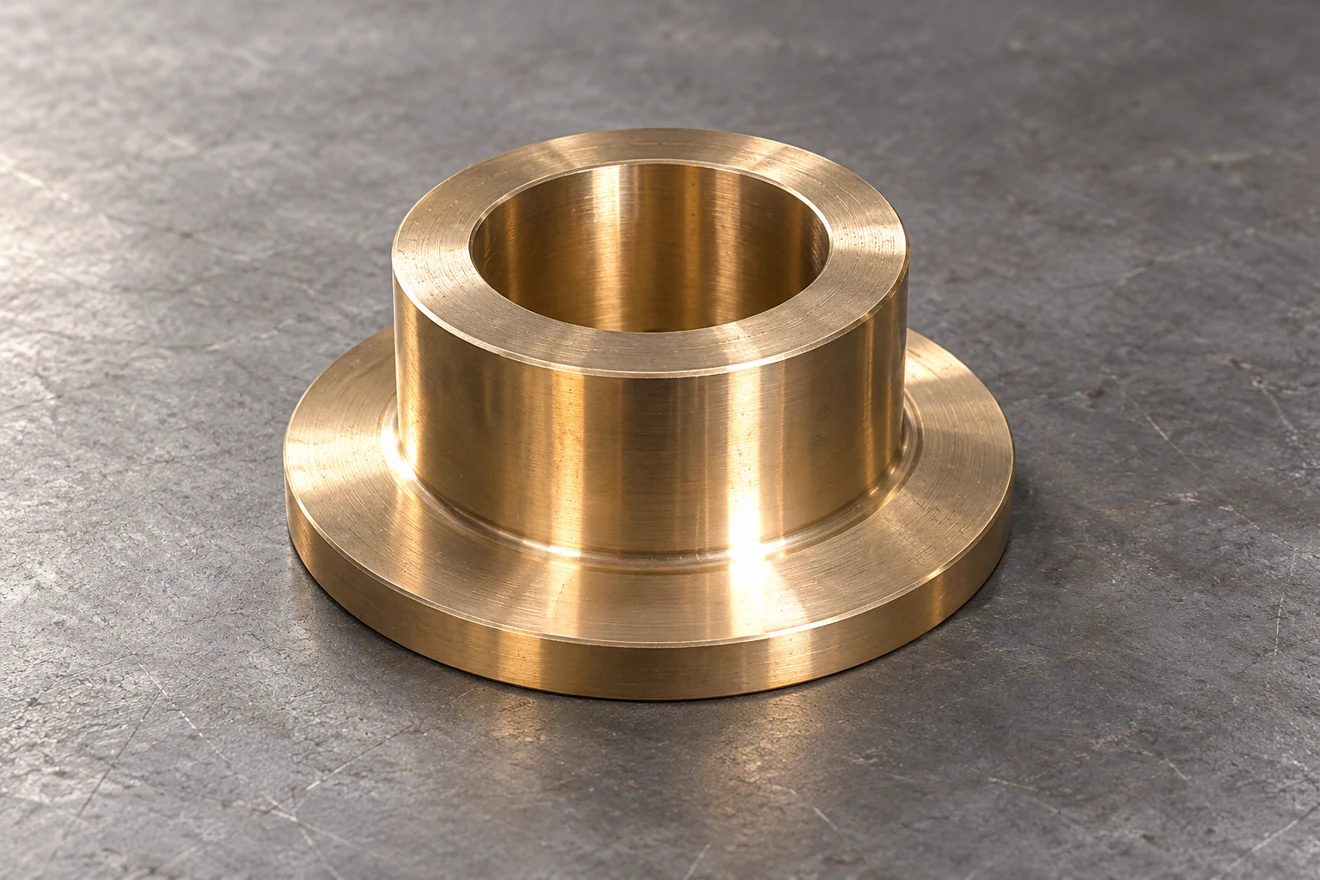
Source a custom bronze sleeve to the shaft and housing it must fit. Give Relia the bronze specification, mating limits, contact length and service brief, and state whether bore acceptance concerns the free sleeve or an agreed installed condition. We review the blank, wall support and finishing sequence around those two fits rather than treating the sleeve as a generic bearing.
Read the overview and page sections
We start with the actual bronze specification, bore, outside diameter, contact length and service conditions, then discuss the blank and finishing route. The result is a component enquiry tied to its sliding and locating interfaces, rather than a generic yellow-metal sleeve.
The Two Mating Fits Define the Sleeve Project
Relia connects the sleeve's inner and outer contacts with its material and machining plan. The bore may serve a moving shaft while the outside locates in another component; those are separate requirements. We review wall thickness, end faces and specified grooves together so the quotation identifies the sleeve supplied and the conditions used for its acceptance.
Free sleeve dimensions and a specified installed bore are different inspection conditions. Identify the one your drawing requires.
Fit Requirements Link the Three Components
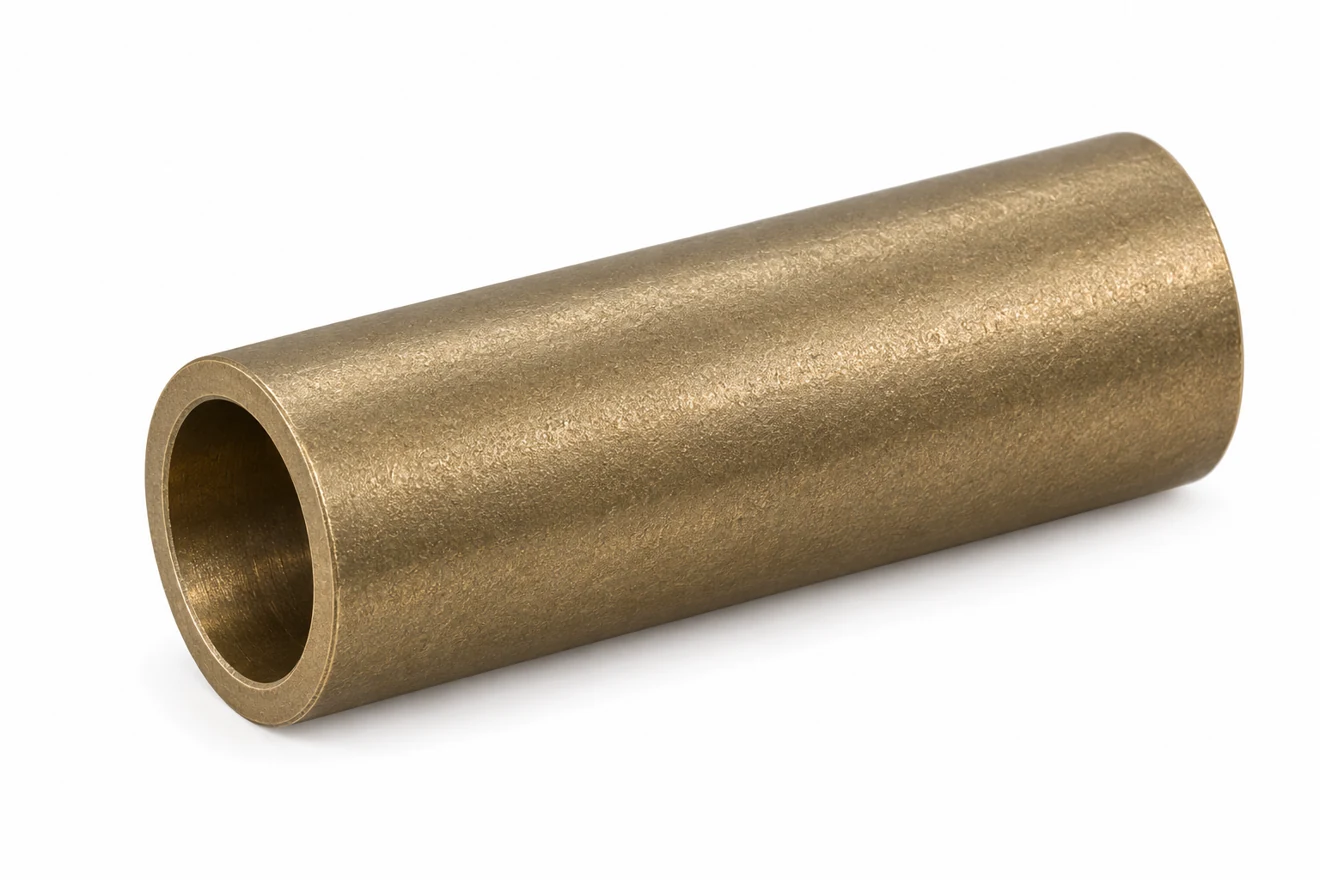
Define the required relationship between the sleeve bore and shaft, and between the outside diameter and housing. Include installation and final-state requirements where they affect acceptance. A sleeve measured loose may not represent the condition you need after fitting, so the inspection basis must be clear.
04 / 10Component decisions
Define the Two Fits and the Contact Length
The sleeve must work with both its shaft and its housing. Describe those mating parts and any change caused by installation or the operating environment.
| Sleeve feature | Input to provide | Finished check |
|---|---|---|
| Inside diameter | Shaft size, required clearance and service condition | Bore size, form and surface finish |
| Outside diameter | Housing size and installation method | Outside fit and relation to the bore |
| Length and ends | Axial location and loaded end contact | Length, squareness and edge condition |
| Groove or lubrication feature | Position and intended lubricant path | Geometry and removal of machining burrs |
Finish the Two Fits Without Distorting the Sleeve
The starting blank needs enough material at both the bore and outside surface. As the wall becomes thinner, the support and clamping arrangement can affect the shape being cut. Establish a useful reference and choose the sequence so that the second fit remains related to the first after the part is released.
Relia reviews end squareness, contact length and any lubricant grooves or openings alongside the diameters. For a pressed-in sleeve, agree whether acceptance refers to the free component or a defined installed condition; the surrounding housing can affect the final bore. Protect the finished contacts during handling, with the actual bronze and service requirement controlling the material choice.
Plan the Blank and Cutting Sequence for Both Fits
The starting blank needs enough stock for the bore and outside surface without leaving an impractical wall for the final cuts.
- Plan the bore and outside fits together
- Protect the bronze sleeve in the acceptance state
Open the manufacturing route and detailed review
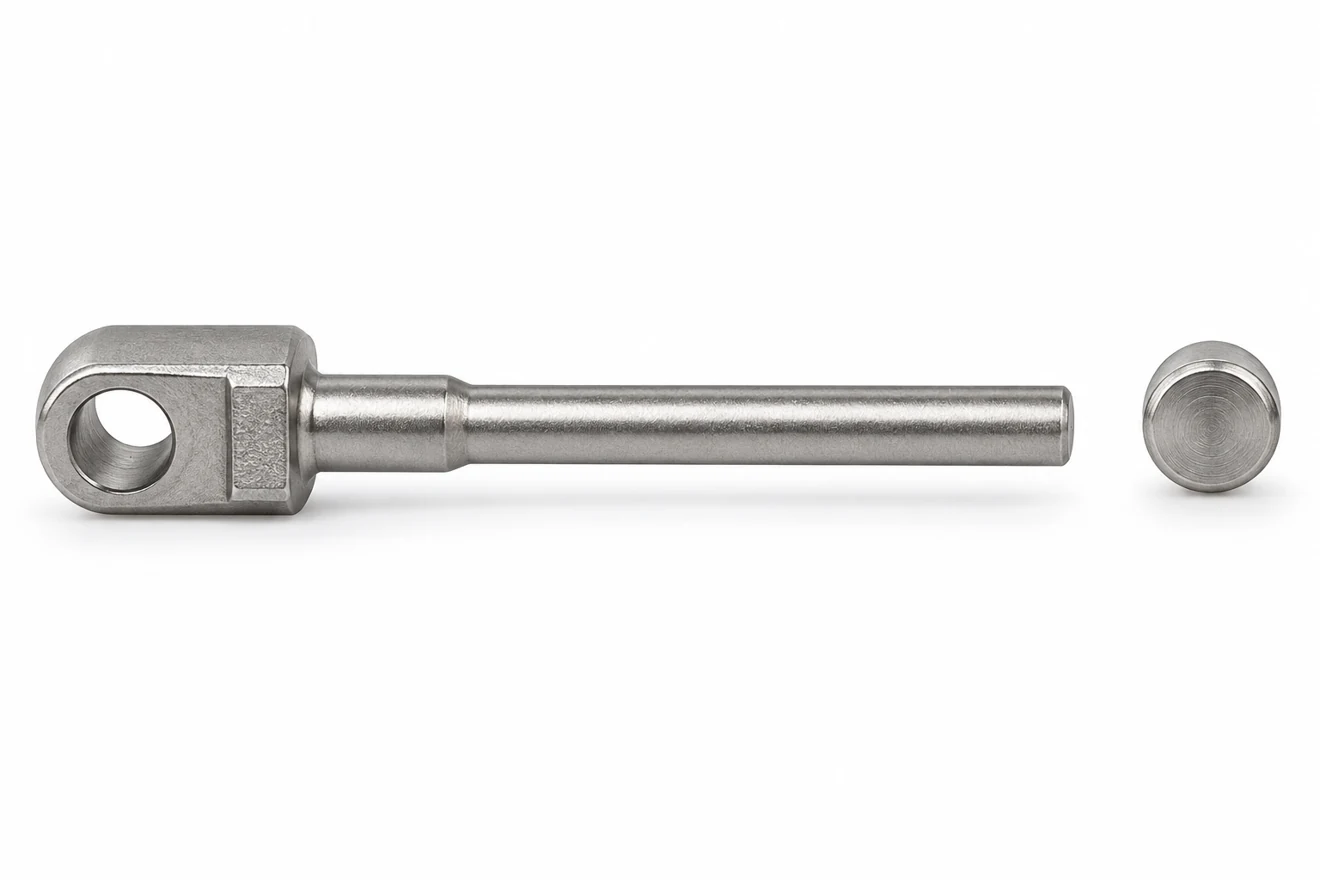
Plan the bore and outside fits together
The finishing sequence considers how one contact can locate the next operation and how clamping affects a thin sleeve. End squareness and groove details may matter alongside the two diameters.
Protect the bronze sleeve in the acceptance state
Relia's technical discussion connects those operations with the actual bronze grade and service condition. If an interference fit is intended, the supplied drawing should identify the component state and mating limits used for acceptance. Protecting the finished bore and outside contact during handling is then part of preserving the result, not an unrelated packing detail.
07 / 10Component decisions
Choose the Alloy Before Finalising the Sleeve Route
Bronze families differ in composition and intended use. Use an actual alloy specification and service brief when comparing manufacturing proposals.
| Stage | Decision | Record or reference |
|---|---|---|
| Service definition | Identify load, motion, lubricant and environment | Application brief from your design |
| Material selection | Specify bronze alloy and required condition | Agreed material documentation |
| Blank and machining | Leave stock and maintain wall support | Bore-to-outside machining plan |
| Final acceptance | Inspect fits and any specified service evidence | Approved drawing and delivered state |
Protection Preserves the Sliding Interfaces
Agree cleanliness, handling and packing appropriate to the material and finished surfaces. Parts should remain identified and protected from contact damage during transport. Any special residue or preservation requirement belongs in the RFQ so it can be reviewed alongside the component and inspection scope.
Send the Details for Your Component Review
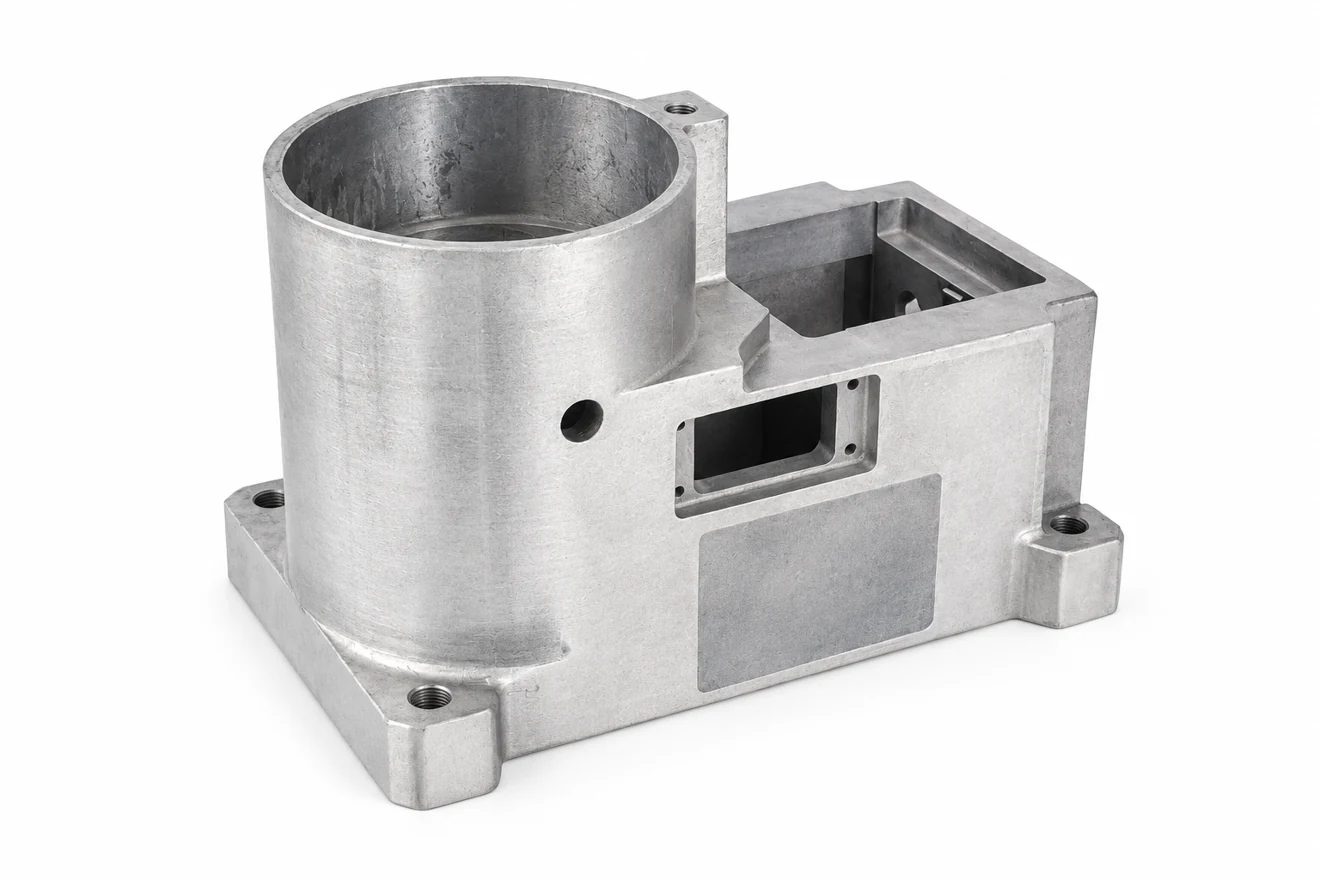
Tell us what you need to buy and the condition you need to receive. Relia Casting will review the component, manufacturing scope and requested evidence with you before an order is agreed.
- Sleeve drawing and material specification
- Relevant shaft and housing geometry
- Fit and inspection-state requirements
- Operating and lubrication information
- Quantity and required checks
No. 96 Shuyuan Road, Qingdao, Shandong, China
About our component supply · Contact details and project enquiry