
Repeat Shell-Mold Iron Casting Supply with Controlled Tooling and Releases
A repeat order should identify the same approved part, not only repeat its name. Relia connects shell-mold iron-casting releases to the drawing revision, tooling state and delivered condition. Define the checks and change rules for your program before the next release.
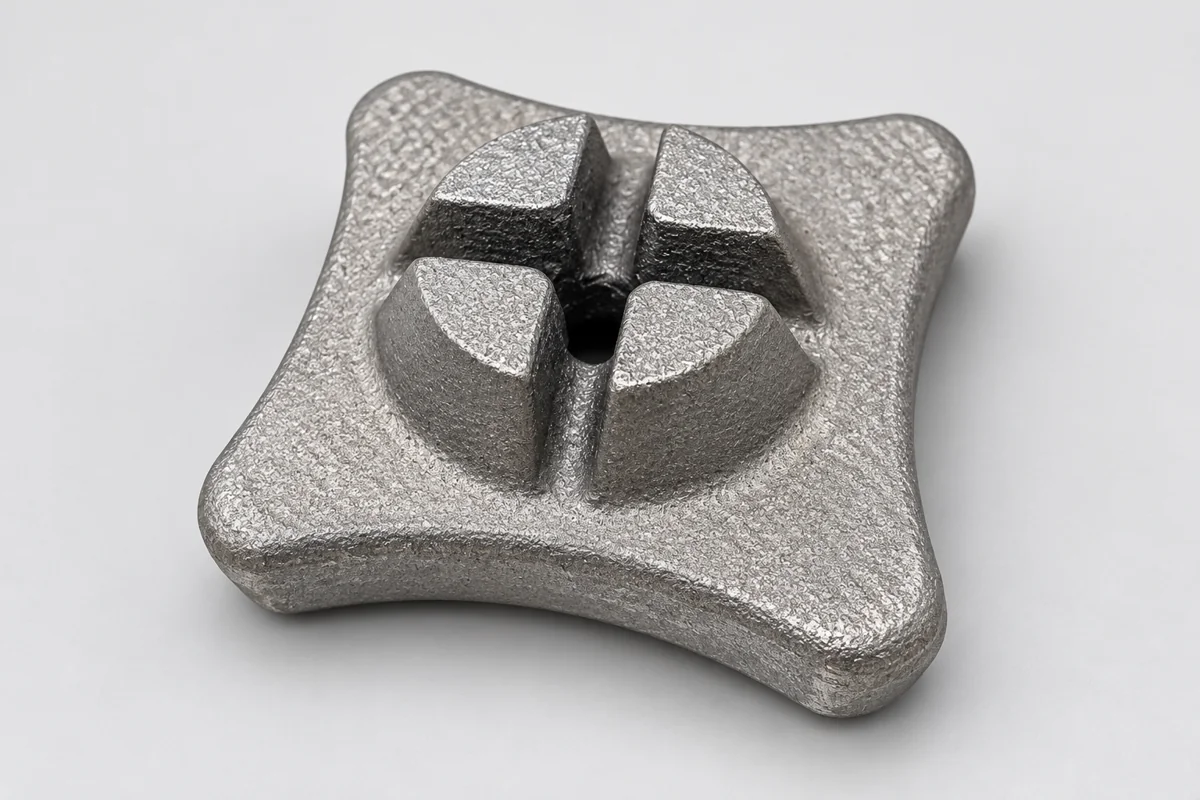
A Release Uses the Approved Component Definition
Relia connects recurring casting and finishing with the order's agreed inspection requirements. We identify the tooling and component revision used for the release. Quantities, records and any material or treatment requirements remain part of that defined supply scope.
The Approved Sample Retains the Critical-Feature Map
Keep the approved sample and critical-feature map available for repeat orders. Hub supports, open frames and blocks can each have different features that signal a fit or tooling problem. A focused reference is more useful than a generic check of outside appearance.
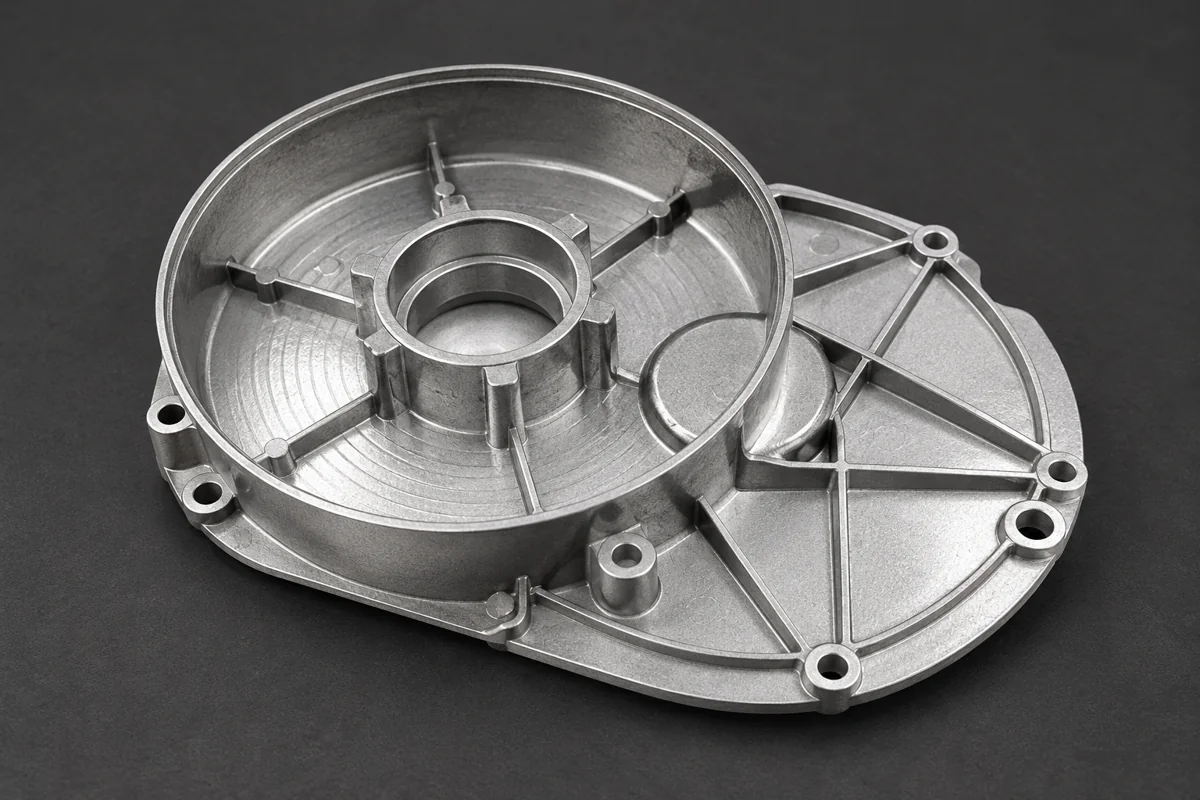
Each Purchasing Reference Identifies the Iron and Condition
Confirm the selected iron specification and delivered condition for each purchasing reference. If an alternative grade or treatment is proposed, handle it as a controlled change. A catalogue list of options should not silently become permission to substitute material between releases.
Tooling Ownership and Maintenance Have Named Responsibilities
Agree tooling ownership, storage and maintenance responsibilities. A pattern or mould tool has a condition that may change through use or repair. Record work that could affect geometry and identify the checks required before returning it to production.
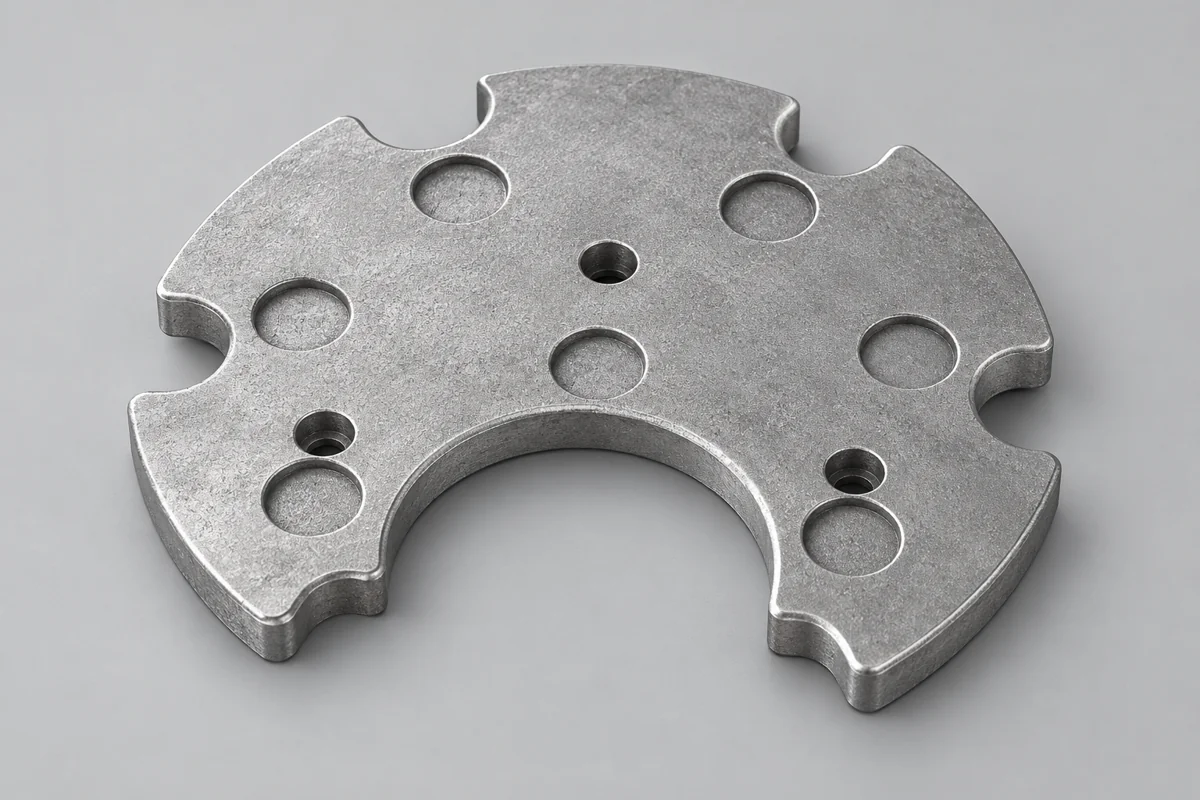
First-Off Checks Connect Tooling State with Final Features
First-off checks should connect tooling state with the working datums and final features. Define the dimensions and surface regions that need confirmation at a new release or after relevant changes. Avoid relying only on a general statement that the original tool is still being used.
Manufacturing Changes Have a Defined Approval Path
Manufacturing changes need a clear notification and acceptance path. Identify which material, tooling, finishing or inspection changes require review. The purpose is to retain a known supply reference while allowing agreed improvements to be evaluated transparently.
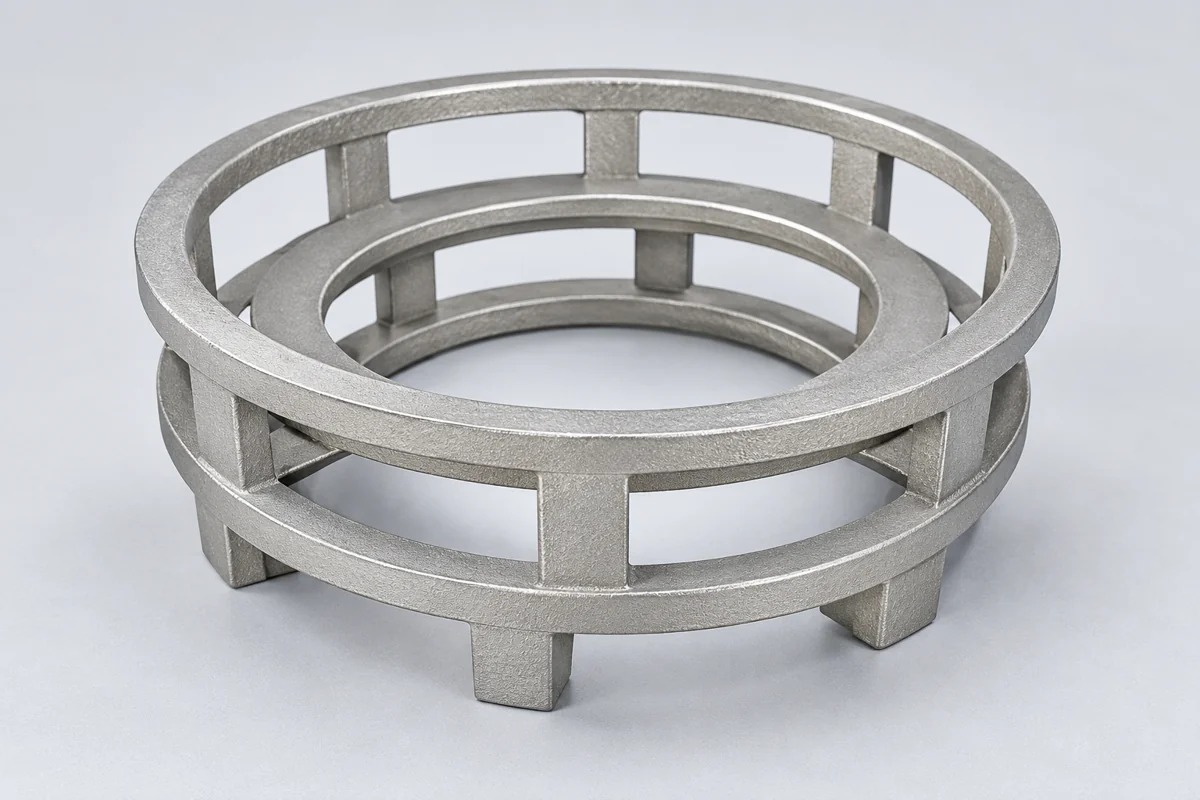
Batch Records Preserve the Supplied Part Identity
Batch records should identify the part, drawing revision, supplied condition and agreed inspection results. We can provide key dimensional records with items and sampling frequency set for the order. Trends or comparison checks need a consistent measuring basis to be meaningful.
Reorder Packets Keep Changes Visible to Purchasing
Plan releases with quantities, required records, identification and finished-contact protection. Separate routine supply from tooling repair or engineering-change work. This helps the commercial arrangement support continuity without hiding changes inside a repeat part price.
Related engineering and purchasing guidance
Share the Repeat-Part and Tooling References
Send the repeat-part drawing, approved sample information and expected releases. Include the material, critical features and change-notification requirements. We can review the tooling and first-off plan around the way you need the component supplied.
- [email protected]
- Phone
- +86 185 6176 2631
- +1 404 203 0971
- Project enquiry
- Contact our Qingdao team