
Shell-Mold Iron Blocks with Multiple Openings and Machined Bores
A cast iron block with openings on several faces needs an internal forming plan and a machining plan that work together. We review shell-moulding projects using the passage sections, selected material and finished bore relationships. This helps turn a complex-looking component into a defined casting and finishing scope.
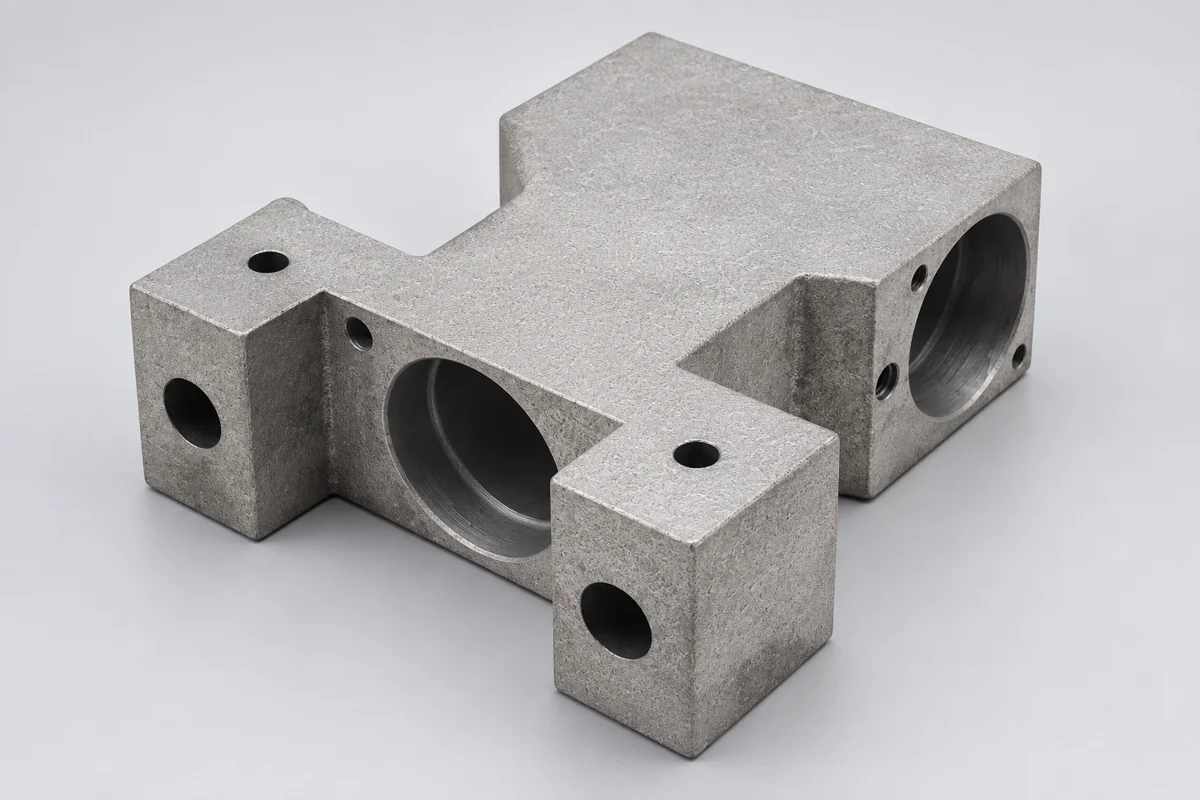
The Block Drawing Connects Every Opening
Relia reviews which openings belong to the cast geometry, which need cores and which are created or finished by machining. We keep those responsibilities visible in the quotation. A shell mould and a shell core are not assumed to be the same complete manufacturing route.
Sections Separate Through Passages from Blind Spaces
Section views reveal the internal connections behind the outside openings. Show intersections, local wall sections and areas where a final bore approaches a passage. This gives the review a basis for discussing core position, tool access and the remaining material at working features.
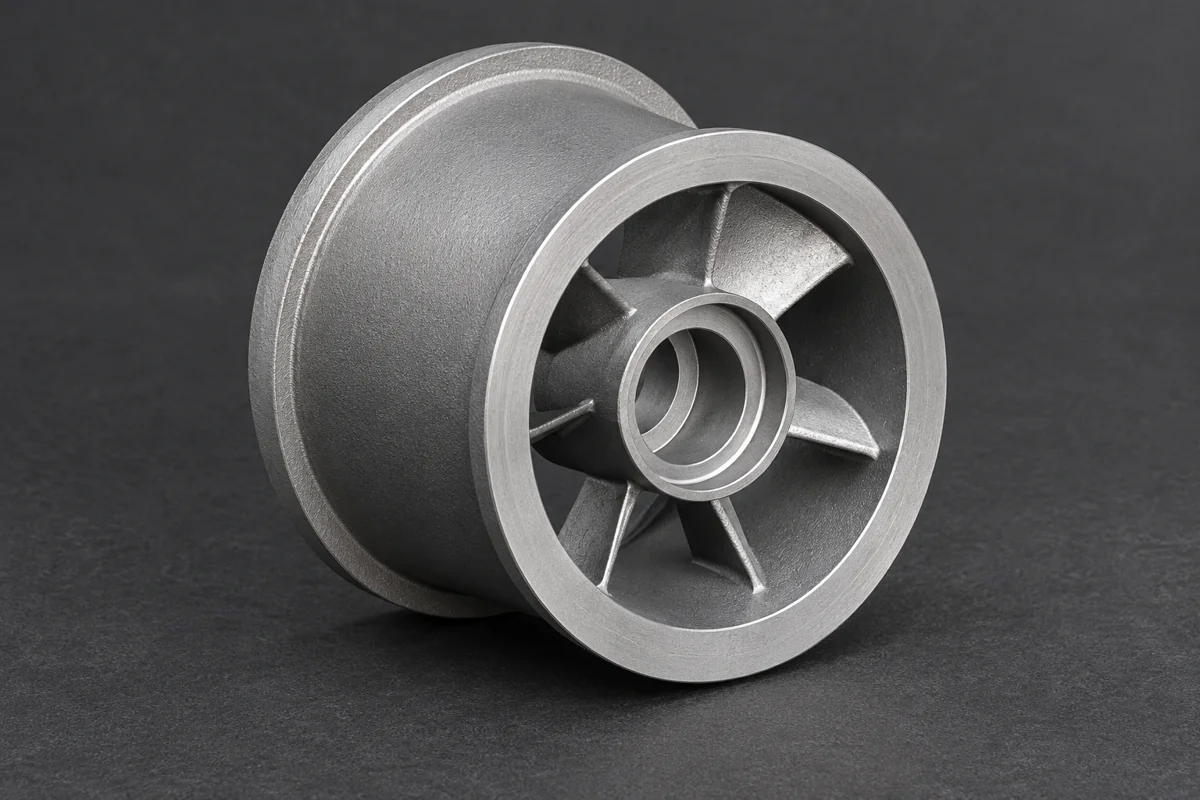
The Selected Iron and Delivered Condition Stay Explicit
Select the actual grey or ductile iron specification and delivered condition. Include material and treatment requirements that apply to the block. Historical multi-option catalogue fields do not select a grade or establish a verified route for every pictured item.
Neighboring Openings Need a Shared Stock Plan
The mould and core arrangement needs to support the internal form while preserving stock at finished openings. Review core seating and any important mould-interface regions before the tooling plan is approved. Casting geometry and machining access should be assessed together.
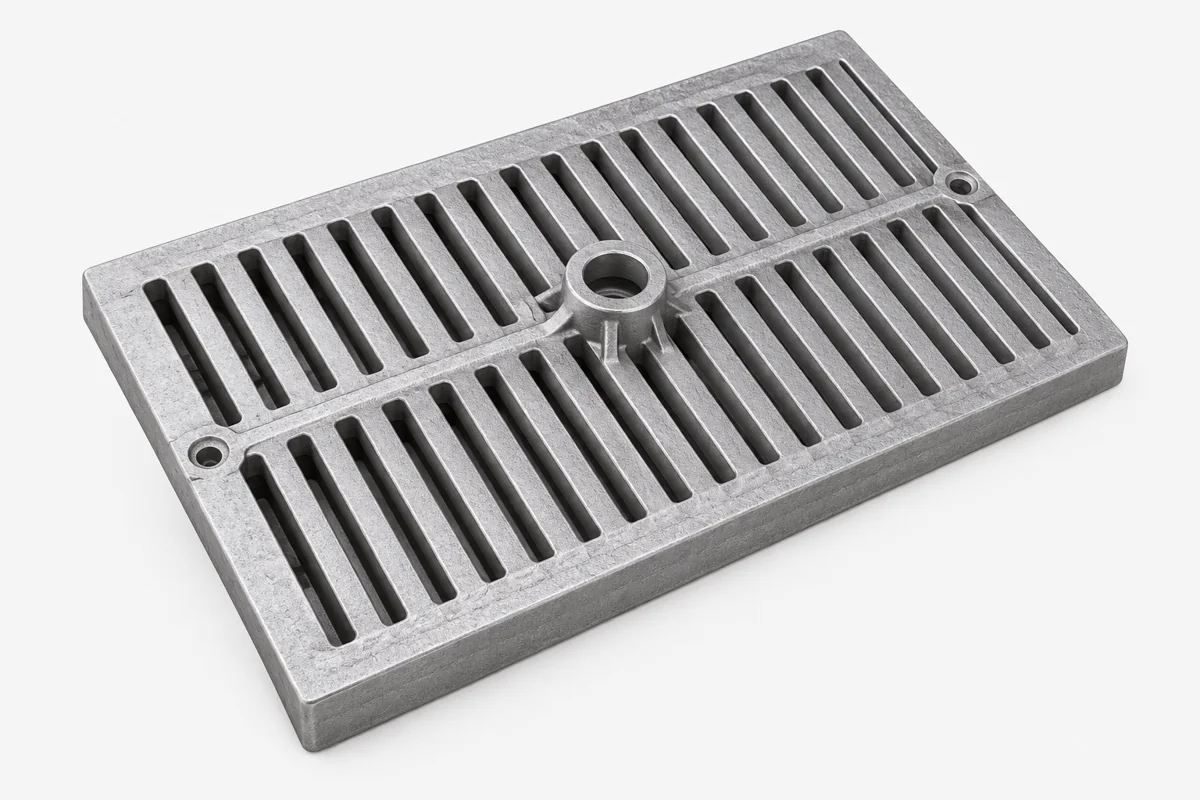
Each Bore Needs a Machining Direction and Datum Plan
A hole that is accessible from one face may still be difficult to finish in relation to another axis. Define the bore directions, datum relationships and required access for drilling or boring. We distinguish a cast opening from a finished feature with an acceptance dimension.
Cast or core-made opening
Internal connection, core location, removal access and stock near the final cut.
Finished bore
Machining direction, tool access, final axis and relationship to the functional datums.
Check where neighbouring bores and passages approach one another. An accessible hole does not by itself establish a machinable or correctly located final bore.
Internal Cleanup Uses Practical Access and Inspection
Internal cleanup needs a practical access and inspection plan. Identify deep regions, intersecting passages and the condition required before treatment or assembly. Where residue could affect function, agree its acceptance method separately from the outside surface appearance.
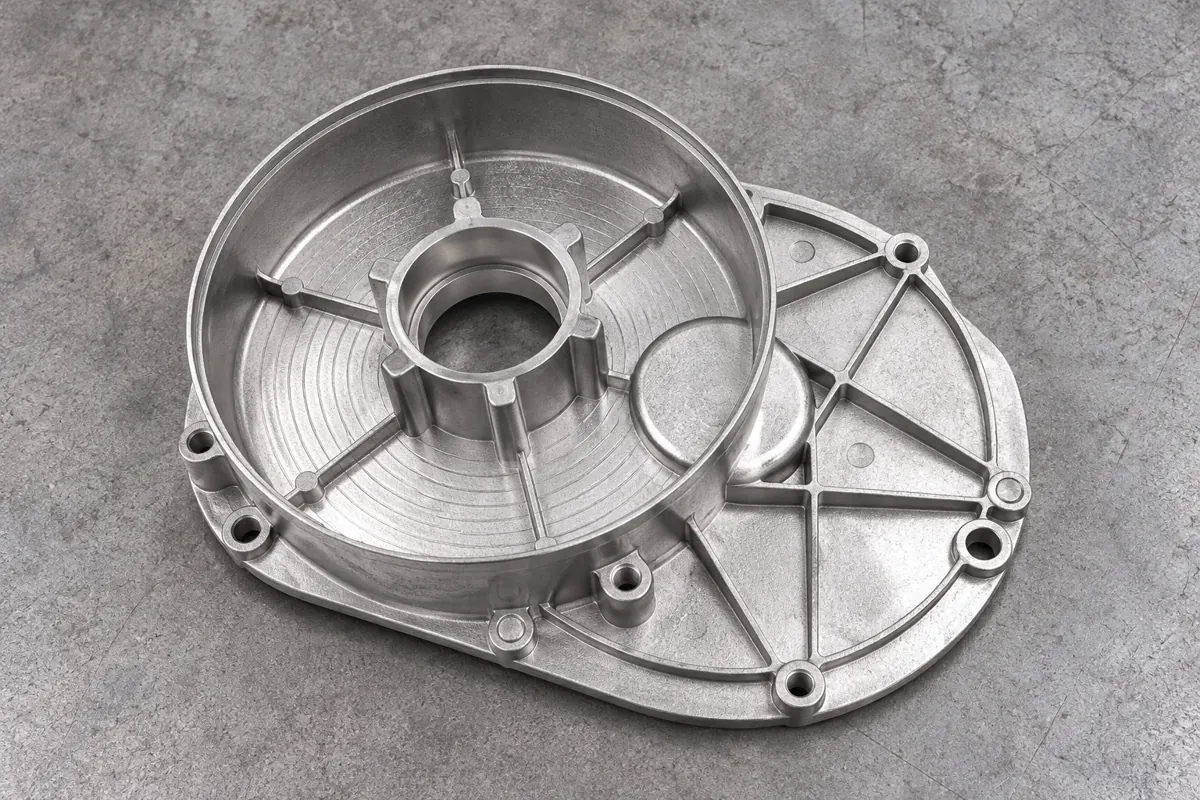
Samples Are Checked Before and After Machining
Sample inspection should check the relationships between the important openings and the delivered body. We can provide agreed key dimensional records, with methods and sampling defined for the order. Core-related wall or internal checks should be included where the project specification requires them.
The Quote Closes Core and Finishing Responsibilities
Provide the model, passage sections, finished-bore drawing and material specification in one enquiry. Include sample quantity, repeat demand and any cleanup or treatment requirement. This supports a quote for a finished block rather than an undefined assortment of openings.
Related engineering and purchasing guidance
Share the Block Model and Internal Sections
Share the block model and sections through the internal connections. Mark the bore axes, critical wall regions, material and required quantities. We can review the mould, core and machining boundaries before the sample plan is agreed.
- [email protected]
- Phone
- +86 185 6176 2631
- +1 404 203 0971
- Project enquiry
- Contact our Qingdao team