
Cast Housings and Mounting Parts for Construction Equipment RFQs
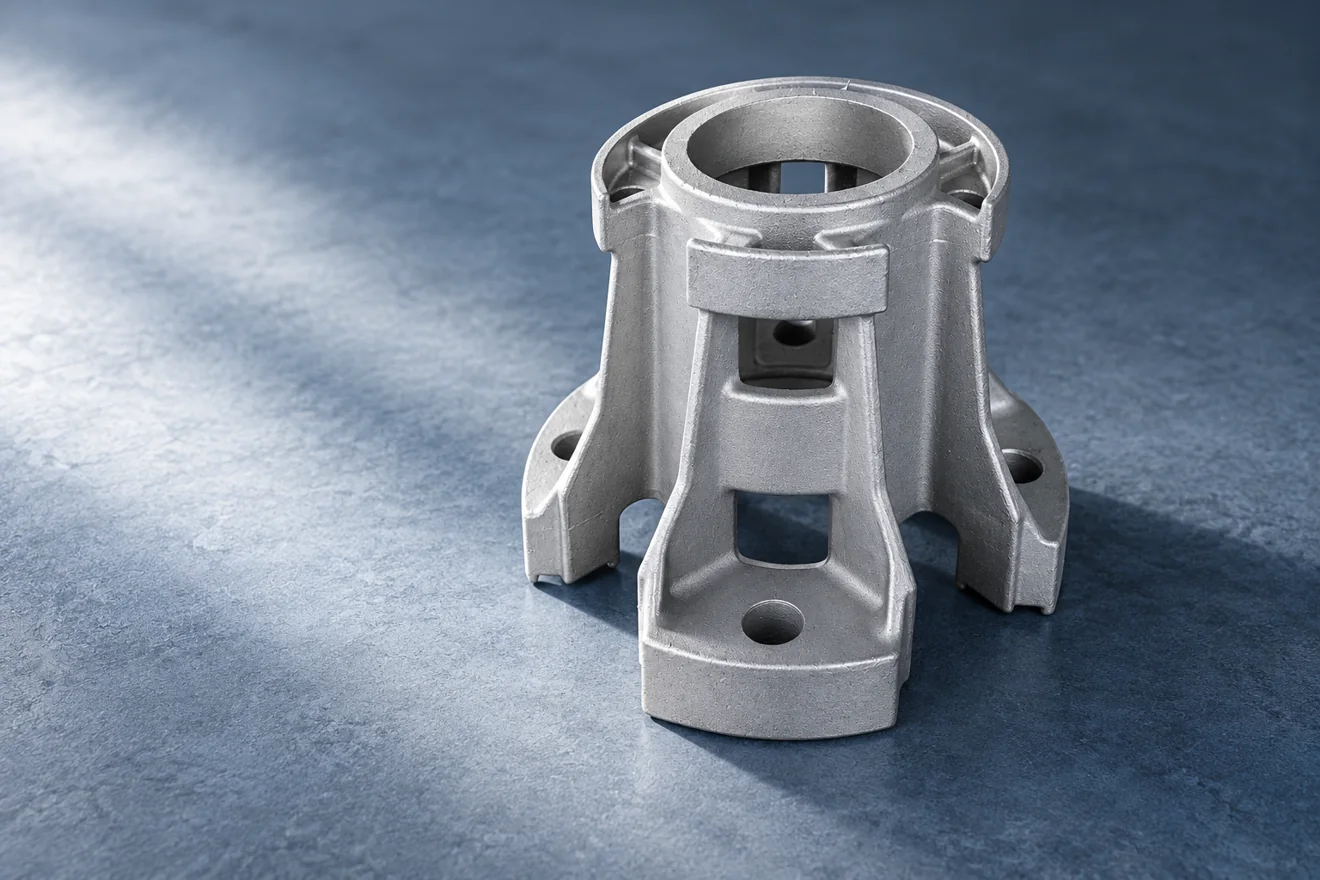
Source a cast housing or mounting part for your construction machine using its assembly drawing, actual alloy and service requirements. Relia reviews loaded sections, casting access, CNC datums and surface protection together. The RFQ should distinguish component inspection from installation and machine-duty trials, so the quote names both the finished part and the evidence included.
Read the overview and page sections
We connect the alloy, casting sections, CNC access and surface protection to those requirements. This keeps the quotation focused on a defined housing or support, with the loaded contacts and required acceptance visible from the first review.
The Machine Interface Makes the Manufacturing Priorities Clear
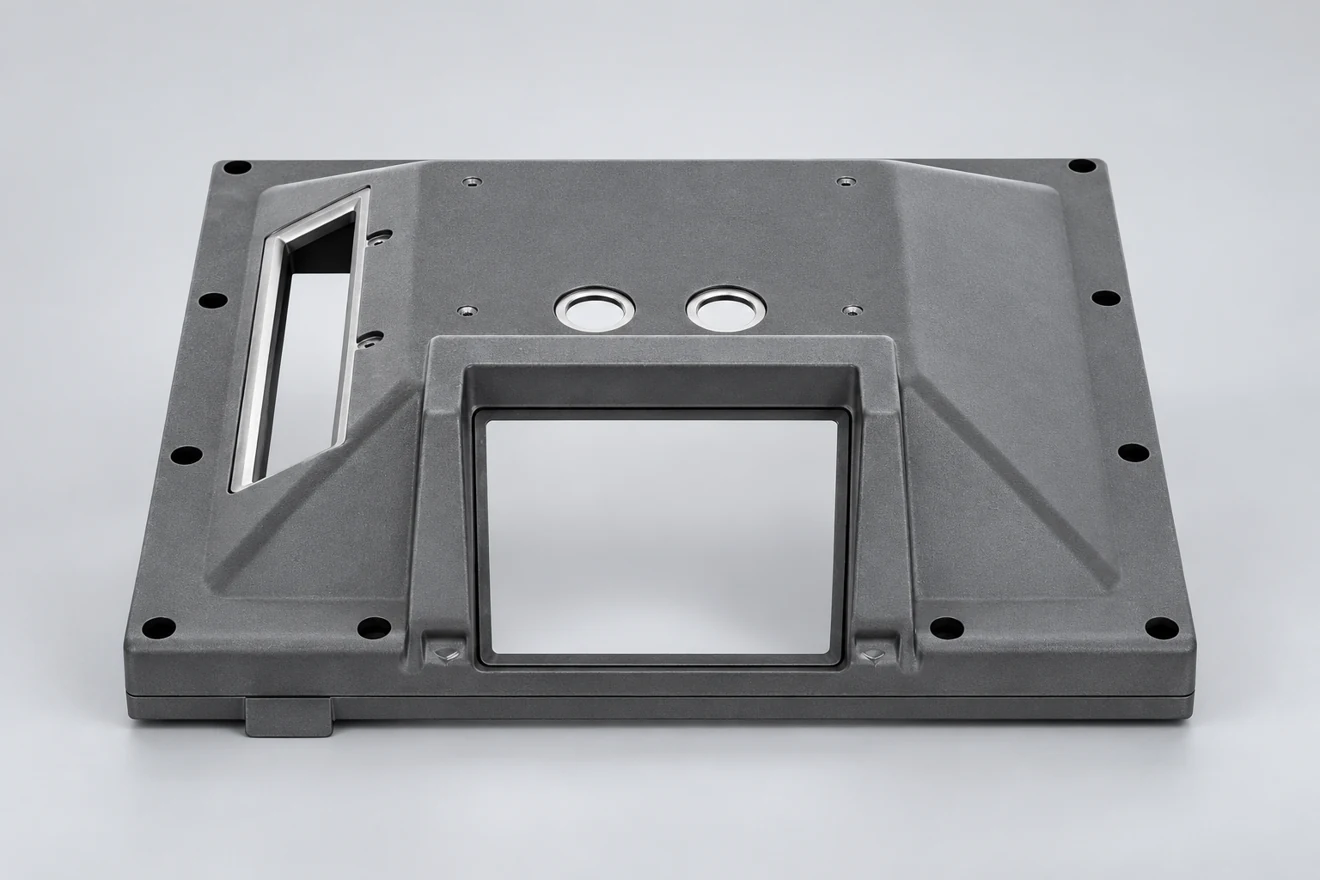
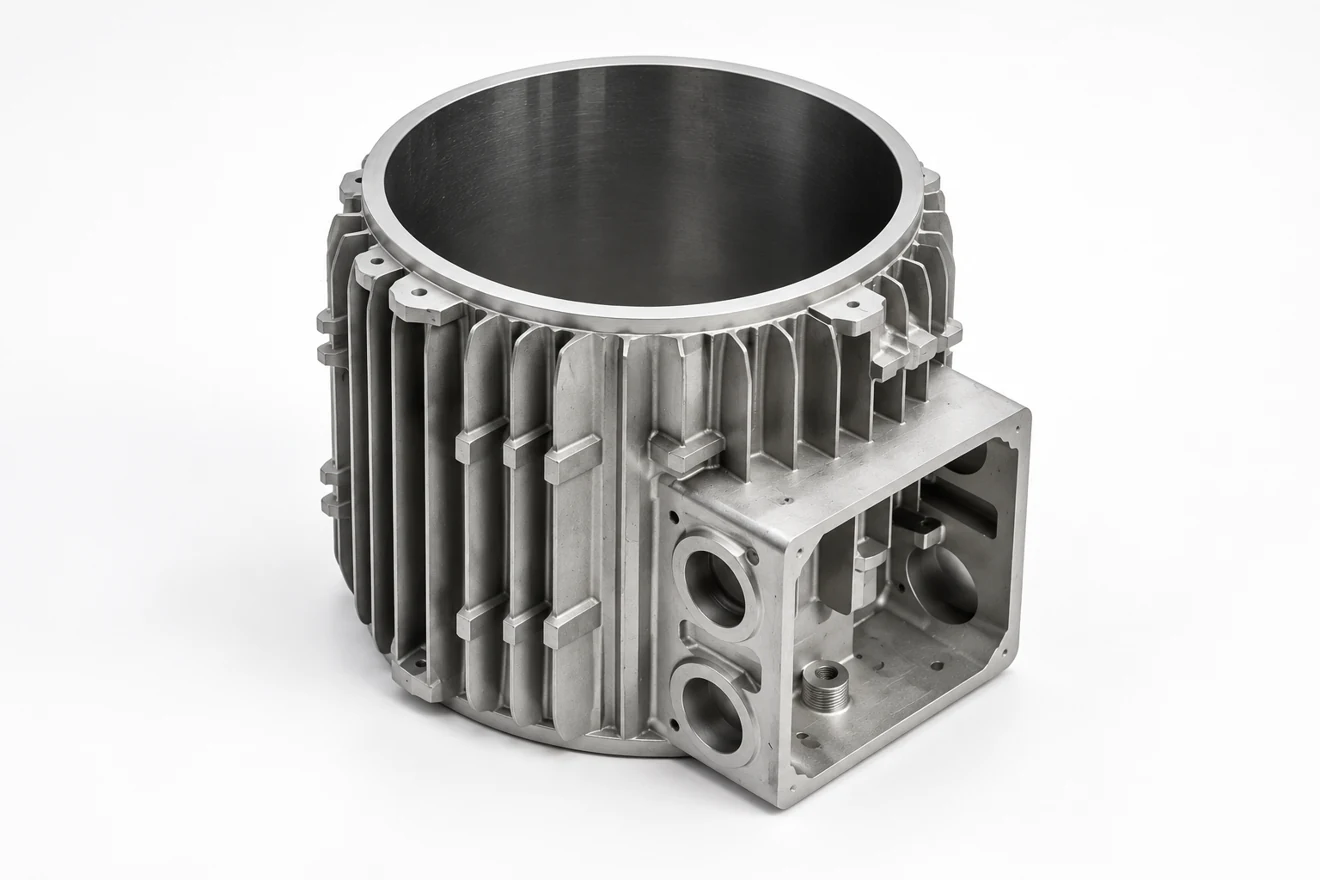
Relia reviews ribbed housings, side openings and mounting regions as parts of the same working component. Relia's proposal connects the loaded junctions with casting feasibility, fixture access and final bore or base-face requirements. Your equipment drawing and duty information give those decisions a clear purpose, rather than relying on a broad machinery application label.
03 / 10Component decisions
Translate Machine Duty into Component Requirements
Tell us where the component sits and what touches it. A useful technical brief connects the machine environment with named surfaces and sections.
| Machine concern | Describe for this component | Manufacturing focus |
|---|---|---|
| Mounting and alignment | Mating body, bolts, bores and load direction | Datum system and working-face relationship |
| Section transitions | Ribs, windows and loaded junctions | Castability and specified examination zones |
| Dirt and moisture | Exposed contacts, cavities and drainage needs | Cleaning, coating and protected surfaces |
| Service replacement | Machine version and removal envelope | Correct revision and installation access |
Duty Information Guides the Technical Discussion
Provide the loads, environment, temperature and service conditions relevant to the part's design requirements. State applicable project clauses and validation expectations. This information supports the material and manufacturing review; it does not transfer design responsibility through an unqualified statement that a casting is heavy-duty.
Keep Loaded Regions Visible Through Casting and Machining
The casting review distinguishes material needed to carry load from openings needed for access or weight reduction.
- Keep loaded sections and fixture access compatible
- Machine and inspect from the assembly references
Open the manufacturing route and detailed review
Keep loaded sections and fixture access compatible
Wall transitions and heavy bosses affect feeding and cooling, while the planned blank must still offer workable fixture contacts. The core or mold arrangement also needs a cleanup route for the selected internal geometry.
Machine and inspect from the assembly references
Relia's CNC discussion follows the assembly references rather than the easiest outside surface to clamp. Related bores, mounting planes and fixing patterns should be machined and checked in the relationship required by the machine. Surface protection and handling are then specified around those working contacts so later operations do not compromise the supplied fit.
06 / 10Component decisions
Protect the Working Contacts Through Delivery
A finished housing can be damaged after inspection if projecting features or fitted bores are left exposed. Identify protection in the delivery scope.
| Step | Control point | Delivery requirement |
|---|---|---|
| Cast the form | Review wall transitions and openings | Usable blank and accessible cavities |
| Finish the contacts | Support the housing during related cuts | Accepted bores, faces and fixing pattern |
| Prepare surfaces | Apply specified finish with masking where needed | Uncontaminated fitted contacts |
| Pack the part | Support projections and identify the revision | Agreed protection and package identity |
Qualification Is Planned Before Routine Supply
Agree dimensional inspection, integrity examination and any assembly or duty trials required by the project. Identify who performs and accepts each task. Supplier release records and complete-machine validation serve different purposes, so the order should state the boundary rather than merging them into a general quality promise.
Material, finished dimensions and specified examination for the supplied component.
Mating hardware, installation envelope and relevant clearances.
Application loads and operating trials required by your design.
Revision and Batch Control Support Repeat Orders
Keep drawing revisions, approved changes and supplied lots identifiable. When tooling, material or machining changes affect an accepted feature, review the relevant evidence before release. This gives repeat purchasing a practical control method without claiming that one sample approval covers every later variant.
Send the Details for Your Component Review
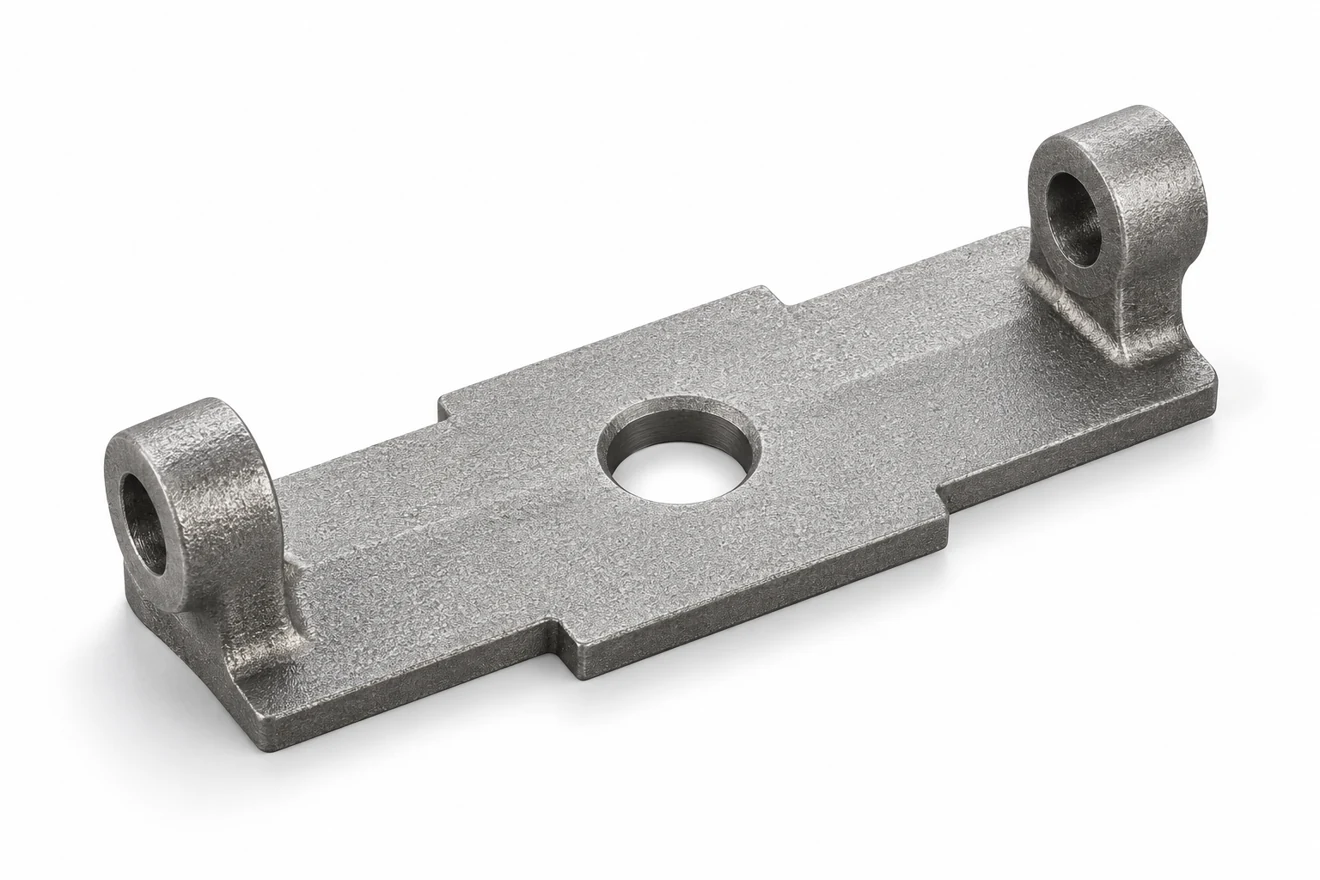
Tell us what you need to buy and the condition you need to receive. Relia Casting will review the component, manufacturing scope and requested evidence with you before an order is agreed.
- Component drawing and installation details
- Material and delivered condition
- Relevant duty and environment
- Applicable project and qualification clauses
- Quantity and required records
No. 96 Shuyuan Road, Qingdao, Shandong, China
About our component supply · Contact details and project enquiry