
Precision Steel Castings with Defined NDT and Batch Records
You can include a defined non-destructive examination in a precision-steel casting order from Relia. Specify the concern, method, coverage, inspection stage and acceptance criteria for your component. We connect that requirement with the material and machining route, so the resulting record has a clear meaning instead of treating the word NDT as proof that every possible defect has been excluded.

The Defect Concern Leads the Examination Scope
Relia performs order-agreed non-destructive testing in its own factory and reviews its applicability to the actual casting. Surface examination and internal examination address different concerns. We agree the component regions, condition and required records for the specified work, while any customer-required personnel or procedure qualification remains an explicit part of the project review.
The Drawing Identifies Critical and Inaccessible Regions
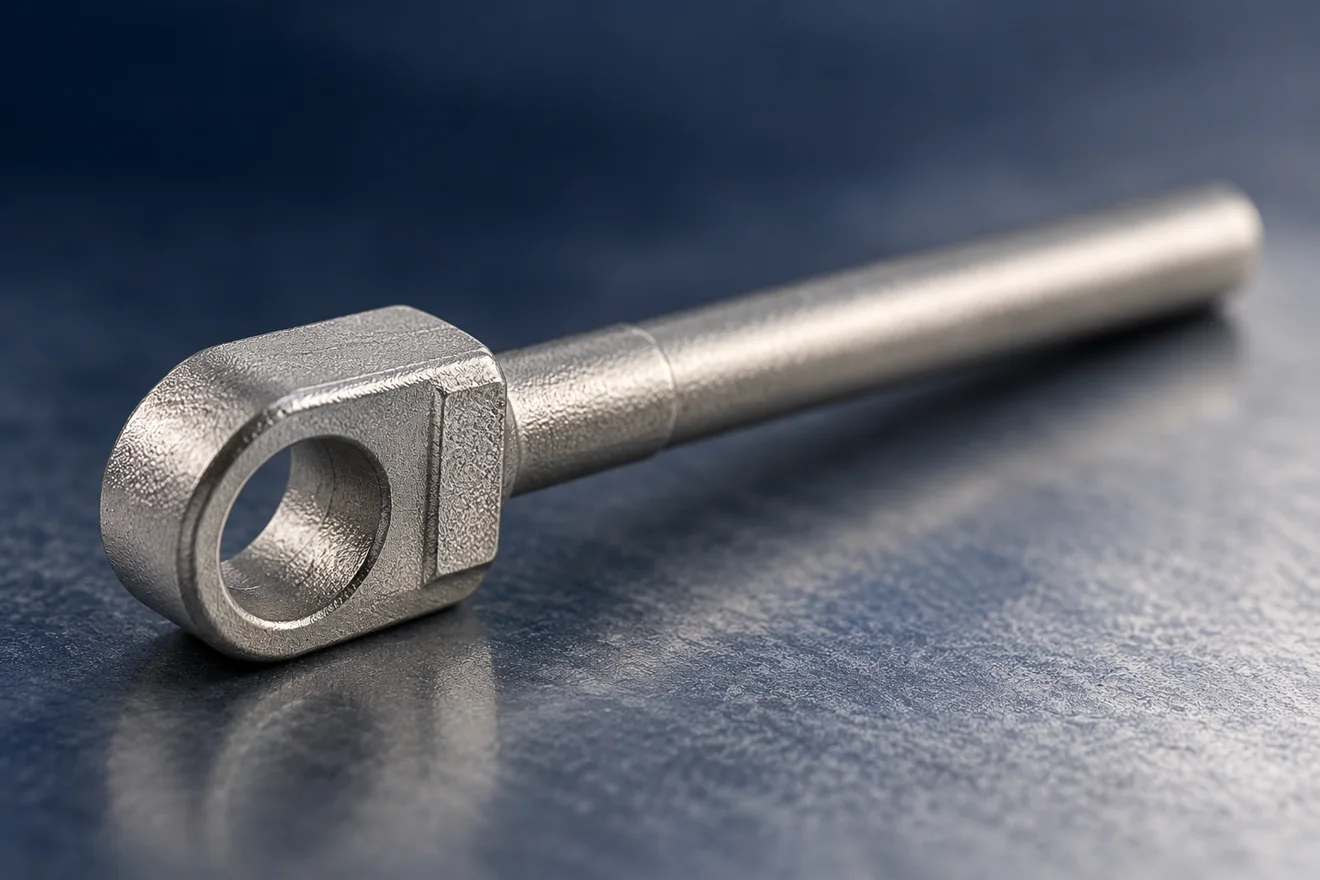
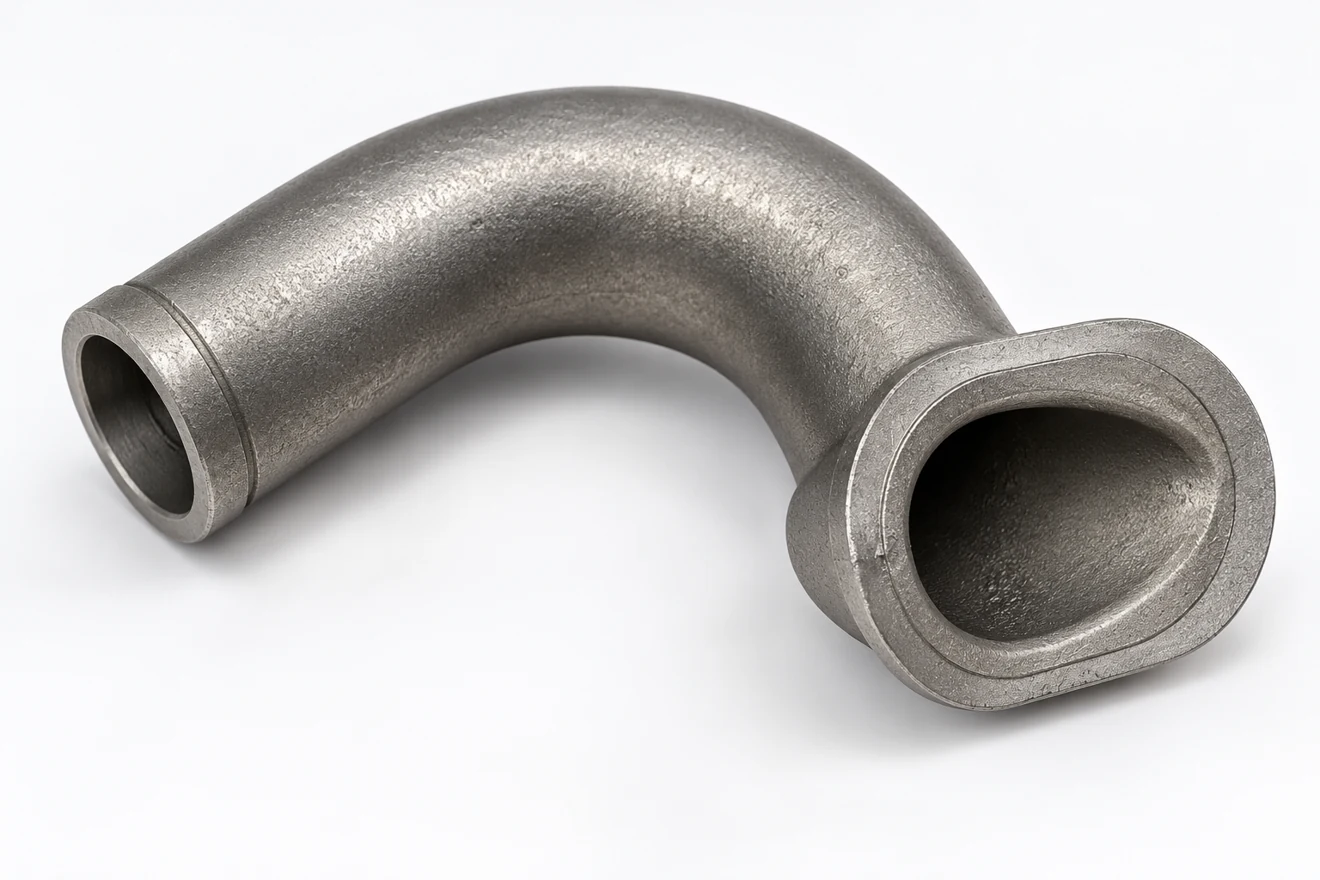
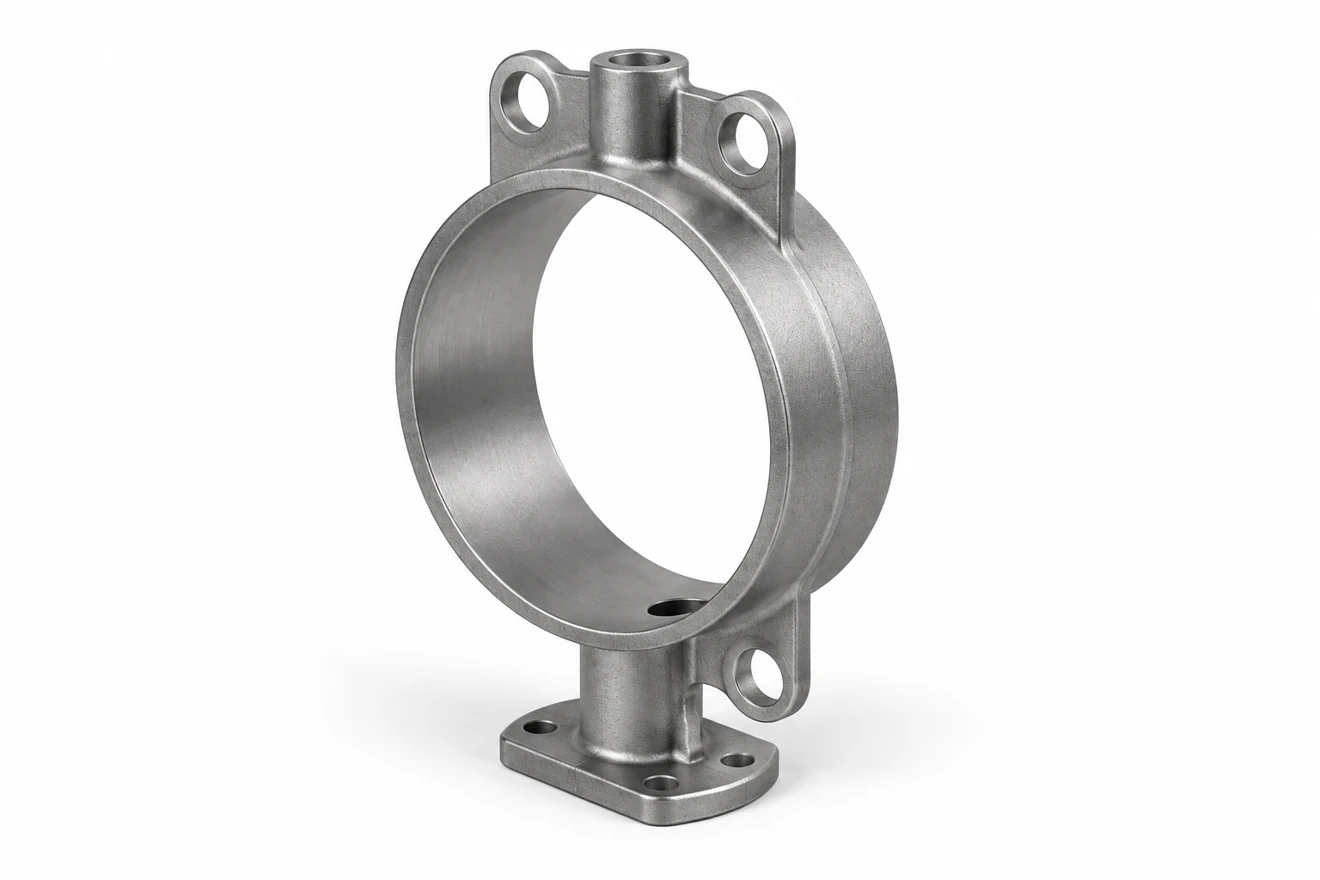
Mark the regions that matter to the requirement, including inaccessible areas and surfaces changed by machining. The casting model and local sections help explain the inspection task. A solid profiled blank and a hollow flanged body can need different access and preparation.
Cast Steel and Delivery State Establish the Inspection Context
Approve the actual cast-steel specification and delivered condition. Include the applicable inspection requirement and any associated material or treatment evidence. The material, section and final use help define a suitable acceptance plan; the words critical casting are not a complete specification.
Examine the Part at the Stage the Requirement Actually Covers
Cleanup, heat treatment and machining can change the surface or region available for examination. Identify whether the requirement concerns the casting blank, a treated part or the final machined contact. The chosen method must be suitable for the material and the type and location of the discontinuity being assessed.
Relia connects the examination stage with the ordered acceptance criteria and any later operation that could change the relevant condition. Define coverage and reporting rather than assuming a method name means complete-part acceptance. Keep the result tied to the identified component or agreed lot, with repair approval and any required re-examination addressed in the specified scope.
Acceptance Criteria Are Agreed Before Examination
Define the method, inspected areas, coverage and acceptance criteria in the order. Discuss preparation and any access limitations before the trial. Visual, surface-related and internal inspection requirements should not be treated as interchangeable proof of the same condition.
- Concern and zone
- Identify the discontinuity concern and exact component regions.
- Applicable method
- Review material suitability, geometry, preparation and access.
- Stage and coverage
- State the part condition and the examination population.
- Criterion and record
- Name the acceptance reference and part or batch identification.
Agree all four before examination. A method name alone is not a pass criterion or a complete-part guarantee.
Qualifications and Procedures Need an Applicable Scope
Required qualifications and procedure references need an applicable scope. Use valid order-related evidence rather than assuming a general company document covers every method or component. Any independent certification cited in the supply package must be relevant to the stated requirement.
Reports Preserve Method, Coverage and Part Identity
A report should identify the part, revision or batch, method, relevant regions, condition and acceptance result. Keep it connected to material and dimensional records without merging their separate meanings. The evidence should let your quality team understand what was actually checked.
Detailed drawing and acceptance checklist
The RFQ Includes the Examination Specification and Reports
Include the casting drawing, material, inspection specification and required reports with sample and repeat quantities. State any witness or buyer-approval step that affects release. We can then review a component supply package with a defined inspection responsibility.
Related engineering and purchasing guidance
Send the NDT Map and Purchase Specification
Send the drawing with required inspection regions marked and the applicable method and acceptance specification. Add material, delivered condition and quantities. We can review the actual scope and records before the trial or production order is committed.
- [email protected]
- Phone
- +86 185 6176 2631
- +1 404 203 0971
- Project enquiry
- Contact our Qingdao team