
Custom Combine Harvester Knife Guards to Blade and Mounting Requirements
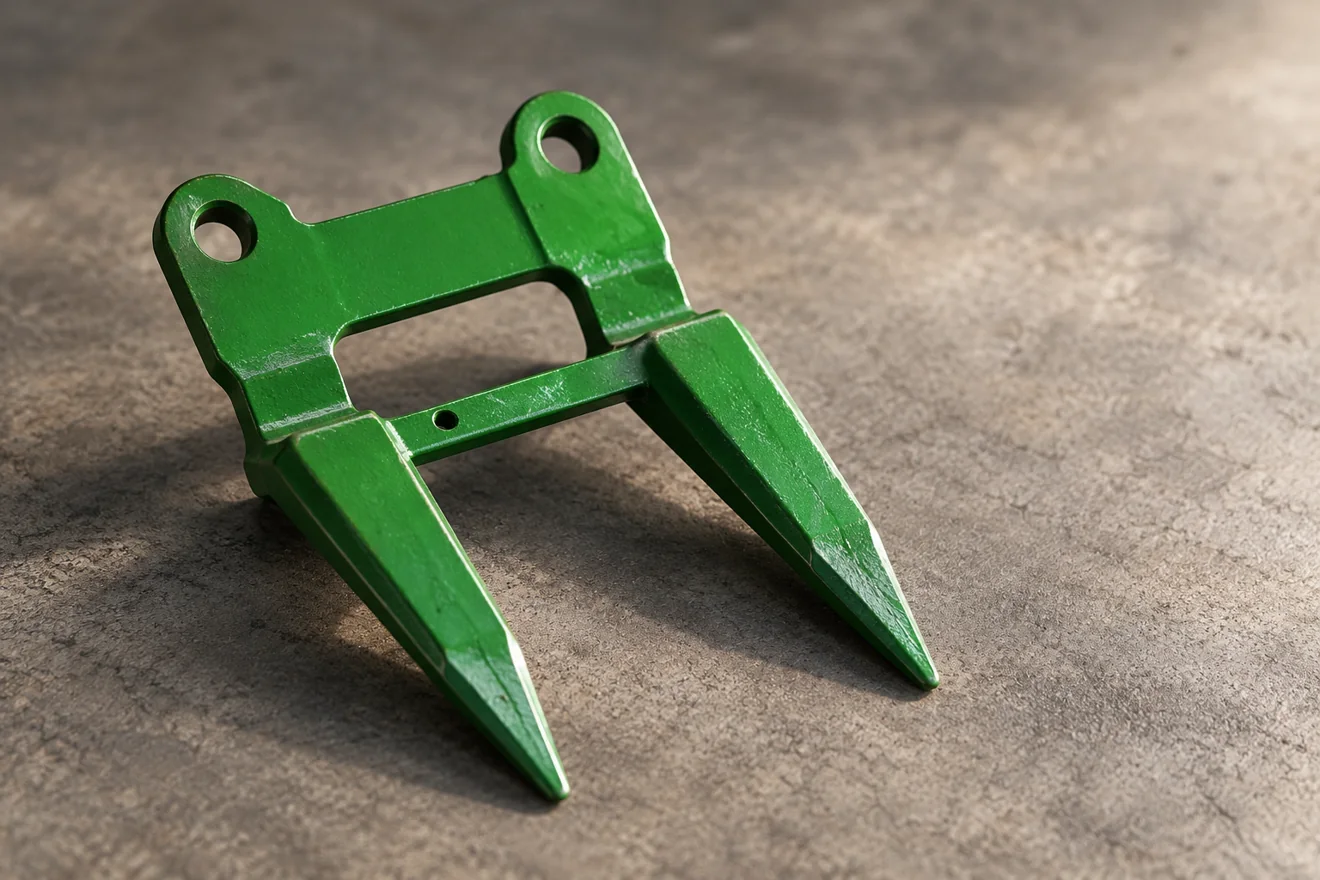
Request a custom combine knife guard using the blade profile, travel envelope and mounting drawing. Relia compares cast or forged proposals for the specified material and working geometry, then agrees sample fit and the required wear or impact evidence. A similar-looking single- or paired-prong guard is a reference, not confirmation that it fits your cutting system.
Read the overview and page sections
We review cast or forged proposals against the same component drawing, including prong geometry, working clearance and material condition. This helps you compare a replacement part on the interfaces it must serve, rather than rely on a similar-looking guard or a machine name alone.
The Blade Relationship Leads the Guard Review
Relia's guard enquiry covers single- or two-pronged component requirements with the blade and fixing information kept together. Relia can discuss the forming route and any finishing required at the working contacts. The selected drawing identifies the configuration, material and relevant wear or impact requirements, keeping different guard variants recognisable during sourcing and replenishment.
Locate the prongs from the mounting reference, then approve the gap with the intended blade. A worn sample needs a separate intended-design definition.
Blade Information Defines the Working Interface
Include the blade profile, travel envelope, relevant clearances and mating arrangement. Mark the surfaces that guide or support the blade where applicable. Wear on an old sample can obscure the intended relationship, so distinguish measured condition from the design requirement before reproducing a guard.
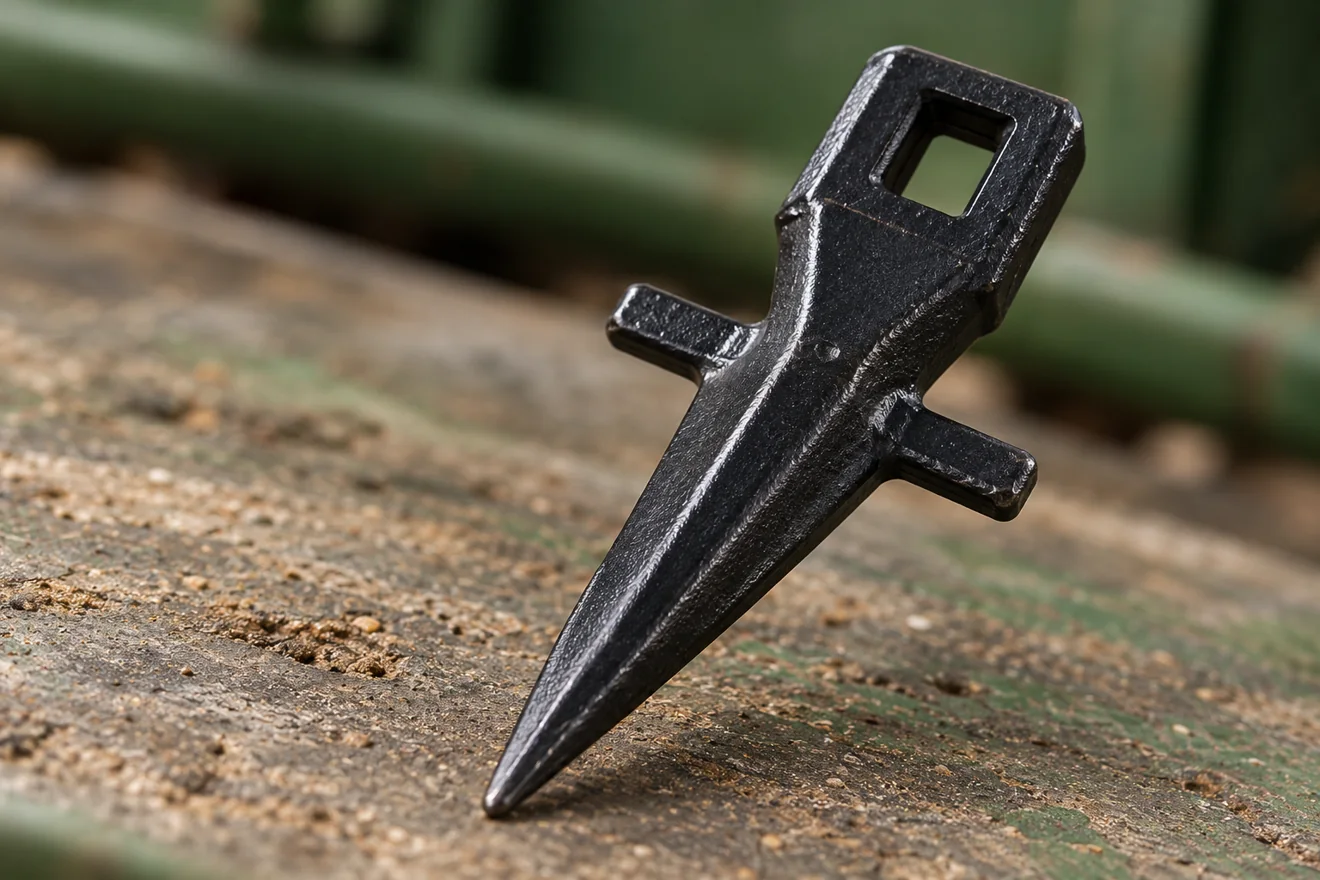
04 / 10Component decisions
Define the Guard Together with the Moving Blade
The working gap and blade path are as important as the guard's mounting holes. Include the mating geometry when requesting a replacement.
| Working feature | Provide with the enquiry | Acceptance focus |
|---|---|---|
| Prongs | Number, spacing and working profile | Blade clearance and local geometry |
| Blade path | Section, movement and adjoining parts | Interference and installed gap |
| Mounting | Hole pattern, seat and machine revision | Fixing position and contact faces |
| Material and finish | Actual grade, condition and wear requirement | Agreed material and relevant test basis |
Form the Guard Around Its Working and Mounting Geometry
A casting proposal considers the sections, mold arrangement and feed path around the guard's prongs and mounting region.
- Mating definition
- Blank selection
- Contact finishing
- Trial fit
- Compare routes around the guard's real geometry
- Verify mounting and blade-contact regions together
Open the manufacturing route and detailed review
Compare routes around the guard's real geometry
A forging proposal has a different deformation, parting and trimming sequence. Compare those routes on the same material and finished working geometry instead of assuming that either process name determines field performance.
Verify mounting and blade-contact regions together
Relia's finishing review identifies the mounting holes and blade-contact regions that need controlled dimensions or surface work. Any required heat treatment and hardness acceptance must suit the specified material and duty. A trial should check the guard with the intended blade and mounting arrangement before treating a visually similar variant as an interchangeable replacement.
Material and Surface Requirements Stay Specific
State the grade, supplied condition and any treatment or surface requirement needed for the application. Identify how those requirements will be verified. We do not replace this definition with an unsupported wear-resistant claim or assume that all similarly coloured guards share the same properties.
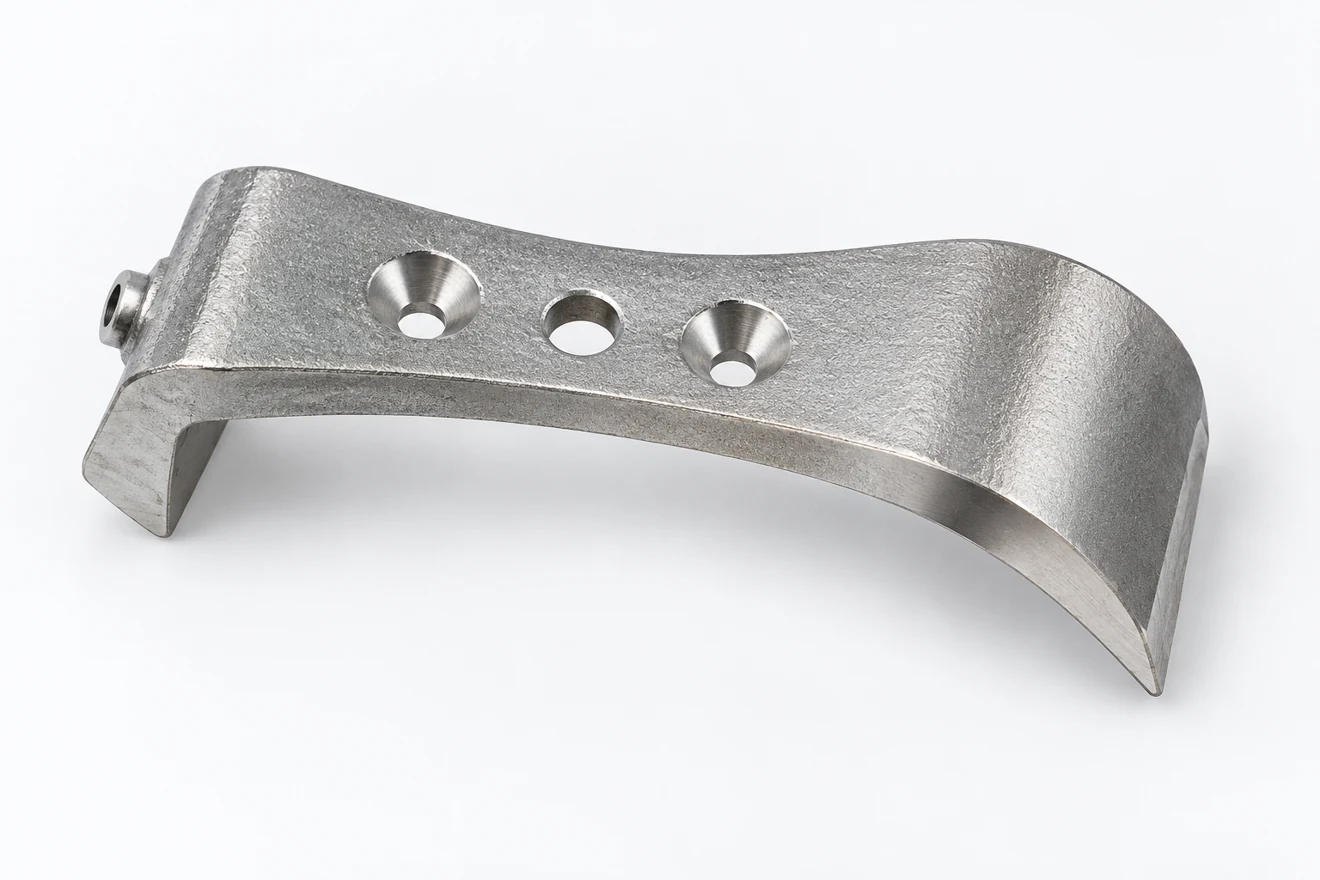
07 / 10Component decisions
Compare Cast and Forged Guards on the Same Duty
The chosen route must suit the specified guard geometry and material. A cast and a forged proposal should still be evaluated against the same installation and working requirements.
| Stage | Review focus | Approval reference |
|---|---|---|
| Route selection | Match material, sections and quantity | One defined manufacturing proposal |
| Finishing | Create mounting contacts and required working features | Feature-specific limits |
| Sample installation | Check guard and blade together | Fit and clearance results |
| Repeat release | Retain the approved version and supplied state | Identified component and batch records |
Variants Remain Identifiable During Replenishment
Single and paired guards, handed parts or revised mounting versions should not be mixed by appearance. Use part references, drawing revisions and agreed packing identification. If an importer orders several variants, keep quantities and acceptance requirements separate in the line-item RFQ and shipment records.
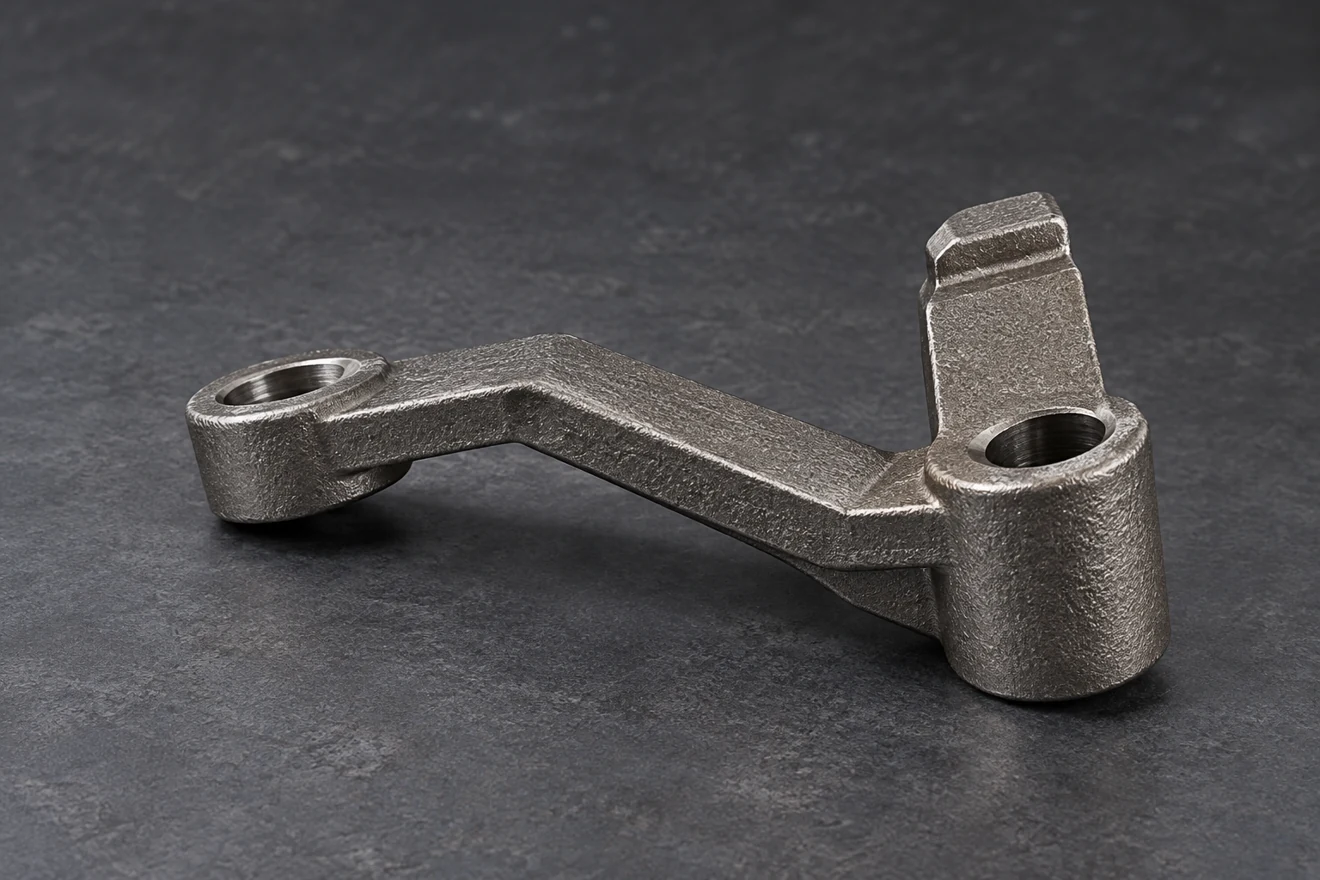
Send the Details for Your Component Review
Tell us what you need to buy and the condition you need to receive. Relia Casting will review the component, manufacturing scope and requested evidence with you before an order is agreed.
- Guard drawing or identified sample
- Blade profile and travel information
- Mounting pattern and reference geometry
- Specified material and route requirements
- Trial quantity and fit acceptance
No. 96 Shuyuan Road, Qingdao, Shandong, China
About our component supply · Contact details and project enquiry